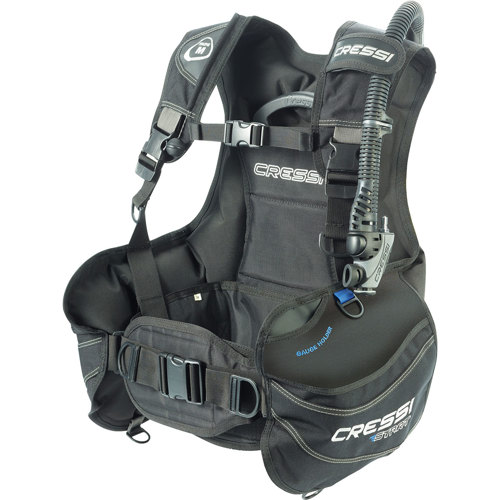
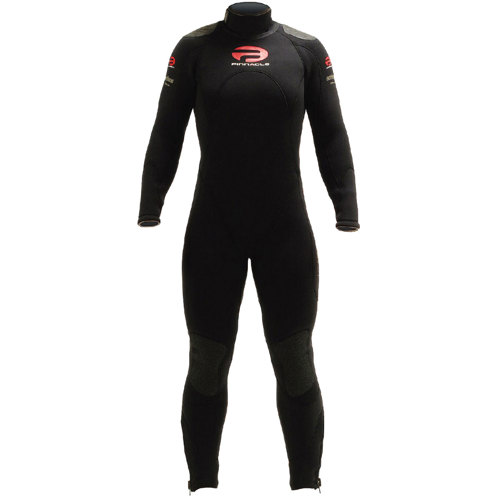
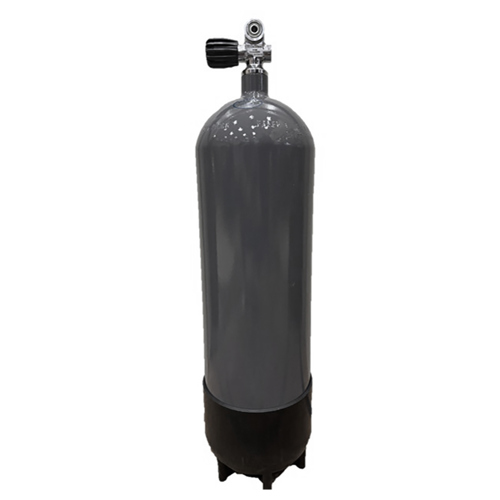
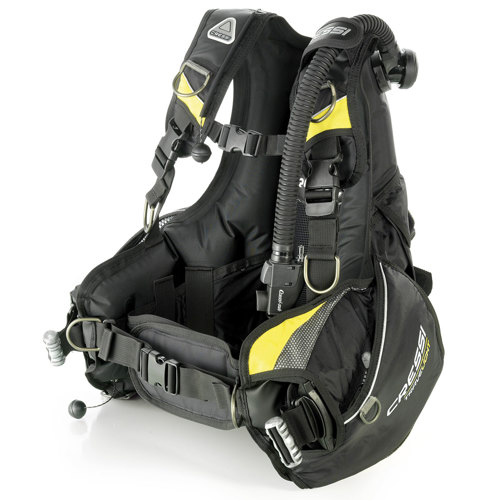
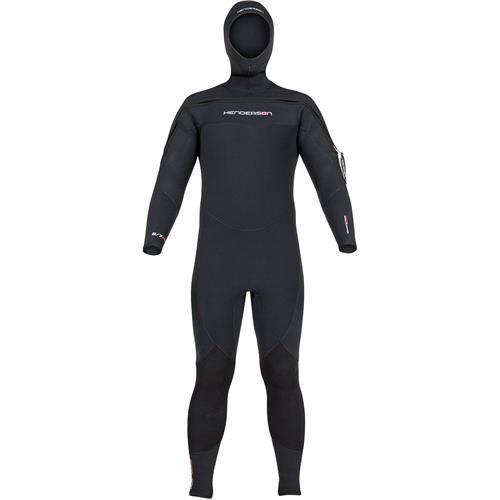
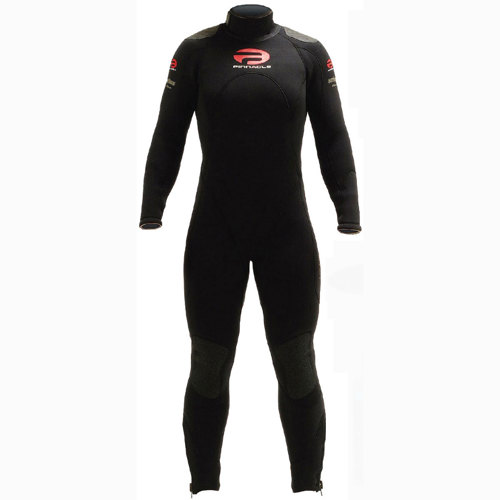
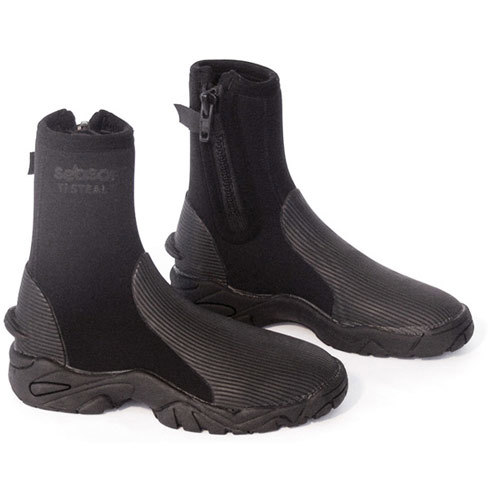
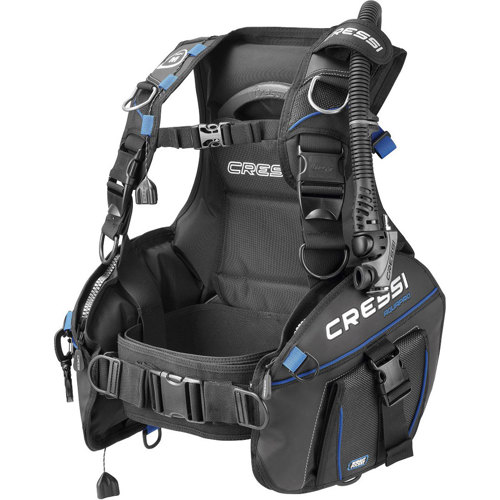
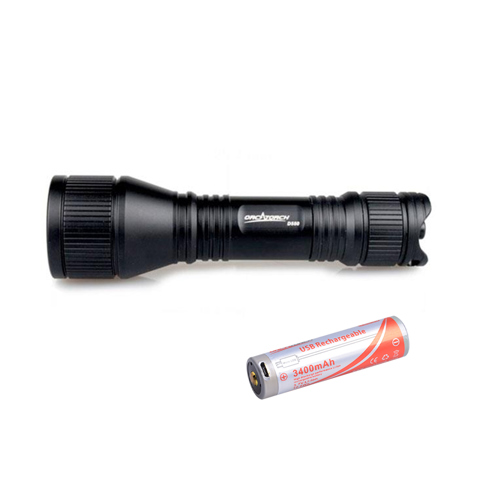
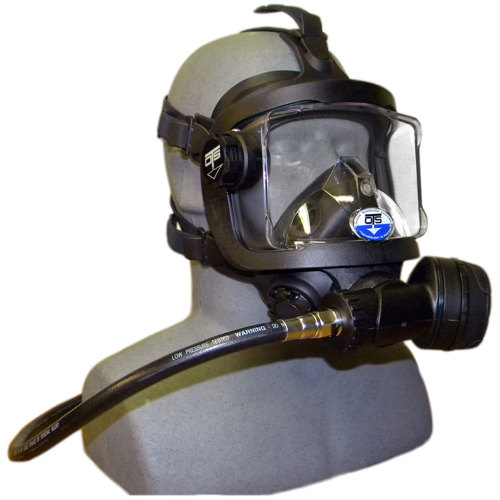
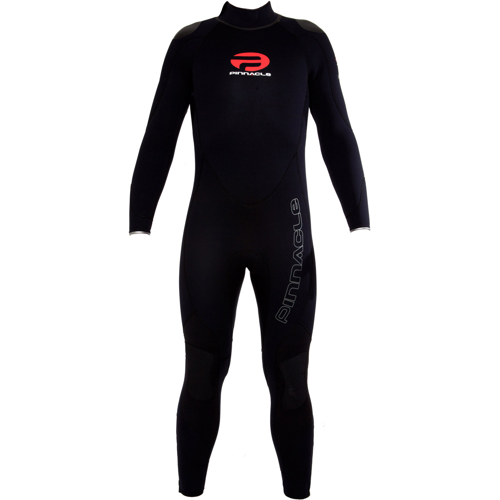
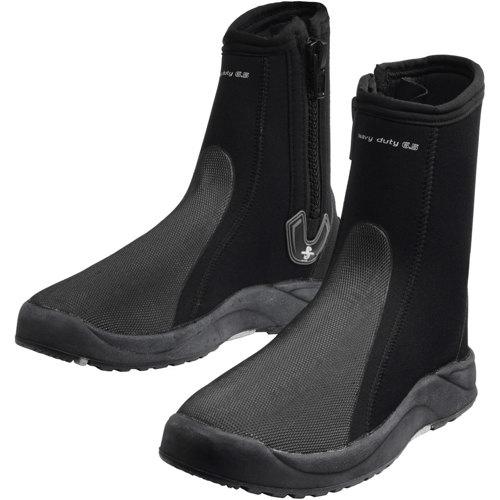
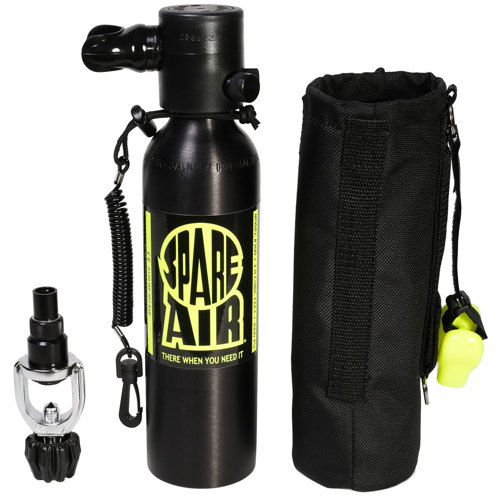
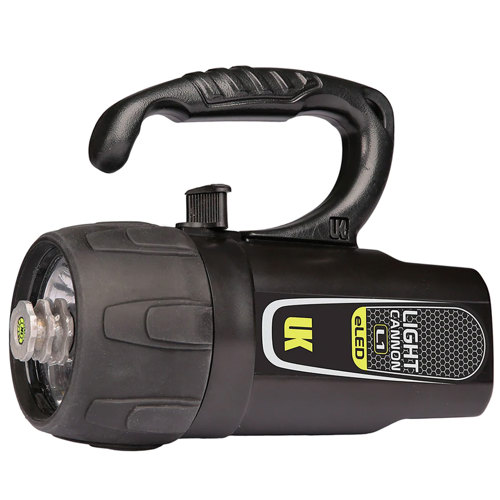
For divers who crave adventure beneath the surface and seek to explore further, longer, and deeper, the right support for extended dives becomes essential. Extended range diving, whether for technical exploration, scientific research, or simply maximizing bottom time on a favorite wreck, demands careful consideration of both equipment and preparation. This is not just about staying underwater longer—it’s about doing so safely, comfortably, and with the confidence that every detail has been addressed. As February brings cooler waters and changing conditions in many regions, exposure protection becomes even more critical. Drysuits, paired with reliable undergarments and comfort features like P-valves, help maintain warmth and composure on long, cold dives, allowing you to focus on the beauty and challenge of the deep. Technical buoyancy compensators, often featuring robust backplate and harness systems, are designed to handle the negative buoyancy of multiple tanks and provide the stability needed for precise trim and control. Redundancy is paramount: carrying backup masks, lights, and air sources ensures that even minor issues don’t compromise a dive. Those who invest in extended dive support gear are often experienced enthusiasts, technical divers, instructors, and underwater photographers or videographers who need ample time to capture the perfect shot or collect data. However, this equipment also makes thoughtful gifts for ambitious divers preparing for advanced certifications, or for loved ones embarking on once-in-a-lifetime expeditions.
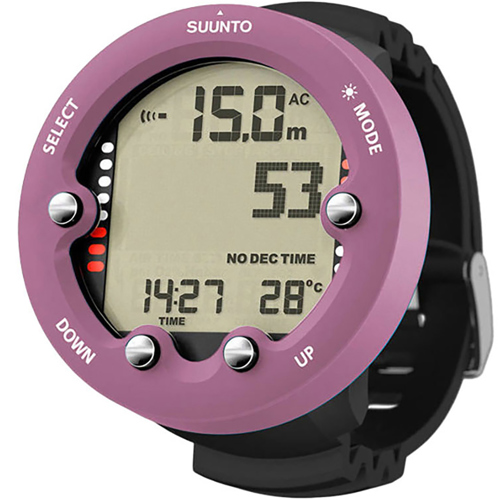
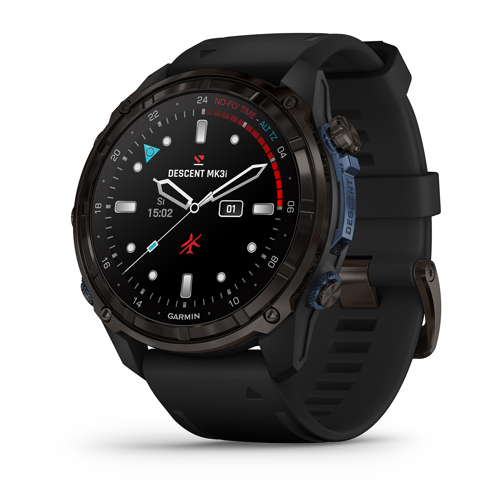
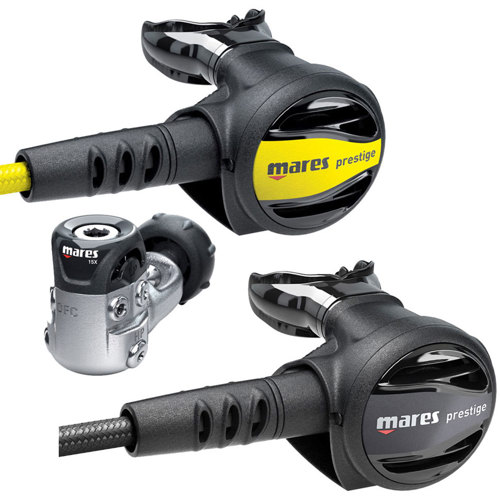
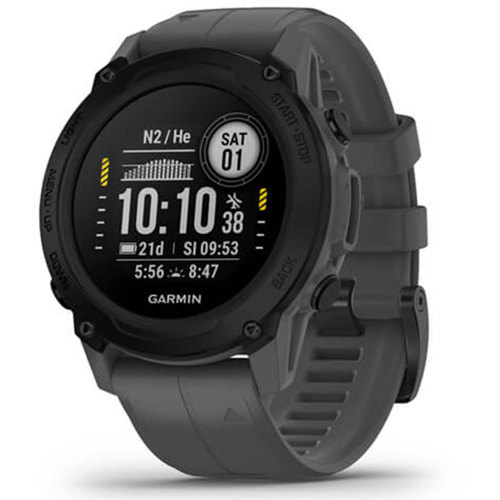
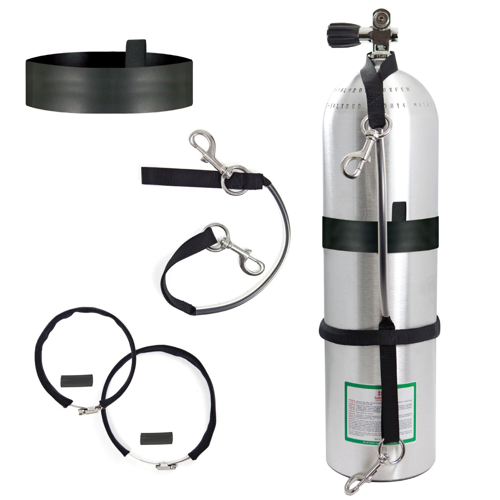
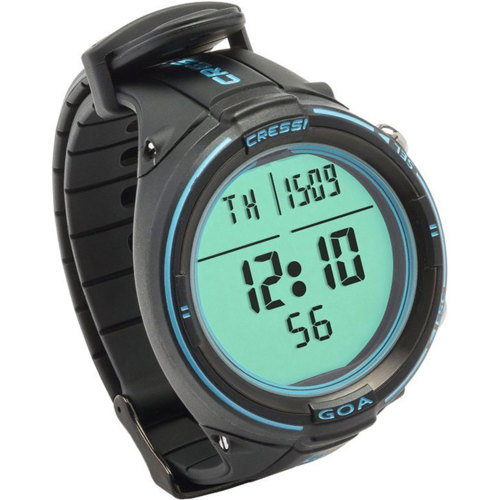
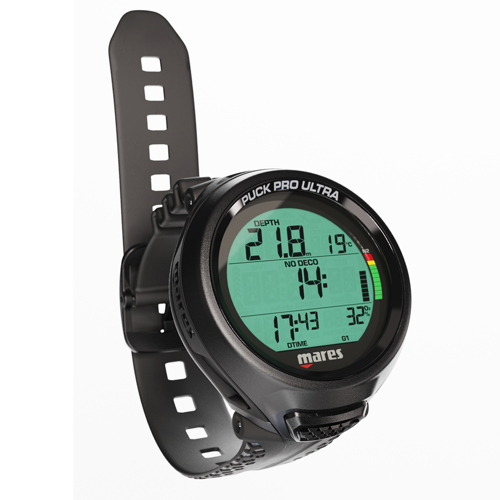
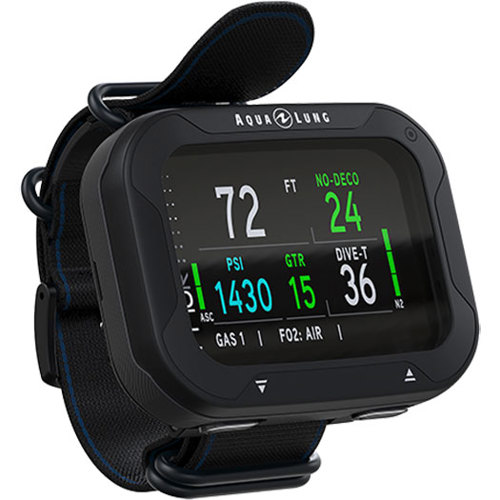
Gas management is at the heart of extended diving. Advanced divers rely on twin back-mounted cylinders, sidemount configurations, and dedicated decompression tanks to ensure ample breathing gas for the journey out, the return, and any unforeseen events. Mastery of the 1/3 rule, along with the use of enriched air nitrox or trimix, allows for longer no-decompression limits or accelerated decompression, depending on the dive plan. Multi-gas dive computers are indispensable, providing real-time tracking of gas switches, decompression obligations, and ascent profiles. These computers, often air-integrated and capable of supporting multiple mixes, become trusted companions on every technical dive. Surface support is equally vital: specialized dive vessels offer stable platforms and logistical assistance, while surface teams manage equipment, monitor dive progress, and stand ready to assist with emergencies. In commercial or expedition settings, portable decompression chambers and dive control vans provide additional layers of safety and monitoring, underscoring the complexity and seriousness of extended range diving. Whether you’re planning a multi-hour exploration of a deep reef or preparing for a technical course, investing in the right gear ensures you’re ready for the demands and rewards of these ambitious underwater adventures. For more resources and recommendations tailored to deep environments, explore our comprehensive guide at
Support For Deep Sea Diving.
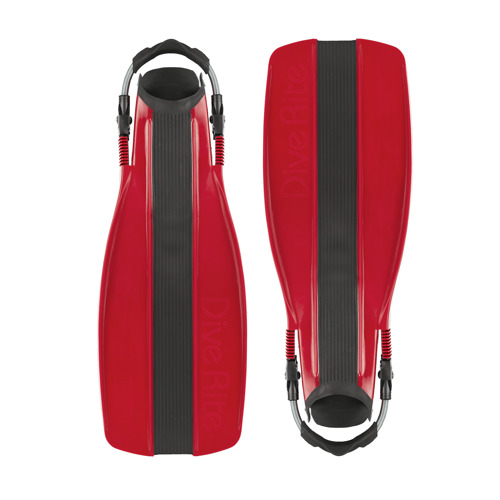
Ultimately, the pursuit of extended dives is about pushing boundaries—of time, depth, and personal capability. Experienced divers know that success comes from a blend of skill, fitness, and the right equipment. Physical and mental preparation—hydration, rest, and visualization—are as important as the hardware you bring. Efficient propulsion techniques, like the frog kick, minimize energy expenditure and air consumption, while proper weighting and streamlined trim reduce drag and effort. For recreational divers aiming to extend their dive times, incremental improvements in buoyancy control and relaxation can yield surprising results. Technical divers, on the other hand, rely on specialized training and equipment to manage the intricacies of gas switching, decompression, and emergency protocols. Whether you’re gifting a budding technical diver their first backup light or assembling your own kit for an ambitious dive season, every item in this category is selected to support longer, safer, and more fulfilling underwater experiences.