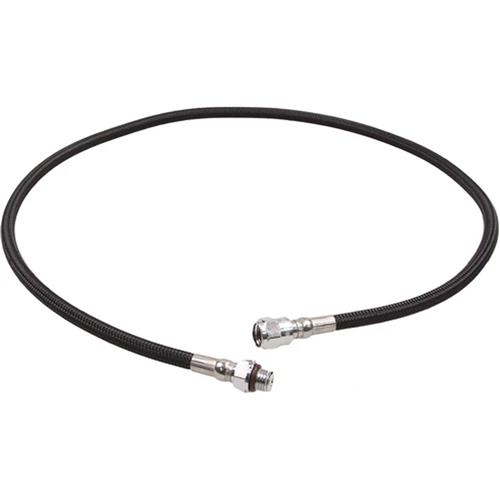
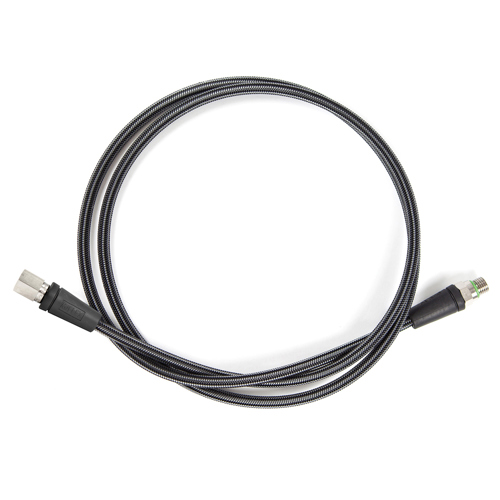
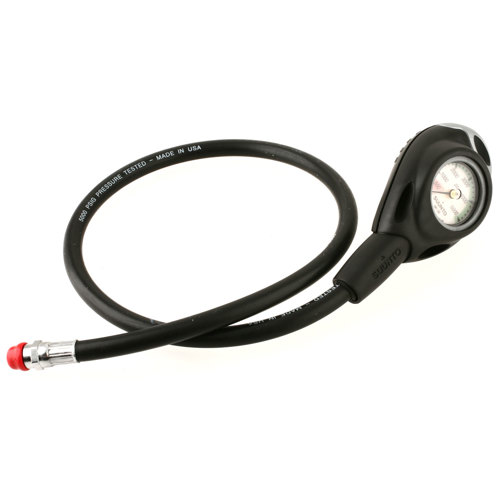
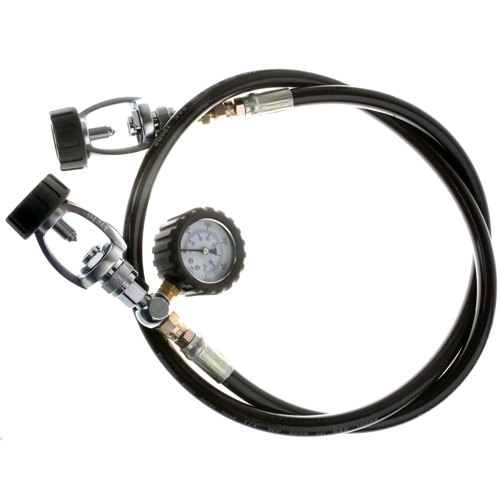
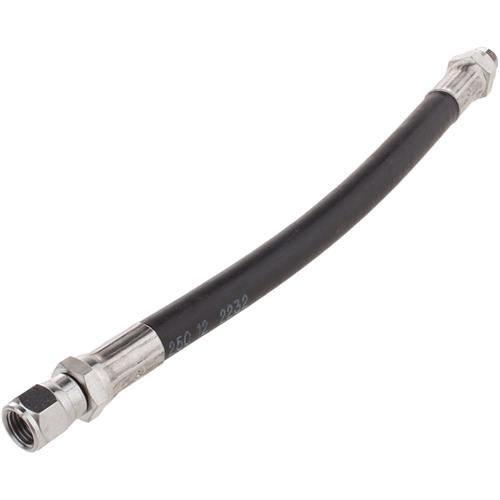
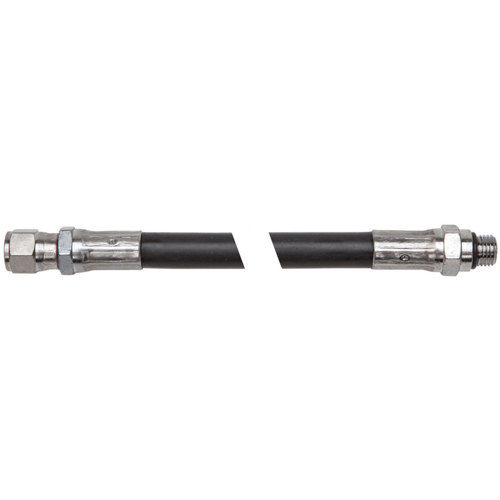
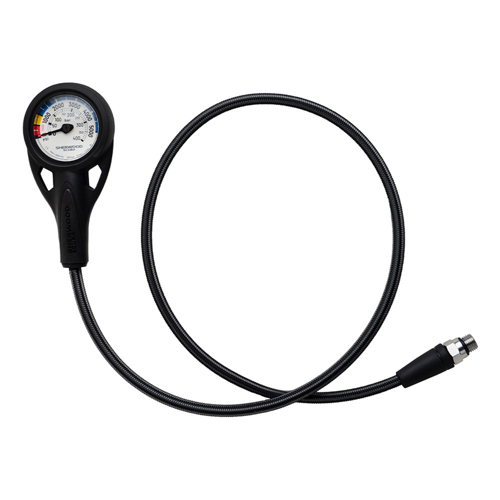
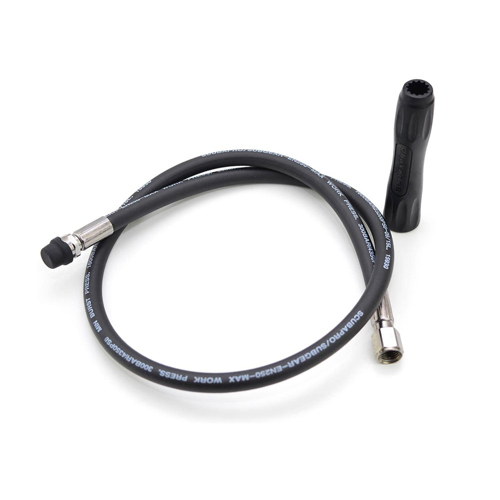
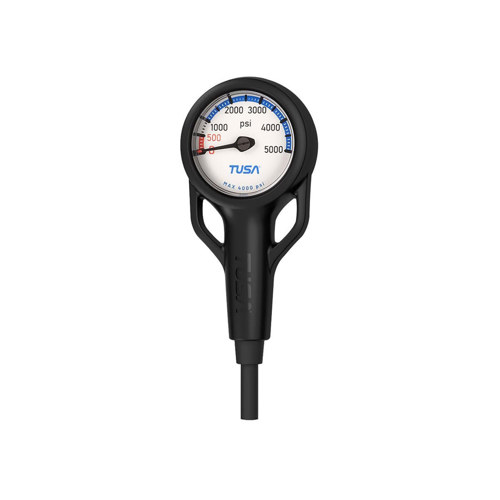
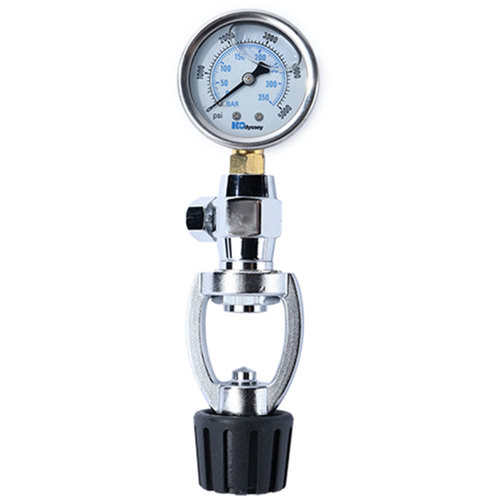
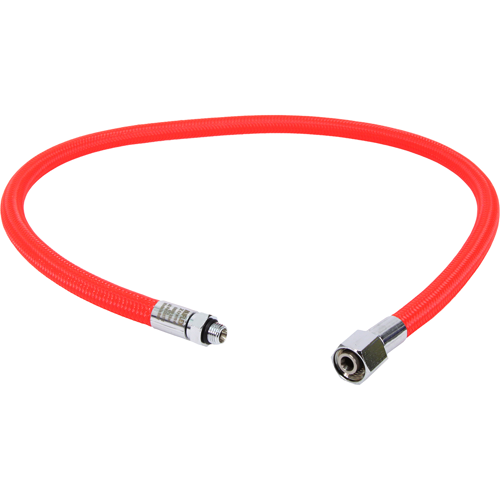
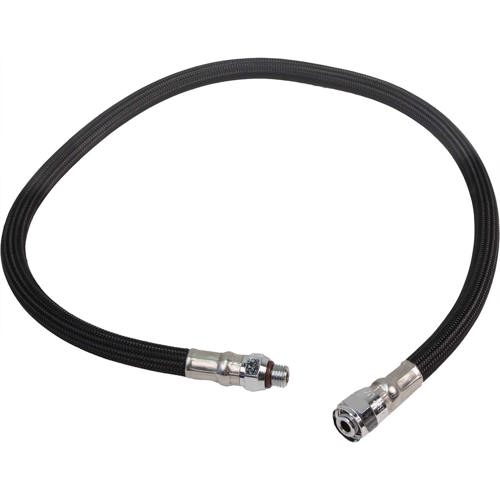
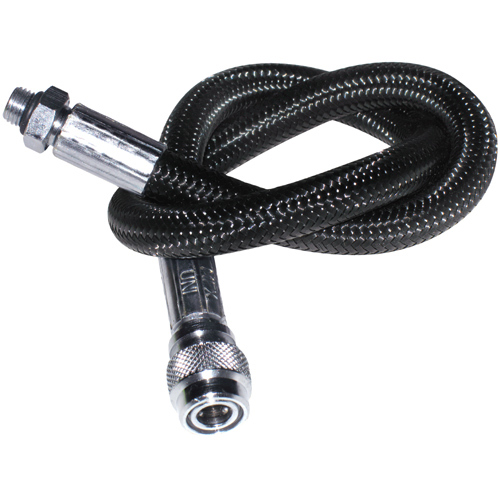
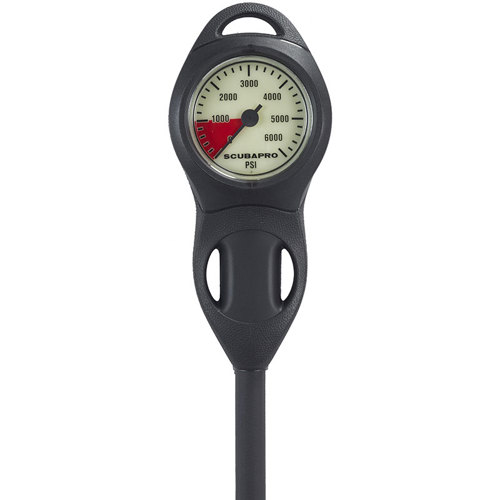
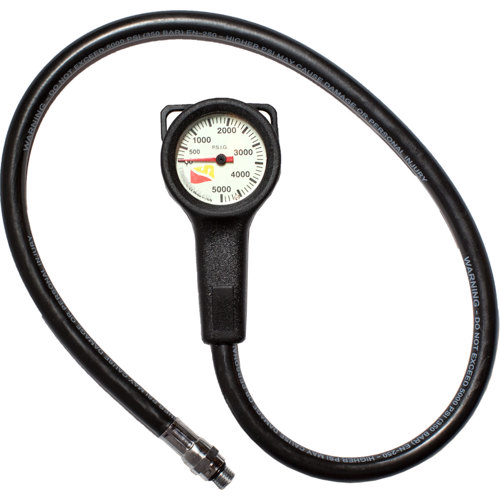
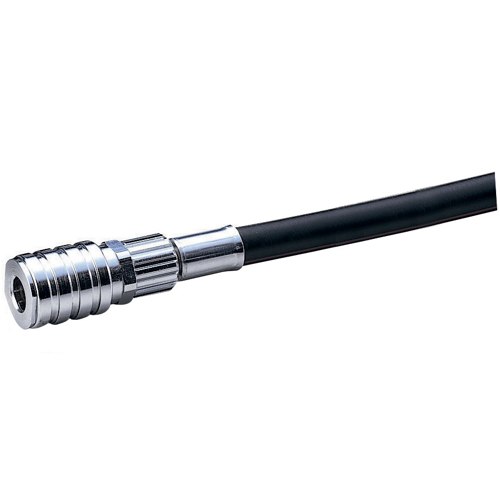
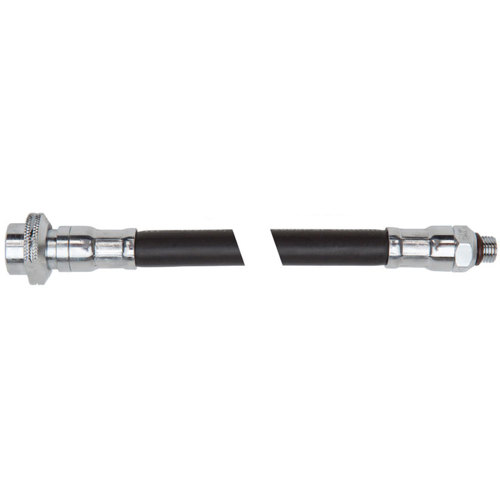
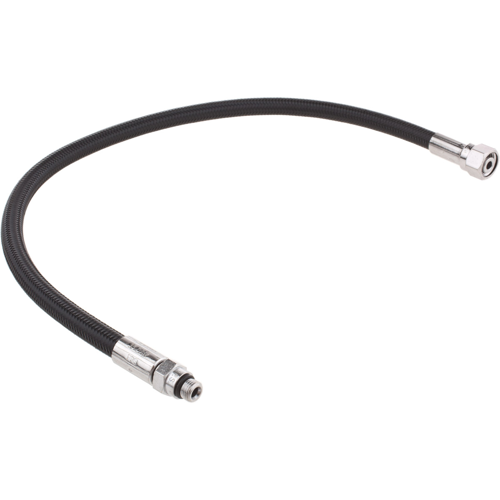
When it comes to assembling a reliable scuba diving setup, few components are as essential as the submersible pressure gauge and its accompanying hose. The pressure gauge hose is the critical link that transmits real-time tank pressure readings from your first stage regulator to your submersible pressure gauge, allowing you to monitor your air supply with confidence during every dive. Whether you’re gearing up for summer adventures on tropical reefs, exploring the kelp forests off the coast, or planning technical dives in deeper or colder waters, the right hoses for pressure gauges can make a world of difference in both safety and comfort. Selecting the ideal pressure gauge hose involves a thoughtful balance of durability, flexibility, and compatibility. Traditional rubber hoses remain popular for their classic flexibility and ease of handling, especially when maneuvering through tight spaces or adjusting gear underwater. In recent years, double-braided hoses have become a top choice among divers seeking enhanced durability and abrasion resistance, particularly for those who log frequent dives or navigate rugged underwater environments. Both types are engineered to withstand the high pressures encountered in scuba cylinders, and most modern options are Nitrox ready and manufactured to the rigorous EN 250:2014 standard, ensuring peace of mind for every dive.
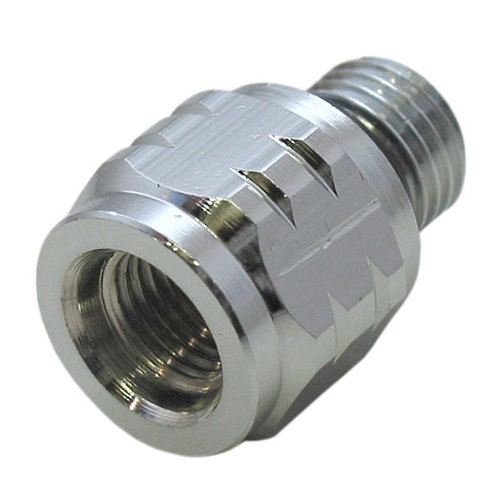
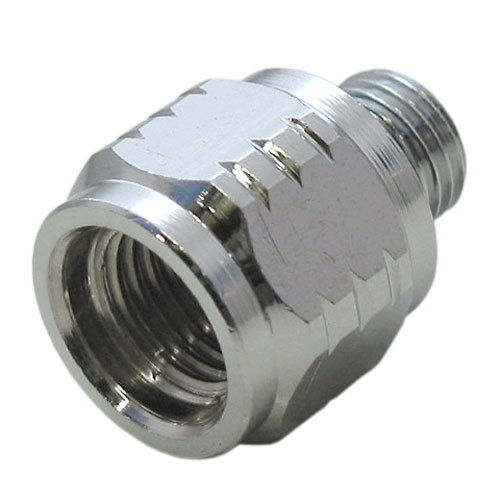
For divers who value streamlined gear configurations, hose length is a key consideration. A standard 32-inch pressure gauge hose is ideal for recreational diving, providing enough slack for easy gauge reading while minimizing entanglement risk. Technical divers or those with minimalist rigs often opt for shorter hoses, typically in the 24- to 26-inch range, to reduce drag and maintain a compact profile. The connection between the hose and the submersible pressure gauge is equally important; all high-pressure hoses require a small air spool with two #003 O-rings at the swivel end to prevent leaks and ensure smooth gauge movement. Regular inspection and timely replacement of these O-rings, particularly when swapping out hoses, is a simple yet vital step in maintaining a leak-free system. As summer approaches and dive season ramps up, it’s a smart time to check your gear for wear and tear, especially if your dives will take you to remote locations where replacements are hard to come by. A fresh pressure gauge hose also makes a thoughtful and practical gift for any diver, from new open water students to seasoned instructors, since it enhances both safety and enjoyment on every underwater excursion.
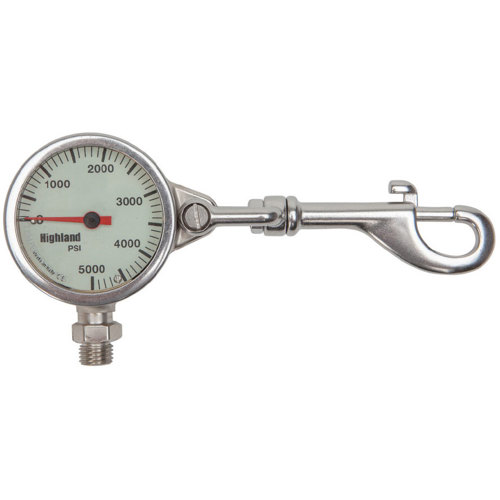
Submersible pressure gauge hoses are not just for the solo diver; they’re an indispensable part of every dive team’s safety protocol. Dive guides, instructors, and rescue divers all rely on accurate, easy-to-read submersible pressure gauge scuba setups to monitor both their own air supply and that of their dive buddies. The vivid, high-contrast markings on modern submersible pressure gauges are designed for quick glances, even in low visibility or challenging conditions, and a dependable hose ensures that information is always at your fingertips. For families or groups preparing for a summer getaway, upgrading everyone’s hoses for pressure gauges is a simple way to boost the reliability of your kit and help ensure a smooth, memorable experience for all. Don’t forget to coordinate your high-pressure hoses with other essential gear, such as
Scuba Low Pressure Hoses, to maintain optimal airflow and performance across your entire system. Whether you’re venturing into a drift dive in clear blue water or exploring a shipwreck encrusted with barnacles, the right submersible pressure gauge hose is a small investment that pays dividends in safety, convenience, and peace of mind, allowing you to focus on the wonders that await beneath the surface.