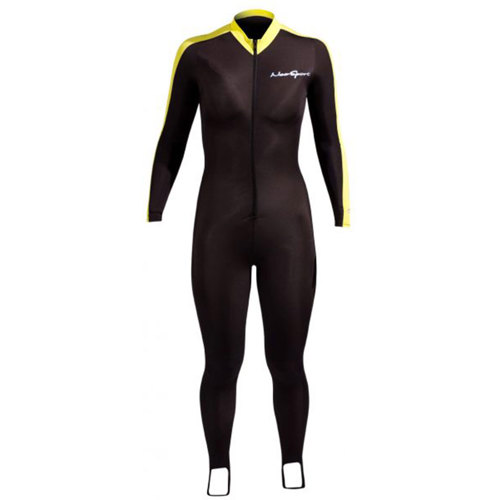
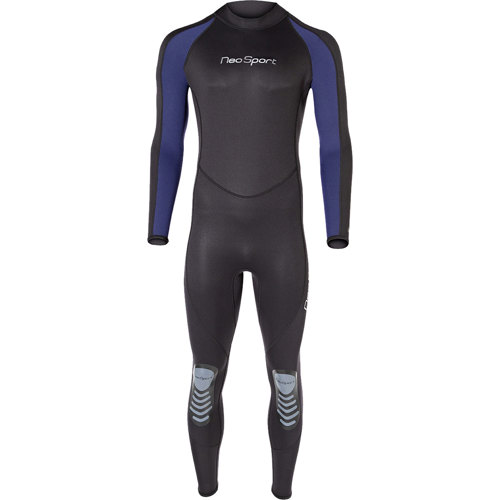
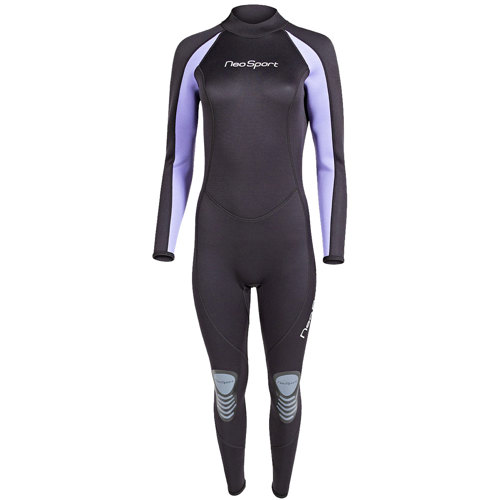
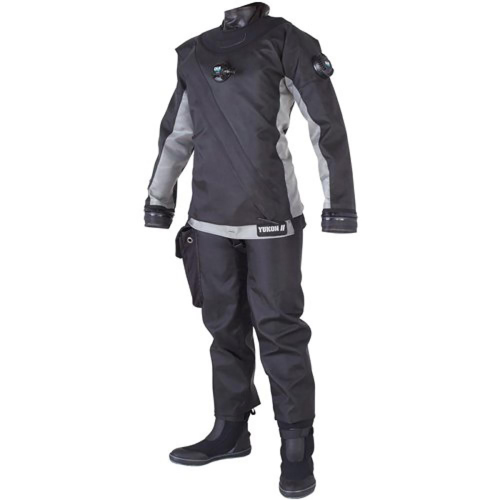
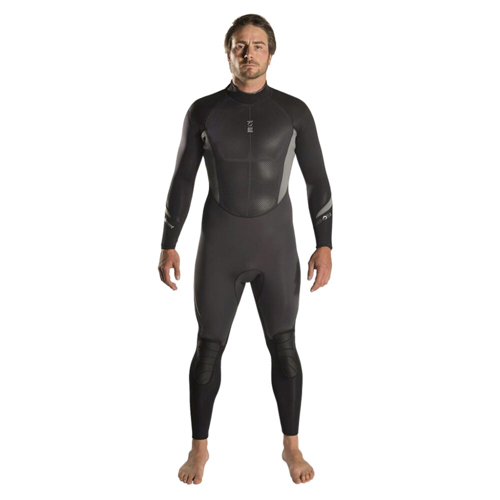
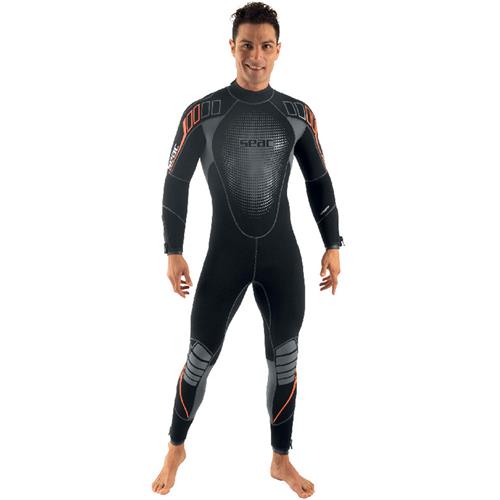
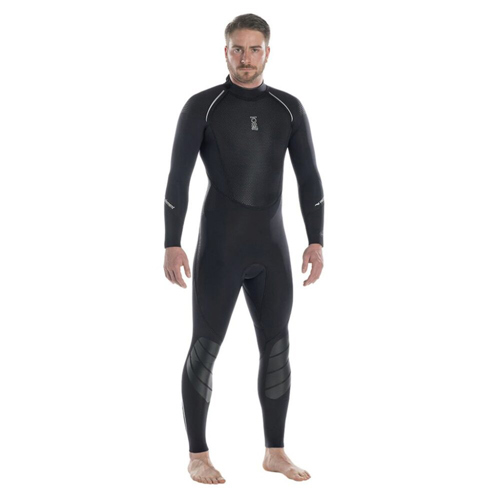
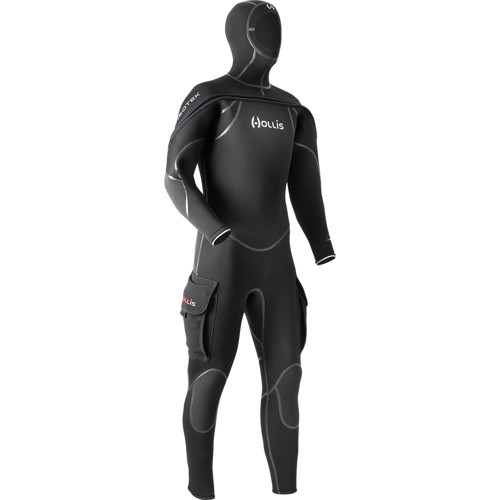
Self donning suits have established themselves as an essential piece of gear for divers, water rescue professionals, and anyone who needs to enter and exit a protective suit independently. These suits are engineered with thoughtful features that prioritize autonomy, safety, and comfort, making them a valuable asset for solo divers, instructors, and emergency responders alike. The hallmark of a self donning suit is its front-entry zipper—often placed diagonally or horizontally across the chest—which allows the wearer to seal the suit without assistance. This design is particularly beneficial when diving in remote locations or tackling unpredictable conditions, where help may not always be readily available. The suits typically incorporate a relaxed or “cave-cut” fit, providing extra room for maneuverability during entry and exit, which is especially appreciated when layering thermal undergarments for cold water dives. Internal suspenders are a common feature, holding the suit at the correct height during the donning process and keeping the experience hassle-free, even when gearing up on a rocking boat or a windy shore.
When considering a self donning suit, it’s important to think about the environment and the intended use. For divers exploring colder waters in late spring and early summer, a drysuit with self donning capability can make a world of difference, allowing for quick changes and effective thermal protection. These suits are often constructed from durable materials like compressed neoprene or advanced fabrics such as Gore-Tex, both of which offer a balance of flexibility, insulation, and abrasion resistance. Rescue professionals and mariners may opt for immersion suits that are designed for rapid deployment in emergencies, with some models allowing entry in under 45 seconds—a critical advantage when seconds count. Chemical protective suits, frequently used in industrial or hazardous environments, also leverage self donning technology for independent sealing and reliable barrier protection. Regardless of the application, proper zipper maintenance is vital; lubricating metal waterproof zippers with dry suit wax before each use helps maintain the integrity of the seal and prolongs the life of the suit. While self donning suits are designed for independence, it’s always essential to double-check that zippers and seals are fully closed before entering the water to ensure safety and comfort.
Self donning suits make thoughtful gifts for dedicated divers, adventure travelers, and outdoor enthusiasts who value self-sufficiency and preparedness. They are particularly appreciated by those who dive solo, teach classes, or spend extended periods on the water, where the ability to gear up alone is a practical necessity. The convenience and security offered by self donning suits can transform a day on the water, whether slipping into a suit on a brisk May morning before a deep dive or suiting up quickly during a rescue operation. For anyone new to these suits, learning the proper techniques for donning and doffing is crucial to avoid unnecessary wear and ensure a watertight seal every time. For detailed guidance and expert tips on mastering this process, visit our comprehensive resource on
Donning And Doffing Drysuits. With the right knowledge and the right suit, divers and water professionals can approach every adventure with confidence, knowing their gear is as ready as they are.