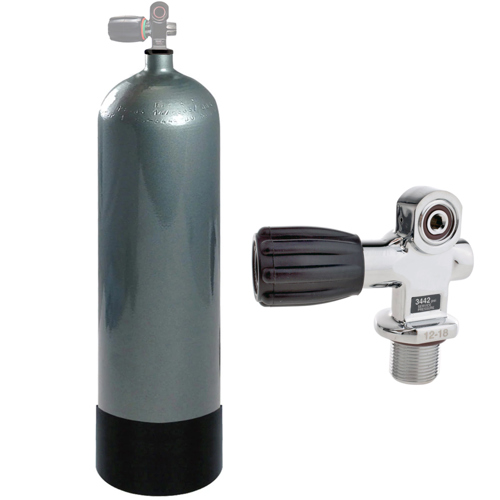
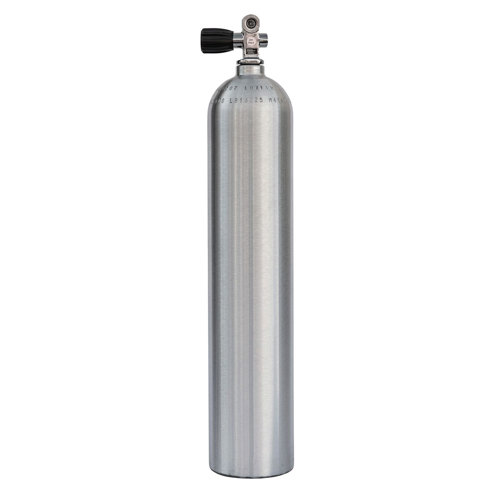
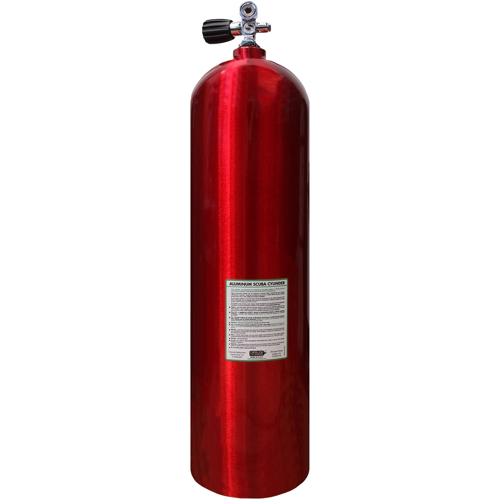
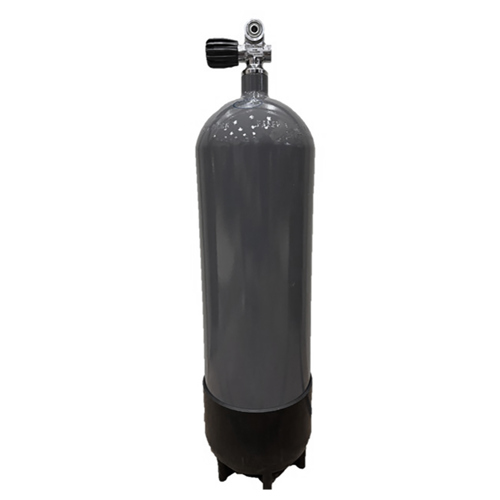
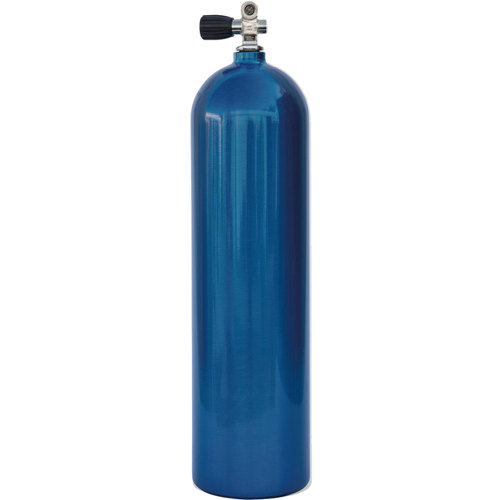
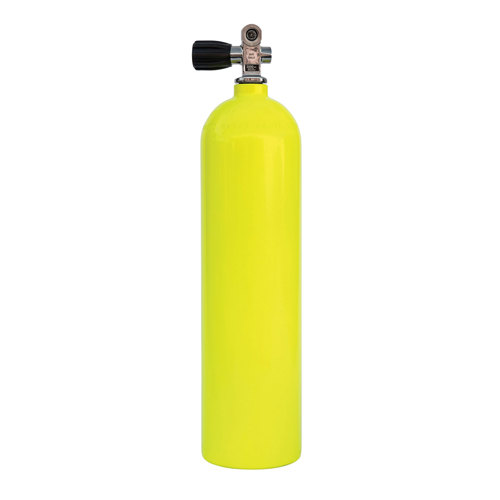
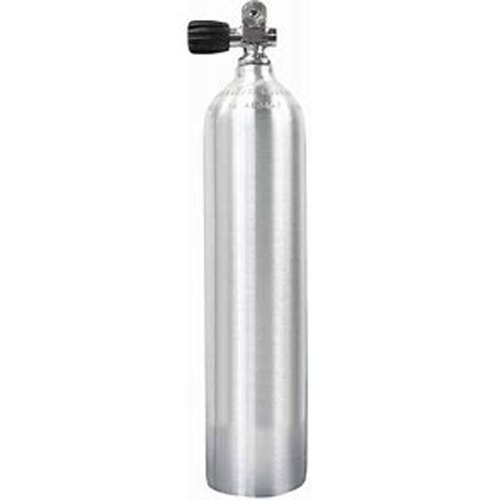
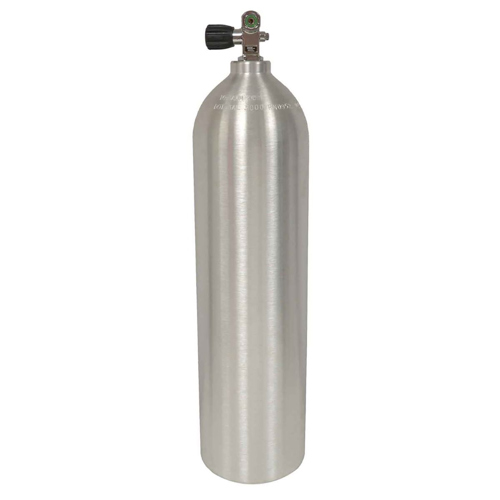
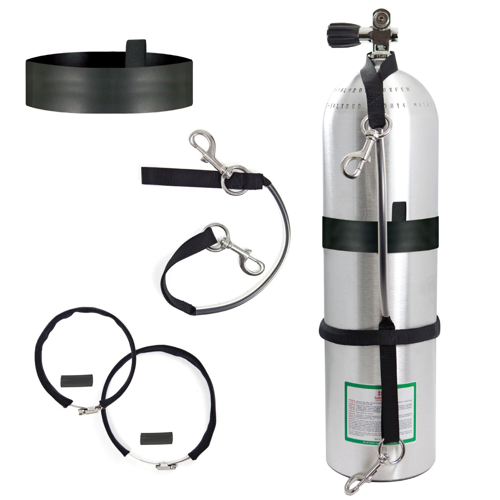
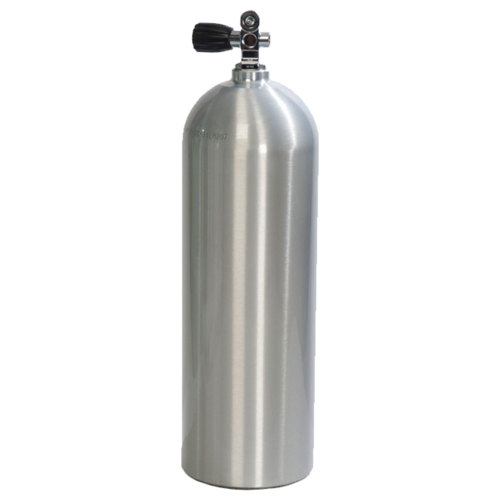
For advanced divers, the choice of scuba tank becomes a pivotal part of planning every dive, especially as you move beyond the basics into more demanding environments and complex profiles. The transition from standard aluminum 80s to larger capacity steel cylinders or specialized redundant setups is not simply about carrying more gas—it’s about tailoring your equipment to your evolving skills, dive objectives, and safety needs. Whether you’re gearing up for technical dives that require extended bottom times, deeper explorations, or intricate decompression stops, the right tank is your lifeline underwater. Steel tanks, favored for their superior buoyancy characteristics and higher working pressures, often become the go-to for experienced tank divers. The neutral or slightly negative buoyancy of steel means you can fine-tune your weighting, streamlining your profile and conserving energy as you glide along a vibrant reef or hover over a shipwreck’s shadowy deck. High-pressure options—often rated between 3000 and 3500 psi—provide the extra gas volume needed for longer or deeper dives, while larger capacities (100, 120, or even 133 cubic feet) open up new possibilities for extended exploration without constant concern for air consumption.
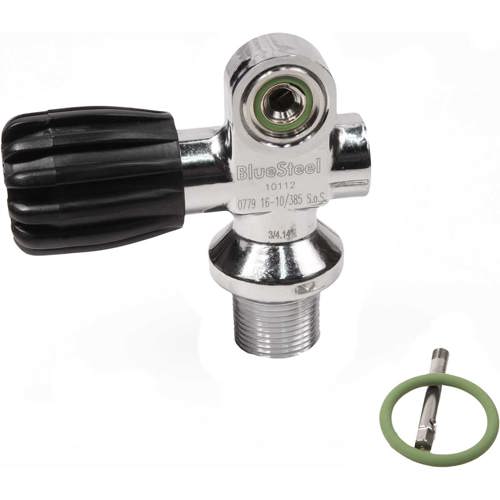
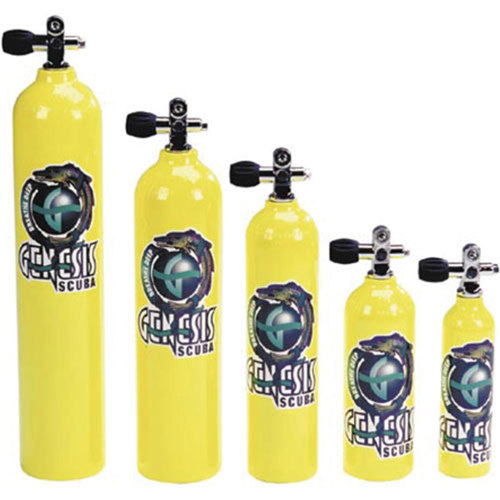
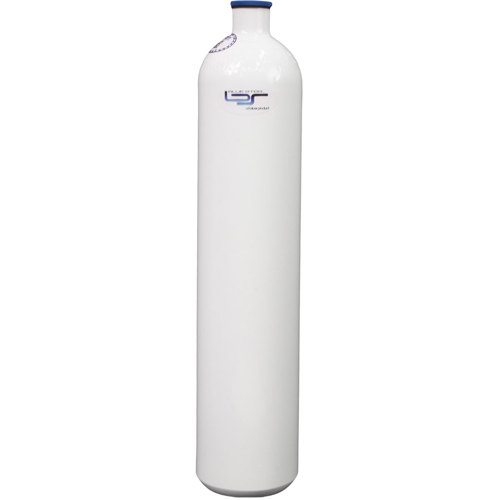
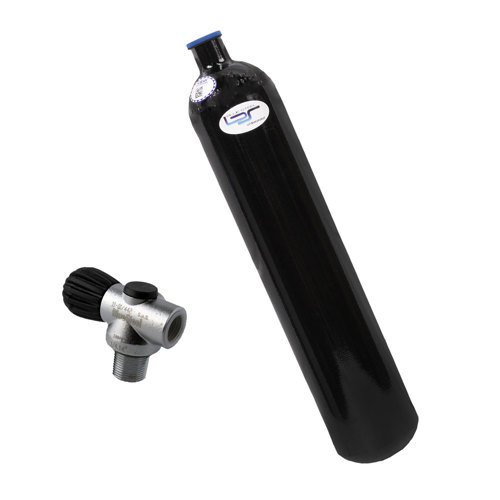
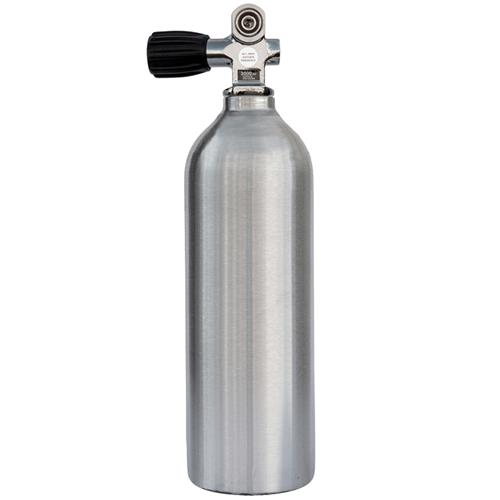
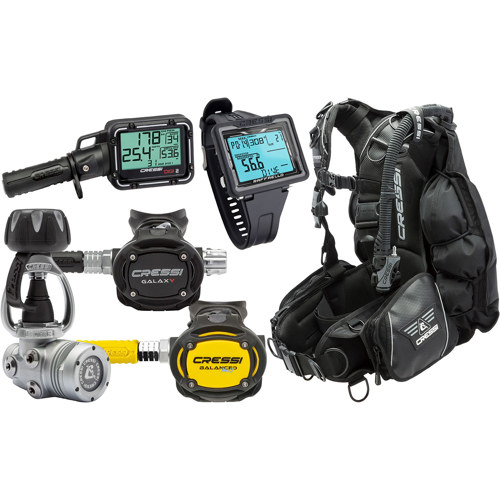
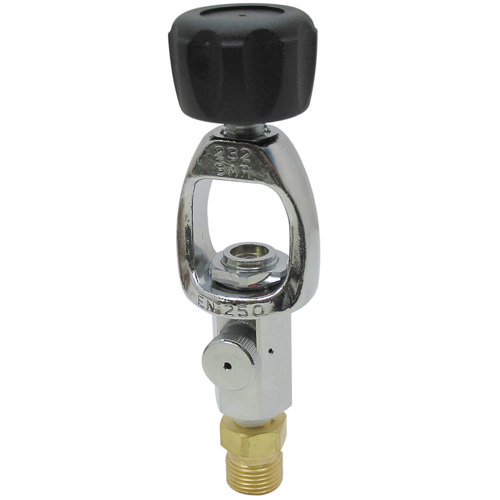
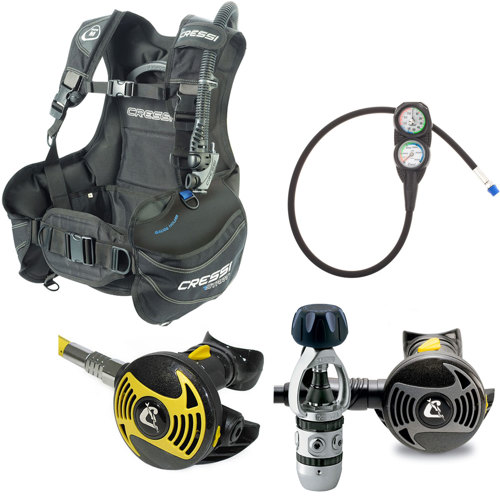
As winter gives way to early spring, many advanced divers begin preparing for upcoming dive trips to destinations where water temperatures are still brisk and conditions can be challenging. This is the season when the value of redundant systems—like pony bottles or stage tanks—becomes clear. These smaller cylinders, typically ranging from 19 to 40 cubic feet, are essential for carrying backup gas mixes or providing an emergency air source. They’re a staple for technical and cave divers, but increasingly, experienced recreational divers are incorporating them for added safety during deep or drift dives. The choice between yoke and DIN valves also becomes more relevant at this level, with many opting for DIN connections for their enhanced reliability under higher pressures and technical applications. Convertible valves and integrated options allow for flexibility, whether you’re switching between Nitrox blends or preparing for a mixed-gas dive weekend. For those who travel frequently or dive in a variety of locations, the ability to adapt your tank setup to local fill stations and gear requirements is invaluable. Tanks also make thoughtful gifts for experienced divers who are looking to expand their horizons, particularly when paired with other advanced gear like a new BCD or dive computer. If you’re considering a full equipment upgrade, you might also want to explore options for
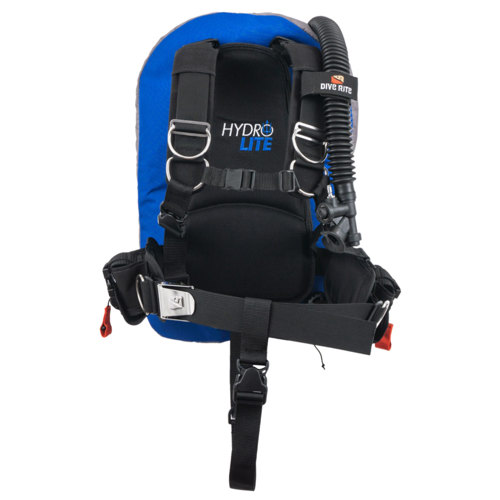
Scuba Bcds For Advanced Recreational Divers, which complement advanced tank setups with features designed for technical and multi-tank configurations.
The world of advanced diving is one of continual learning, adaptation, and adventure. Each tank tells a story—of deep wall dives off remote islands, silent descents into freshwater caverns, or the measured calm of a decompression stop as sunlight filters through the blue. The right tank setup not only enhances your safety but also expands the types of dives you can enjoy, from multi-level wreck explorations to intricate technical dives requiring multiple gas switches. For tank divers who thrive on pushing the boundaries, investing in the right cylinders—whether it’s a pair of steel twins for redundancy, a high-pressure single for long range, or a compact pony for peace of mind—means you’re always ready for the next underwater challenge. As you refine your gear and prepare for the season ahead, consider how your tank choices fit into your overall system, and remember that every detail, from valve type to buoyancy characteristics, contributes to a safer and more rewarding dive experience.