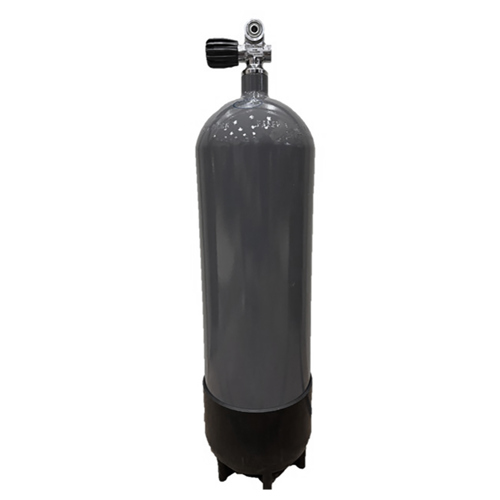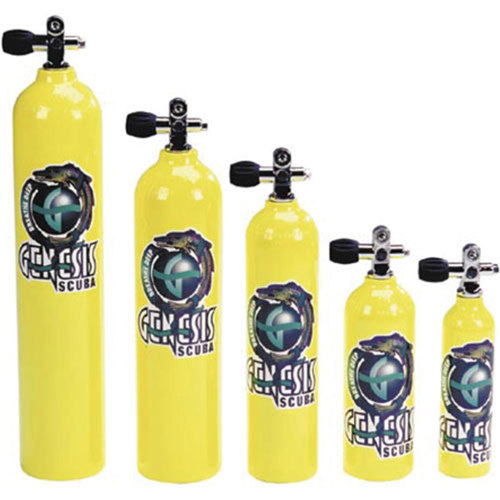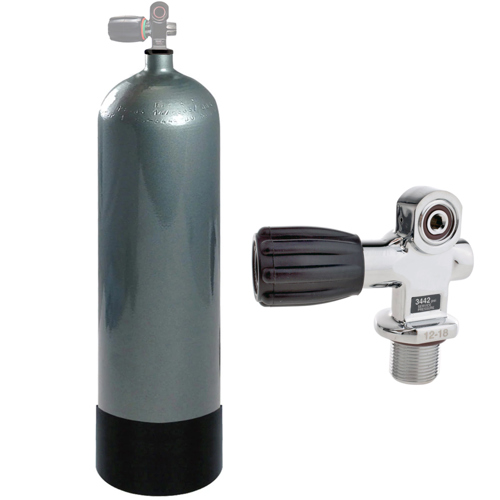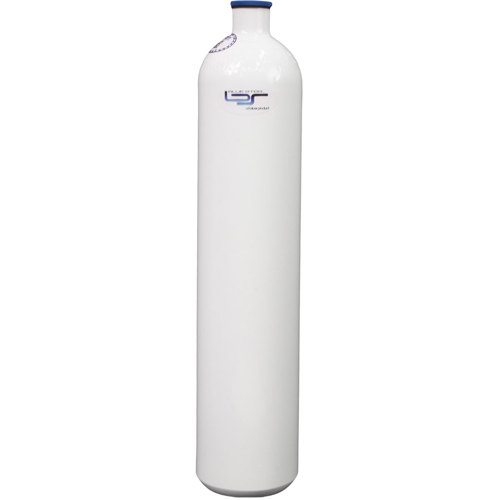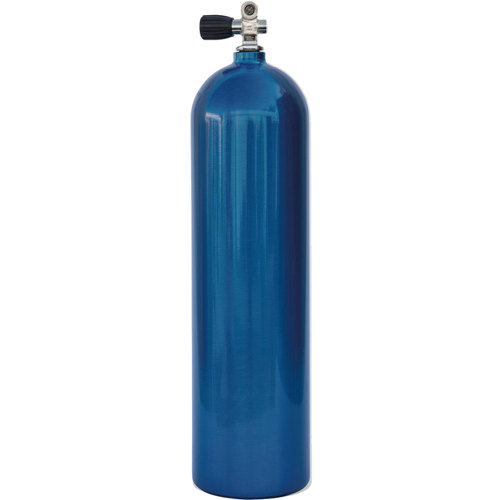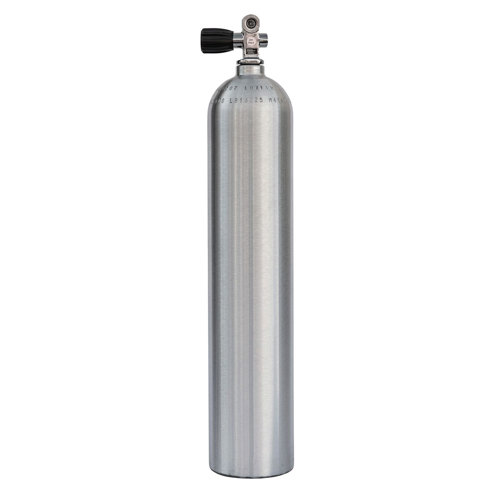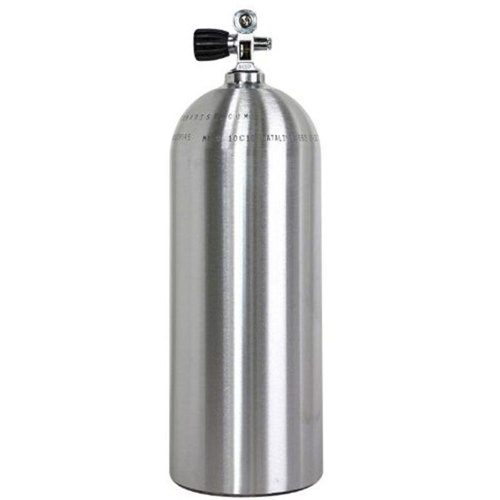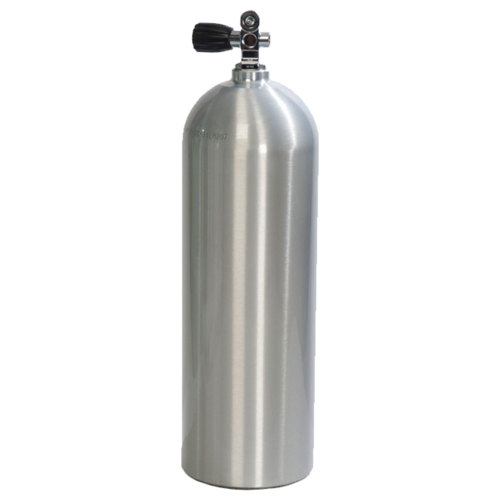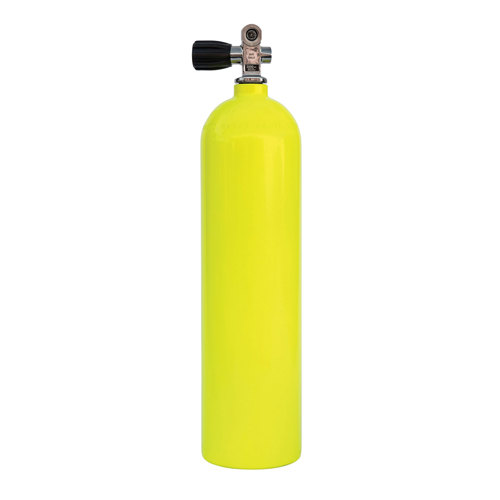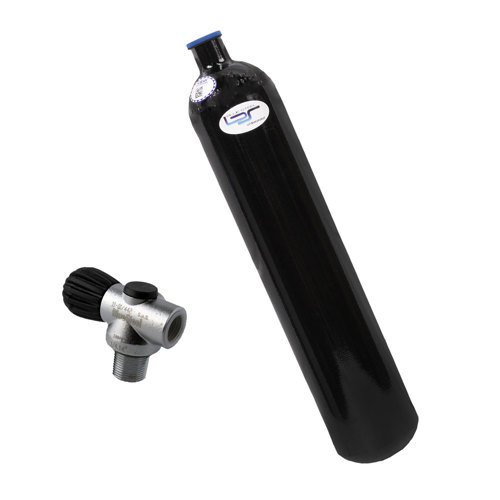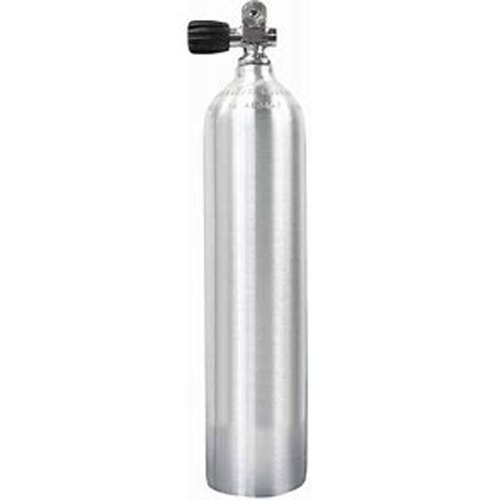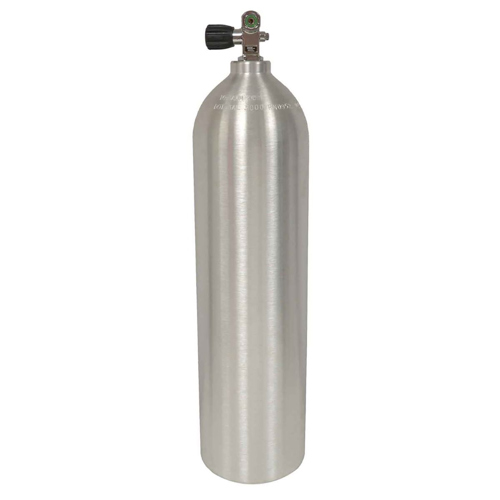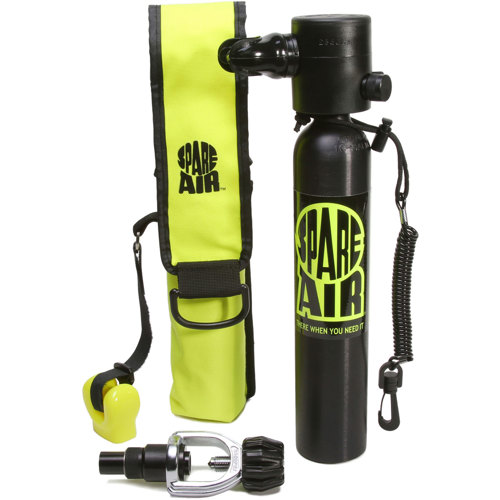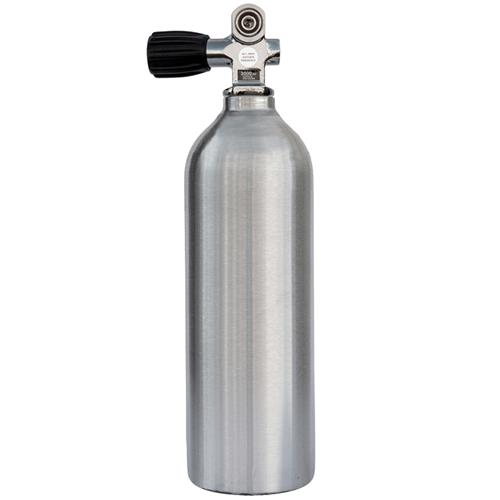
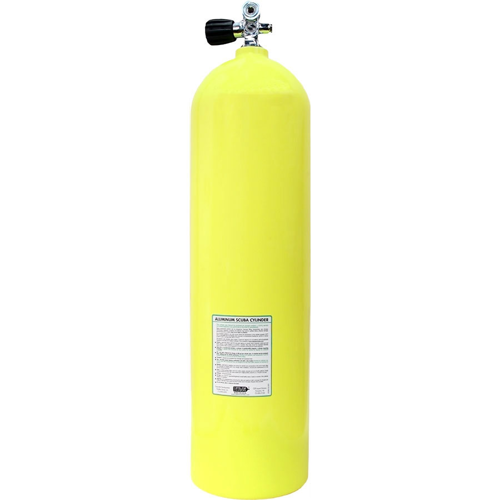
When it comes to safety and preparedness beneath the waves, reserve tanks are a crucial addition to any diver’s gear setup. Often referred to as pony bottles or mini tanks, these compact, independent air cylinders serve as a reliable backup in the event of a main air supply failure. The peace of mind they offer is invaluable, especially when exploring deeper reefs, intricate wrecks, or venturing into colder waters as the seasons change. As November brings cooler temperatures and shifting underwater conditions, experienced divers know that redundancy in air supply can become even more important. Reserve tanks are designed to be easily carried, typically attached to your BCD, and can be deployed quickly if needed. While their air capacity is limited—usually providing just a few minutes of breathing time—they are engineered for those critical moments when a safe, controlled ascent is necessary. This feature is particularly beneficial for divers who frequent sites with complex topography or overhead environments, where a direct ascent might not be immediately possible.
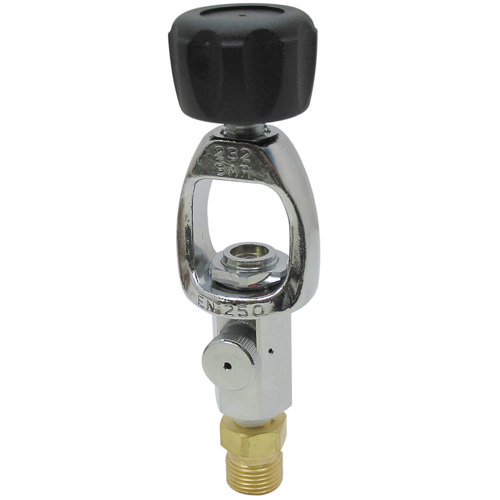
Selecting the right scuba reserve tank involves several considerations, tailored to both your diving style and safety requirements. Divers who often push their bottom times or venture into remote locations appreciate the added security of a backup air source. Instructors, dive professionals, and those guiding groups may also find reserve tanks indispensable, as they provide an extra layer of safety for themselves and their students. For recreational divers, especially those who have just achieved their open water certification, a reserve tank can be a thoughtful and practical gift—one that demonstrates care for their well-being as they build confidence underwater. When choosing a reserve tank, factors like size, weight, and ease of attachment should be considered alongside fill methods. Many reserve tanks can be filled using adapters from a standard scuba tank, while others may require a dedicated compressor. Some divers look for a bernzomatic oxygen tank alternative, but it’s essential to ensure any tank meets scuba safety standards and is filled by a certified technician. The usability of these tanks is generally best in shallower depths, as increased pressure at depth drastically reduces the available breathing time. Filling a reserve tank with a hand pump is possible but often impractical, as reaching the necessary pressure can be a lengthy process. Always check with your local dive center for regulations, as some locations require proof of certification before filling any scuba tank.
Reserve tanks are not only for emergencies; they can also be used for short, shallow dives or as a backup during surface intervals on multi-dive days. The versatility of these mini tanks makes them a popular choice for photographers, spearfishers, and marine researchers who may find themselves needing a few extra breaths while working just below the surface. As you browse through the selection of reserve tanks, consider how this piece of equipment could enhance your own diving experience or serve as a meaningful gift for the diver in your life. For those seeking even greater air capacity or planning technical dives, exploring options like
Scuba Double Tanks may be worthwhile. Whether you’re preparing for a winter dive trip or simply looking to add another layer of safety to your kit, a well-chosen scuba reserve tank can make all the difference in ensuring every dive ends as safely as it began.