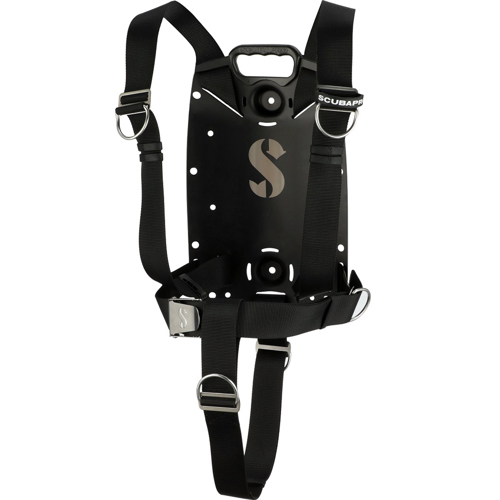
Scuba Shoulder Construction
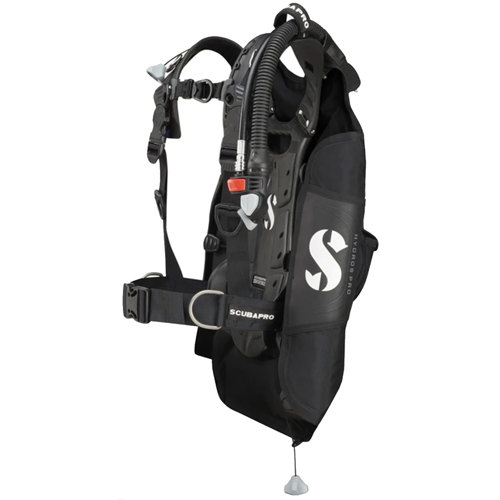
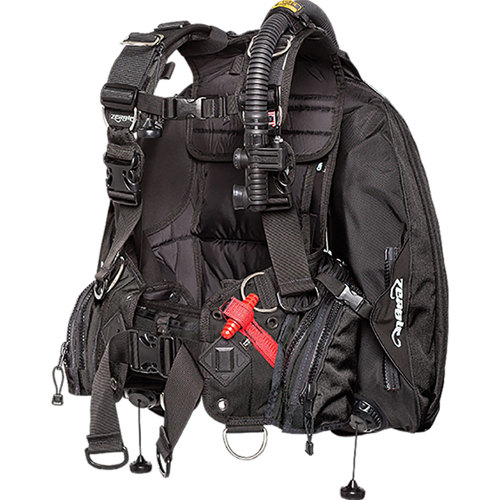
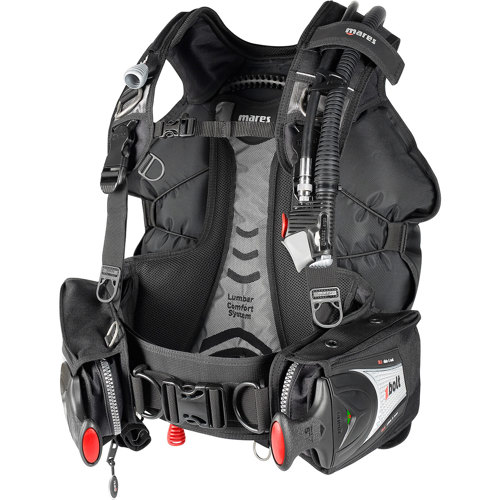
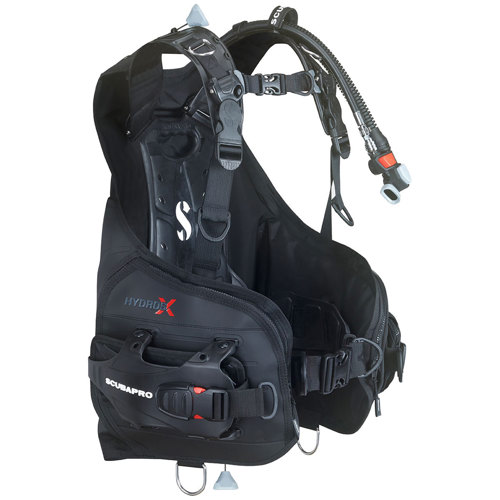
A diver’s comfort and safety underwater often hinge on the details of their gear, and shoulder construction is a prime example of where thoughtful design meets practical necessity. Whether prepping for your next tropical getaway or gearing up for cold-water adventures this winter, understanding the nuances of scuba shoulder construction can make all the difference in your diving experience. Traditional jacket-style buoyancy compensator devices (BCDs) and modular backplate and wing (BP/W) systems each offer their own approach to shoulder support, fit, and gear attachment. In jacket-style BCDs, the shoulders are typically integrated into a vest-like design that wraps around the back and torso, using padded, ergonomic materials to cushion the load and distribute weight evenly. Many divers appreciate the simplicity and comfort of these systems, especially when donning gear on a chilly December morning, as quick-release buckles and pre-assembled straps make getting in and out of your kit a breeze—even with thick gloves or a drysuit. The materials used, such as injection-molded thermoplastics and durable nylons, are chosen for their resilience and ability to conform to the diver’s body, ensuring a snug, secure fit that minimizes chafing and fatigue during long surface swims or repetitive dives.
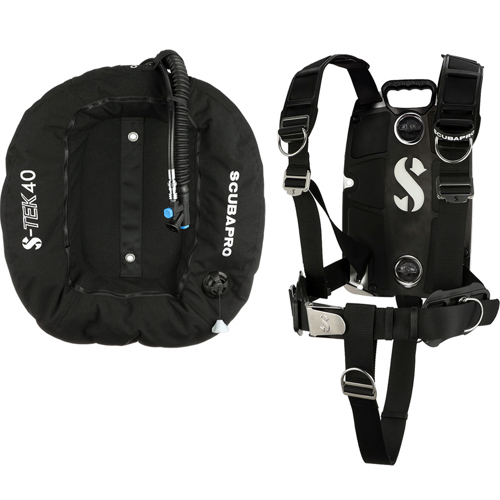
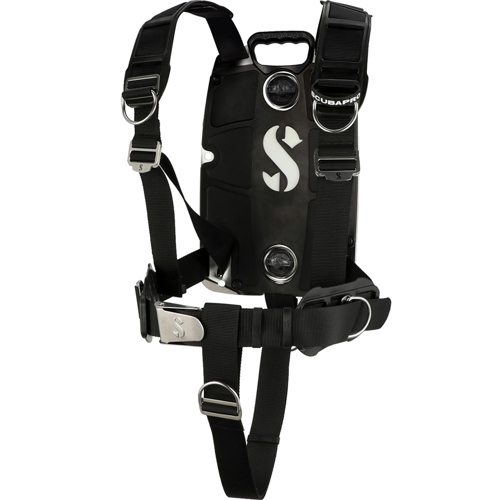
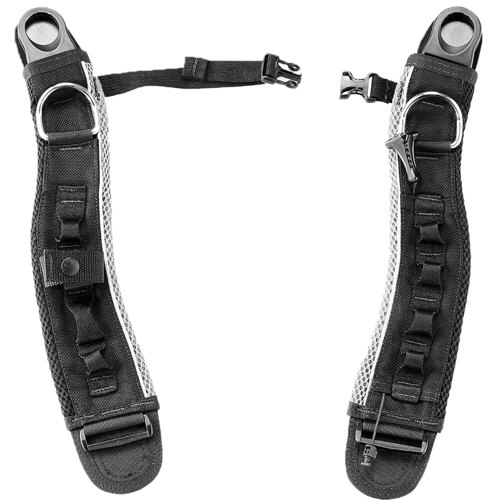
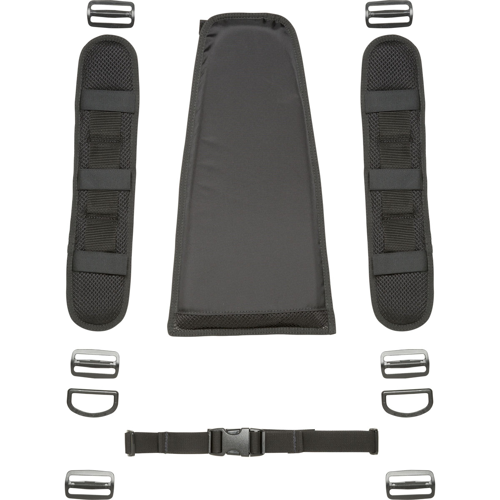
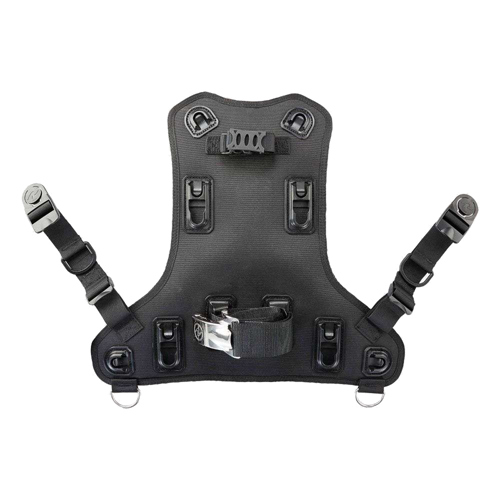
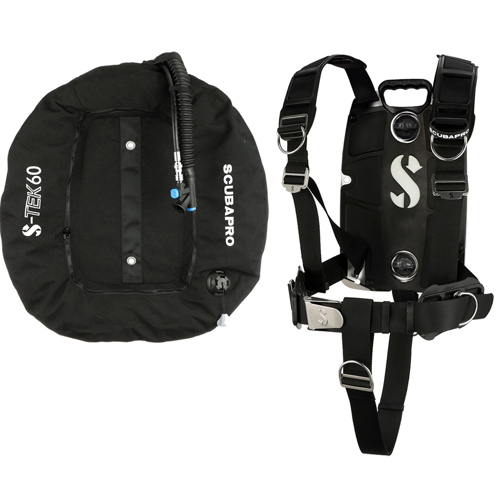
On the other hand, the modular BP/W system is a favorite among experienced divers who value customization and a streamlined profile. These setups use a single, continuous length of tough 2-inch nylon webbing threaded through a rigid backplate, often crafted from marine-grade stainless steel or lightweight aluminum. The harness is adjusted and assembled by the user, allowing for a truly personalized fit that can be fine-tuned for different exposure suits or layering needs as the seasons change. For those who spend their holidays exploring new dive sites or traveling to remote locations, the ability to break down and reconfigure your harness means you can adapt your kit for any environment. Hardware like angled D-rings and sliders (weight keepers) are strategically placed for easy access to gauges, lights, and other accessories, while optional neoprene or nylon shoulder pads add an extra layer of comfort—especially when hauling heavy cylinders or additional gear for technical dives. This level of modularity is ideal for divers who want to upgrade components over time or replace worn parts without investing in a whole new system. The robust construction and corrosion resistance of stainless steel hardware also ensure that your setup will stand up to years of saltwater adventures, making it a practical investment for serious enthusiasts.
Scuba shoulder construction isn’t just about comfort; it’s about enhancing your connection to your gear and the underwater world. For new divers, a well-designed shoulder system can boost confidence and make learning the ropes less intimidating. For seasoned explorers, the right fit translates to less strain and more energy for enjoying the dive. If you’re shopping for a holiday gift, items related to shoulder construction—like harness pads, replacement webbing, or accessory D-rings—are thoughtful choices for anyone who spends time beneath the surface. They’re practical, easy to personalize, and show an understanding of the recipient’s passion. As the year draws to a close and divers prepare for winter excursions or dream of next season’s adventures, now is the perfect time to evaluate the details that make every dive safer and more enjoyable. Explore more about the latest in shoulder strap technology and find the right fit for your needs by visiting our dedicated page on
Scuba Diving Shoulder Straps, where you’ll discover a range of options designed to suit every style and level of experience.