Scuba Plugs
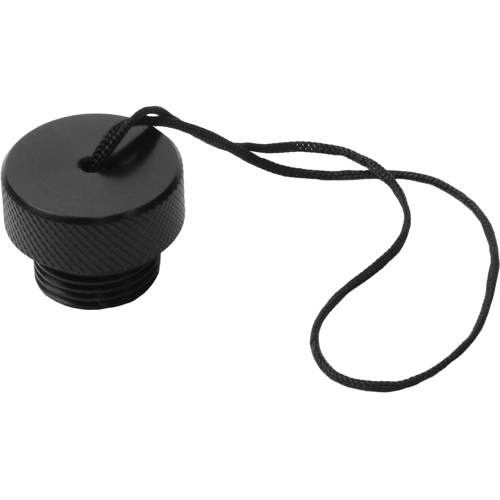
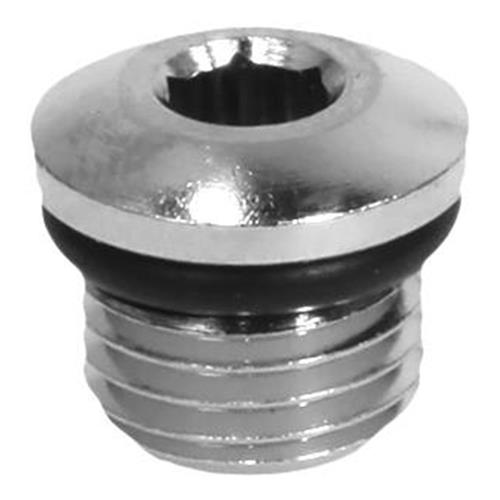
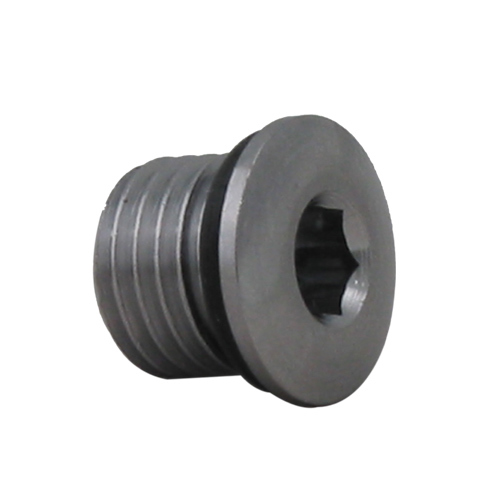
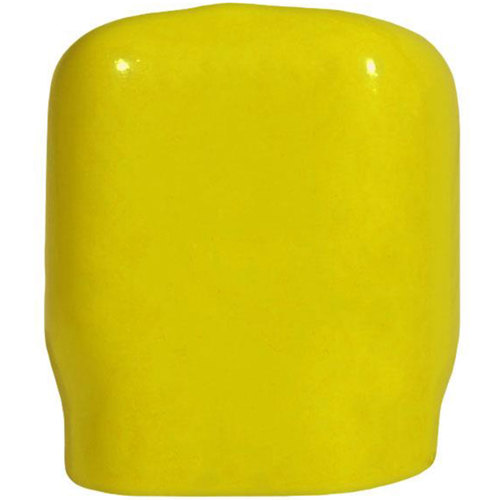
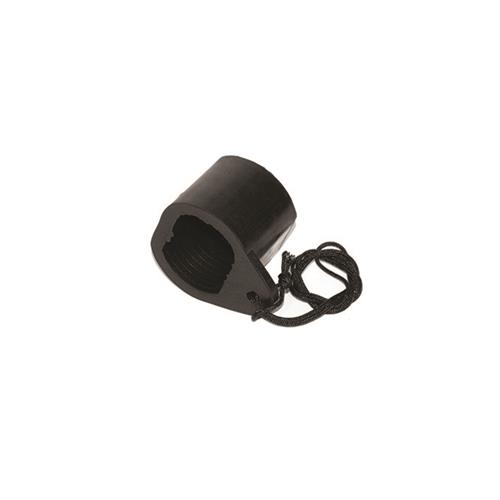
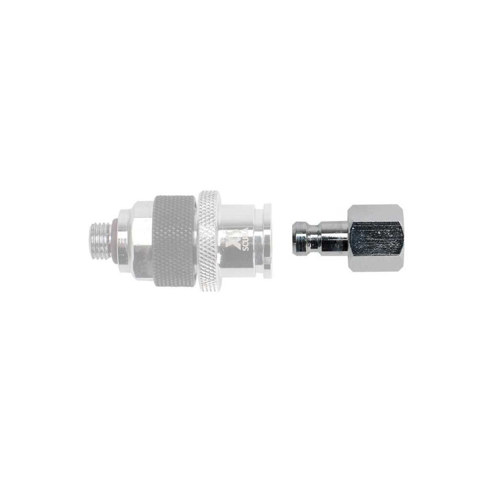
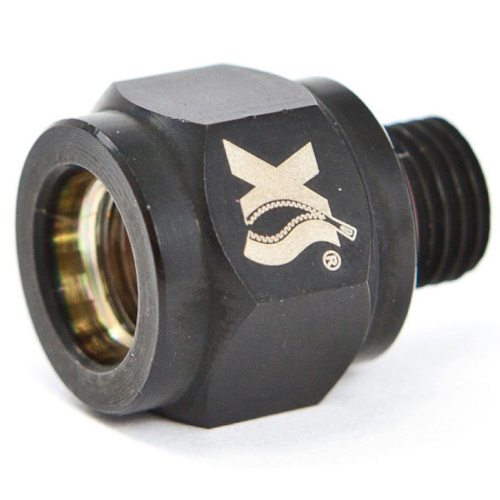
Whether you’re an experienced diver prepping for a summer of underwater adventures or a newcomer eager to explore the world beneath the surface, having the right scuba plugs can make a significant difference in both your comfort and your gear’s longevity. Scuba plugs serve two essential purposes in the diving community: protecting delicate equipment and safeguarding your own ears. Equipment plugs, such as DIN plugs, are designed to fit snugly into your tank’s valve when your regulator isn’t attached, keeping out dust, moisture, and debris that can cause corrosion or damage over time. This simple addition to your gear bag can extend the life of your tank valves and regulators, especially if you’re traveling to coastal locations where sand and saltwater are ever-present. Stainless steel options offer durability and corrosion resistance—an important consideration for anyone who dives in saltwater environments or stores their gear for long stretches during cooler months. Many divers find it reassuring to have a few spare diving plugs on hand, especially when packing up after a day in the water or prepping for a trip where clean, dry storage may be limited.
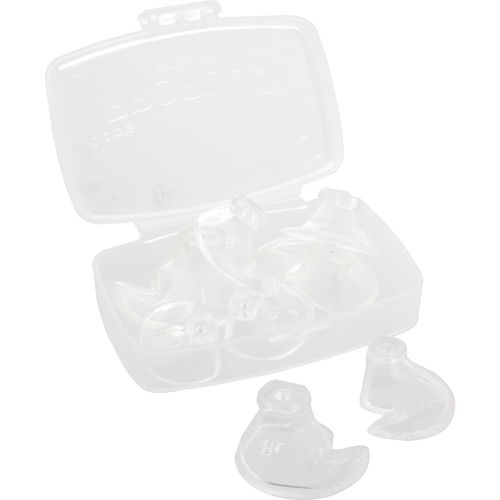
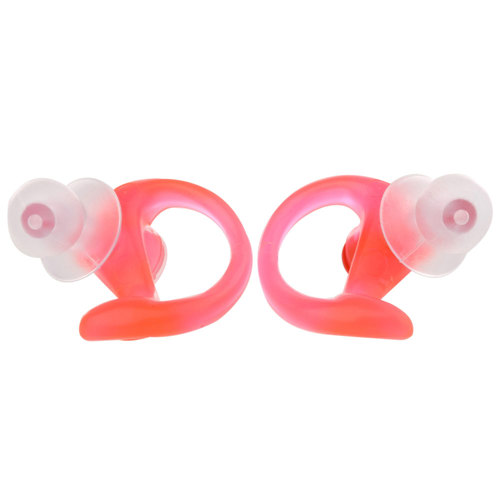
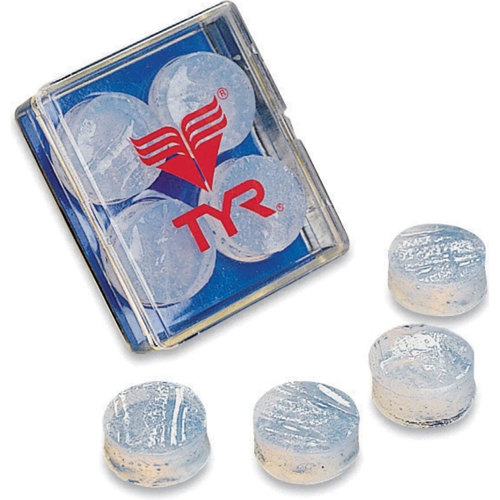
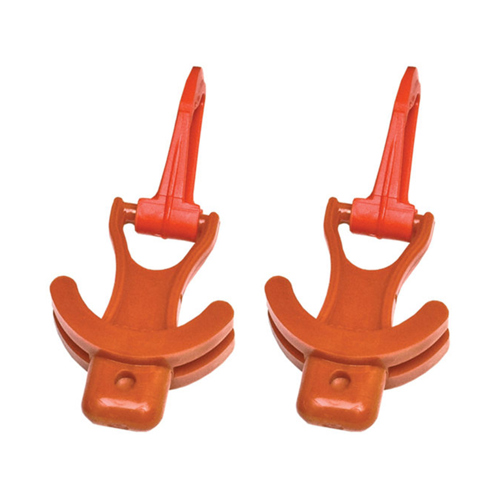
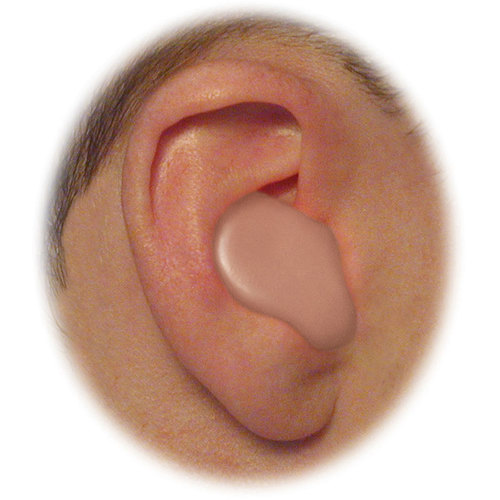
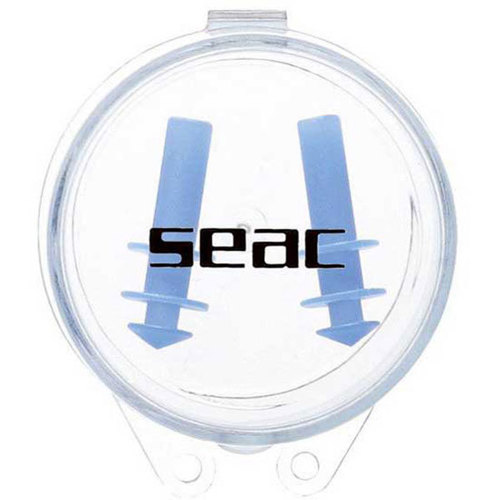
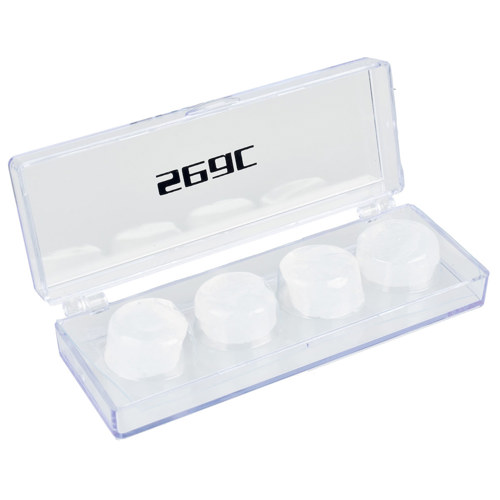
On the personal side, earplugs designed specifically for diving are a thoughtful addition for anyone who spends extended time underwater, whether you’re logging dives on a liveaboard trip, enjoying casual snorkeling sessions, or introducing a friend or family member to the sport. Unlike standard earplugs, vented diving plugs are engineered to allow for safe pressure equalization while keeping water, cold, and debris out of your ears. This can help prevent uncomfortable conditions like swimmer’s ear or barotrauma, which are common concerns for divers of all experience levels. The right fit is crucial—plugs should create a gentle seal without blocking the ear canal completely, and the vent must remain clear for safe equalization as you descend and ascend. Many divers who struggle with ear pain or frequent infections find that a well-chosen pair of vented earplugs becomes as indispensable as their mask and fins. Gifting a set of quality diving plugs to a dive buddy, a student, or even a family member who loves snorkeling can be a thoughtful gesture, especially as the weather warms and water activities become more frequent. For those who dive in cooler waters, these plugs also provide a bit of insulation, helping to keep ears warm and comfortable throughout longer dives.
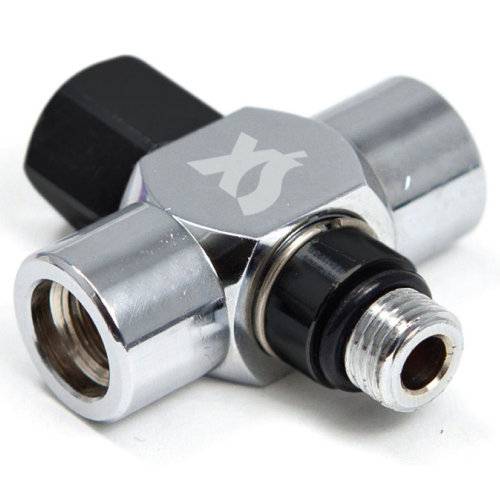
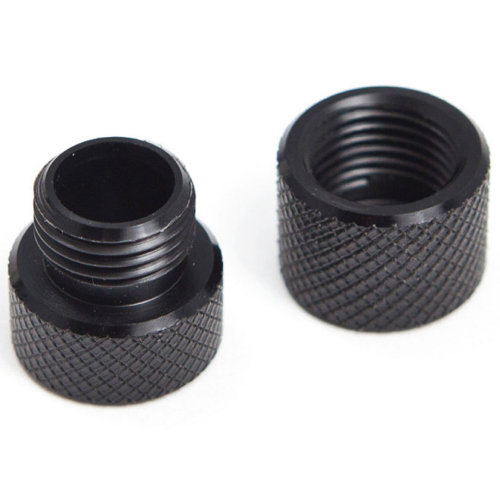
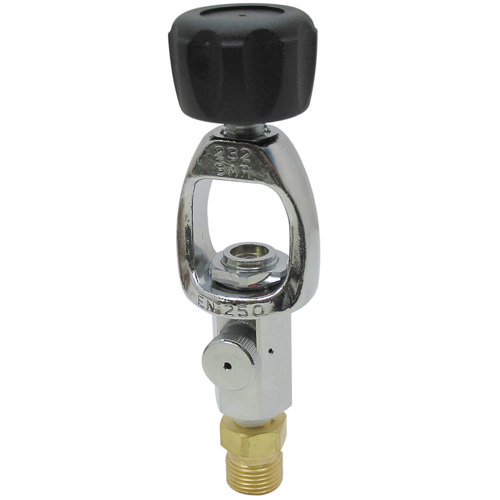
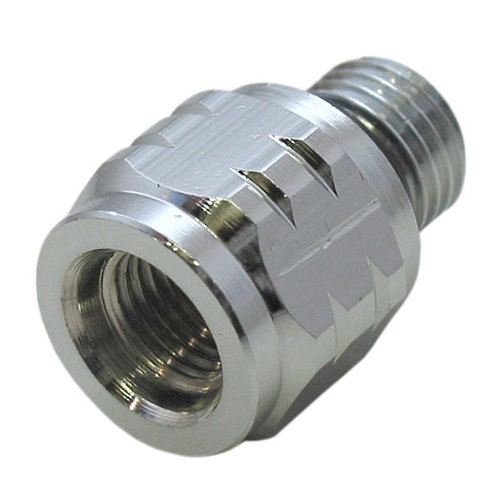
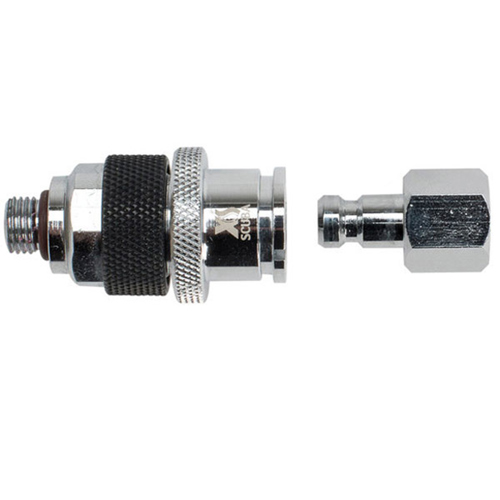
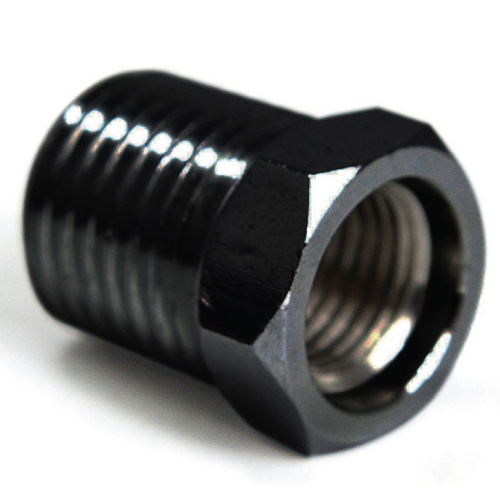
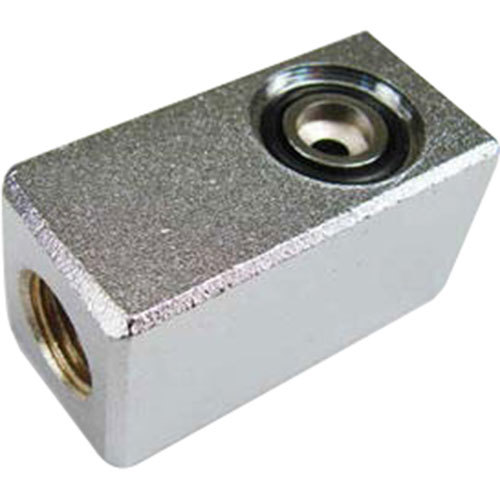
When building your kit, it’s wise to consider how different accessories work together to protect your investment and enhance your dive experience. Pairing DIN plugs with other essential adapters and fittings ensures you’re prepared for a range of tank and regulator configurations, especially if you plan to travel or rent gear at your destination. For more specialized needs, or if you’re looking to expand your setup, you can explore options like
Scuba Inlet Adapters to complement your selection of scuba plugs and ensure compatibility with various valve types. Whether you’re safeguarding your equipment in between dives or taking steps to protect your ears during long days in the water, investing in the right plugs is a small but meaningful way to make every dive safer and more enjoyable. As you prepare for the season’s adventures, thoughtful attention to these details can help you focus on the thrill of discovery and the beauty of the underwater world, knowing that both you and your gear are well cared for.