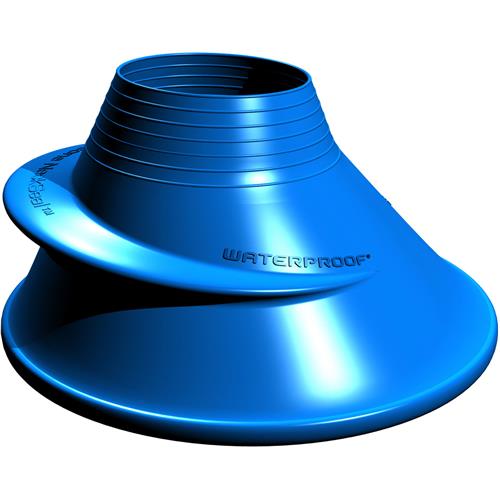
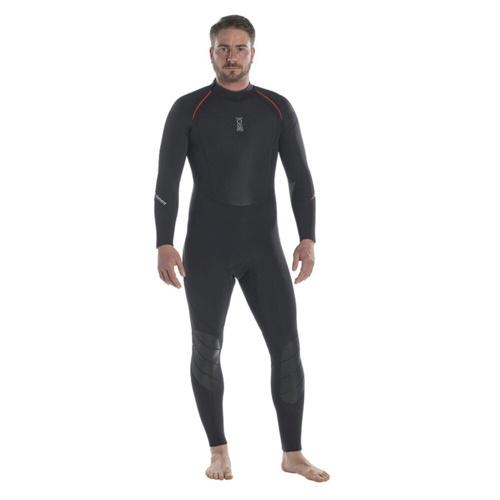
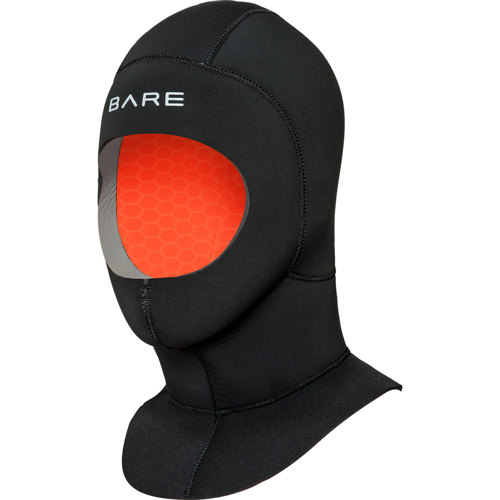
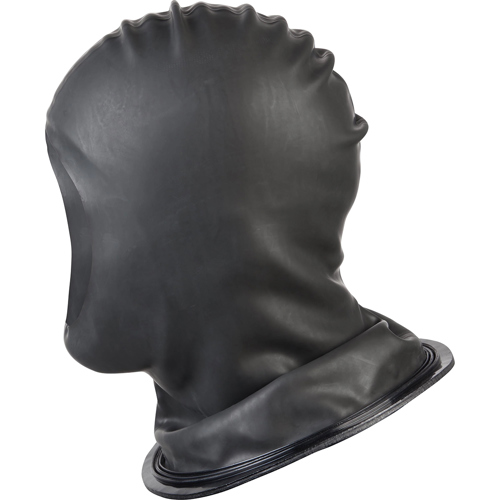
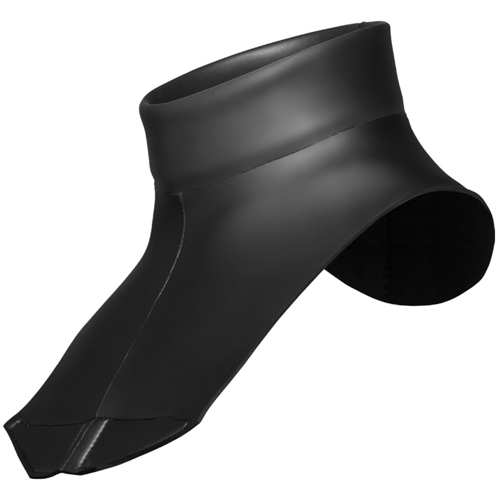
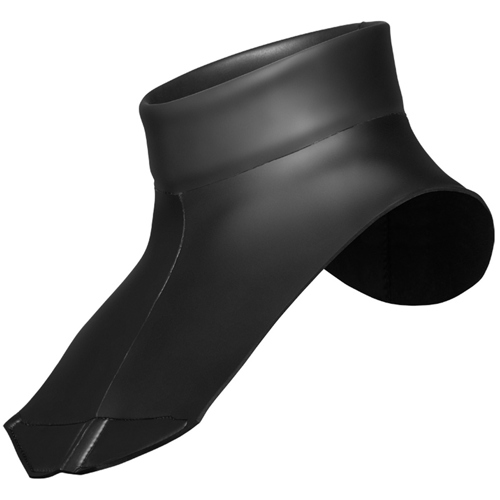
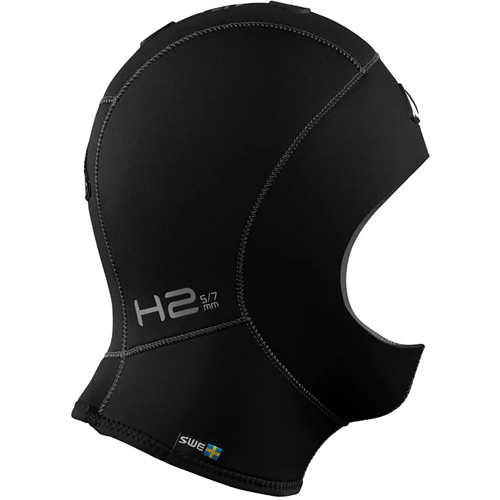
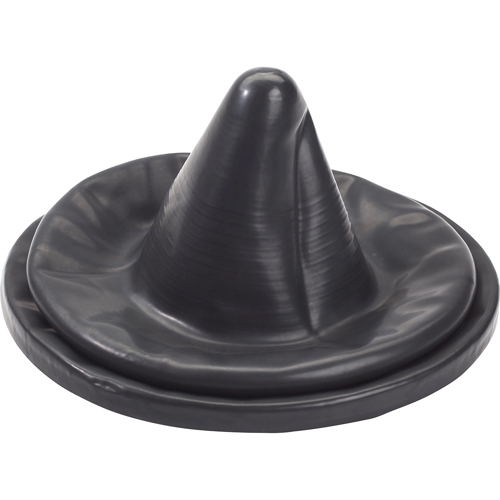
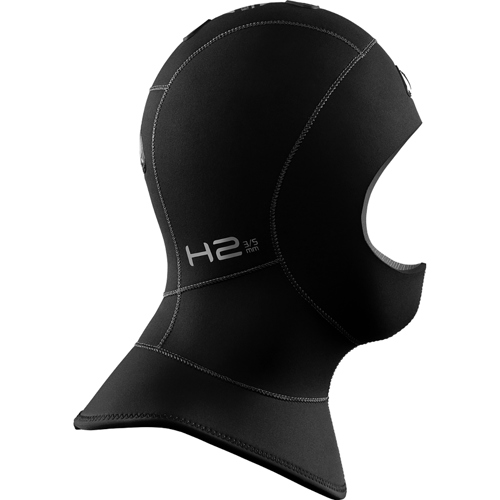
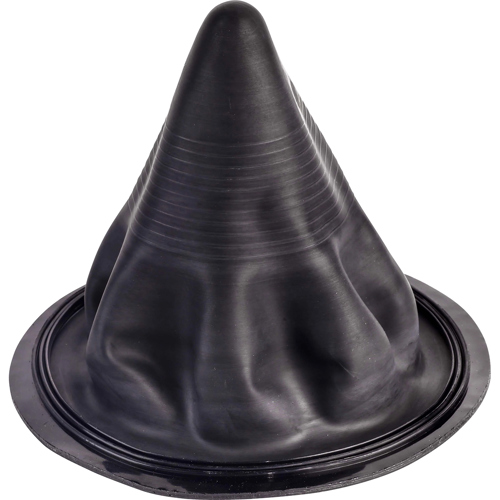
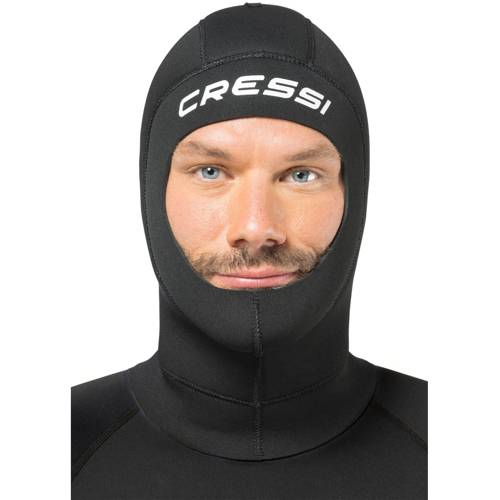
Scuba neck seals are a critical component for divers who rely on drysuits to explore beneath the surface, especially as the water temperatures remain cool through spring and into early summer. These specialized seals are designed to create a watertight barrier around the neck, preventing cold water from entering the suit and ensuring a dry, warm dive. Whether you’re gearing up for a series of deep wreck explorations or preparing for a season of scientific diving in temperate waters, the right neck seal can make all the difference in comfort, safety, and performance. The main materials used in neck seals—latex, silicone, and neoprene—each offer unique benefits and considerations. Latex seals are favored for their snug, reliable fit, which is especially valued by technical divers who need to maintain a tight seal in challenging environments. However, latex can be sensitive to oils and sunlight, requiring careful maintenance, and may not be suitable for those with latex allergies. Neoprene seals, on the other hand, are prized for their warmth and comfort, making them a popular choice for divers who spend long hours underwater or those diving in colder regions. They offer a bit more stretch and can be more forgiving in fit, but may allow minor seepage compared to latex. Silicone neck seals have gained popularity thanks to their soft, hypoallergenic properties and impressive UV and ozone resistance. They are particularly appreciated by divers who experience discomfort with latex or neoprene, as well as those who value the convenience of quick-change systems that allow for tool-free replacement in the field.
Selecting the ideal neck seal involves more than just material preference—it’s about matching your diving style, suit compatibility, and personal comfort. For those who frequently travel or participate in liveaboard trips, modular systems that allow for immediate replacement of a torn seal can be a game-changer, reducing downtime and ensuring you never miss a dive due to equipment failure. Proper sizing is essential; latex seals often come with trim lines to customize the fit, and it’s important to avoid over-tightening, as a seal that’s too small can restrict blood flow and cause discomfort. Maintenance habits also play a significant role in seal longevity. Regularly cleaning seals, protecting them from oils, sunscreen, and direct sunlight, and storing them properly can extend their usable life, saving both time and money over the course of a diving season. For divers with sensitive skin or those prone to rashes, gel or bio-seals can be worn under traditional seals to enhance comfort and prevent leaks, making long days in the water much more enjoyable. These products are not only practical for personal use, but also make thoughtful gifts for dive buddies, instructors, or anyone preparing for a certification course—especially as the diving community gears up for summer adventures. If you’re considering an upgrade for comfort or allergy concerns, explore our curated selection of
Silicone Neck Seals for the latest advancements in drysuit technology. Whether you’re a seasoned technical diver, a cold-water enthusiast, or shopping for a loved one, investing in the right neck seal ensures every dive is dry, comfortable, and memorable.