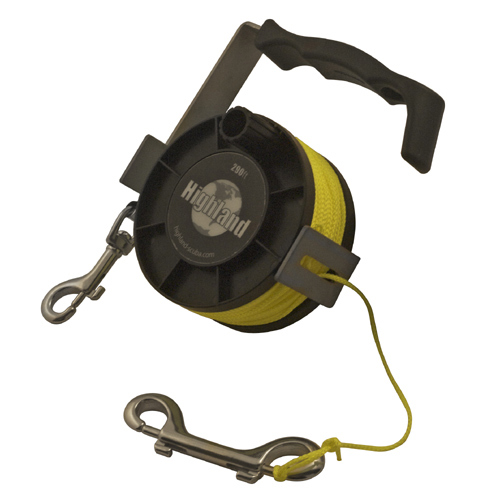
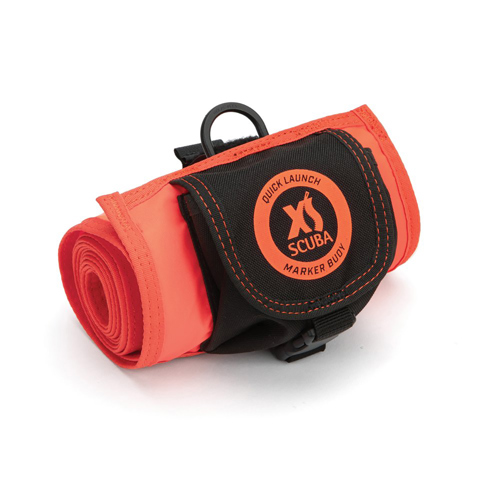
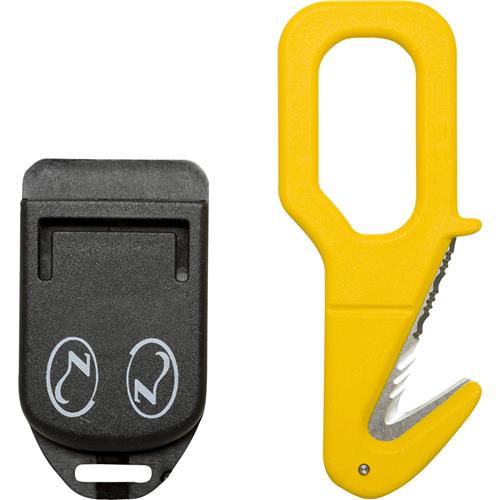
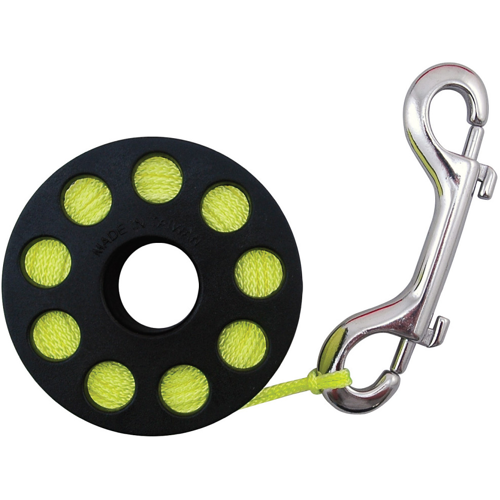
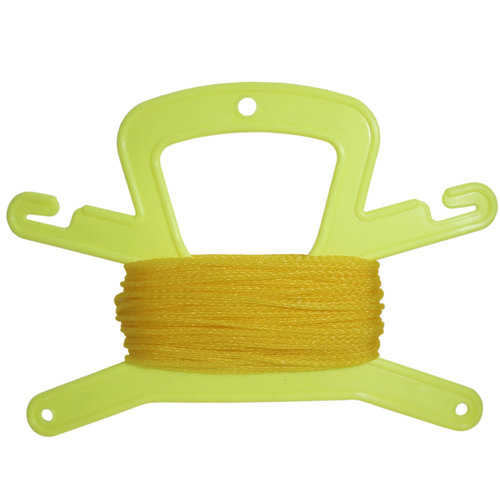
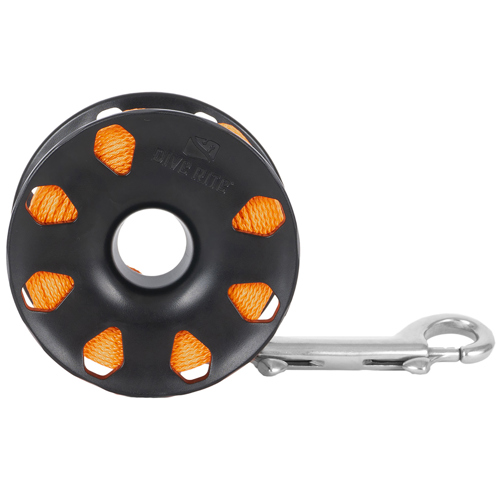
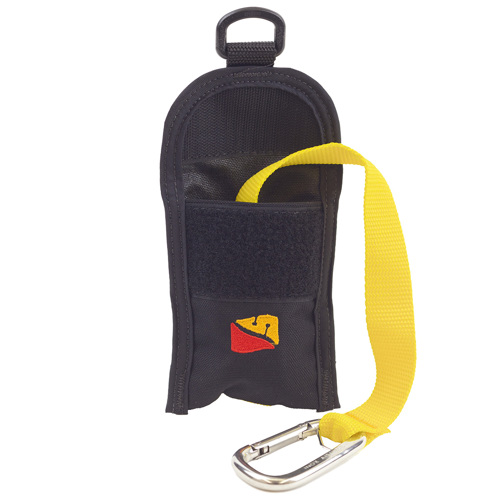
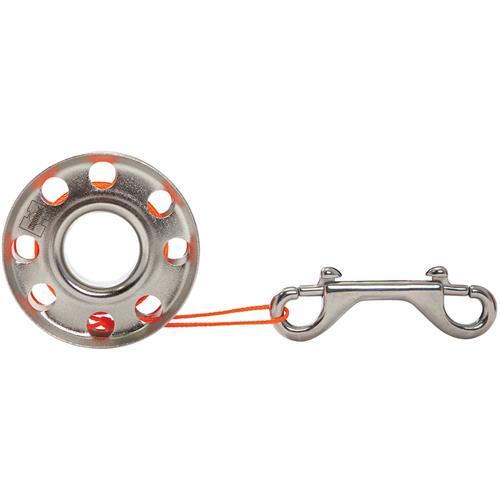
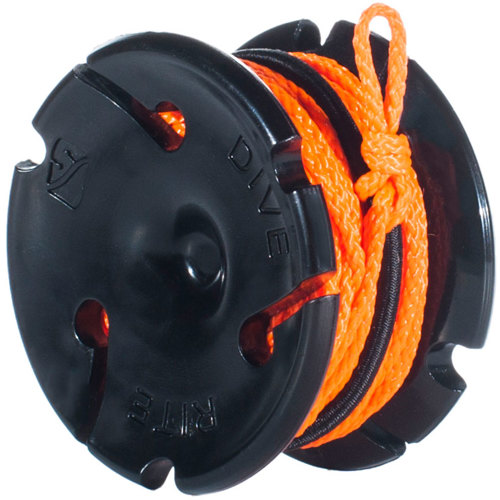
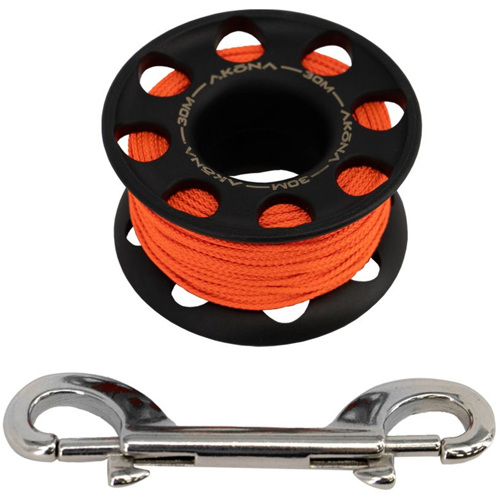
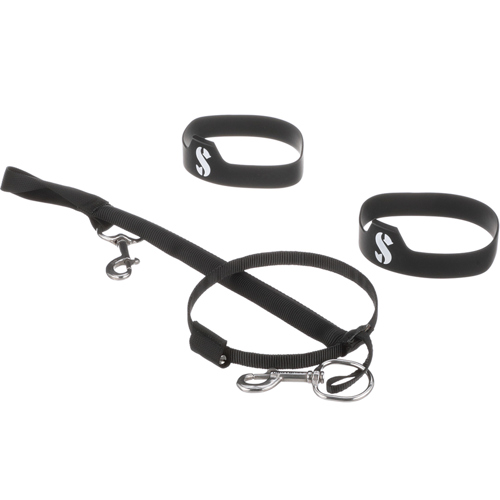
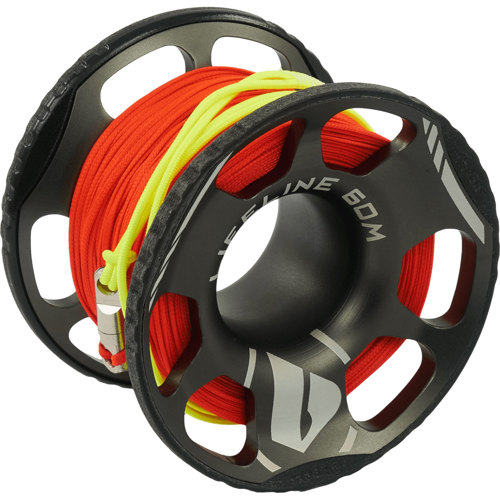
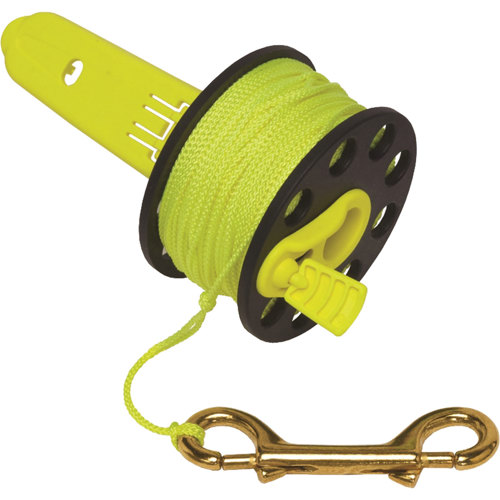
Scuba line management is a fundamental skill for divers exploring a wide variety of underwater environments, from open water to intricate wrecks and winding caves. As the weather warms and dive conditions become more inviting, divers of all experience levels find themselves reaching for reliable line management tools to enhance both safety and navigation. These products—such as reels, spools, guideline markers, and line cutters—are designed with the specific challenges of the underwater world in mind. Whether you’re threading your way through the shadowy corridors of a sunken ship, laying a guideline in a silt-prone cavern, or deploying a surface marker buoy in open water, having the right equipment can make all the difference. The tension and placement of a guideline, for example, can prevent accidental entanglement or help you retrace your path in low visibility. Seasoned divers often recall moments when a taut, well-laid line provided a reassuring lifeline back to their exit point, or when a swiftly accessed line cutter turned a potential hazard into a minor inconvenience. These experiences underscore the importance of choosing gear that is not only durable and easy to handle with gloved hands, but also suited to the specific environment—be it saltwater, freshwater, or overhead terrain.
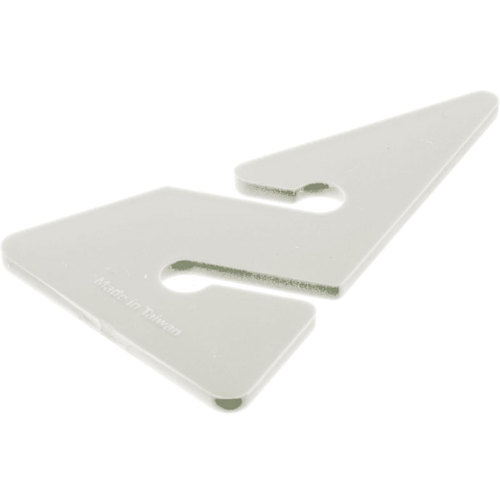
When considering which line management products to add to your kit or to give as a thoughtful gift, it’s worth reflecting on the diver’s typical adventures and experience level. Compact finger spools and brightly colored line markers make practical additions for recreational divers, while technical divers venturing into caves or wrecks may require reels with higher line capacity and robust tie-off points for secure anchoring. Many divers appreciate receiving upgraded line cutters or innovative marker designs as gifts, especially as new technologies emerge each season. These tools are appreciated not only for their utility but also for the peace of mind they provide—knowing you’re prepared for unexpected entanglements, shifting currents, or the need to signal a buddy with a clear tactile or visual marker. As dive teams coordinate their routes and share guidelines in popular sites, clear and consistent line management becomes a shared language, helping everyone stay oriented and safe. For those who enjoy planning their dives down to the last detail, pairing line management gear with organizational tools from our
Scuba Planners collection can streamline pre-dive preparations and ensure nothing gets left behind.
No matter the season, investing in dependable line management equipment is a choice that supports confidence and exploration beneath the surface. The right combination of reels, spools, cutters, and markers can transform a dive—making navigation smoother, reducing the risk of entanglement, and opening up new possibilities for adventure. From the anticipation of gearing up on a sunlit morning to the satisfaction of a safe return after an exhilarating dive, well-chosen line management tools become trusted companions, ready to meet the changing conditions and challenges of each underwater journey. Whether you’re shopping for yourself, outfitting a dive buddy, or searching for a gift that will be genuinely appreciated, the selection of line management products available here is curated with the needs of real divers in mind—ensuring you’re equipped for every descent, ascent, and everything in between.