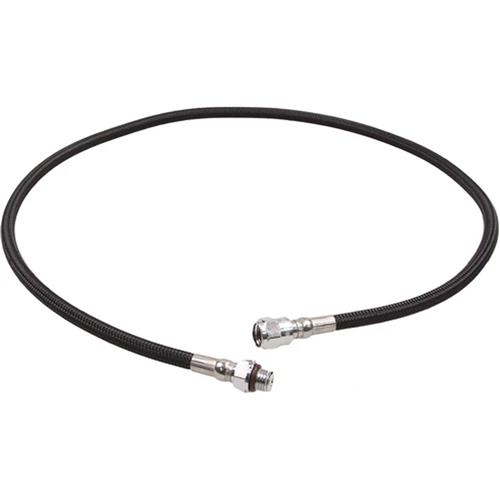
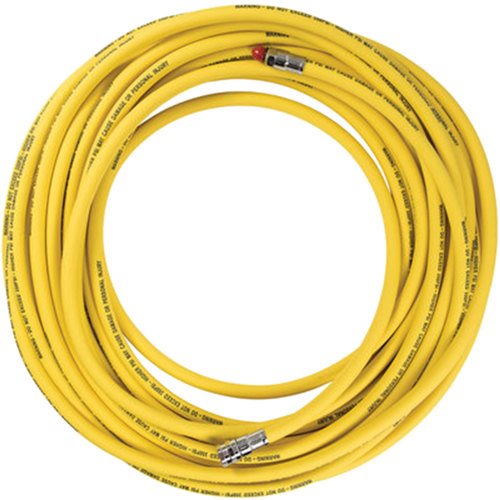
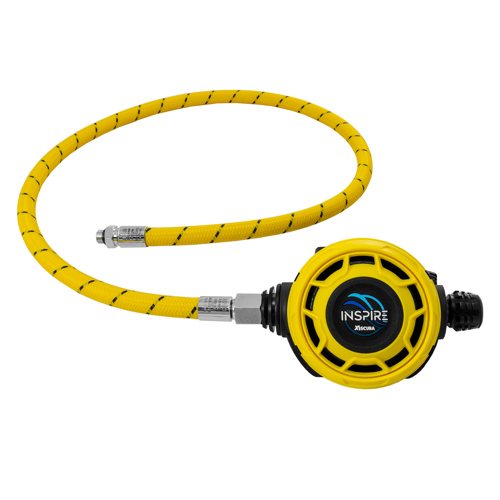
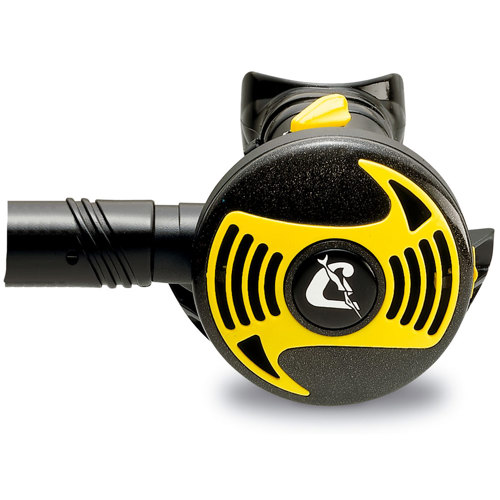
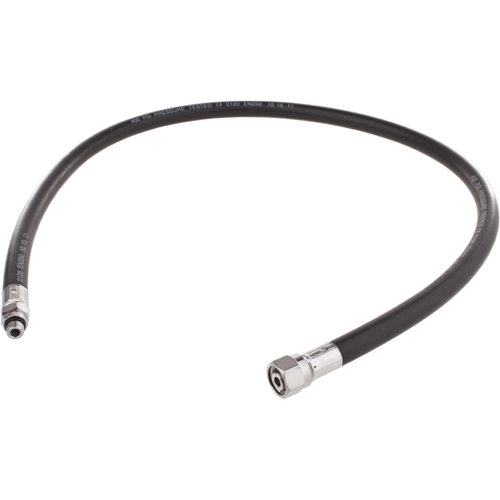
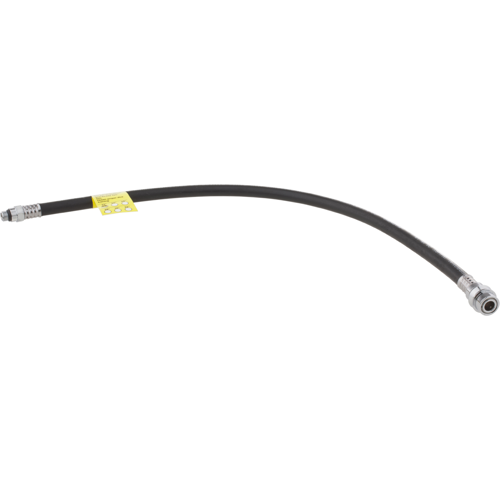
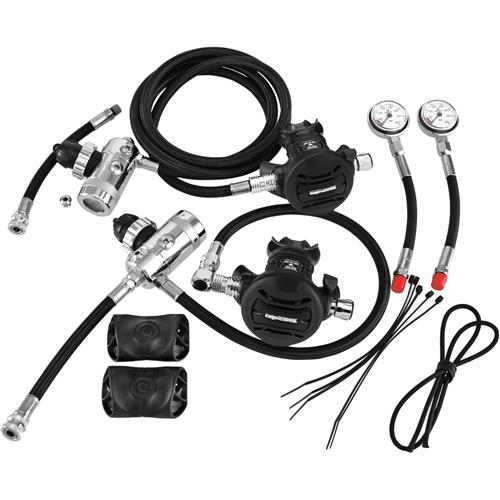
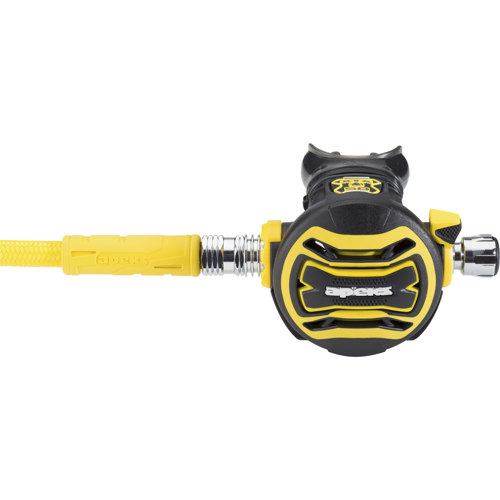
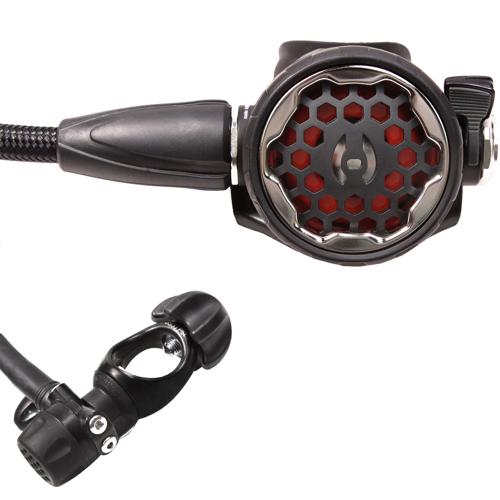
Choosing the right scuba hose length is an essential detail for divers of every experience level, from recreational enthusiasts to technical explorers. The correct hose configuration can make a noticeable difference in comfort, safety, and streamlining underwater, especially as the weather warms and dive trips become more frequent. The most common hoses you will encounter are the primary regulator hose, octopus or alternate air source hose, BCD inflator hose, drysuit inflator hose, and high-pressure (SPG) hose. Each is designed with a specific purpose and standard length range, but even within these guidelines, personal preference, body size, equipment setup, and dive environment play a role. For instance, a standard scuba regulator hose length for a primary second stage typically falls between 26 and 32 inches, with many divers opting for a slightly shorter, more flexible hose to reduce jaw fatigue and minimize drag. Alternate air source hoses—often the bright yellow octopus—are usually 30 to 40 inches, providing enough length to comfortably share air with a buddy in an emergency without feeling restricted. Technical divers, especially those venturing into wrecks or caves, often prefer a much longer 7-foot hose for their primary regulator, which allows for safe air sharing in overhead environments where single-file exits may be necessary.
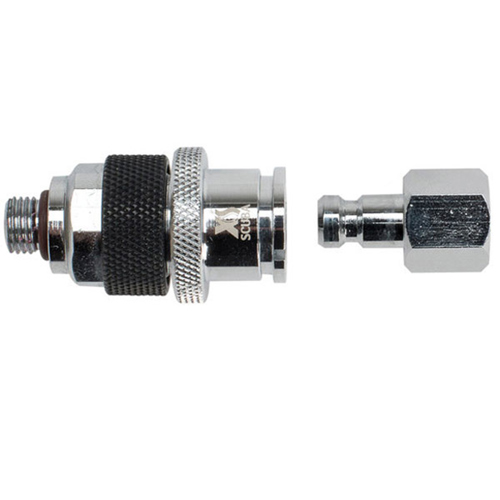
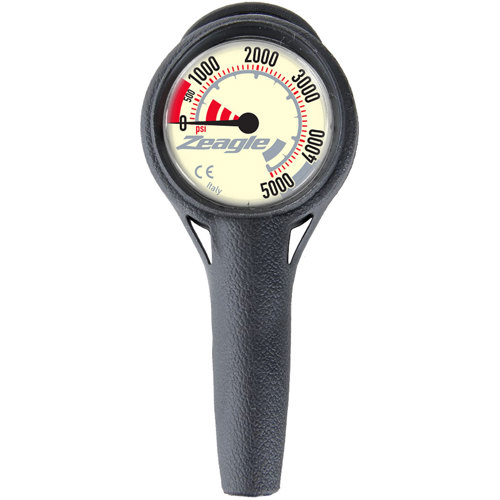
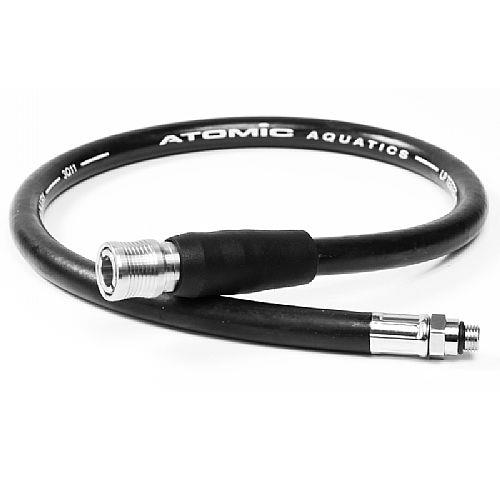
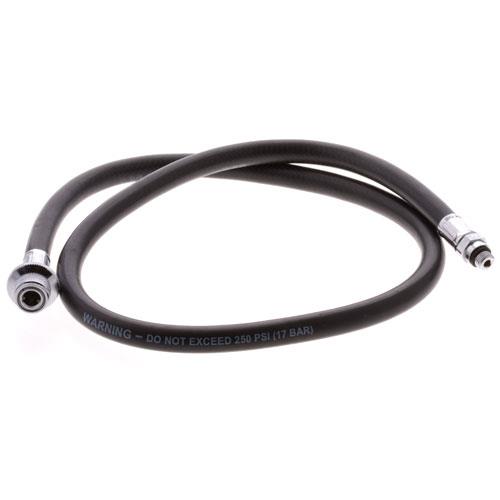
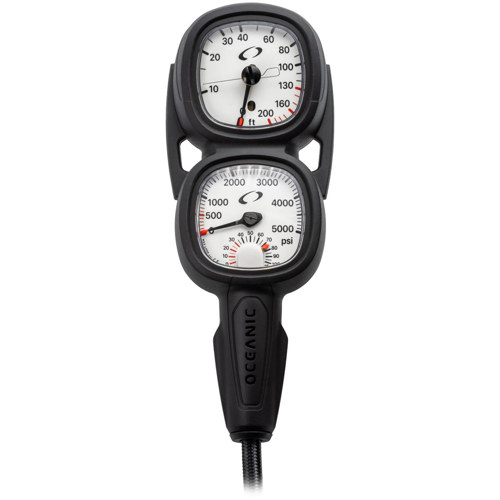
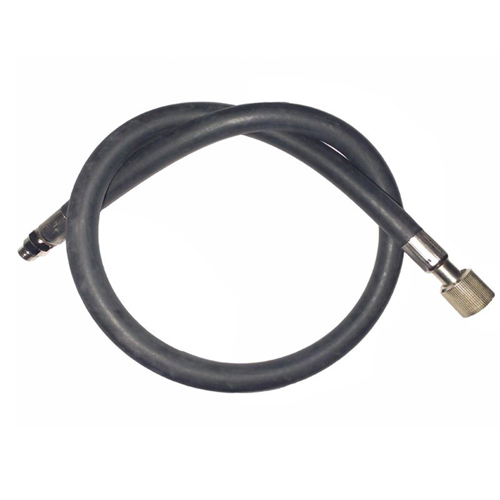
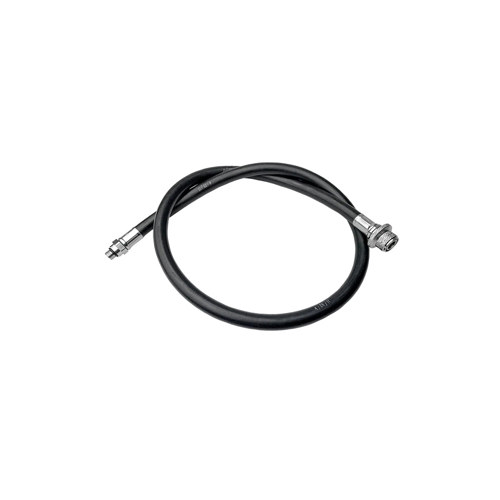
When considering BCD inflator hose length, most divers select hoses between 15 and 24 inches, balancing easy reach with a streamlined setup that won’t snag or loop unnecessarily. The right length ensures you can comfortably operate your buoyancy compensator device without excess slack, whether you’re wearing a lightweight travel BCD or a more robust jacket for colder waters. Drysuit divers will also want to pay attention to drysuit inflator hose length, as the ideal fit will allow freedom of movement for inflation and deflation while keeping hoses tidy and out of the way. High-pressure hoses, which connect to your submersible pressure gauge, generally range from 24 to 32 inches, though some divers prefer shorter hoses for a more compact setup or longer ones to route gauges for easy visibility. Material choice is another consideration; braided hoses are increasingly popular for their flexibility and lighter weight compared to traditional rubber, making them a favorite for travel or extended dive days. Fittings are standardized—most low-pressure hoses feature a 3/8-inch male and 9/16-inch female connector—but it’s always wise to double-check compatibility with your regulators and inflators.
Selecting the right hose length isn’t just about technical specs; it’s about tailoring your gear to your diving style and body type, which can add a layer of personal comfort and confidence every time you enter the water. For newer divers, swapping out a stock hose for one better suited to your needs can transform the experience, making it a thoughtful upgrade or even a practical gift for someone preparing for a dive vacation or certification course. Seasoned divers often fine-tune their setups over time, adjusting hose lengths as they transition between wetsuits and drysuits or experiment with different harnesses and BCDs. As dive season stretches from late spring through the end of summer, there’s no better time to assess your gear and make those small adjustments that can have a big impact on your dives. If you’re looking for more information on BCD hose options or want to compare lengths and fittings, explore our selection of
Scuba Bc Hoses to find the perfect match for your setup. Whether you’re gearing up for tropical reefs, local lakes, or deeper technical adventures, the right hose configuration helps ensure every dive is safe, comfortable, and enjoyable.