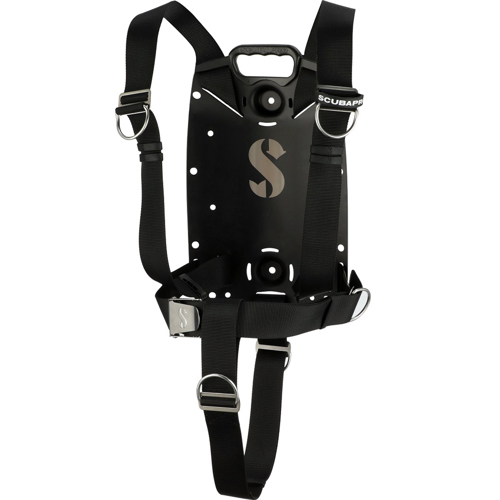
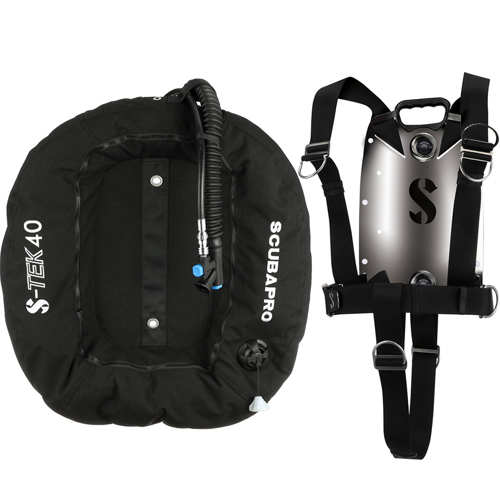
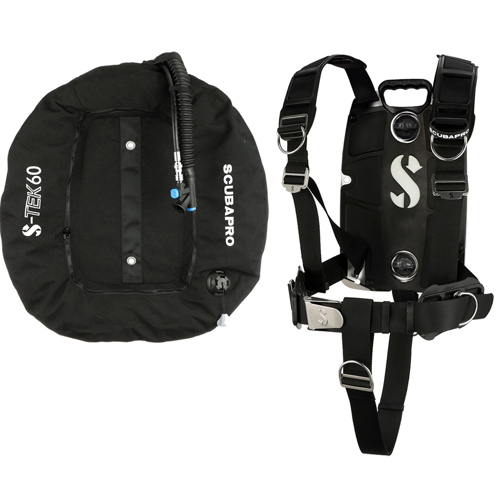
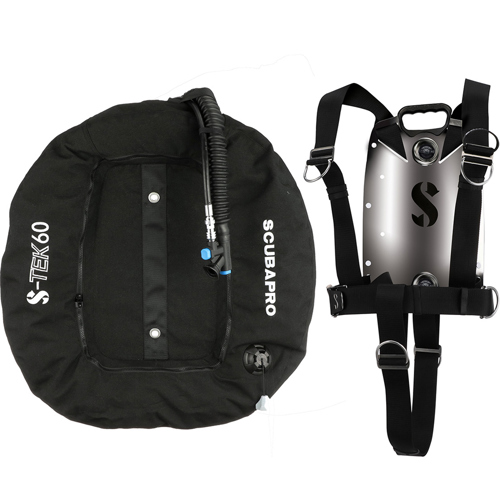
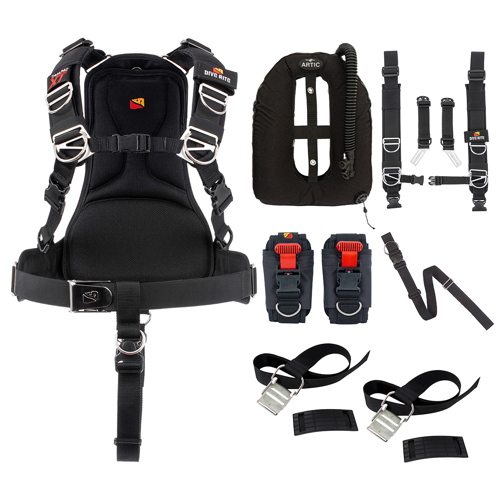
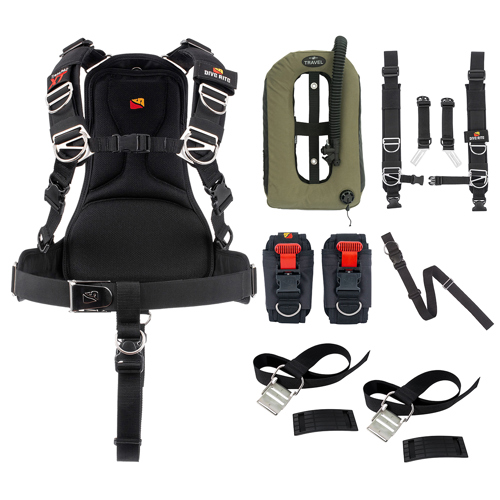
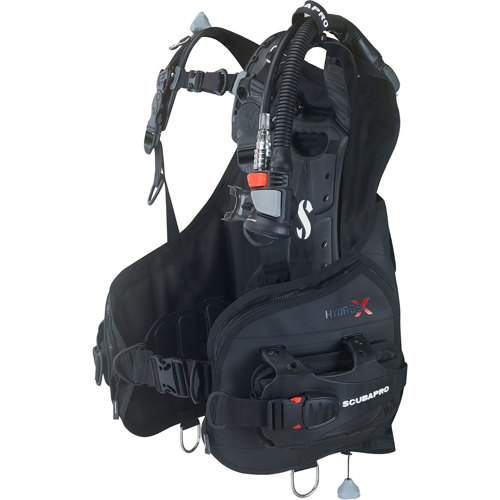
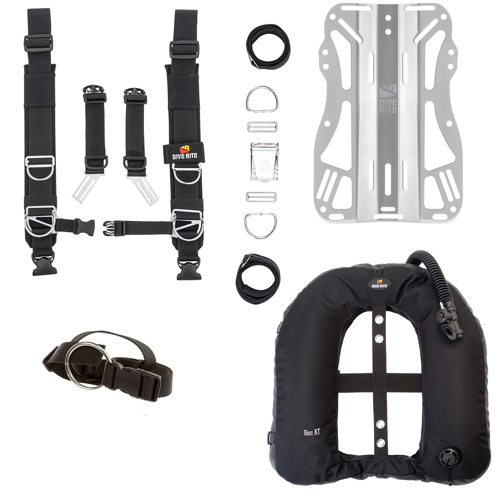
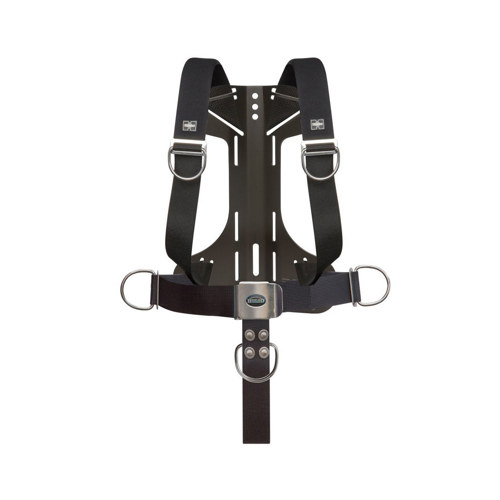
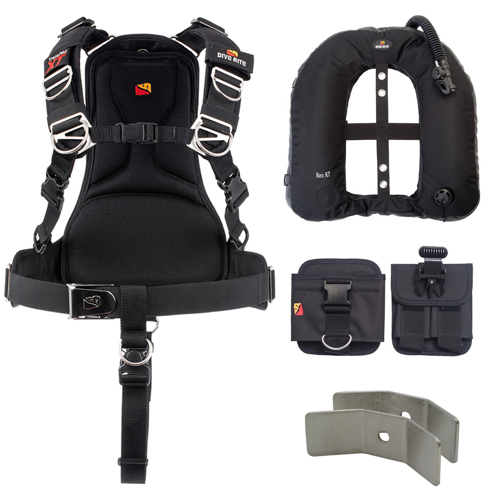
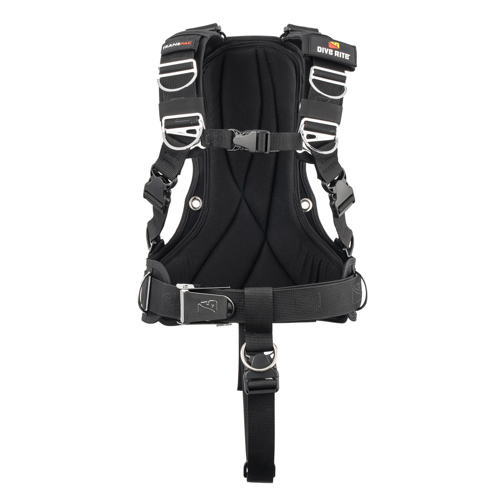
Rebreather diving demands a level of precision, comfort, and safety that goes beyond what is required for traditional open-circuit scuba. As the summer months approach and dive conditions become more favorable, many experienced divers turn their attention to advanced underwater exploration, making this the perfect time to consider upgrading or refining your harness system. Whether you’re preparing for extended technical dives, exploring deep wrecks, or supporting scientific and commercial diving operations, the right harness is the foundation of your rebreather setup. A rebreather BCD or dedicated harness system is engineered to manage the unique weight distribution and bulk of a closed-circuit rebreather, such as the rebreather sf2, ensuring that the unit sits securely against your back and maintains optimal trim throughout the dive. Unlike standard BCD diving gear, these harnesses are built to accommodate the additional cylinders, bailout tanks, and accessories required for complex dives, while also providing the adjustability and comfort needed for long durations underwater.
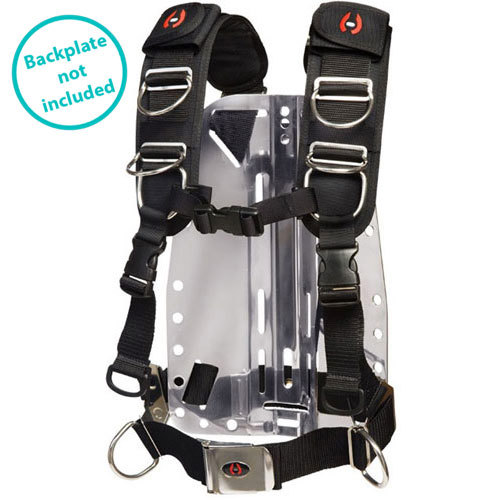
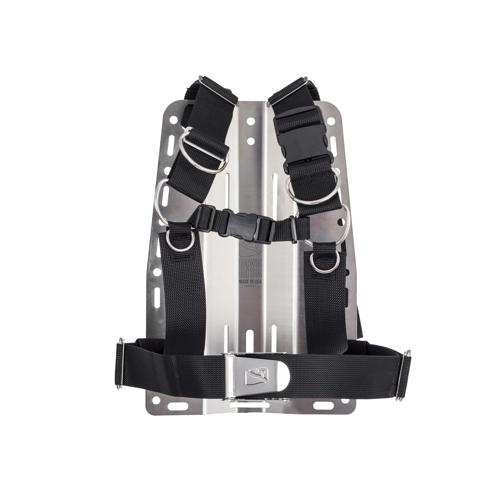
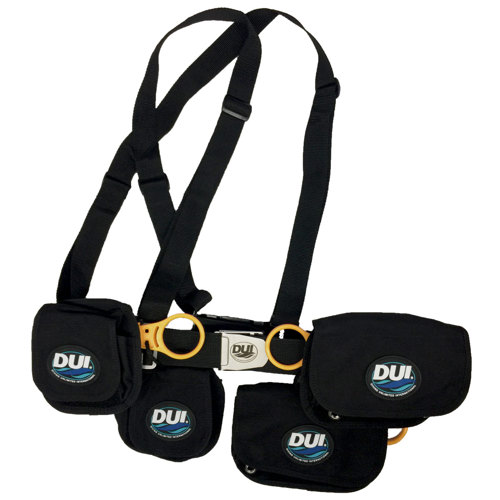
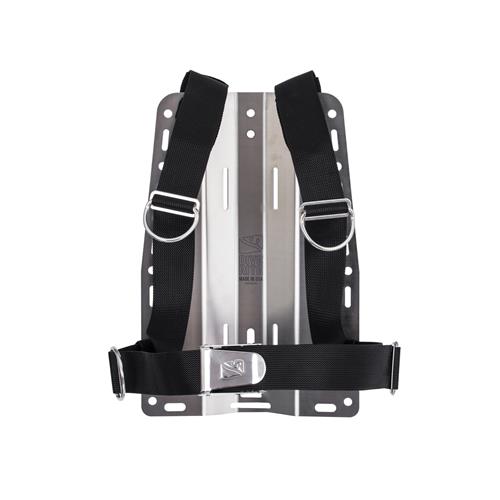
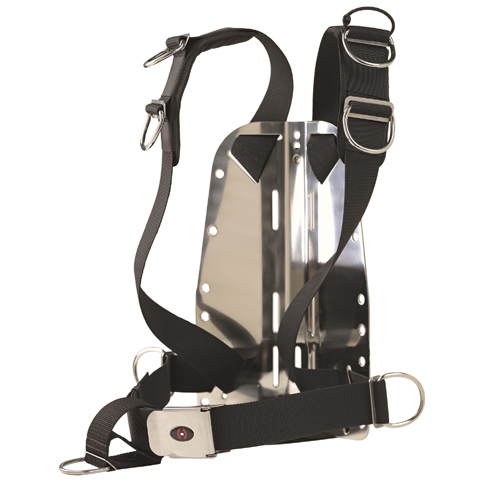
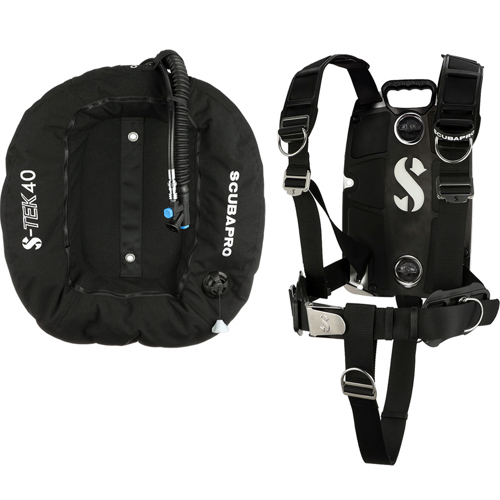
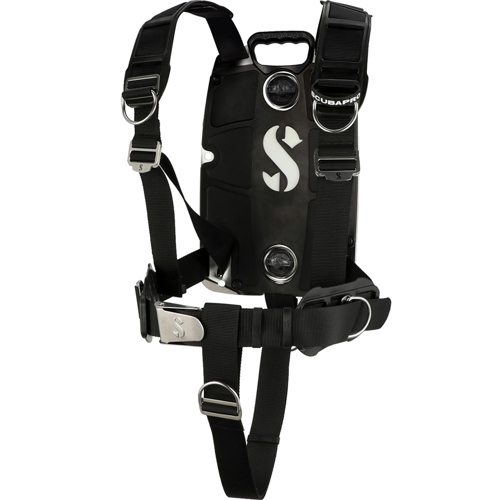
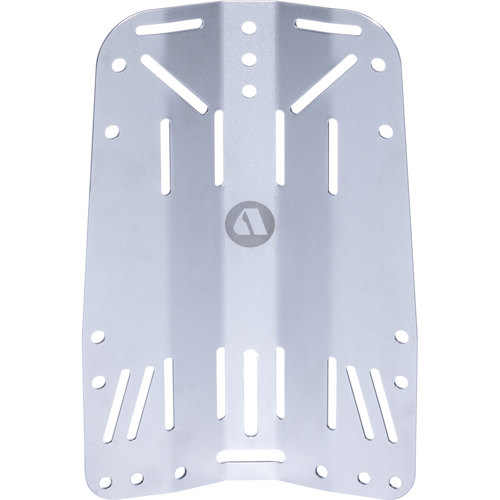
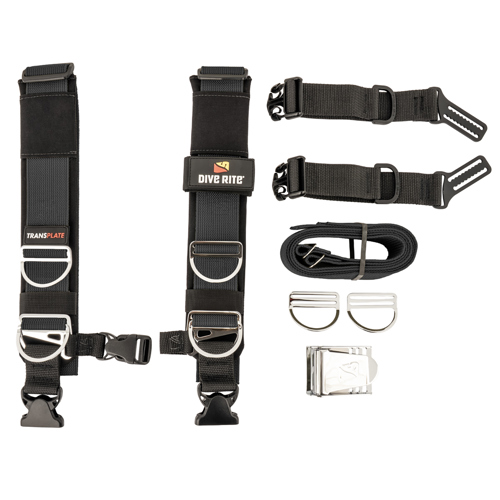
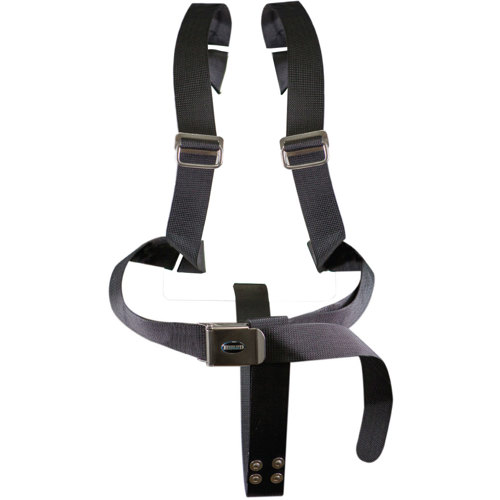
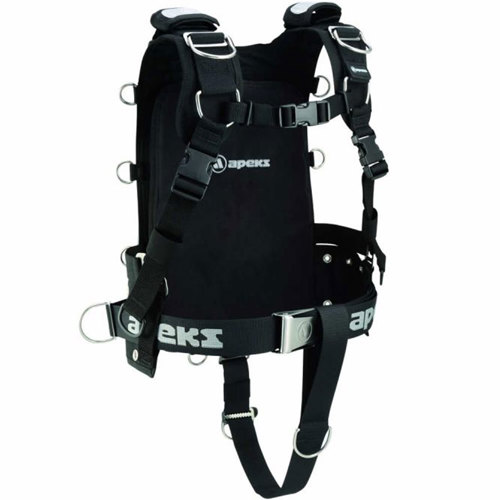
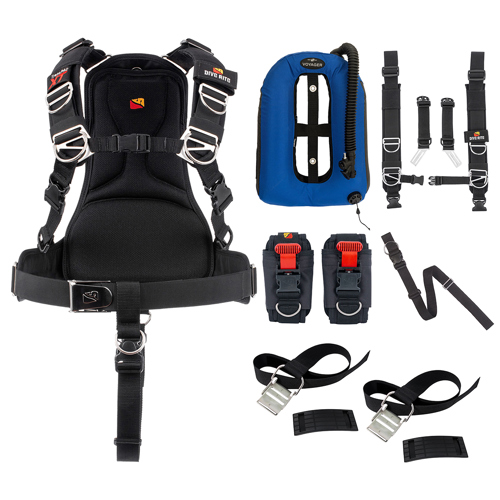
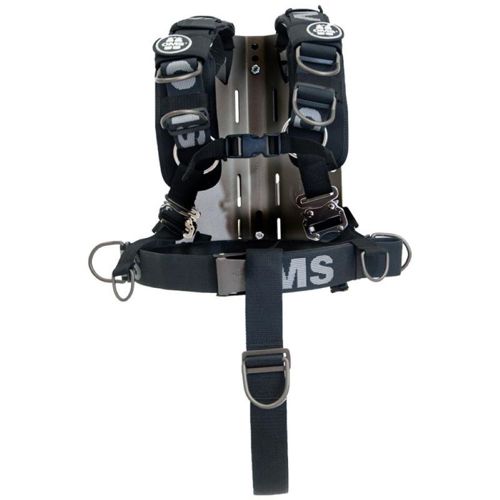
Selecting a harness for rebreather diving involves careful consideration of several key factors. The stability and fit of your harness are paramount; a rigid or high-quality soft backplate is crucial for holding the rebreather steady, reducing fatigue, and keeping your profile streamlined. Many technical harnesses feature modular components, allowing for custom D-ring placement to manage bailout tanks, stage bottles, and other essential gear. Integrated weight systems are another popular feature, enabling divers to distribute weight more evenly and eliminate the discomfort of traditional weight belts. For those involved in commercial diving or expedition-level technical dives, a commercial diving harness may offer additional support and durability, with reinforced materials and robust hardware designed to withstand harsh environments. Quick-release buckles and adjustable shoulder straps can make donning and doffing your harness much easier, especially when handling heavy equipment or thick exposure suits. The inclusion of a crotch strap is not just a convenience but a necessity in CCR diving, preventing the harness from riding up and ensuring that your rebreather stays exactly where you need it throughout the dive.
Harness systems for rebreather diving also make thoughtful gifts for seasoned divers who are expanding their skills or gearing up for new adventures. If you know someone who is about to embark on a rebreather training course, participate in a scientific research project, or join a summer expedition, a high-quality harness can be a practical and deeply appreciated present. As diving conditions shift with the seasons, many divers take the opportunity to assess and upgrade their setups, making May and the coming months an ideal time to invest in new gear. For those who alternate between different types of technical diving, it’s worth exploring harnesses designed for specific environments, such as those optimized for use with drysuits. If your diving plans include colder waters or extended bottom times, consider reviewing options in our
Scuba Harnesses For Drysuit Diving collection. No matter your experience level or diving goals, a reliable rebreather harness is the cornerstone of safety, comfort, and performance underwater, empowering you to focus on the exploration and discovery that make technical diving so rewarding.