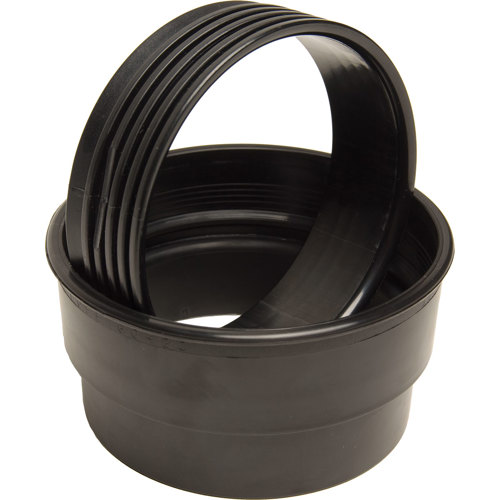
Scuba gaskets are the unsung heroes of any diver’s gear setup, quietly ensuring that every adventure beneath the surface is safe, dry, and worry-free. Whether you’re a seasoned technical diver prepping for a deep wreck exploration or a recreational diver gearing up for a leisurely reef dive, the integrity of your scuba gasket can make all the difference. As the diving season shifts into full swing with the warming waters of late spring and early summer, now is the time when many divers are dusting off their gear and giving everything a thorough check. It’s often in these pre-dive rituals that the importance of a reliable scuba seal becomes crystal clear. A cracked or worn gasket can mean the difference between a blissful underwater experience and a frustrating day cut short by leaks or equipment failure. For those who travel frequently or dive in a range of environments, keeping a set of spare scuba gaskets in your save-a-dive kit is not just smart—it’s essential. They’re small, lightweight, and can be a true lifesaver if you discover a problem on the boat or at a remote dive site.
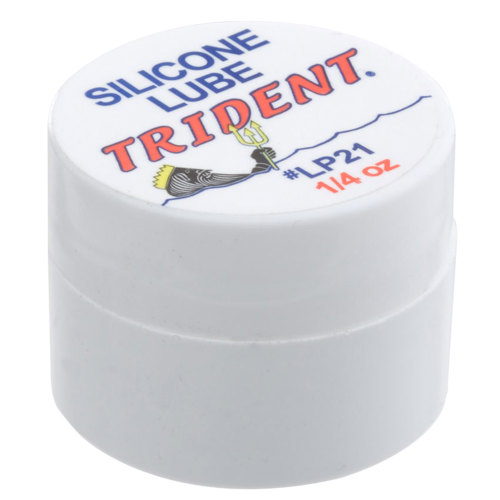
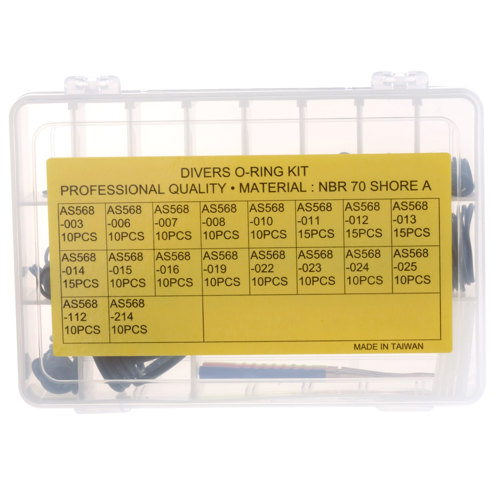
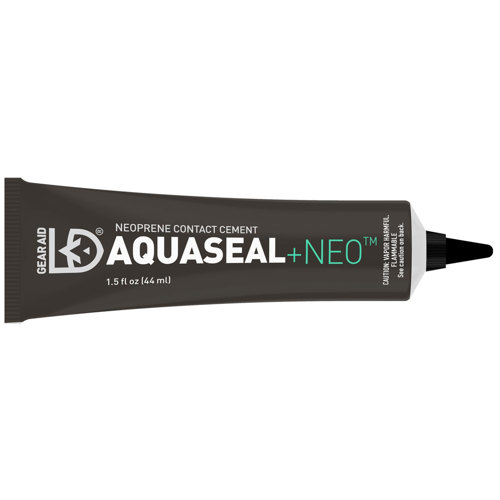
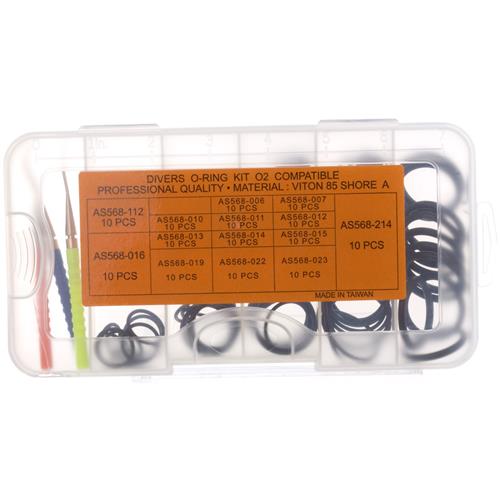
Gaskets play a crucial role in maintaining the watertight integrity of your regulator, tank valve, and other critical components. They’re designed to withstand repeated pressurization and exposure to saltwater, but even the best materials will eventually degrade. When you’re evaluating which scuba gaskets to purchase, consider the type of diving you do and the equipment you use most often. Some gaskets are designed for high-pressure applications, while others are better suited for low-pressure connections. If you’re a dive professional or instructor, it’s wise to keep a variety of gasket sizes and types on hand—not just for your own needs, but to help out students or fellow divers in a pinch. A thoughtful addition to any diver’s gear bag is a small tube of ball gasket lubricant, which helps ensure a proper seal and extends the life of your gaskets. Applying a thin layer of lubricant before installation can make a world of difference, especially if you’re swapping out gaskets in the field. For those who enjoy gifting practical dive accessories, a gasket kit makes a thoughtful and much-appreciated present for dive buddies, instructors, or anyone just starting to assemble their own gear. It’s the kind of gift that shows you care about their safety and comfort underwater.
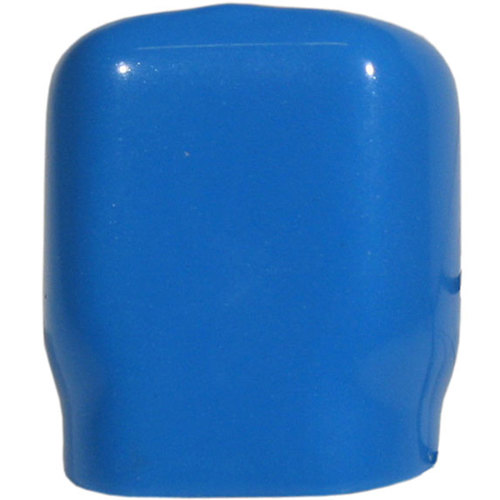
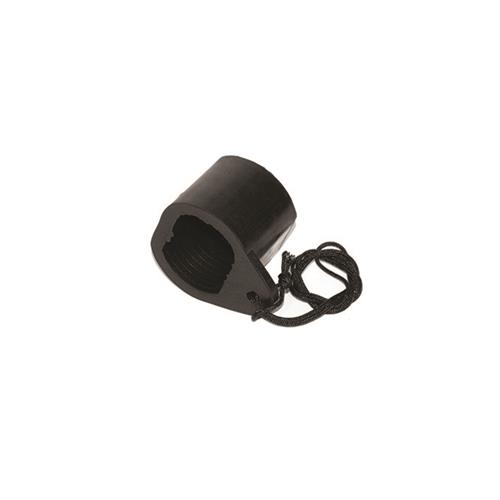
Proper care and storage of scuba gaskets will help you get the most out of your investment. Always inspect gaskets for signs of wear, cracking, or deformation before each dive, and replace them as needed. Exposure to sunlight, heat, and ozone can accelerate aging, so store spares in a cool, dry place, ideally in a sealed container to keep out dust and debris. Many divers pair their gaskets with specialized accessories like
Scuba O Ring Protectors, which help prevent accidental nicks or damage during transport. Whether you’re prepping for a summer dive vacation or fine-tuning your kit for local weekend excursions, paying attention to the small details—like the condition of your scuba gaskets—can make every dive safer and more enjoyable. It’s these little rituals, honed over years of experience, that separate a good dive from a great one. As you plan your next underwater adventure, take a moment to check your seals, stock up on spares, and ensure your gear is ready to perform flawlessly when you slip beneath the waves.