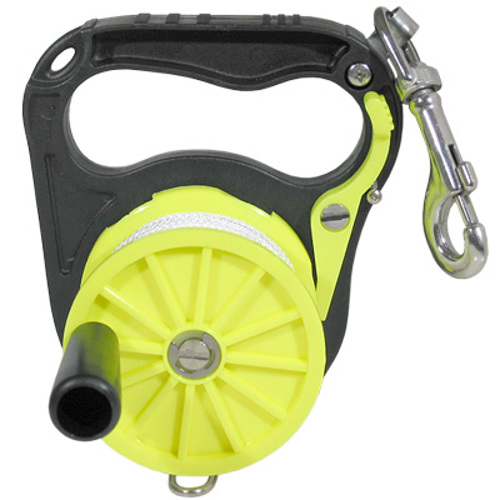
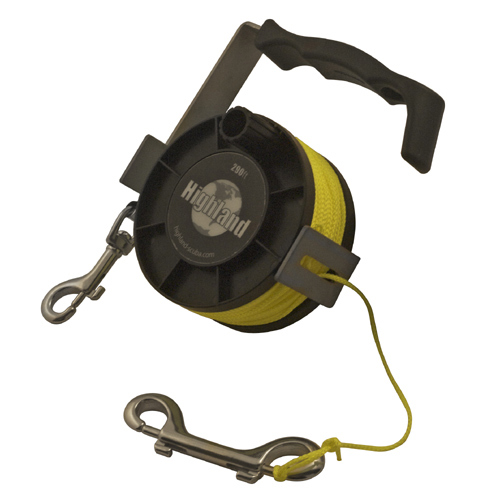
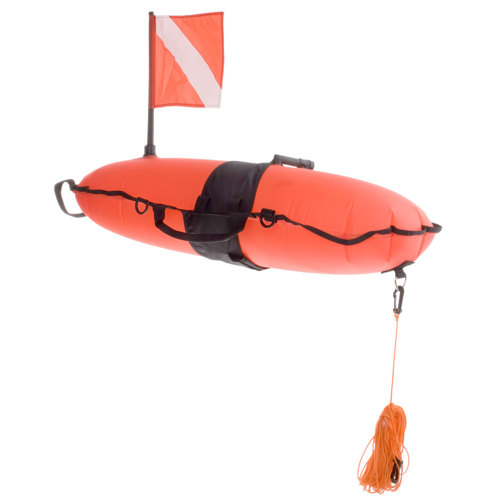
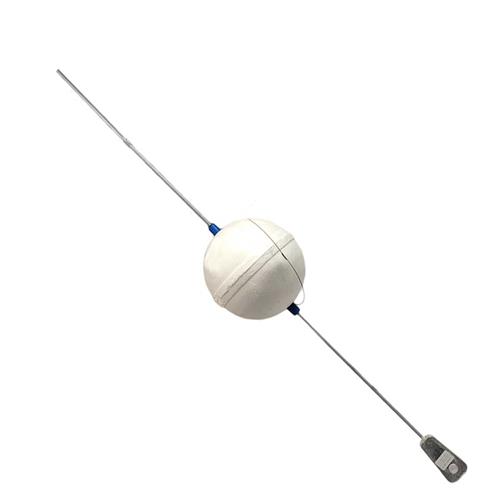
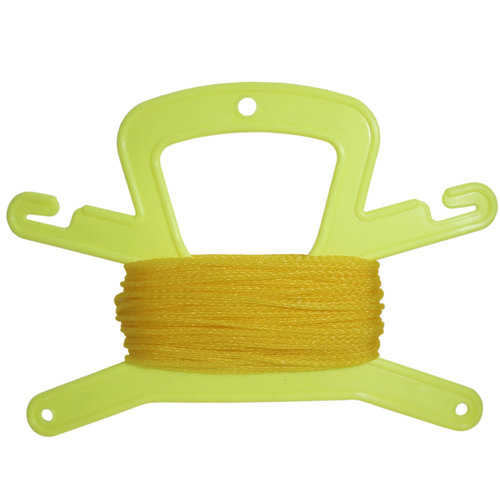
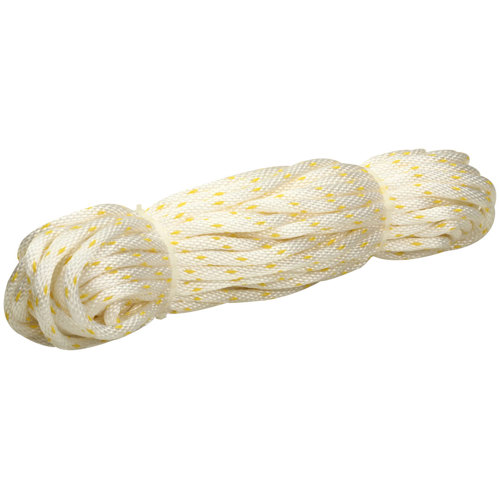
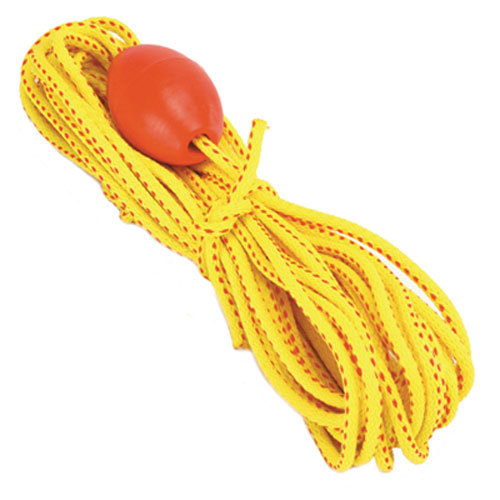
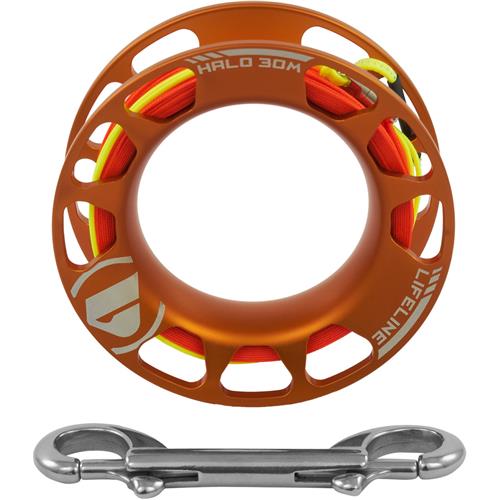
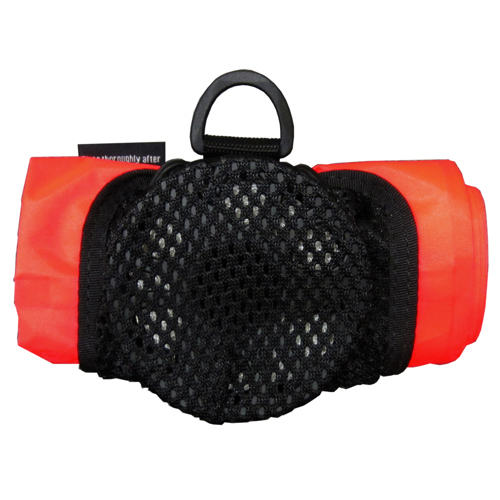
Scuba float lines are a fundamental piece of equipment for divers who value safety, efficiency, and peace of mind beneath the surface. Whether you’re an experienced spearfisher, a freediver exploring kelp forests, or a recreational diver venturing along a reef, a well-chosen diver line serves as a vital connection between you and the surface. The primary function of a diving line is to tether your float—often brightly colored for visibility—to your gear, allowing you to drop heavy equipment, such as a speargun or catch bag, and ascend freely in case of emergency. This not only prevents the risk of being pulled down by a struggling fish but also ensures your equipment remains secure and easily retrievable. For those who frequent busy dive sites or areas with boat traffic, a surface float attached to a divers line is an unmistakable signal, marking your presence and helping to keep you safe. The versatility of float lines extends to marking specific underwater locations, managing equipment during drift dives, or simply providing a reliable lifeline in unpredictable conditions.
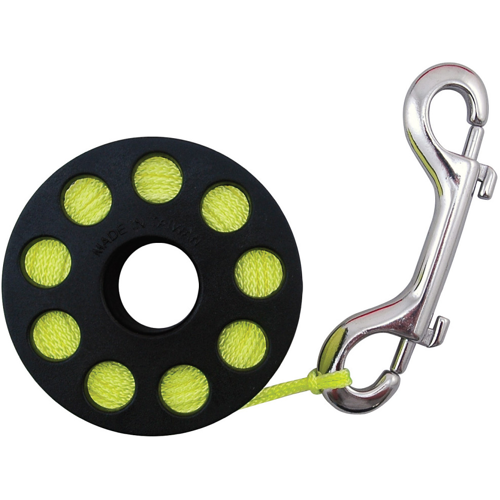
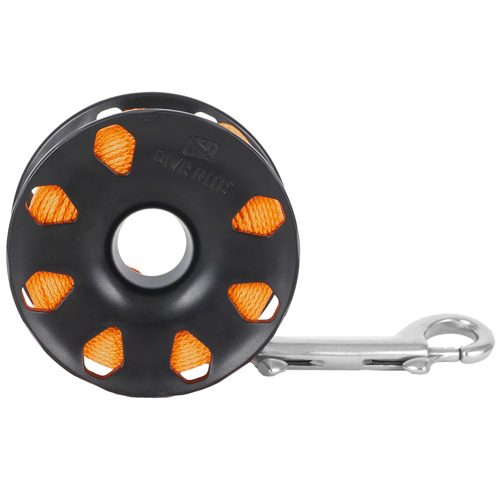
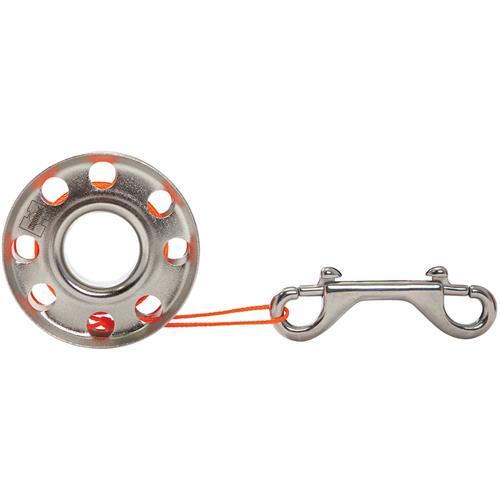
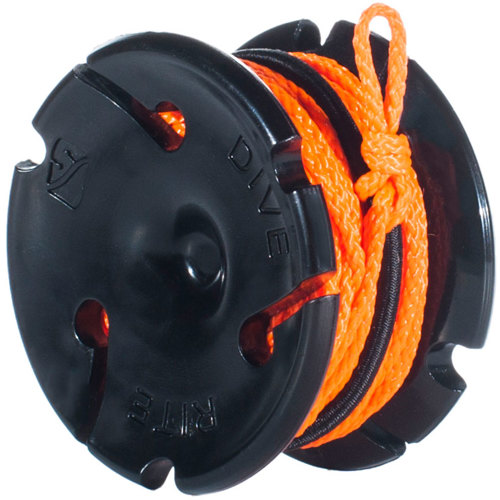
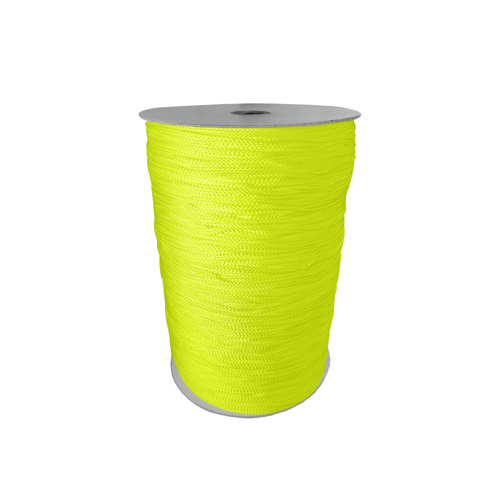
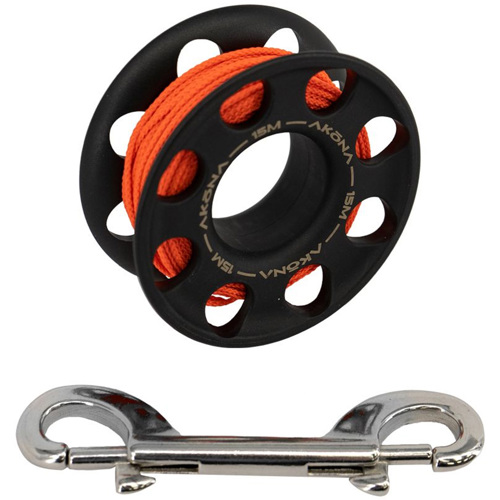
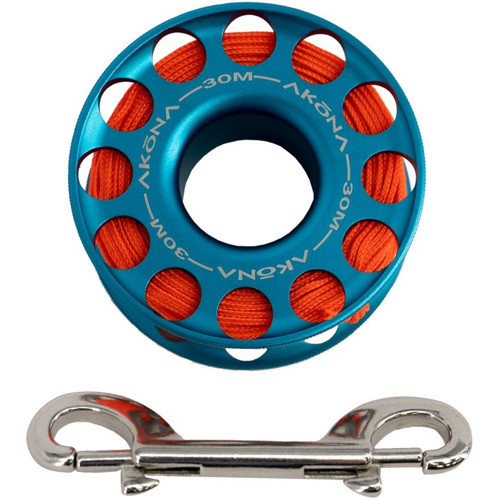
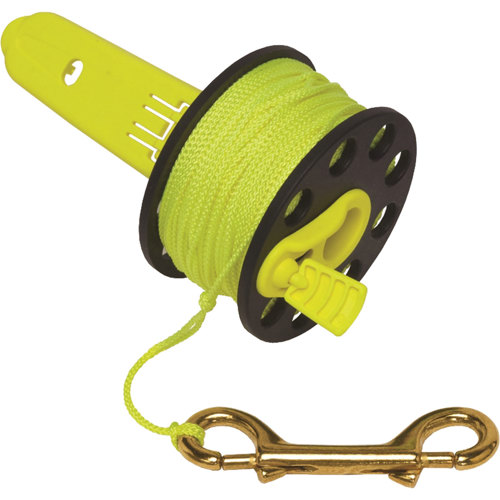
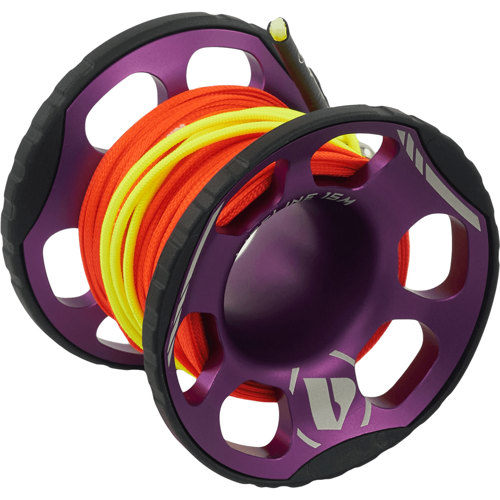
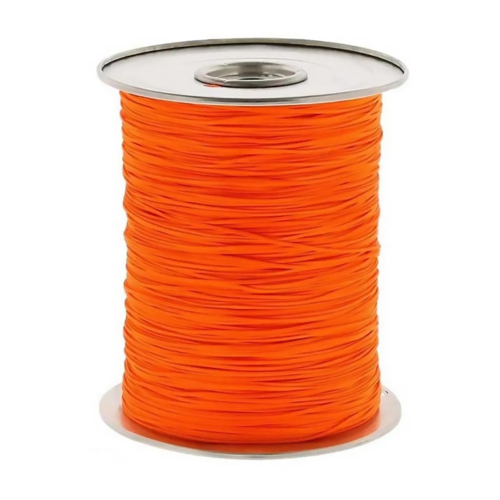
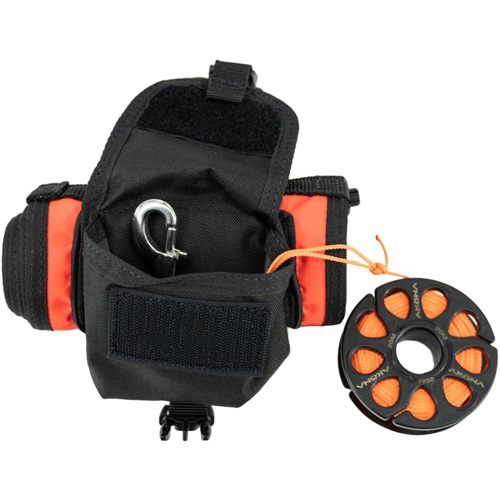
Selecting the right float line involves careful consideration of your diving environment, target species, and the type of dive you plan to undertake. Materials range from stretchy bungee lines, which absorb the shock of sudden pulls and minimize stress on both diver and equipment, to stiff PVC or Dyneema cords that resist tangling—a crucial feature when diving in rocky or kelp-filled waters. High-strength nylon and Spectra lines are favored for their durability and load-bearing capacity, especially among those pursuing larger pelagic species. Attention to hardware is equally important; robust shark clips, speed spikes, and reinforced connectors ensure a secure attachment to spearguns, floats, or other accessories. As a rule of thumb, choose a line length that’s at least one-third longer than your maximum dive depth, allowing for flexibility and safety in changing currents. Many divers also carry a finger spool for deploying a secondary line or managing slack, particularly during safety stops or when exploring new territory.
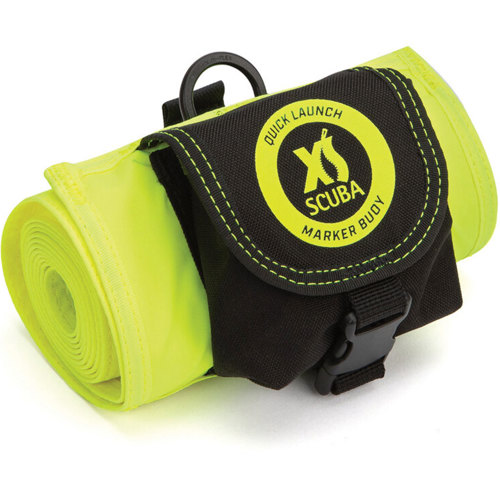
Float lines aren’t just for seasoned spearfishers—they make thoughtful, practical gifts for any diver eager to enhance their underwater experience. As the winter months give way to spring and water temperatures start to rise, now is an ideal time to upgrade your gear or surprise a loved one with equipment that supports both adventure and safety. Vivid memories are often made when a diver, surfacing after a successful dive, sees their float bobbing confidently overhead, gear secure and location marked for all to see. For those curious about related equipment, our curated selection of
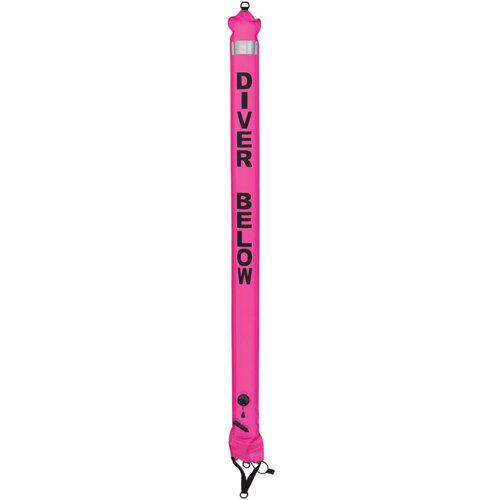
Lightweight Scuba Marker Floats offers additional options to complement your float line setup. Whether you’re refining your spearfishing rig, preparing for a new dive season, or simply ensuring you’re equipped for any scenario, investing in a quality float line is a decision that pays dividends in safety, convenience, and sheer enjoyment of the underwater world. And for anyone still wondering what is a floating pen or how finger spools fit into the broader category of diver lines, these tools each play a unique role in the art and science of safe, effective diving.