Scuba Diaphragms
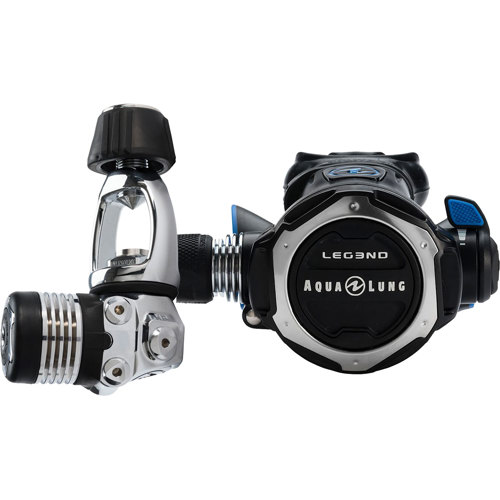
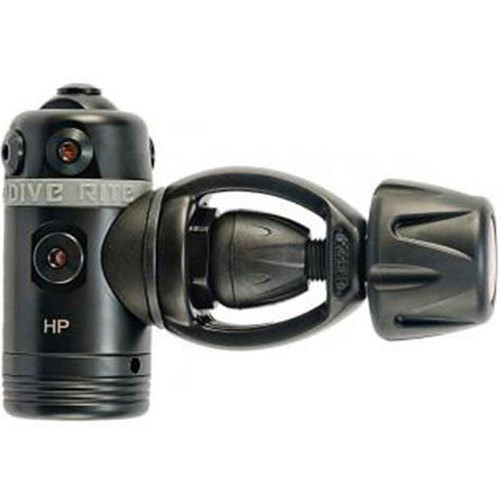
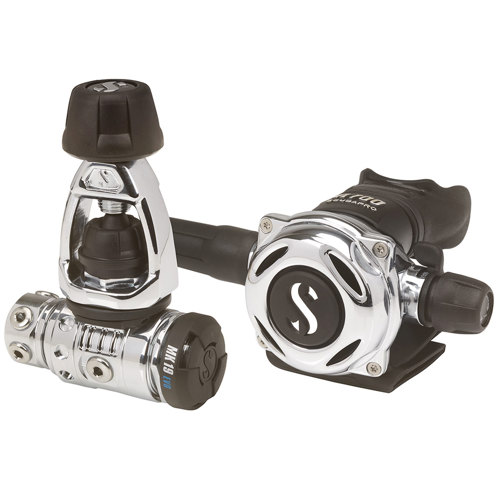
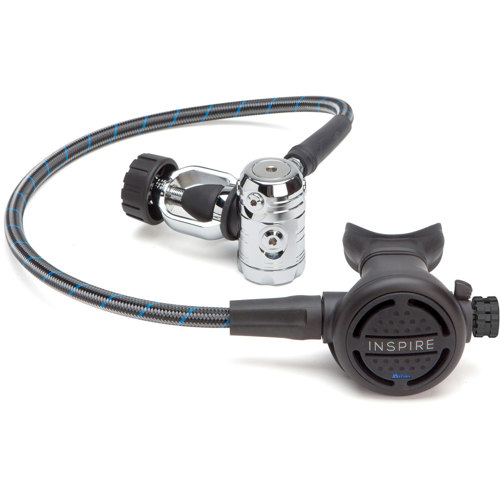
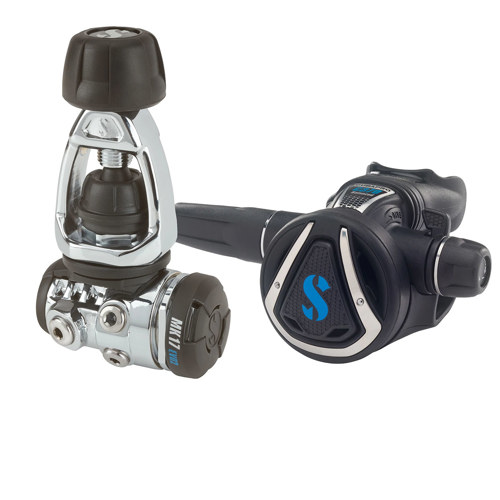
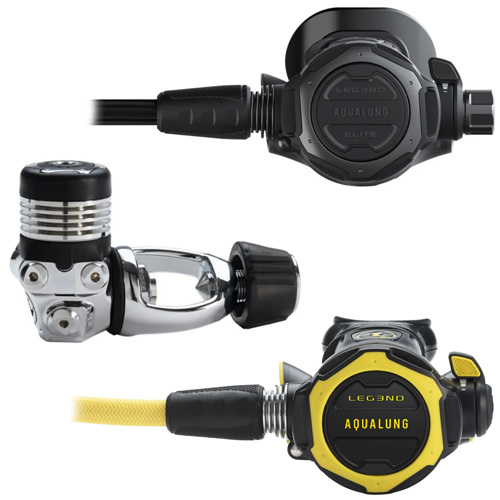
Scuba diaphragms are an essential component in the world of underwater exploration, particularly valued by divers who demand reliability and consistent performance from their gear. Found primarily in regulator first stages, these flexible membranes are engineered to respond precisely to changes in ambient water pressure, ensuring a steady and safe air supply at any depth. Unlike piston regulators, diaphragm systems utilize a sealed design that shields internal mechanisms from contaminants such as sand, silt, and salt, making them an excellent choice for those who frequent cold or challenging environments. This added protection is especially relevant in early spring, when many divers begin their season in chilly, unpredictable waters where ice or debris can be a concern. The robust construction and environmental sealing of diaphragm regulators help prevent freezing and corrosion, allowing divers to enjoy peace of mind whether they’re exploring a freshwater quarry, venturing into coastal kelp forests, or planning technical dives in frigid mountain lakes.
For both seasoned divers and those just starting to build their kit, the decision to invest in quality diaphragms or replacement parts comes down to understanding how these components impact safety and comfort underwater. Diaphragm regulators are known for their consistent breathing effort regardless of depth or tank pressure, offering a smooth, dependable inhalation experience that’s especially appreciated during long, deep dives or when sharing air with a buddy in an emergency. While they do feature more complex internal mechanisms compared to piston models—meaning they may require more attention during service intervals—the trade-off is a system that’s less susceptible to the elements and delivers reliable performance dive after dive. Many technical divers, cold-water enthusiasts, and instructors gravitate toward diaphragm-based systems for these reasons. For those who maintain their own equipment or enjoy the hands-on aspect of gear upkeep, having spare diaphragms on hand is a practical move. They’re not only a smart addition to a personal save-a-dive kit but also make thoughtful gifts for dive buddies who appreciate the finer points of equipment maintenance and safety.
As the diving season approaches and gear checks become routine, it’s wise to consider the condition of all critical components, including diaphragms, O-rings, and other regulator parts. A well-maintained diaphragm can mean the difference between a flawless dive and an unexpected interruption, especially when diving in remote or demanding environments. Whether you’re preparing for a spring break adventure in cooler waters or simply ensuring your setup is ready for the months ahead, investing in high-quality diaphragms is a testament to your commitment to safe and enjoyable diving. For those interested in further optimizing their gear, exploring related equipment such as
Scuba Diving Bladders can offer additional avenues for enhancing buoyancy control and overall dive performance. By prioritizing the integrity and function of your regulator’s diaphragm, you set yourself up for a season of exploration, comfort, and confidence beneath the surface.