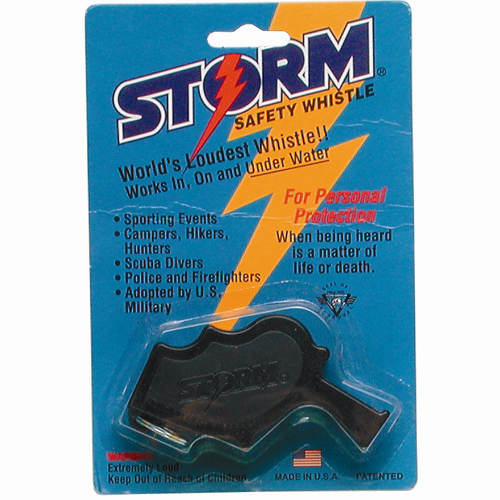
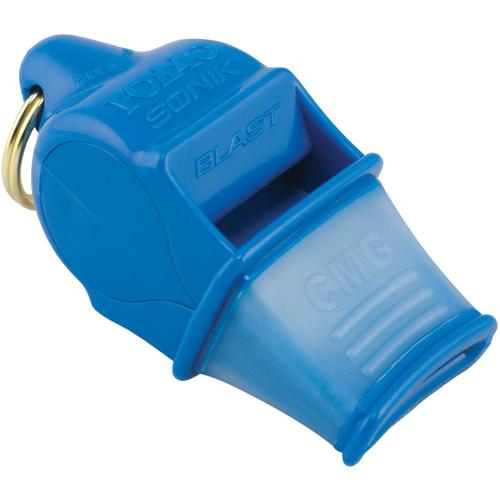
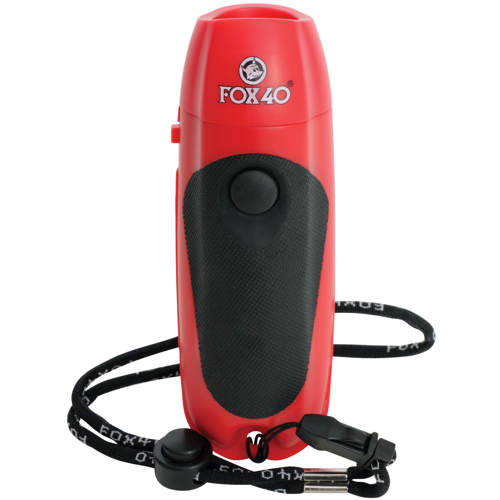
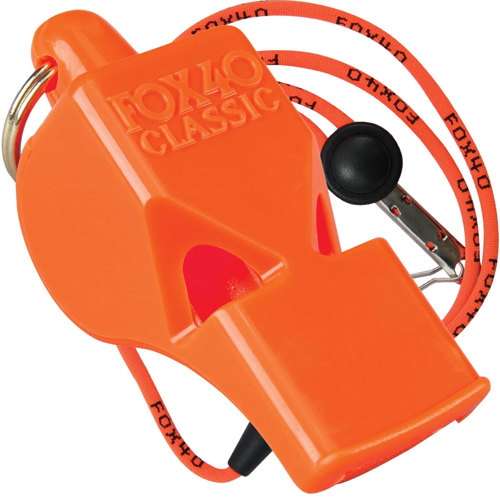
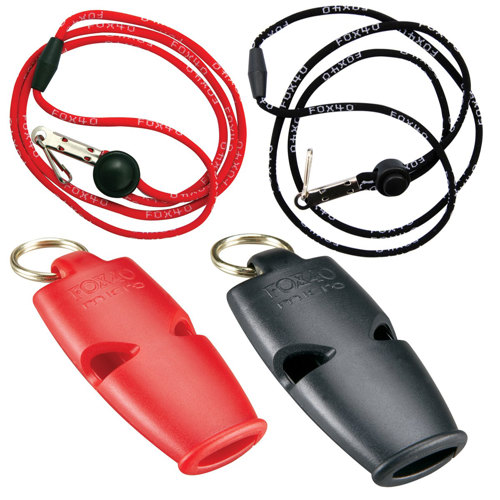
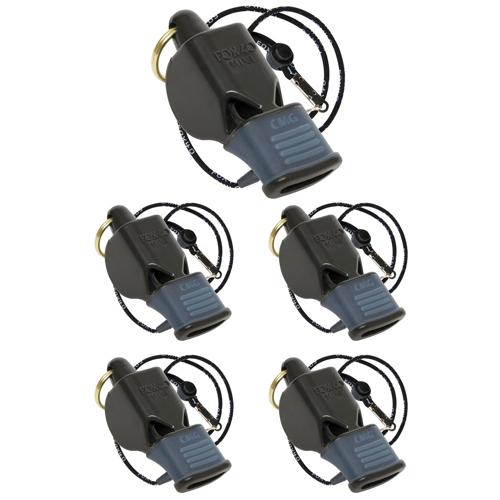
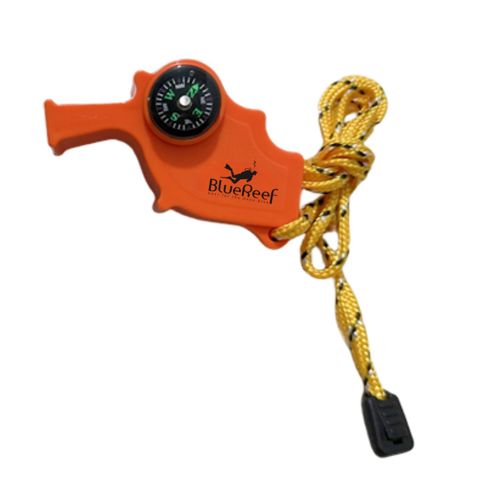
Whether you’re planning a summer hike along scenic ridgelines, paddling through winding rivers, or diving into the world of underwater exploration, a rescue whistle is one of those small, often-overlooked essentials that can make all the difference in an emergency. As the weather warms and outdoor adventures beckon, the importance of reliable signaling devices becomes more apparent. Rescue whistles are not just for seasoned explorers; they’re a smart addition to any outdoor kit, whether you’re a weekend camper, a family embarking on a camping trip, or someone who enjoys solo excursions off the beaten path. Their lightweight, compact design means they can be clipped to a backpack, attached to a personal flotation device, or worn around the neck—always within easy reach. Bright colors like orange or yellow make them easy to spot in a crowded gear bag or if dropped along a trail. For those who spend time near water, a pealess whistle is especially valuable, as it won’t jam or freeze, even when wet, and it can produce a high-decibel sound that cuts through wind, rain, or the roar of rapids. The standard emergency signal—three loud blasts—can be heard over long distances, offering peace of mind that help can be summoned quickly if needed.
When choosing a rescue whistle, there are a few key factors to keep in mind. Durability is paramount; look for models made from tough, UV-resistant plastics or corrosion-proof materials that can withstand the rigors of sun, saltwater, and rough handling. Sound output matters, too—a whistle rated between 100 and 120 decibels ensures your signal can carry over ambient noise, whether you’re calling for attention in a dense forest, across an open lake, or from a remote mountain pass. Attachment options such as lanyards, clips, or integrated mounting points allow you to secure the whistle where it’s most accessible—think zipper pulls, shoulder straps, or the front of your life vest. Many outdoor enthusiasts appreciate whistles that double as gifts, especially for those just starting to build their adventure kit; they’re practical, affordable, and show thoughtfulness toward a loved one’s safety. As summer unfolds and outdoor activities increase, rescue whistles also become a common addition to group outings, youth camps, and guided tours, where having a clear, universally understood means of signaling can streamline communication and enhance group safety. For those interested in specialized options tailored for hiking, a curated selection can be found at
Emergency Whistles For Hiking Backpacks, offering more ways to stay prepared in the great outdoors.
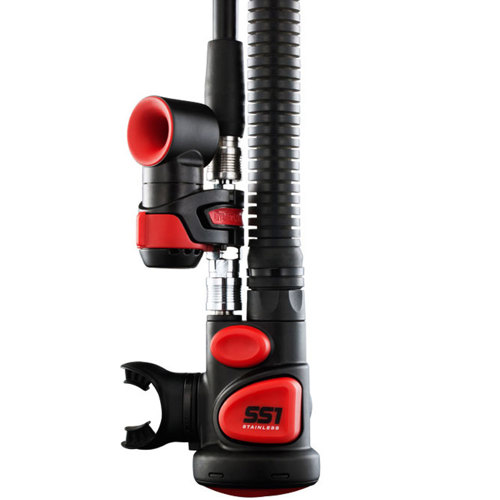
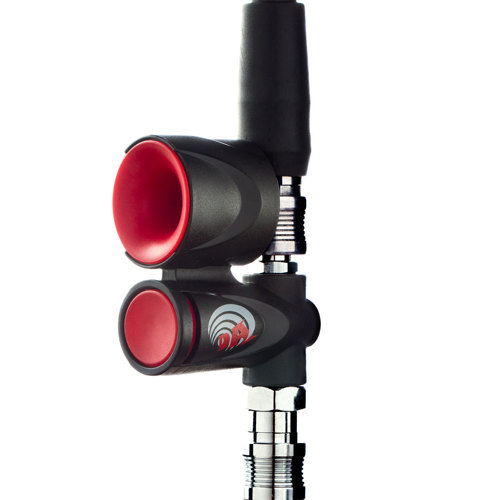
The versatility of rescue whistles extends beyond immediate emergency scenarios. They’re an everyday tool for signaling across campgrounds, keeping groups together on winding trails, or alerting others to wildlife sightings without shouting. In marine environments, where voices are often lost to wind and waves, a whistle’s piercing tone can quickly draw attention. For divers and snorkelers, compact, corrosion-resistant whistles are easily stowed with other safety gear, ready to be used at the surface if separation from the group occurs. Their value is recognized by outdoor educators, guides, and parents, who often make a habit of ensuring every member of a group has one within reach. As outdoor adventures shift from spring’s cool mornings to summer’s long, sunlit days, rescue whistles remain an essential companion—simple, effective, and trusted by those who know that preparedness is the first step toward a safe and memorable outing.