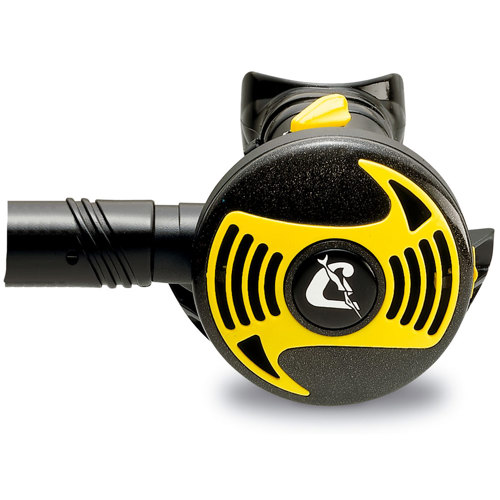
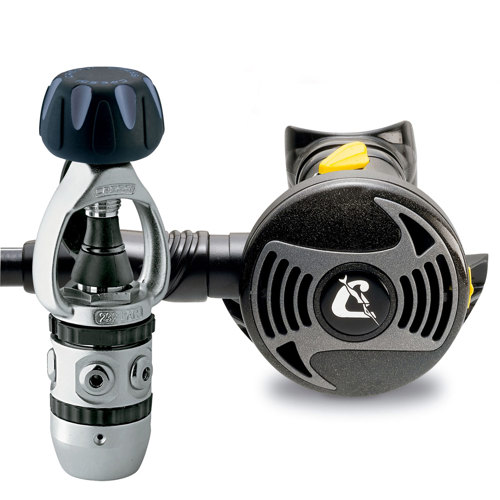
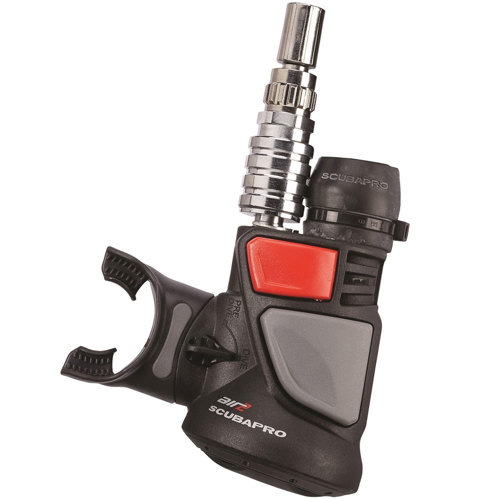
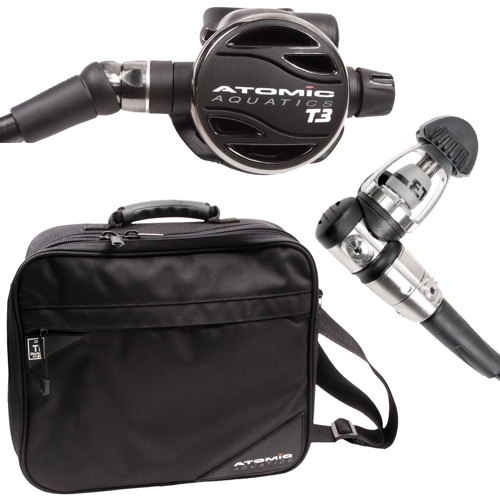
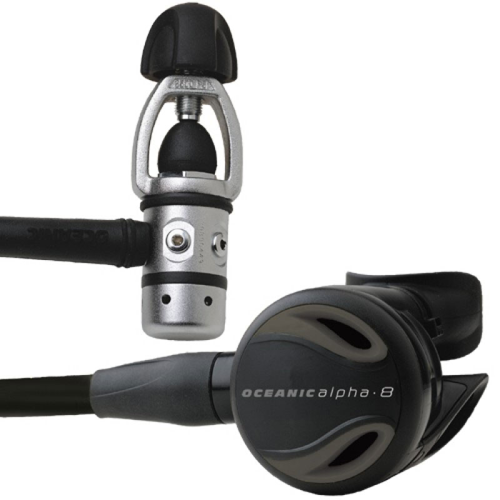
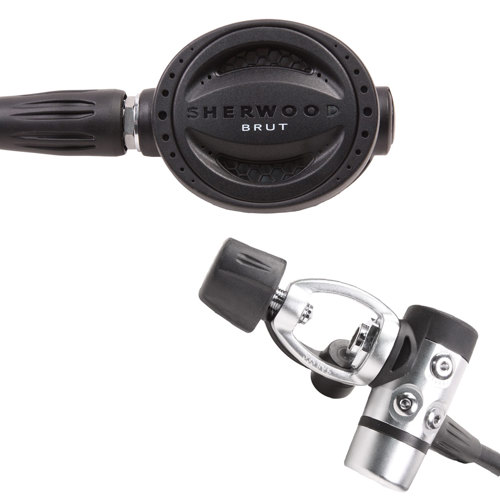
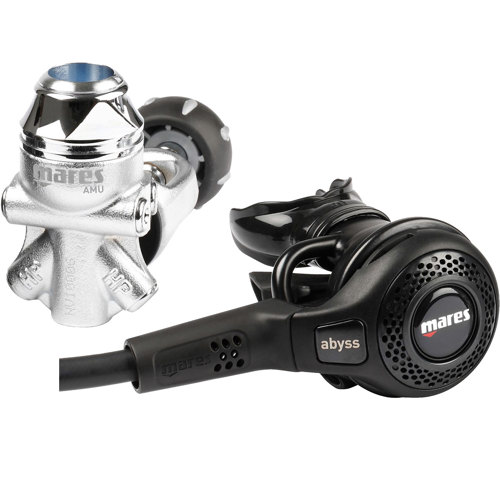
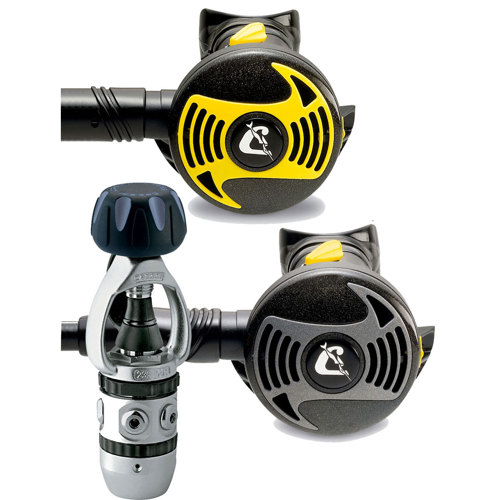
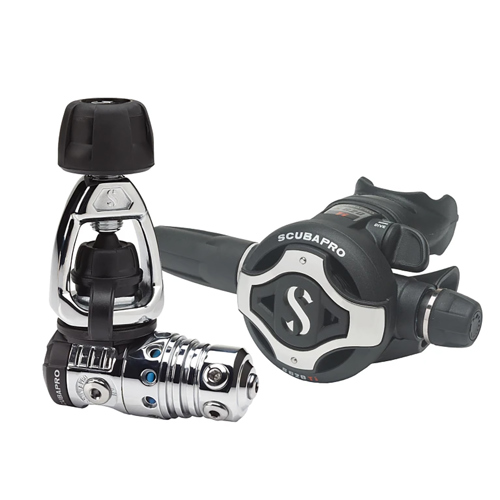
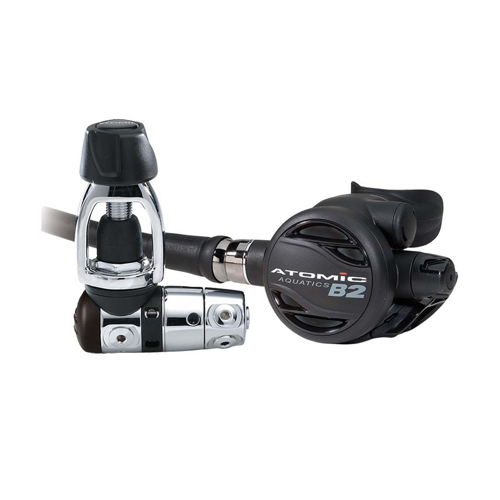
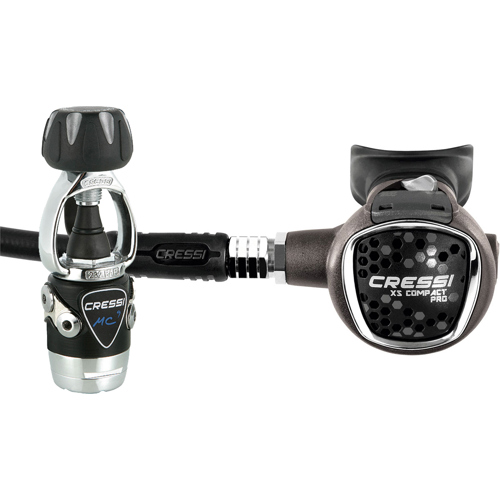
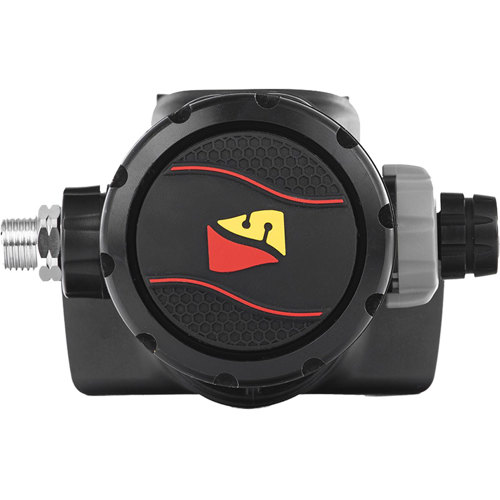
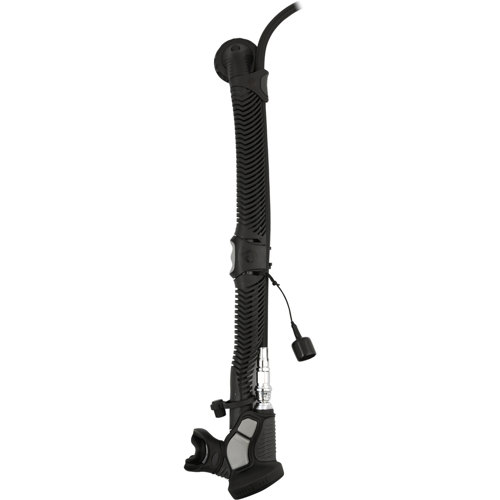
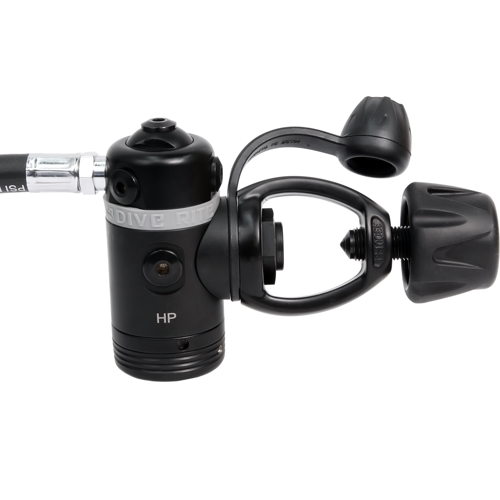
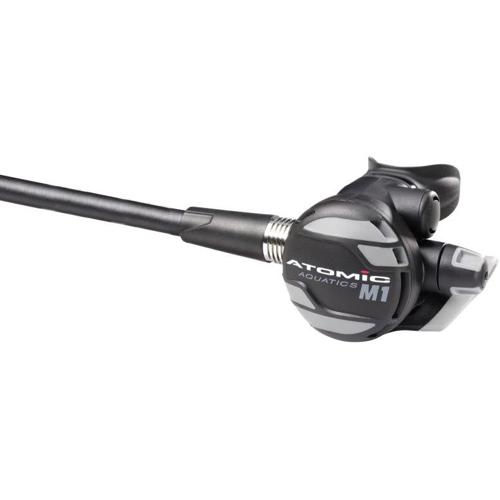
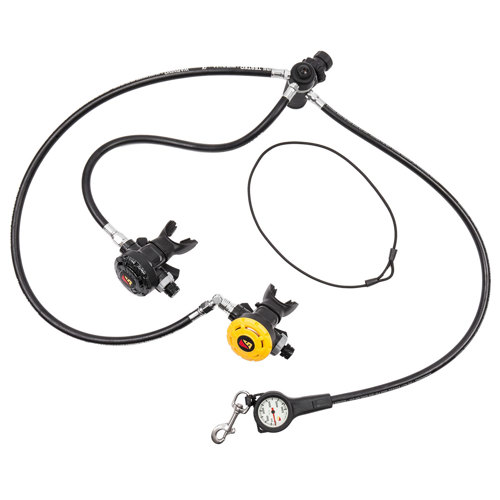
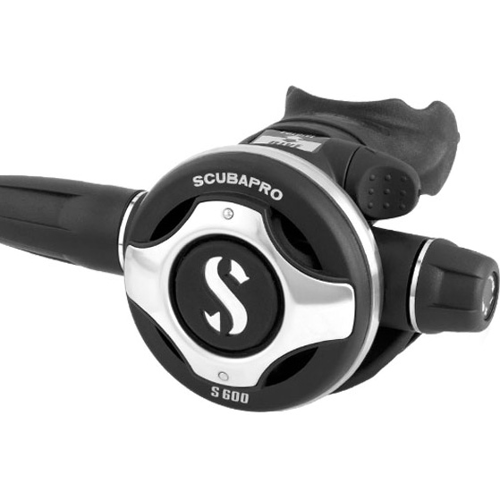
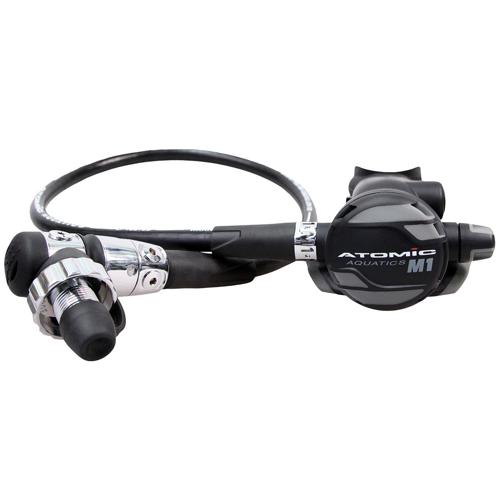
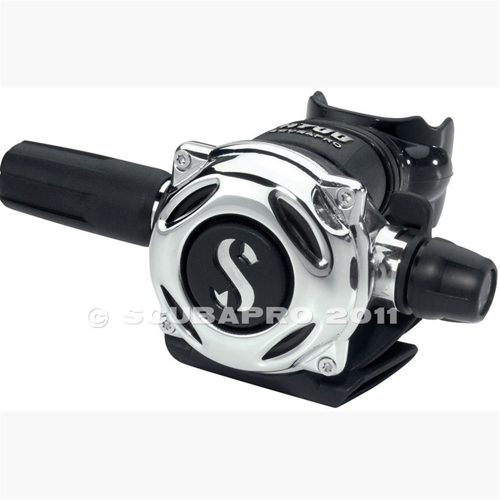
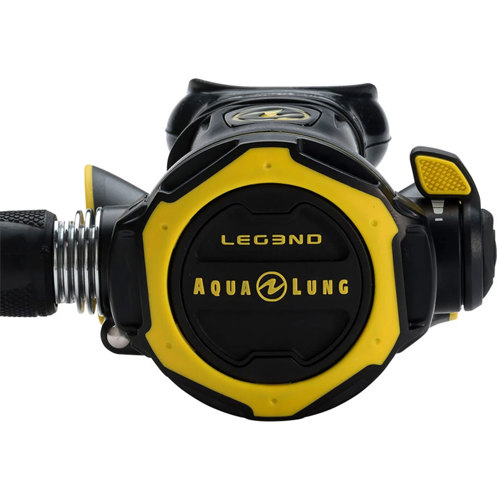
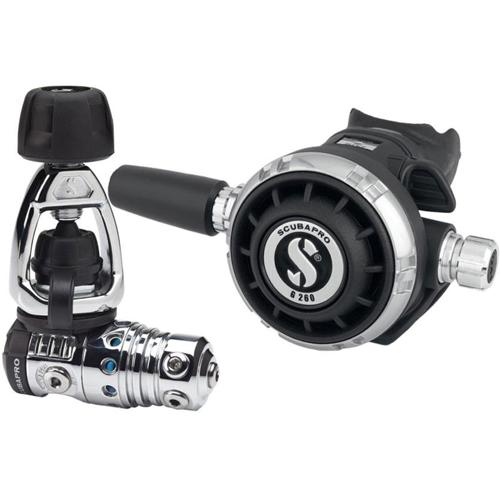
Rescue diving regulators are engineered for the unique demands of emergency response and support scenarios underwater, where reliability and rapid access can make all the difference. These specialized devices are designed with features that set them apart from standard recreational models, focusing on robust construction, high-visibility components, and performance under stress. In rescue situations, divers often encounter challenging environments—cold water, low visibility, and unpredictable currents—so a dependable dive regulator is essential. Many rescue regulators feature environmentally sealed first stages, which guard against salt, silt, and sediment, reducing the risk of freeze-up and prolonging the life of the equipment. Balanced diaphragm or piston designs are commonly chosen for their ability to deliver consistent airflow regardless of depth or tank pressure, an absolute necessity when assisting a diver in distress. High-visibility second stages and hoses, often in bright yellow, are standard to ensure the regulator can be located instantly—vital when seconds count. Adjustable inhalation resistance and venturi switches allow the rescuer to fine-tune breathing effort and prevent free-flow, especially in turbulent water or when moving quickly to reach a diver in need.
For professional rescue divers, instructors, dive masters, and public safety teams, a water pressure regulator rescue setup is more than just equipment—it’s a lifeline. These individuals rely on their gear to perform flawlessly during drills, training exercises, and real emergencies, whether it’s a summer rescue operation in warm coastal waters or a winter response in icy lakes. The right diving regulator can also be an invaluable addition to the kit of recreational divers who want to be prepared for buddy assistance or who participate in volunteer search and rescue groups. Instructors often recommend that every diver carry a well-maintained octopus, with hose routing that places the backup regulator within the “golden triangle” between chin and lower rib cage, so it’s always within easy reach. Routine maintenance is a must; regular inspections and servicing ensure the regulator is ready for action at any moment, a practice ingrained in every experienced diver’s routine. As the diving season ramps up in May and the water warms, many divers take the opportunity to upgrade or service their gear, making it an ideal time to consider the reliability and features of your current rescue setup.
Gifting a rescue diving regulator is a thoughtful gesture for the safety-minded diver in your life, especially for those who serve as dive buddies, instructors, or safety officers in local dive communities. It’s a gift that speaks to care, responsibility, and readiness—qualities that define the best in the diving world. Whether you’re assembling a rescue kit for a new instructor, equipping a public safety team, or simply ensuring your own safety on every dive, choosing the right regulator involves careful consideration of environmental sealing, balanced performance, hose length, and ease of use under stress. For those looking to explore additional options or to compare features across a broader range of safety-focused equipment, our curated collection of
Safety Diving Regulators offers further insight into the most reliable choices available. With the right rescue diving regulator, you’re not just investing in equipment—you’re investing in peace of mind, knowing you’re prepared to support yourself and others, season after season, dive after dive.