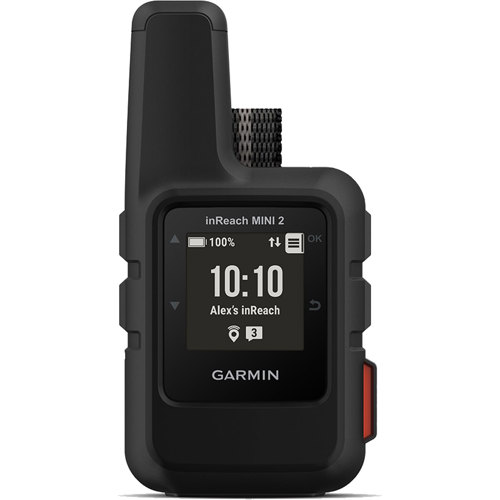
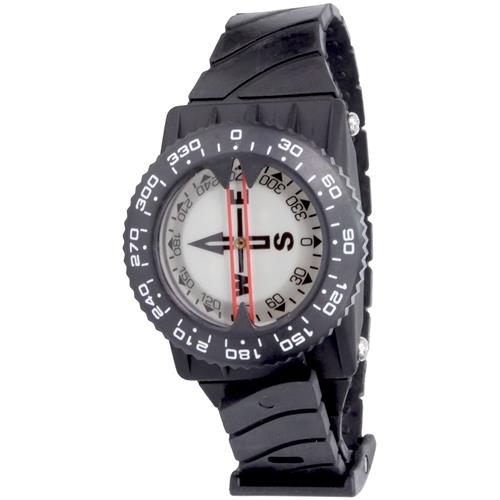
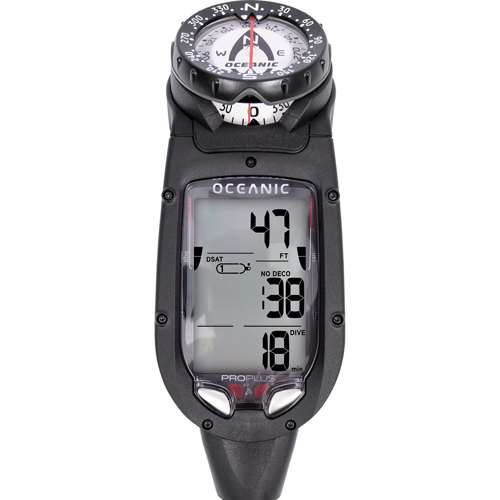
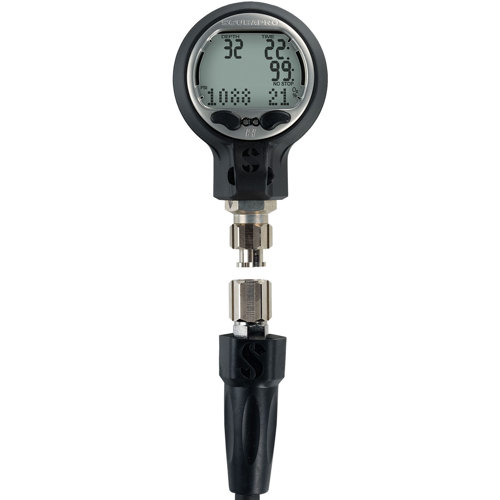
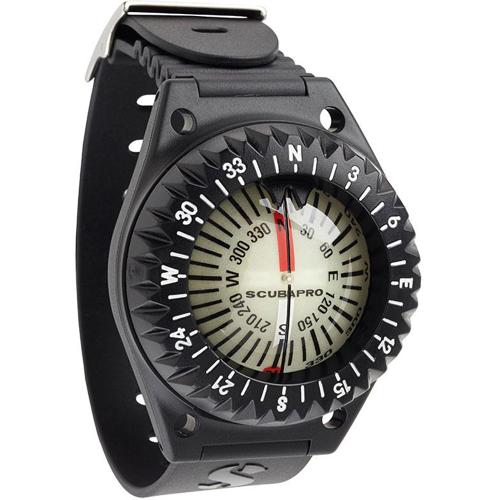
Navigating underwater or across challenging terrain demands reliable, precise tools, and relative navigation compasses have long been trusted by explorers, divers, sailors, and outdoor enthusiasts for their accuracy and versatility. Whether you’re planning a spring or summer dive trip, prepping for a hiking adventure, or setting out on a boating excursion, understanding the nuances of different compass types can make a real difference in your experience. The world of navigation compasses ranges from lightweight, transparent baseplate models favored by orienteers for their ease of map work, to robust mirror compasses that deliver precise bearings over long distances—ideal for survivalists and those venturing into unfamiliar territory. For those who require even greater durability and accuracy, lensatic or military compasses are engineered to withstand tough conditions, making them a staple in land navigation, search and rescue, and tactical applications. Marine magnetic compasses, designed specifically for boating environments, are built to handle constant vibration and shifting movement, ensuring that your heading remains clear even in choppy conditions. In recent years, satellite and GPS-based compasses have become invaluable for those who demand high-precision electronic navigation, as they utilize GNSS signals to calculate true heading and eliminate magnetic interference—an important consideration for anyone navigating through complex underwater or coastal environments.
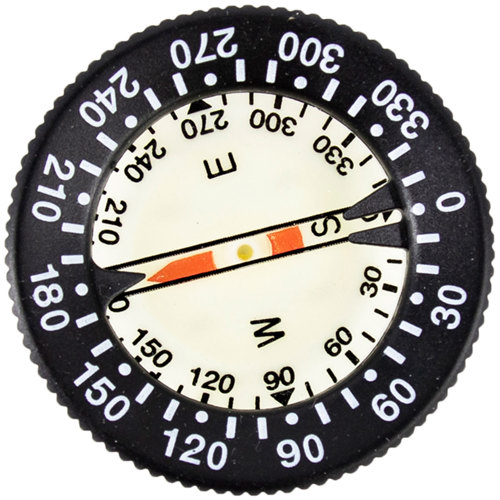
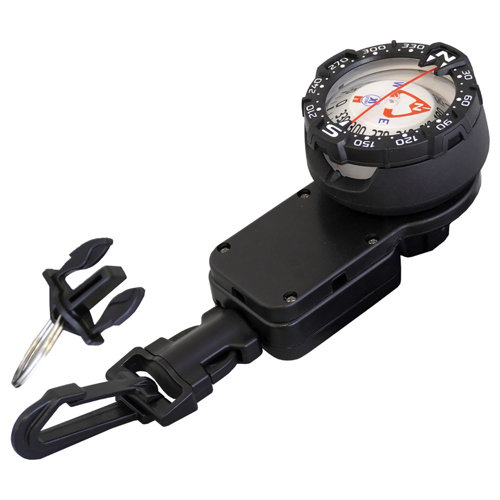
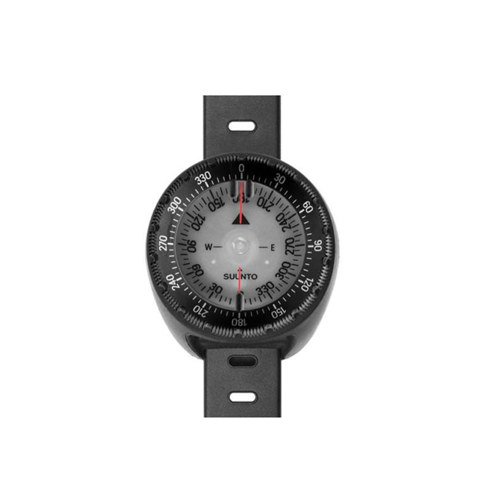
When considering an underwater navigation compass, quality indicators such as bubble-free liquid-filled housings, quick needle settling times, and crisp, easy-to-read markings become paramount. Liquid-filled compasses are especially prized by divers and mariners for their stability, as the damping fluid prevents the needle from jumping erratically—a crucial feature when you’re submerged or on a moving vessel. Declination adjustment is another critical factor to look for, allowing you to compensate for the difference between magnetic north and true north, which can be significant depending on your location. This feature is particularly important for those who rely on precise bearings, such as technical divers conducting search patterns, or wilderness explorers plotting multi-day routes. The right compass can also make a thoughtful and practical gift for outdoor enthusiasts, students learning orienteering, or anyone planning a big adventure—especially as the warmer months invite more people to explore the world above and below the surface. The tactile satisfaction of holding a well-crafted compass, feeling its balanced heft, and watching the needle settle with certainty, can inspire confidence and a sense of connection to the tradition of navigation that has guided adventurers for generations.
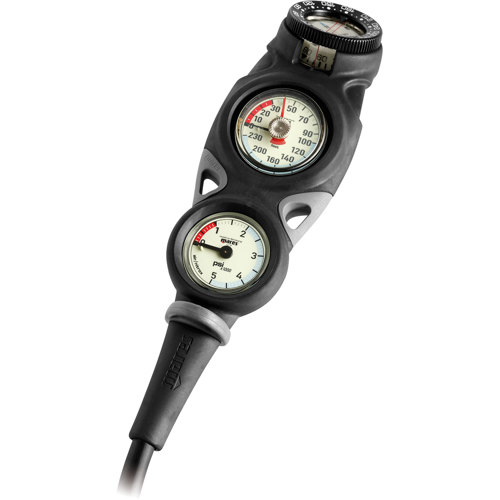
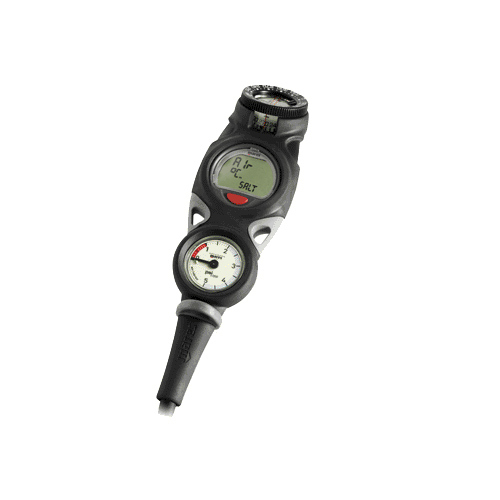
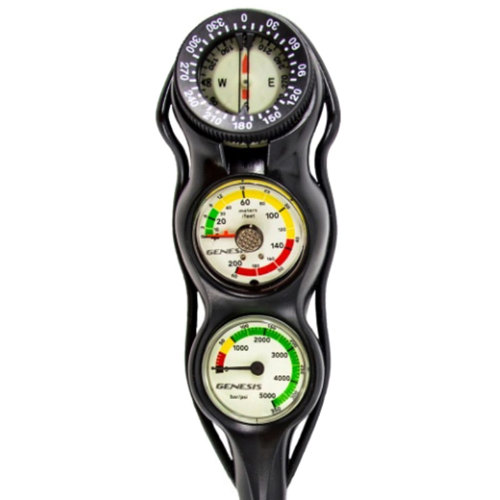
Selecting the best relative navigation compass is ultimately about matching the tool to your environment and needs. For divers, features like luminous markings and oversized dials are indispensable for low-visibility underwater navigation, while boaters may prioritize compasses that can be securely mounted and are resistant to saltwater corrosion. Hikers and land navigators often appreciate models with integrated sighting mirrors and declination adjustment for pinpoint accuracy, especially during long treks where reliable orientation is key. No matter your pursuit, investing in a high-quality compass means you’re equipping yourself to navigate with confidence, whether you’re charting a course through kelp forests, steering a sailboat at dusk, or plotting a route through dense woodland. For a deeper dive into the variety of options and to find tools tailored to your specific adventure, visit our comprehensive collection at
Compass Heading Tools. With the right equipment and a bit of know-how, every journey—on land or beneath the waves—becomes safer, more efficient, and infinitely more rewarding.