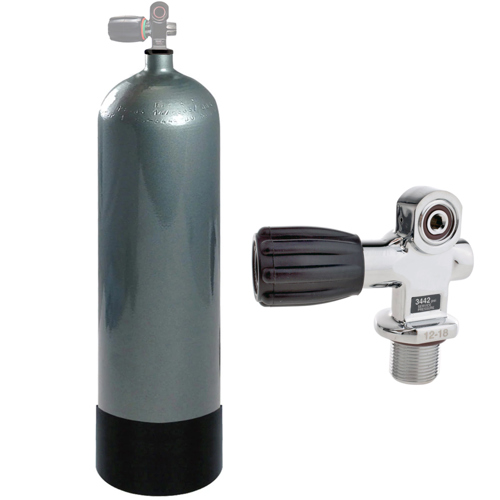
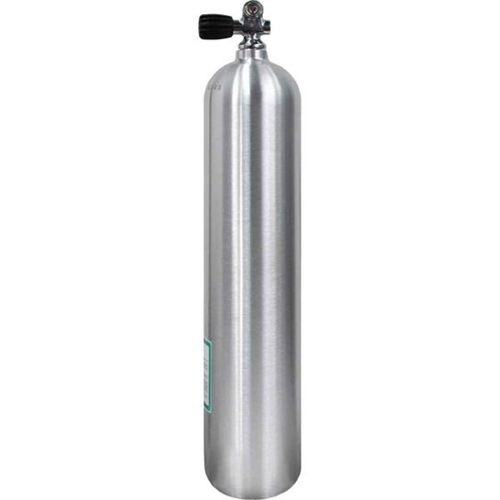
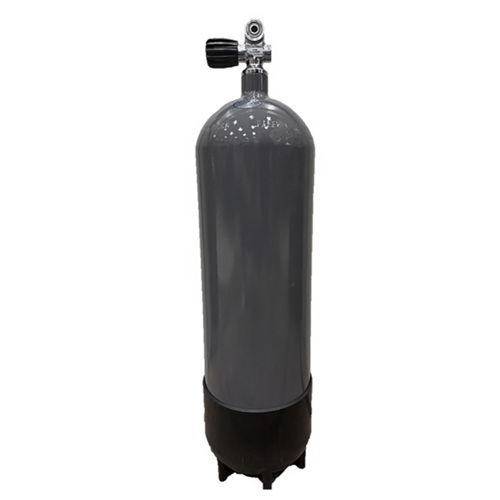
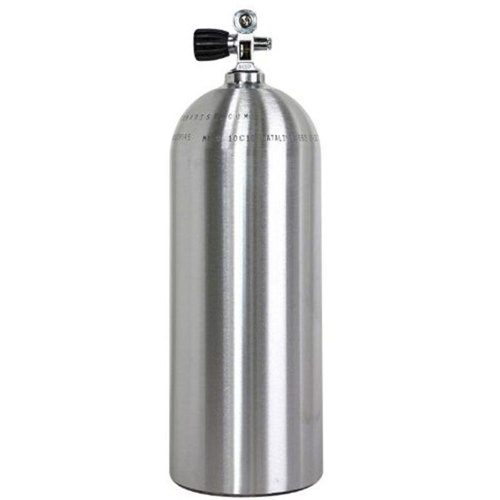
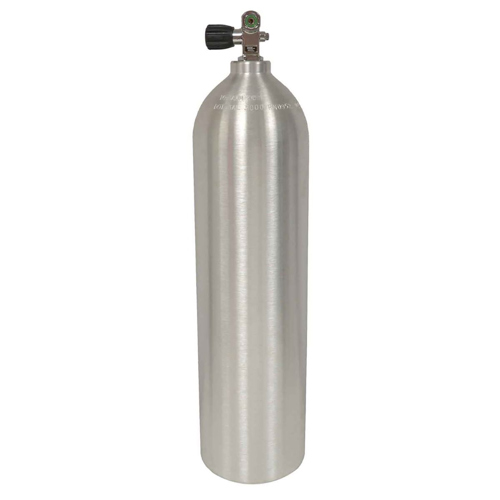
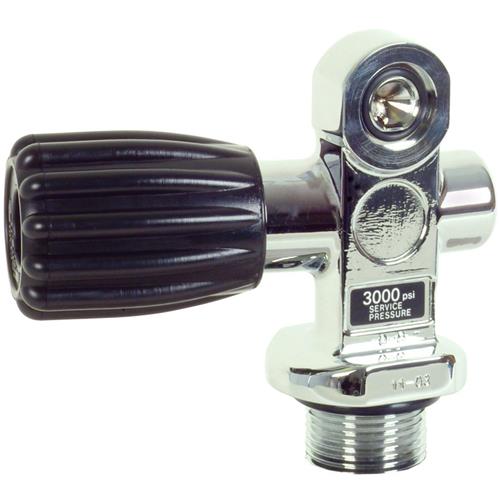
Selecting the right oxygen tank for diving is a crucial decision for any diver, whether you’re a seasoned explorer venturing into the depths or a beginner preparing for your first open water adventure. The dive oxygen tank serves as your lifeline beneath the surface, delivering a steady supply of breathable gas so you can safely experience the underwater world’s wonders. Most divers rely on compressed air—typically a mix of 21% oxygen and 79% nitrogen—though some opt for enriched air nitrox for longer bottom times or specific dive profiles. The classic 80 cf tank, made from durable aluminum, remains a popular choice for recreational divers due to its balance of capacity, weight, and reliability. These tanks are engineered to withstand high pressures, often filled to around 3000 psi, providing ample gas for most single-tank dives. For those who prefer a slightly lighter setup or are diving in colder waters during the winter months, steel cylinders or smaller capacity tanks, such as the 12l diving cylinder, offer alternative solutions that cater to different buoyancy and logistical needs.
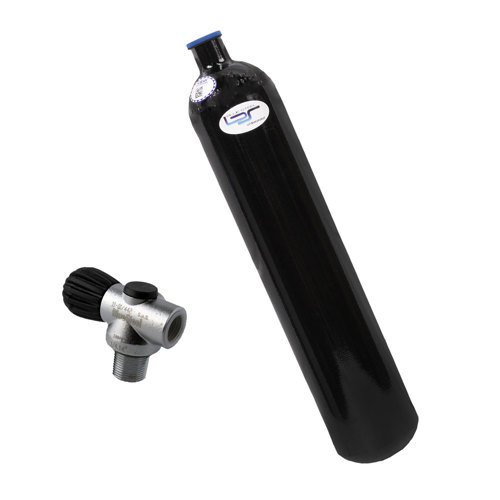
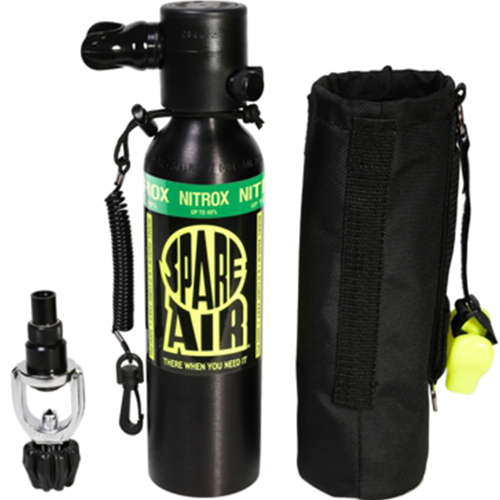
Diving oxygen bottles come in a range of sizes and configurations to suit various activities and experience levels. Mini and pony bottles—compact tanks holding between 0.5L and 2L—are ideal as backup air sources, offering peace of mind during complex dives or serving as a safety net in case of primary tank failure. These smaller cylinders are also popular among underwater photographers, technical divers, and instructors who may need to support students or manage emergencies. Winter diving, with its brisk surface air and often clearer waters, can add an extra layer of consideration when choosing your divers oxygen tank; colder conditions may affect air consumption and regulator performance, making reliable, well-maintained equipment even more essential. For those advancing into technical or deep diving, exploring wrecks, or planning extended decompression stops, larger capacity tanks and specialized gas mixes are often required. In these cases, divers might supplement their primary cylinder with additional tanks, or reference resources like our
Technical Diving Bottles page for more advanced options.
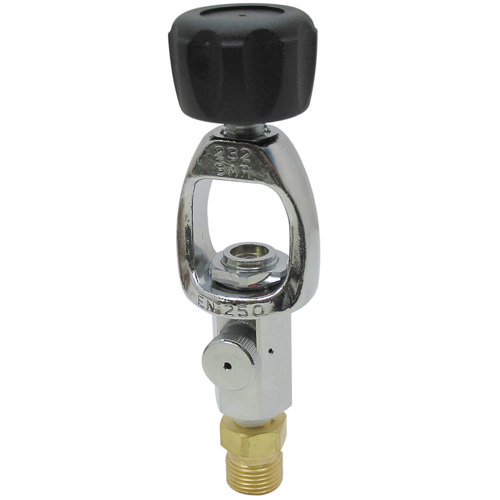
Oxygen tanks for diving are not just practical investments—they can also make thoughtful gifts for the diver in your life, especially as the new year inspires fresh underwater goals and adventures. Whether preparing for a tropical getaway or braving local waters in the cooler months, a new or upgraded tank can open doors to longer, safer, and more enjoyable dives. It’s important to consider factors such as tank weight, buoyancy characteristics, valve compatibility, and maintenance requirements when making your selection. Many divers recall their first breath from a freshly filled, perfectly balanced tank—how the hiss of pressurized air signaled the start of an unforgettable journey below the waves. Whether you’re seeking the versatility of an 80 cf tank for all-around recreational use, the streamlined profile of a 12l diving cylinder, or the reassurance of a backup diving oxygen bottle, choosing the right equipment ensures you can focus on the vibrant marine life, shimmering winter thermoclines, and the thrill of discovery that make diving such a unique pursuit.