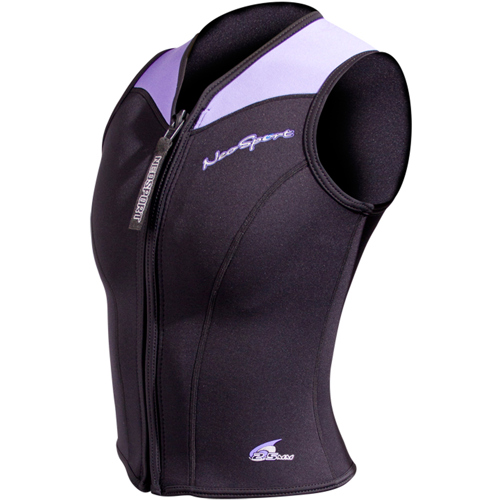
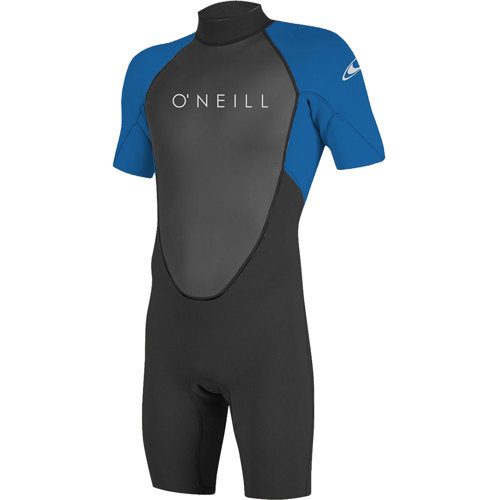
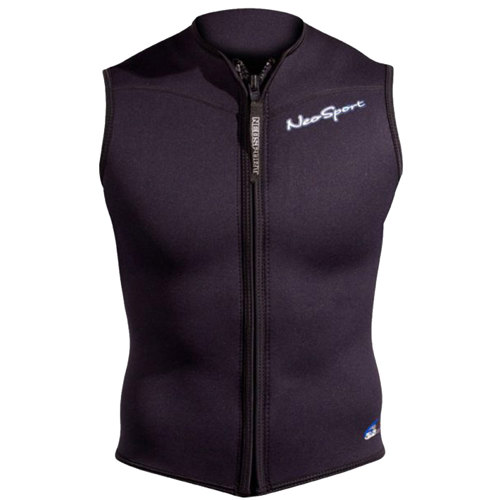
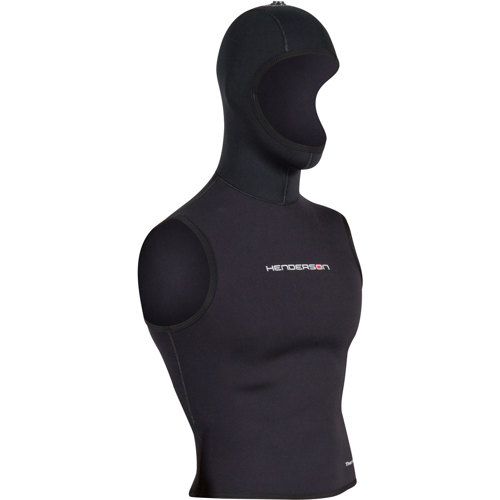
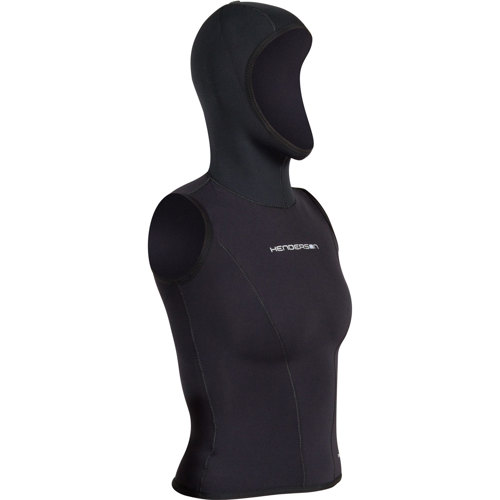
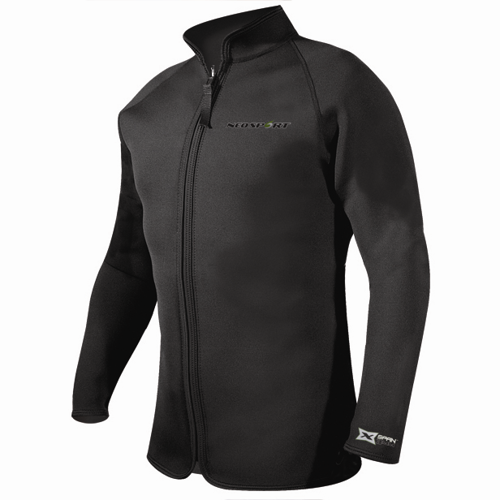
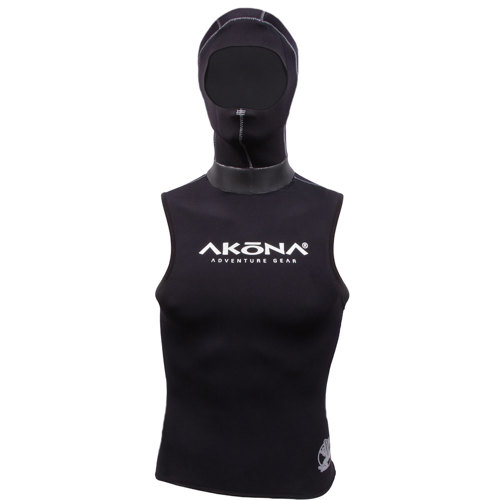
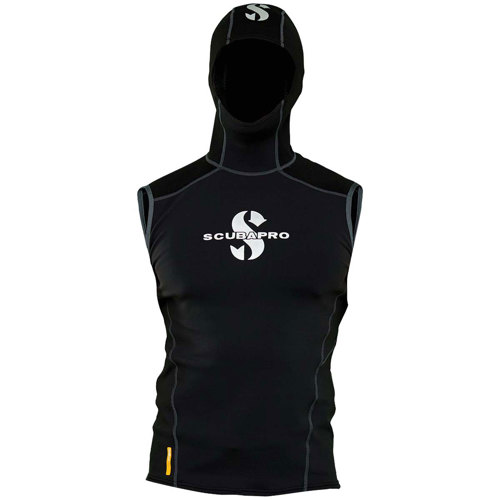
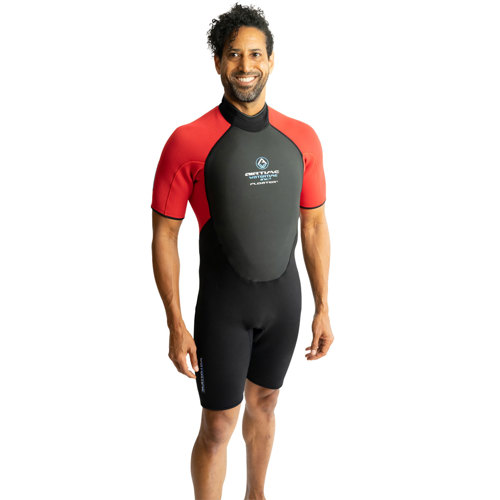
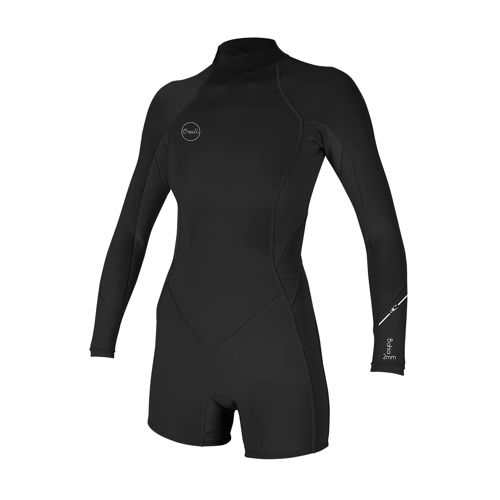
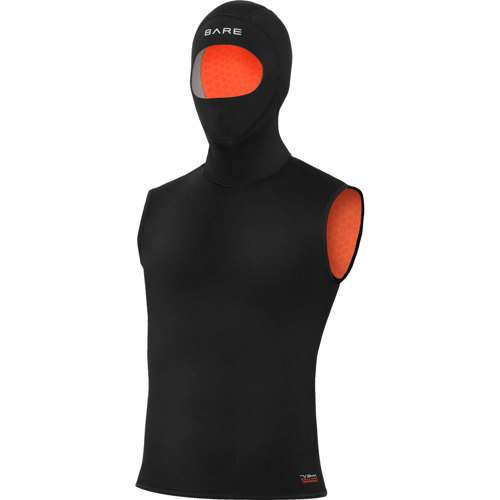
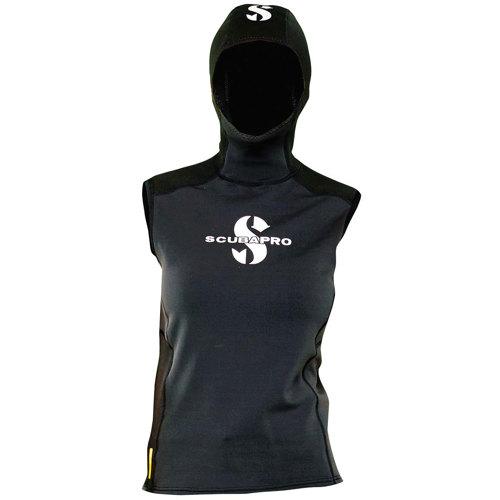
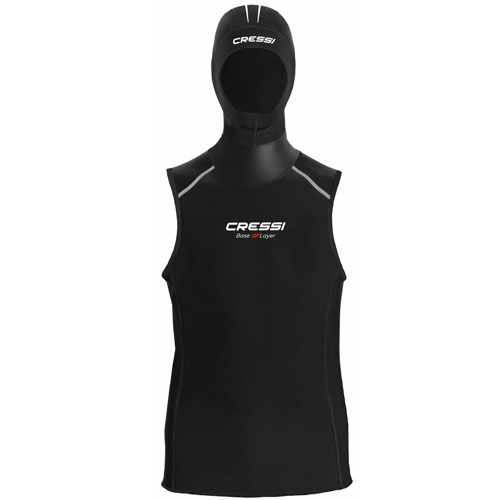
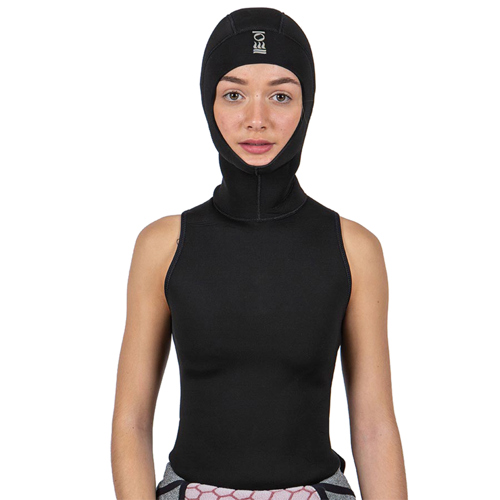
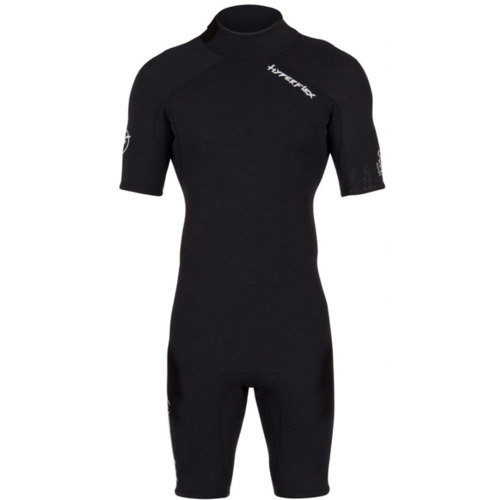
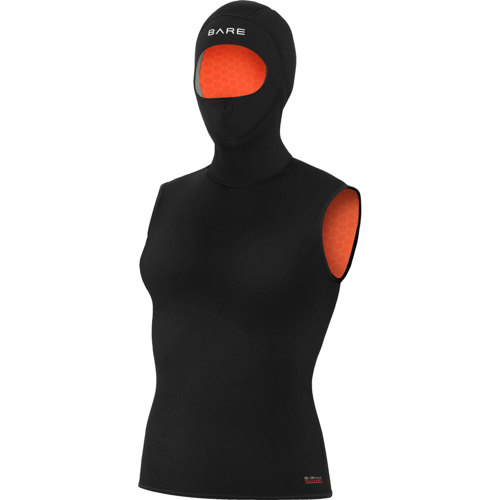
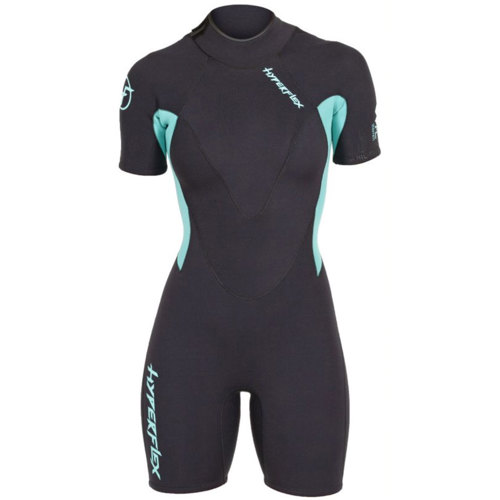
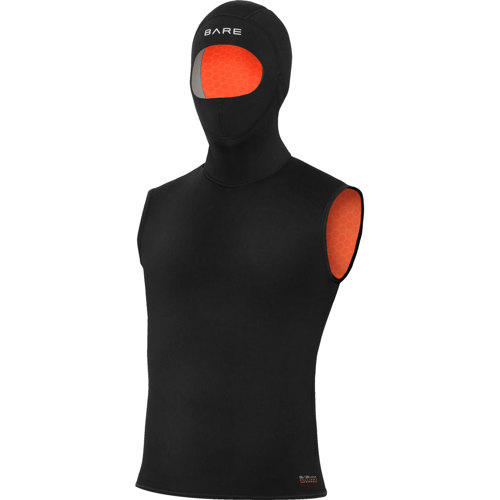
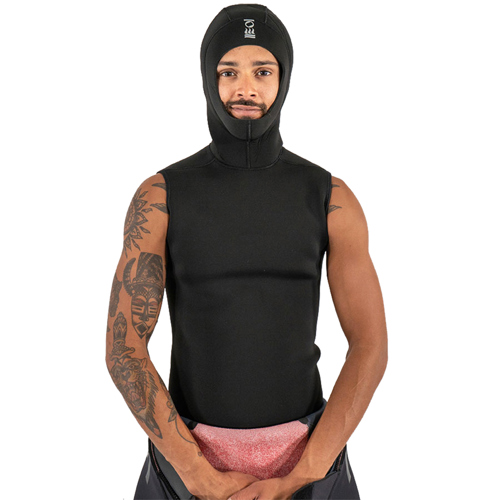
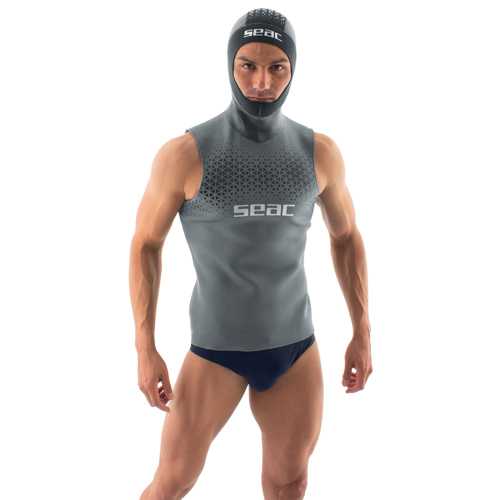
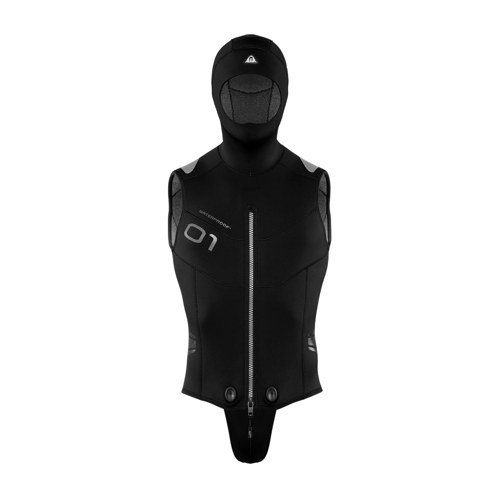
When planning your next dive or snorkeling adventure, the right gear can make all the difference between a comfortable, memorable experience and one that leaves you shivering on the surface. Neoprene spring vests have become an essential part of many water enthusiasts’ kits, especially as the seasons begin to change and water temperatures hover in that in-between zone—not quite cold enough for a full wetsuit, but too brisk for just a swimsuit or rash guard. Spring vests, crafted from flexible neoprene, offer targeted core warmth without restricting your arms, making them ideal for divers, snorkelers, paddleboarders, and swimmers who want a little extra insulation while maintaining freedom of movement. As February brings shifting weather and water temperatures in many regions, these vests are a smart addition for anyone venturing into the ocean, lakes, or even heated pools where the air still carries a winter chill.
Selecting a neoprene spring vest is a personal decision, influenced by your individual tolerance to cold, the typical conditions you’ll encounter, and your preferred water activities. For divers, a spring vest can be layered under a wetsuit to add warmth on those unexpectedly cool dives or worn on its own when the sun is out and the surface feels inviting but the water below still holds onto winter’s memory. Snorkelers and freedivers appreciate how a vest preserves core temperature during long surface intervals or while exploring shallow reefs, letting you stay out longer without the distraction of a cold shiver. Surfers and paddlers often reach for spring vests in early spring, when the air starts to warm but the water lags behind, needing just that extra bit of insulation across the chest and back. The versatility of these vests extends beyond personal use—they make thoughtful gifts for water-loving friends and family members, especially those who are just starting to build their gear collection or who tend to get cold easily. Picture gifting a neoprene vest to someone gearing up for a tropical vacation, a liveaboard trip, or even a winter getaway to milder coastal waters; it’s a practical gesture that shows you understand the little details that make aquatic adventures more enjoyable.
When browsing through options, consider factors such as neoprene thickness, seam construction, and closure style. Thicker neoprene (usually 2mm to 3mm) offers more warmth, while thinner vests provide a lightweight layer that’s easy to pack and quick to dry. Flatlock stitching is comfortable and durable for most recreational use, but glued and blind-stitched seams offer better resistance to water entry if you’re planning on longer or deeper dives. Zip-front vests are easy to put on and remove, even when wet, while pullover styles minimize potential water flushing and offer a sleeker profile under wetsuits. Don’t overlook fit—neoprene should hug the body closely without restricting movement or breathing, and a good vest will feel snug on land and even better once submerged. With spring just around the corner, now is a great time to evaluate your current setup and see if a neoprene spring vest could fill the gap between comfort and performance. For those interested in exploring more options or learning about the broader category of vests designed for aquatic pursuits, our comprehensive
Neoprene Dive Vests page provides additional information and product selections tailored to a variety of needs and preferences. Whether you’re preparing for a season of local dives, planning an exotic getaway, or simply seeking a versatile piece of gear to extend your time in the water, a neoprene spring vest is a smart, adaptable choice that brings comfort and confidence to every aquatic adventure.