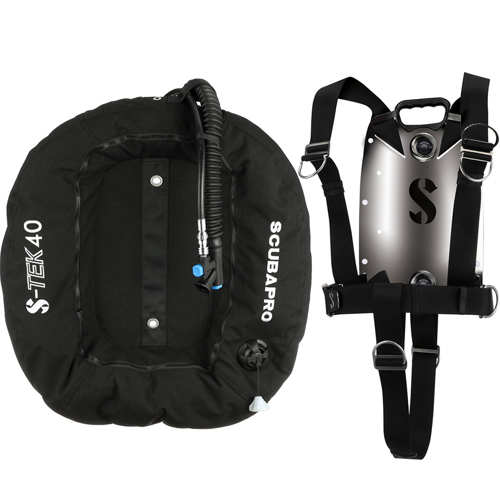
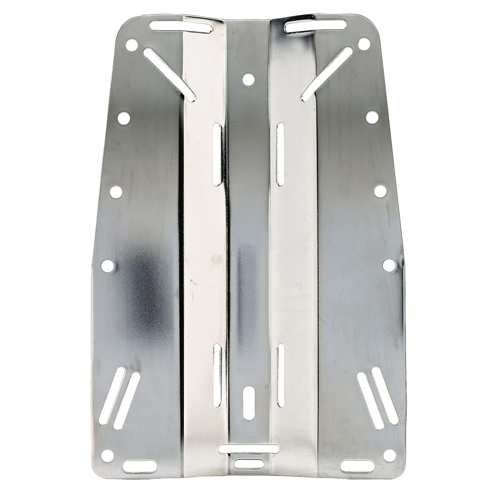
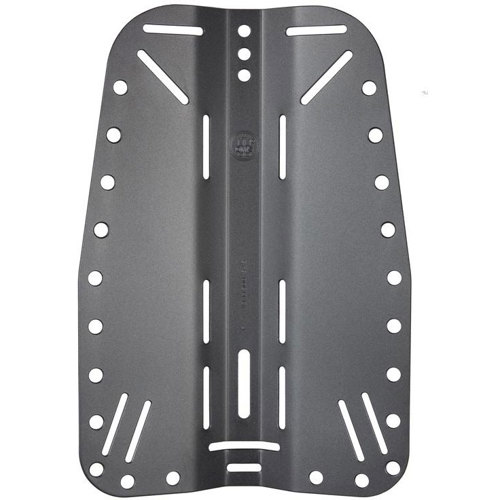
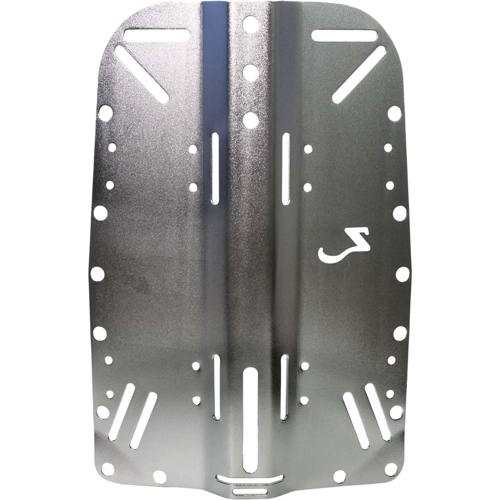
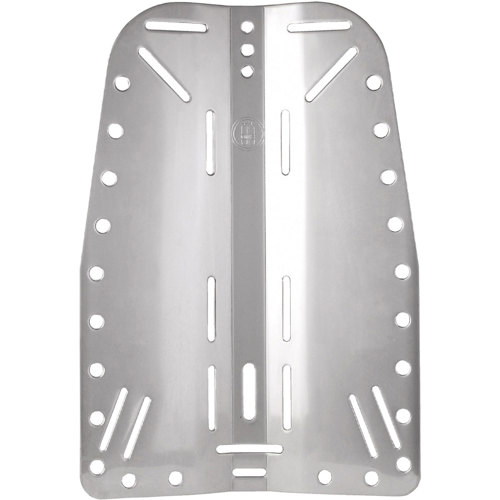
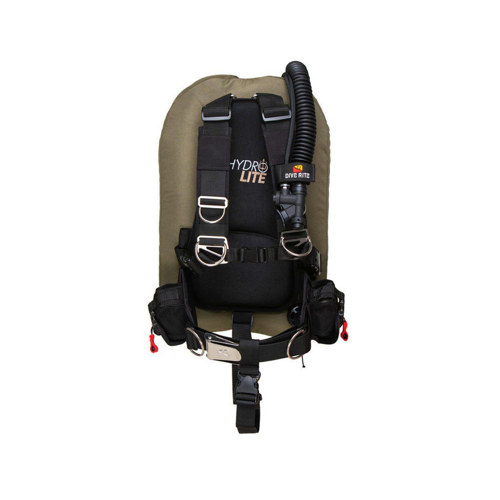
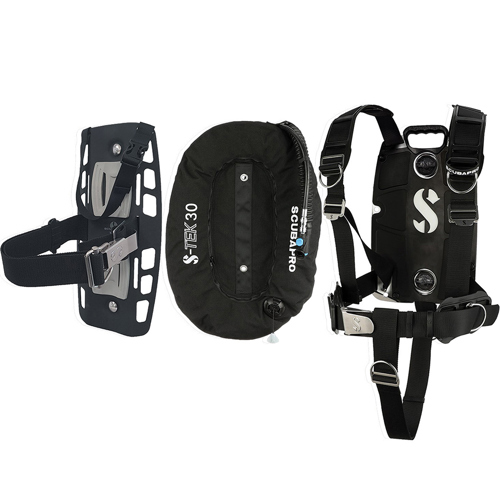
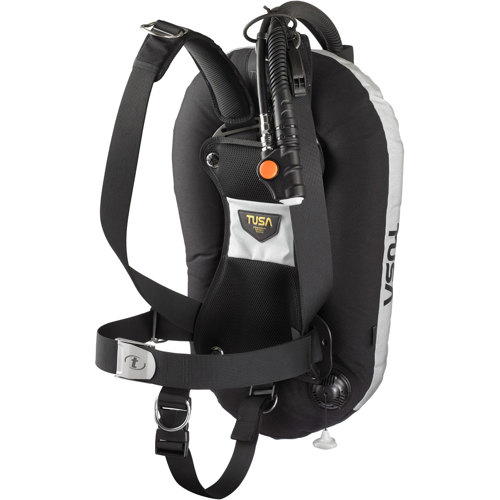
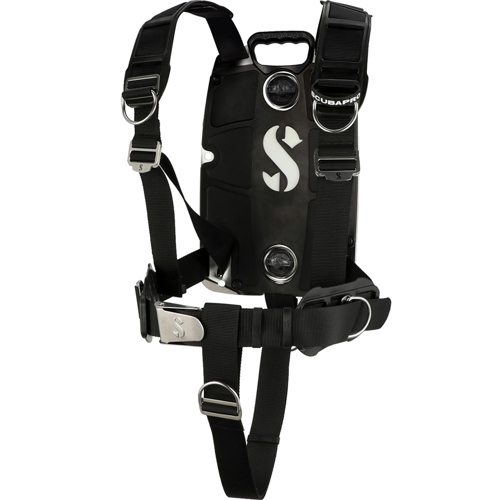
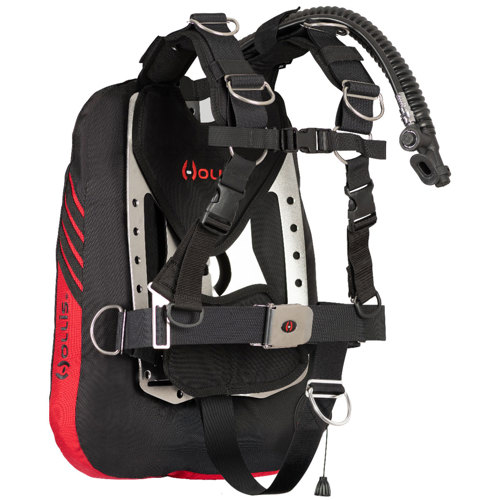
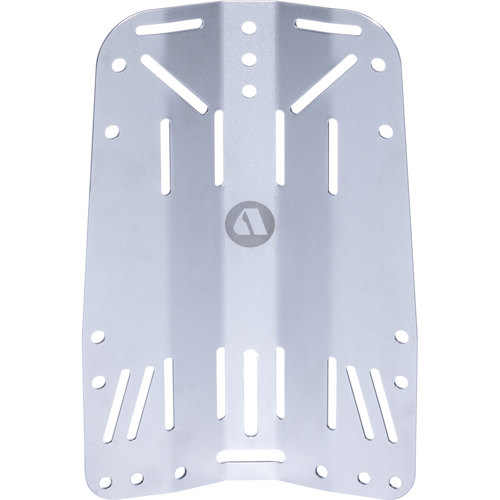
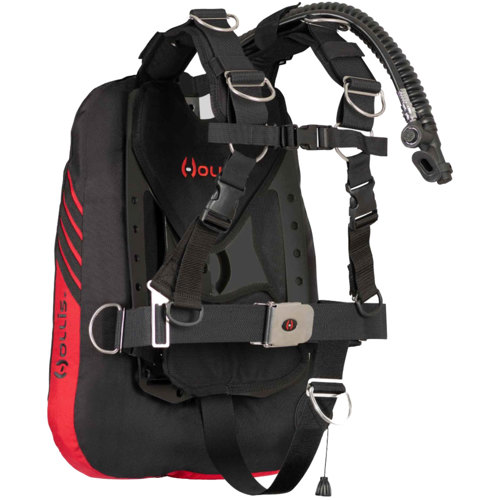
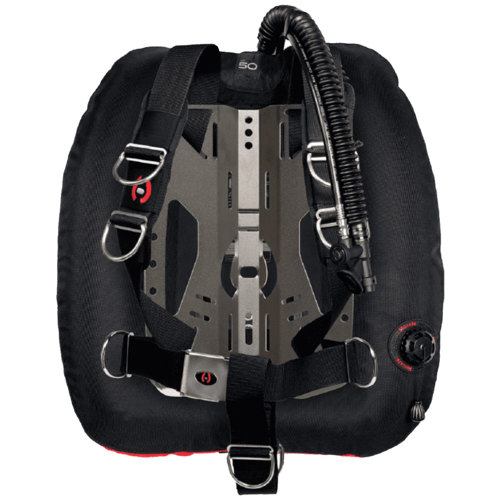
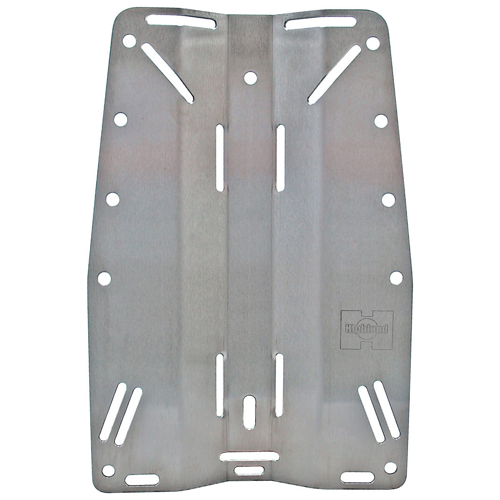
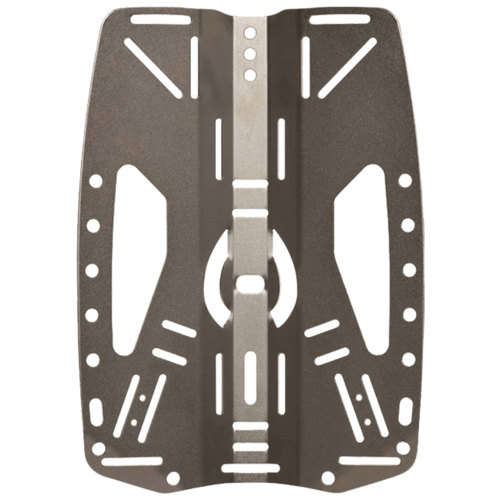
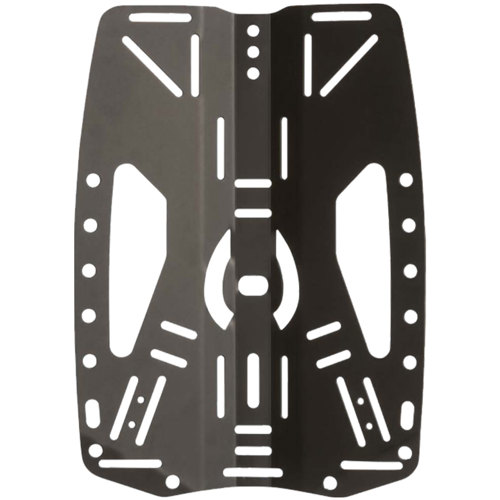
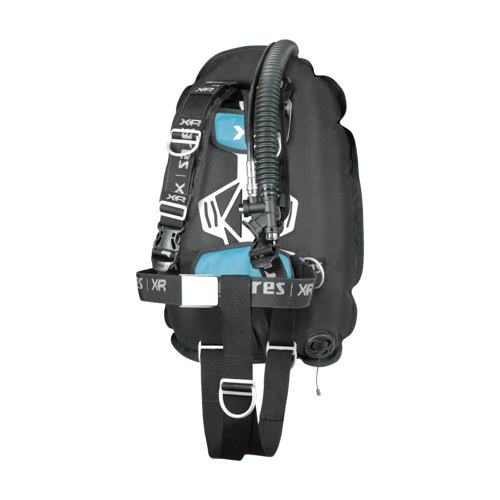
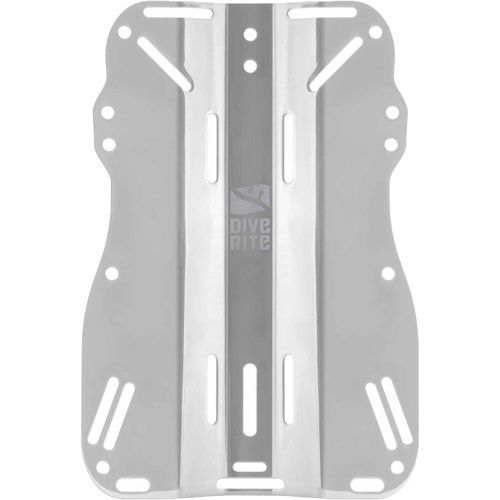
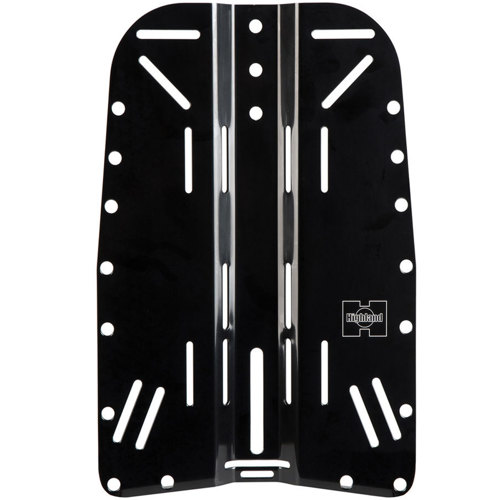
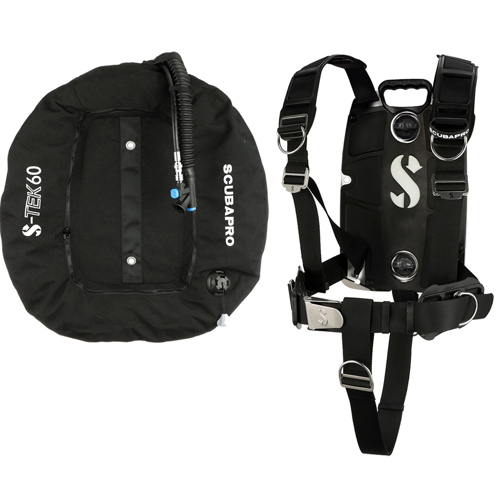
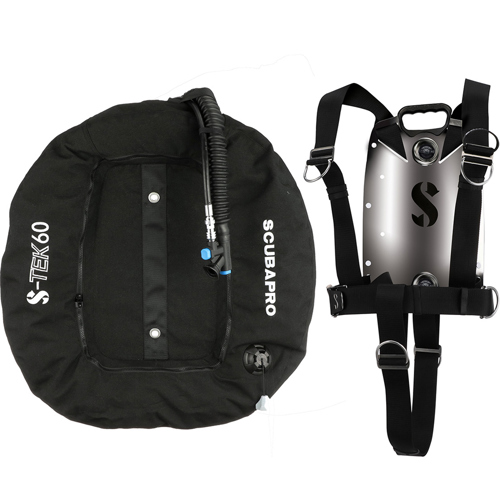
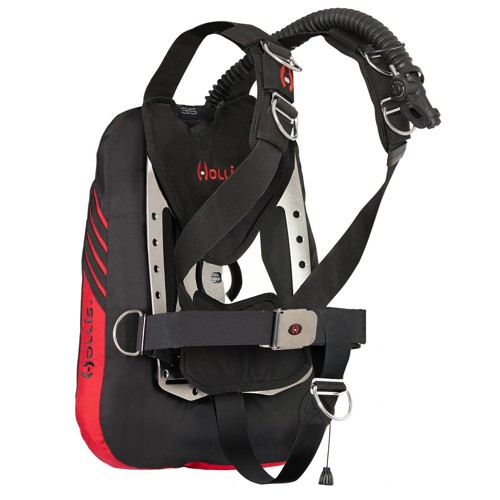
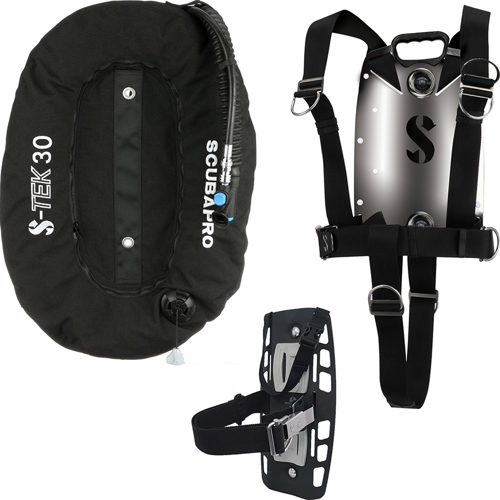
Metal backplate wings have become a staple in the world of advanced scuba diving, prized for their durability, modularity, and ability to deliver a custom fit that grows with a diver’s experience. The backplate and wing configuration, often referred to as a backplate and wing BCD, is designed to provide a streamlined, low-drag profile underwater, which translates to greater efficiency and stability—attributes that are especially valued by technical divers, experienced recreational divers, and those looking to fine-tune their buoyancy and trim. The rigid support of a metal dive plate, typically crafted from stainless steel or lightweight aluminum, acts as an anchor for your scuba cylinder, distributing weight evenly across your back and reducing the need for additional weights. This is particularly beneficial as the weather warms and dive trips become more frequent, whether you’re exploring local quarries, heading out on a summer liveaboard, or planning travel to tropical destinations where every pound in your luggage matters. Stainless steel plates provide extra ballast, ideal for cold water diving with thick exposure suits, while aluminum plates are favored by traveling divers who need to keep gear weight to a minimum.
The versatility of a backplate and wing system lies in its modularity. Divers can mix and match wings of different lift capacities—typically ranging from 25 to 60+ pounds—depending on whether they’re diving with a single tank, double tanks, or even sidemount configurations. For single-tank recreational diving, a donut wing with 25–35 pounds of lift is often sufficient, paired with a single tank adaptor (STA) for secure mounting. Those venturing into technical or extended range diving may opt for larger wings with 45 pounds or more of lift, designed to handle the added weight and bulk of double tanks and additional gear. The harness system, usually a continuous piece of webbing threaded through the plate, offers maximum reliability and can be adjusted or upgraded with padded shoulders, quick-release buckles, or even adjustable harnesses for easier donning and doffing—making the system adaptable for divers of all shapes, sizes, and preferences. This level of customization means a backplate and wing BCD can be tailored for the perfect fit, whether you’re a petite diver seeking comfort or a tall diver needing extra length. The streamlined design also reduces drag, making it easier to move through the water with less effort, which is especially appreciated during long summer dives or when navigating strong currents.
A backplate and wing setup is an excellent investment for divers who want gear that evolves with their diving, and it also makes a thoughtful, practical gift for anyone progressing in their scuba journey. New divers who have gained confidence and are ready to upgrade from a jacket-style BCD often find the transition to a backplate BCD transformative, appreciating the improved trim and control. For seasoned divers, especially those planning to expand into technical, cave, or wreck diving, the modularity and ruggedness of a metal backplate wing system is unmatched. Even for families or dive buddies who share gear, the ability to swap out wings or adjust harnesses means the system can be quickly adapted to different diving scenarios or body types. When choosing a backplate and wing, it’s important to consider not just the lift capacity but also compatibility—most plates use standard bolt spacing, but some proprietary components may not be fully interchangeable. Ensuring your harness, wing, and plate are compatible will maximize the system’s flexibility and longevity. For those interested in exploring the full range of options and learning more about how to select the best setup for their needs, the
Scuba Backplate Wings page offers a comprehensive overview and curated selection to help you make an informed choice for your next underwater adventure.