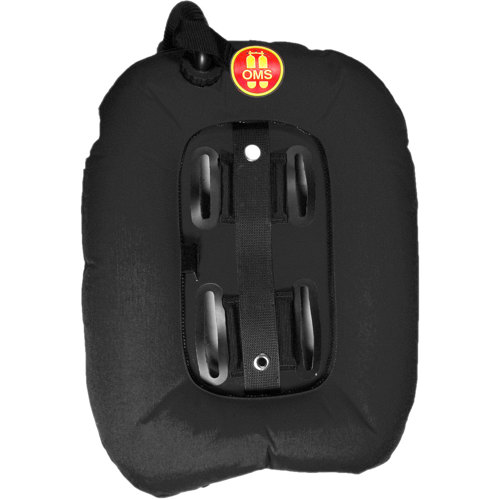
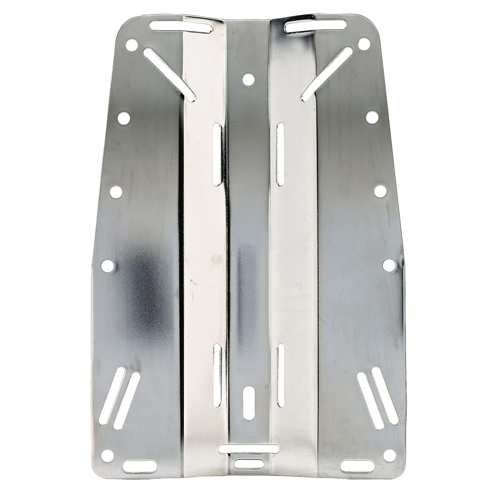
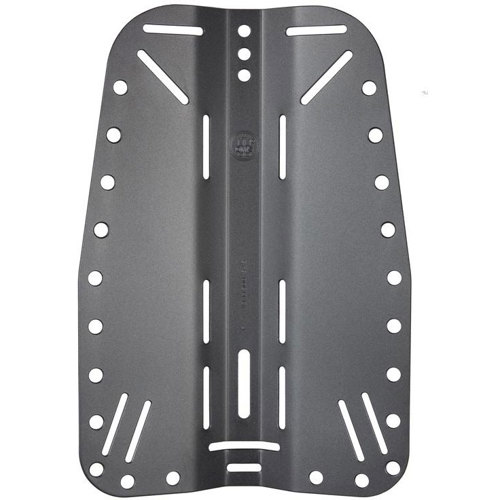
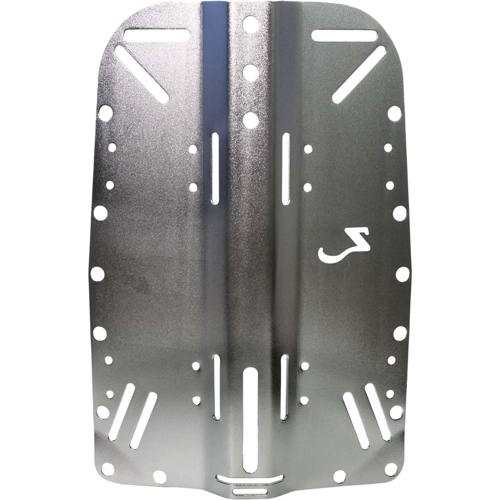
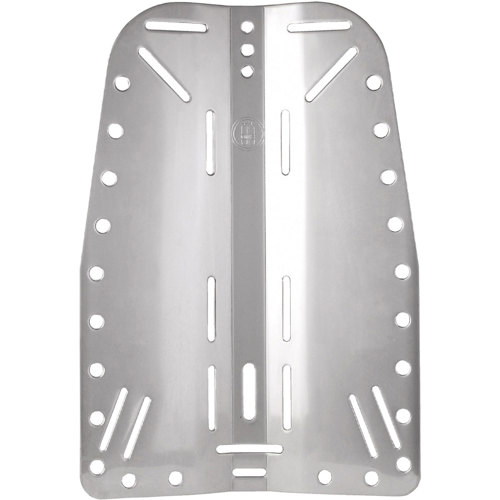
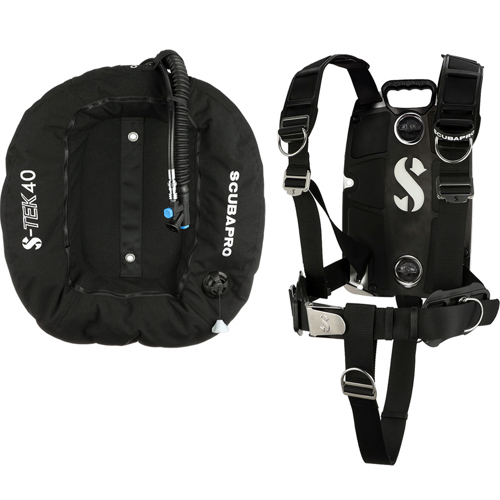
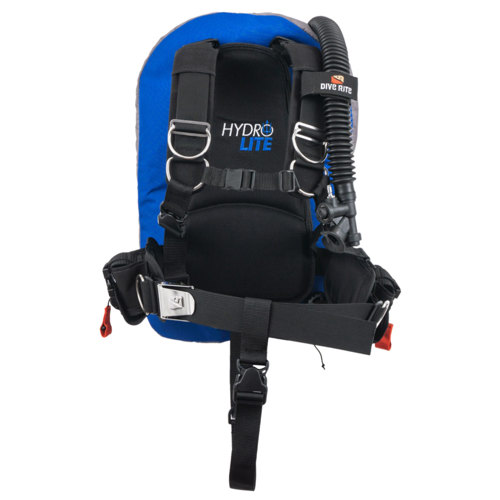
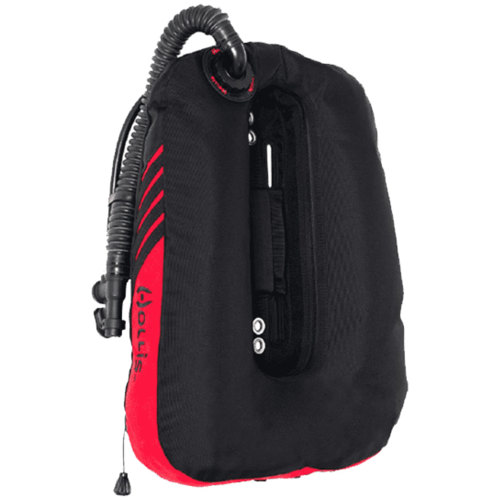
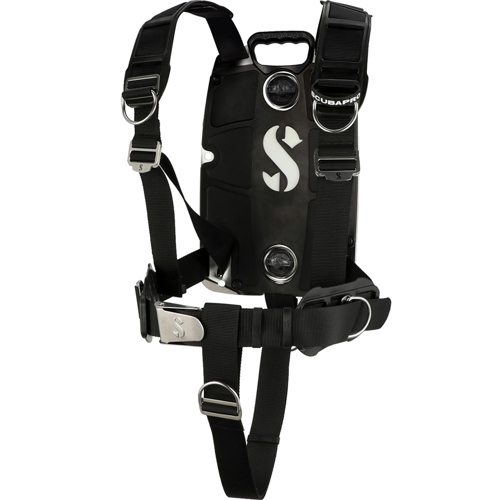
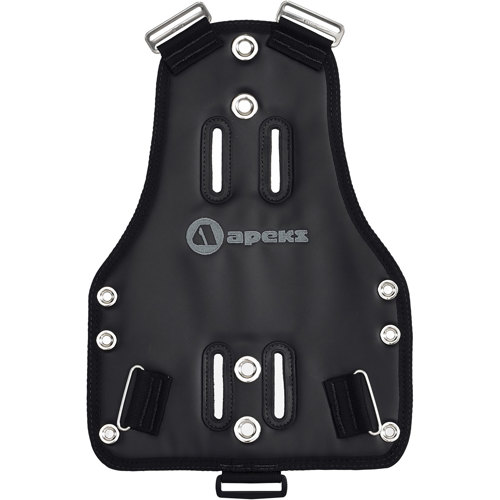
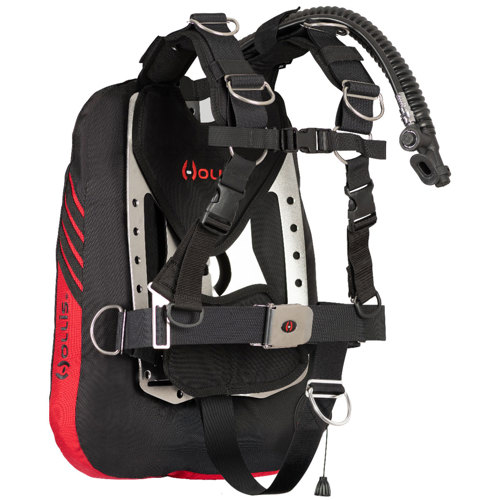
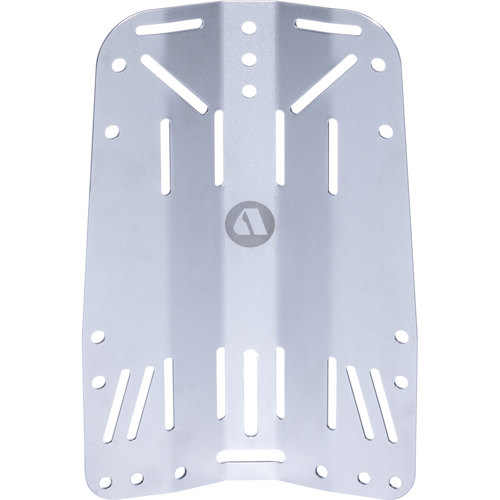
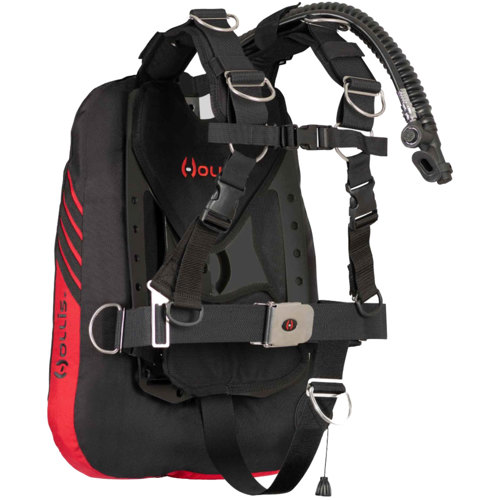
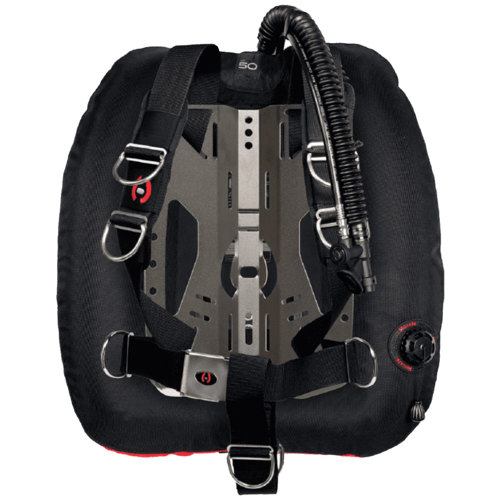
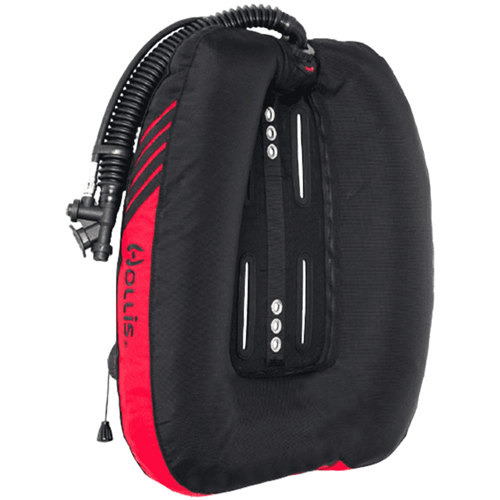
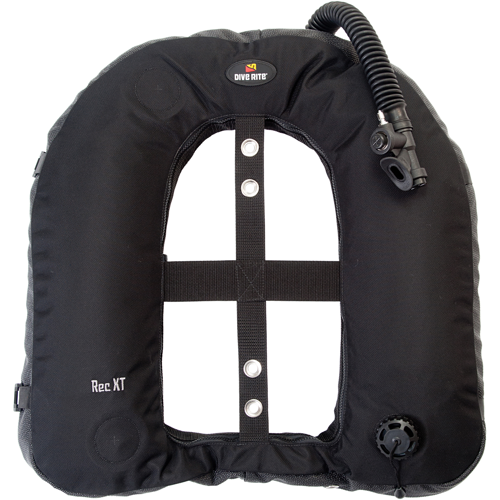
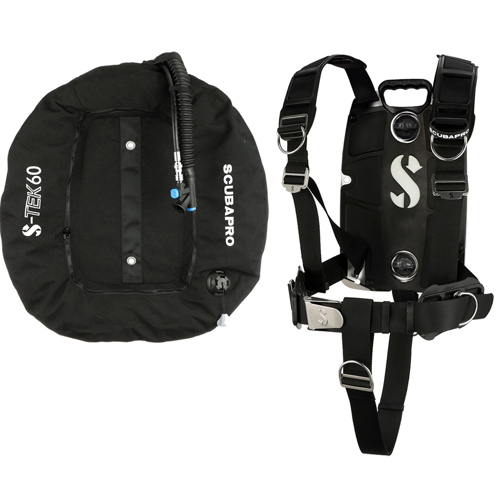
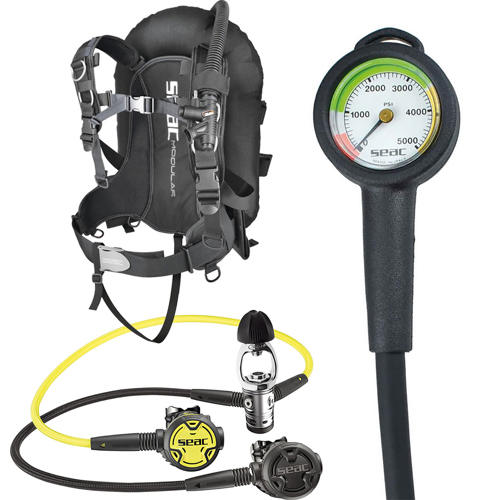
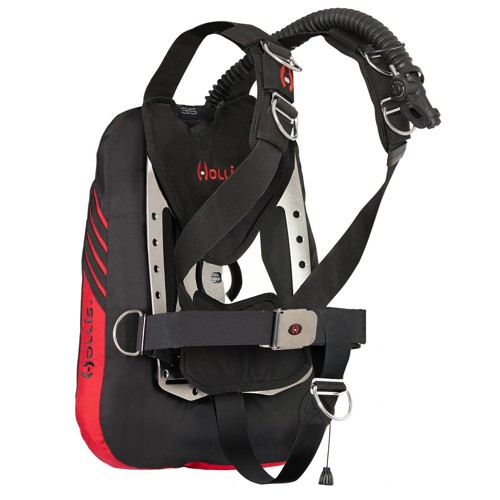
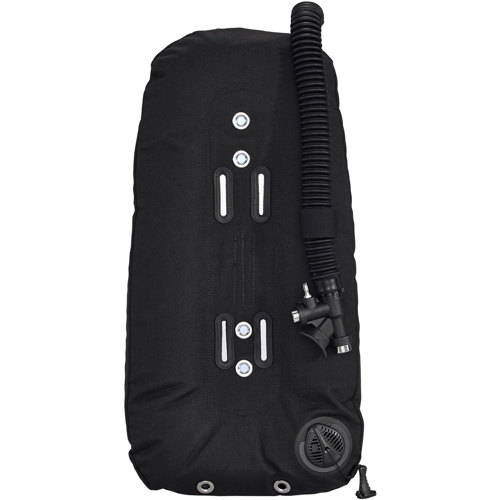
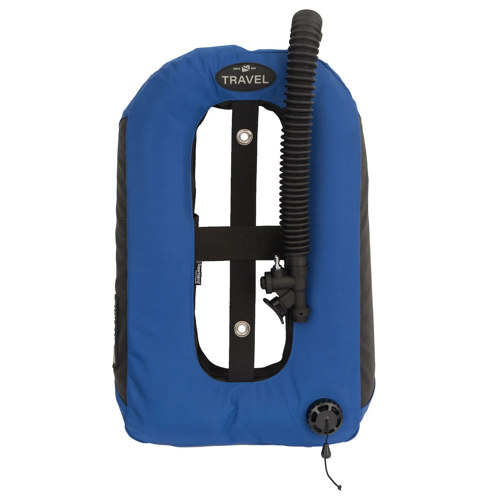
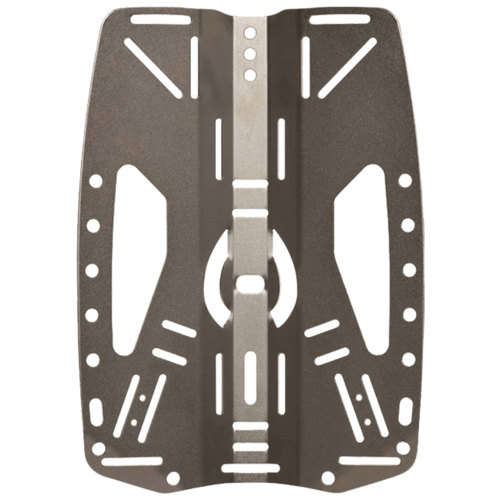
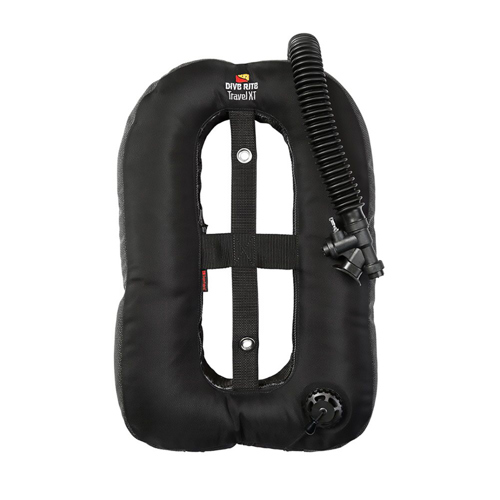
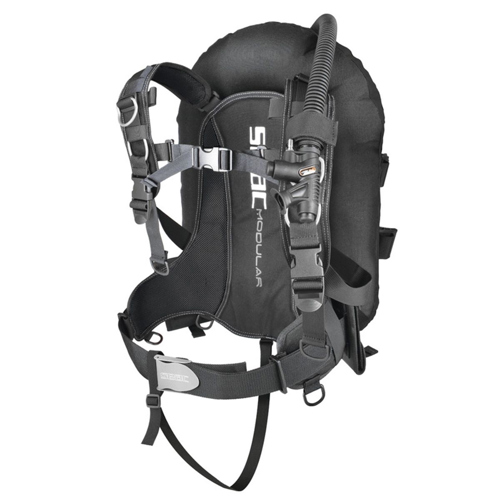
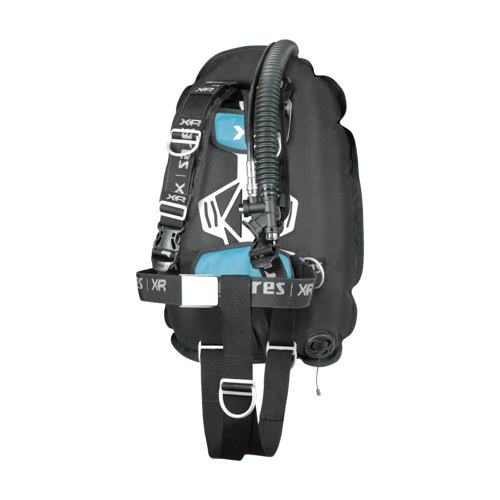
For divers who value both performance and adaptability, the backplate wing system has become a cornerstone of advanced scuba setups. Unlike traditional jacket-style BCDs, backplate and wing diving offers a modular approach that allows each diver to tailor their gear to their unique needs, whether that’s for local cold-water wreck dives or tropical drift adventures. The system consists of two main components: a rigid backplate—commonly crafted from stainless steel, aluminum, or even lightweight carbon fiber—and a buoyancy bladder known as the wing. This design distributes weight evenly across the diver’s back, improving trim and streamlining underwater movement. Stainless steel backplates, weighing in at around 4–5 pounds, are especially favored in colder waters where divers need to offset thicker exposure suits and reduce lead weight on their belts. On the other hand, aluminum backplates, at less than 2 pounds, are a favorite among globe-trotting divers who need to keep their luggage light for air travel. The wing, or bladder, is selected based on the diver’s lift requirements and tank configuration, with single-tank wings typically providing 20–35 pounds of lift—ideal for most recreational and technical single-tank dives—while double-tank wings can offer 40–60 pounds of lift for more demanding setups. Donut-style wings, with their oval shape, are particularly popular for their consistent air movement and ease of achieving horizontal trim, while bungee wings offer a sleeker profile for those who prioritize streamlining.
Choosing a backplate and wing system is a process that rewards attention to detail and a clear understanding of personal diving habits. Seasoned divers often recall the first time they switched to a backplate wing setup and noticed the difference in comfort and control—especially during long, multi-level dives or when navigating tight overhead environments. The modularity of these systems allows for easy upgrades and customization; for example, harnesses can be swapped out for quick-adjust models, and accessories like integrated weight pockets or D-rings can be added to suit specialized needs. This makes the best backplate and wing setups an excellent investment for divers who anticipate growing in skill or branching into technical diving disciplines such as cave, wreck, or sidemount diving. The continuous-weave harness is a staple for its simplicity and reliability, though some divers prefer systems with quick-release features for added convenience. With summer approaching and diving excursions ramping up, now is an ideal time to reassess your gear and consider whether a backplate and wing system could enhance your experience. These setups are also a thoughtful and practical gift for the diver in your life who is ready to take the next step in their underwater journey—be it a recent certification graduate eager to invest in their first serious kit, or a seasoned diver looking to upgrade for the new season.
When assembling a scuba backplate wing system, compatibility and adjustability are key. Most modern components are designed with standard 11-inch on-center bolt spacing, ensuring that wings, backplates, and harnesses from various manufacturers can be mixed and matched to create a truly personalized rig. This flexibility is especially useful for divers who travel between different environments or share gear with buddies. As you browse our curated collection of backplate and wing systems, consider your typical diving conditions, the amount of lift you require, and your preferences for weight and adjustability. Whether you’re gearing up for chilly spring dives in local lakes or planning a summer trip to warm, clear waters, a well-chosen backplate and wing system can transform your diving, offering unmatched stability, comfort, and buoyancy control. For those who want to dive deeper into the specifics of backplate options, visit our dedicated
Scuba Back Plates page for more detailed information on materials, weights, and compatibility. Investing in a high-quality scuba backplate wing setup is a step toward more confident, enjoyable, and safe dives—no matter where your underwater adventures take you.