When considering a kayak for your next adventure, durability features play a crucial role in ensuring both safety and long-term value. The materials and construction methods used in modern kayaks are engineered to withstand a variety of environmental challenges, from rocky riverbeds to sun-drenched coastlines. Rotomolded polyethylene has become the industry standard for impact and abrasion resistance, making it a top choice for those who frequent whitewater rapids or rugged shorelines. This material’s thick, single-layer construction—often measuring 4.5–5 mm—renders it nearly unbreakable, providing peace of mind whether you’re navigating swift currents or exploring hidden coves. For paddlers seeking a balance between strength and weight, three-layer construction offers enhanced stiffness and lighter handling without sacrificing durability, ideal for longer journeys on open lakes or ocean waters. Thermoformed ABS plastic is another popular option, prized for its scratch resistance and lighter weight, making it easier to transport while still standing up to bumps and scrapes along the way. Those who demand the utmost resilience for heavy-duty use—such as frequent outfitters or expedition leaders—may gravitate toward aluminum kayaks, which are renowned for their ability to endure repeated impacts with minimal maintenance.
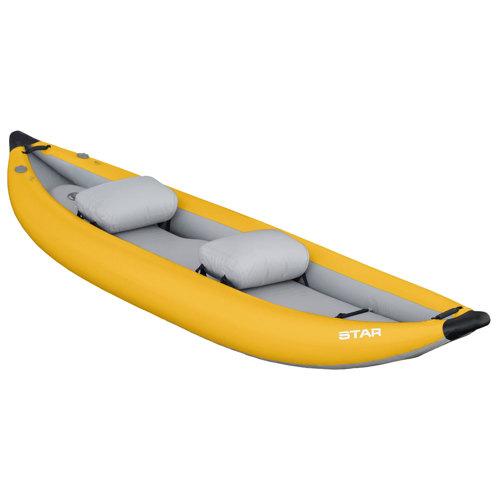
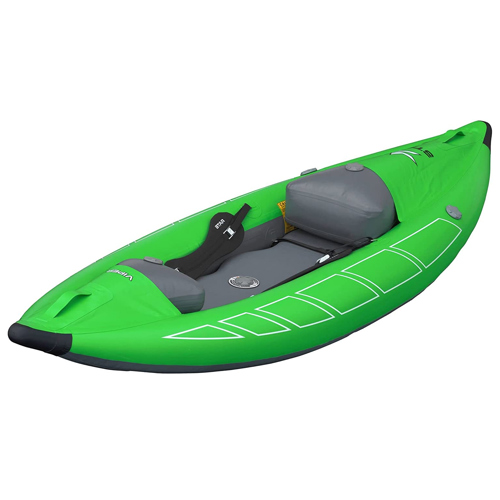
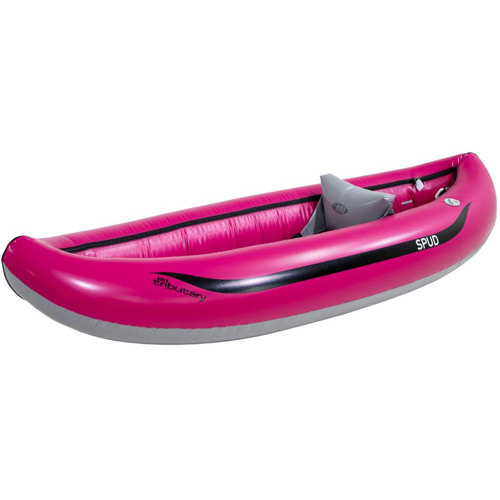
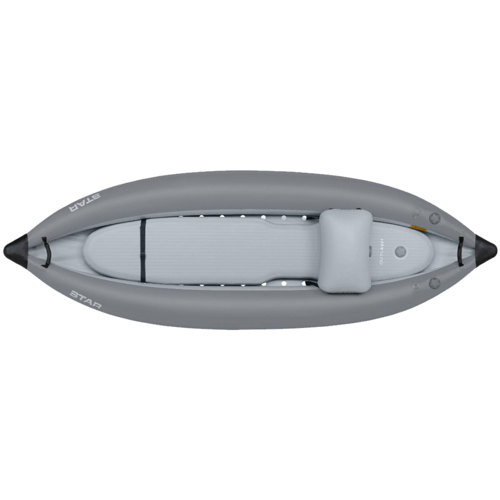
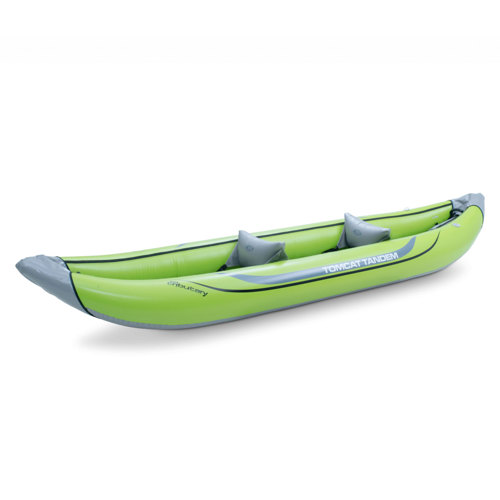
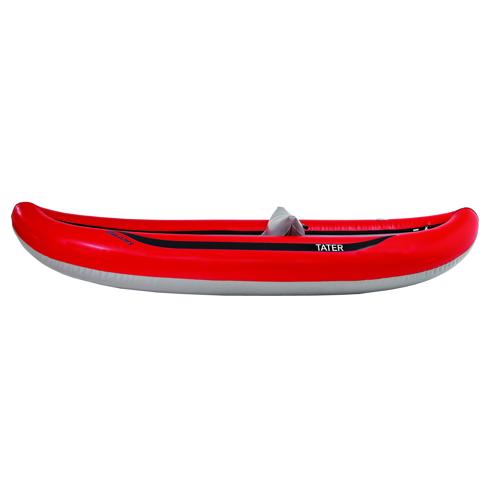
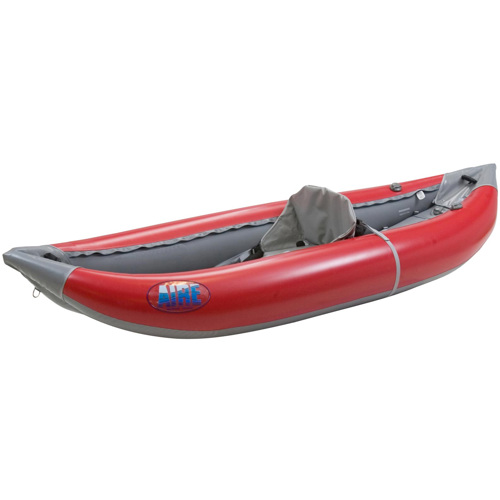
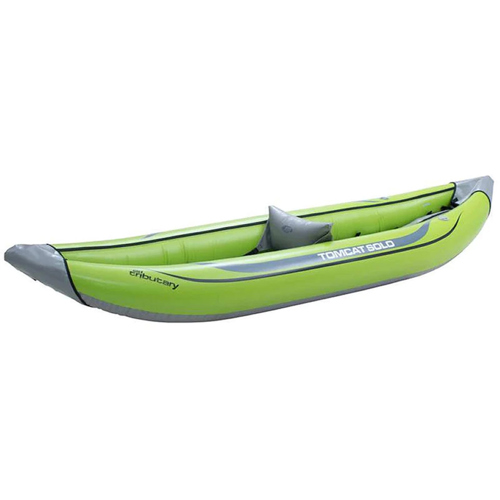
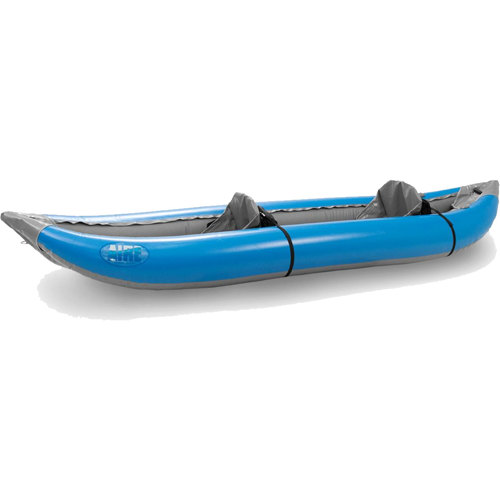
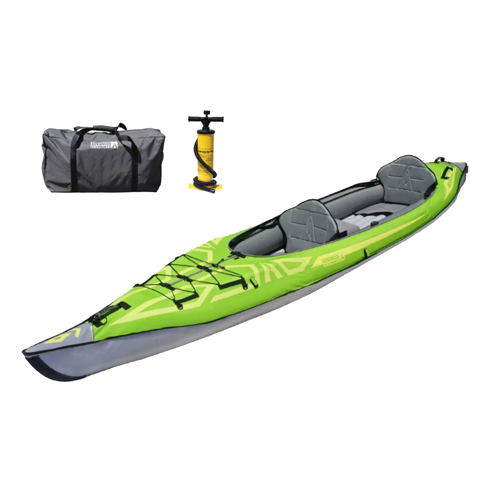
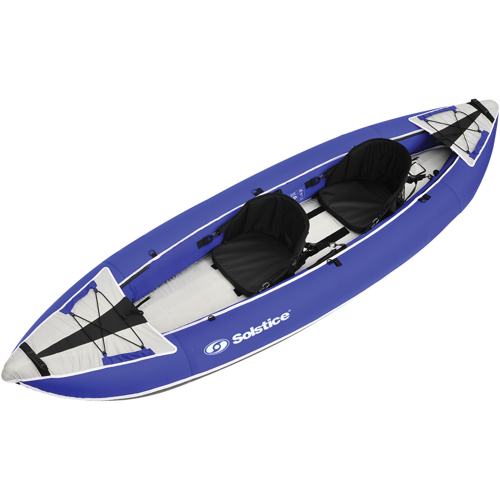
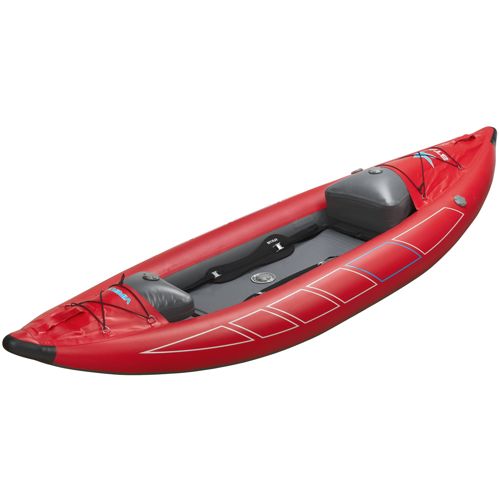
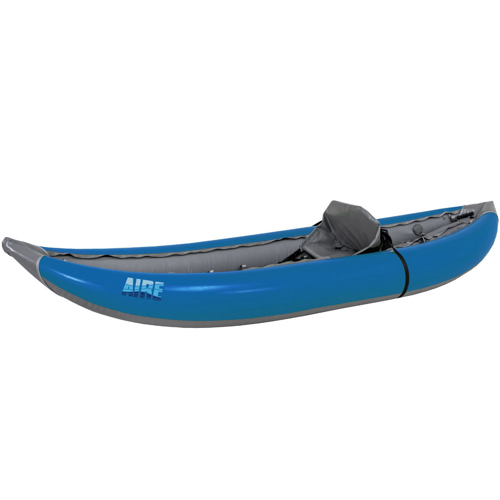
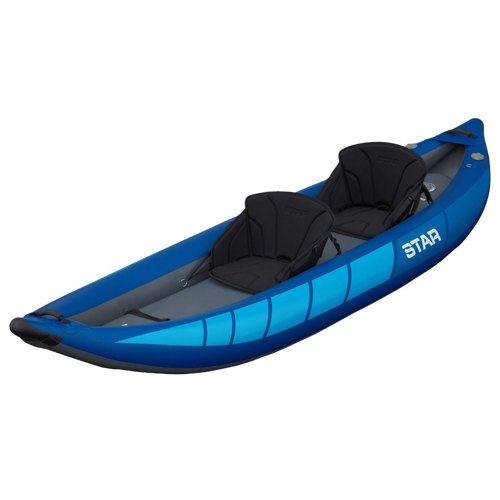
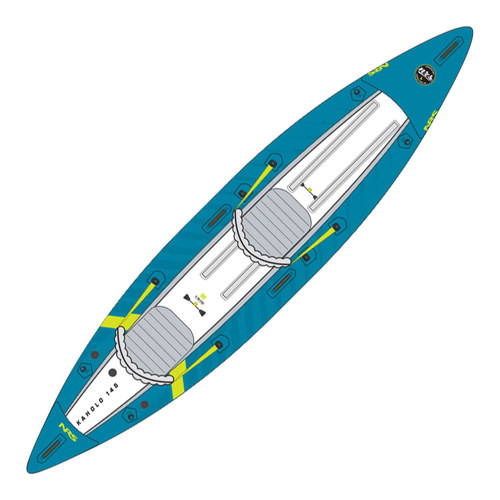
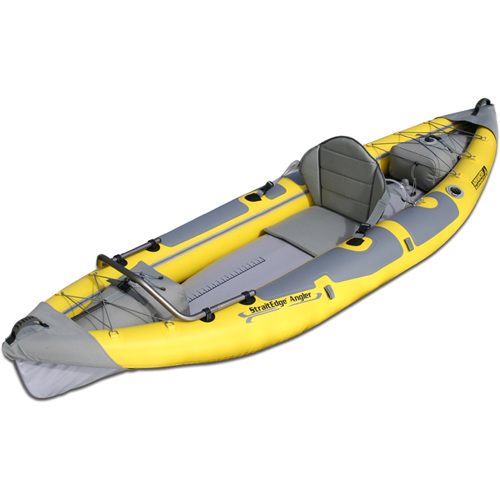
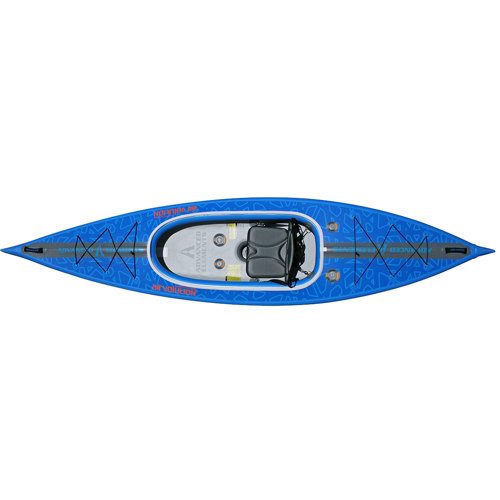
Sun exposure is another factor that can significantly affect a kayak’s longevity, especially as the days grow longer and paddling season kicks into high gear in May. High-quality kayaks are often infused with UV inhibitors, which help prevent sun damage, brittleness, and long-term degradation. Still, even the toughest materials benefit from a little extra care: applying a UV protectant can further shield polyethylene from becoming brittle, while proper storage—such as keeping your kayak in a shaded, covered space—helps avoid warping and fading. For those who love to gift outdoor experiences, a durable kayak makes an excellent present for adventurous friends and family members, especially new paddlers, college graduates, or anyone eager to embrace a summer on the water. Features like replaceable keel guards are particularly valuable for families and groups, as they protect the hull from abrasion when dragging kayaks to and from the shoreline. If you’re planning to paddle in areas with rough terrain or frequent portages, these protective strips can make all the difference in preserving your investment. While it’s tempting to drag a kayak over concrete or rocky ground, lifting and carrying instead will extend its life even further. For those who prefer a lighter, more portable option without sacrificing toughness, inflatable kayaks have advanced significantly, with rugged, multi-layered designs now available—explore the latest innovations in our
Durable Inflatable Kayaks collection.
Understanding which brands offer impact-resistant kayaks that withstand sun damage is essential for making an informed choice, especially if you plan to use your kayak regularly or in challenging environments. Polyethylene remains the most durable material for withstanding impacts and can often be repaired through welding if needed, while composite materials like fiberglass and Kevlar offer lighter, stiffer performance for those willing to trade some durability for speed and agility. However, composites require more careful handling and are best suited for experienced paddlers who prioritize performance over ruggedness. Whether you’re shopping for yourself or searching for the perfect gift for an outdoor enthusiast, considering the specific durability features that match your intended use—such as hull thickness, construction type, UV protection, and replaceable wear guards—will ensure your kayak remains a trusted companion for many seasons to come. The right kayak, built to endure both the elements and the adventures you have planned, opens up a world of exploration and lasting memories on the water.