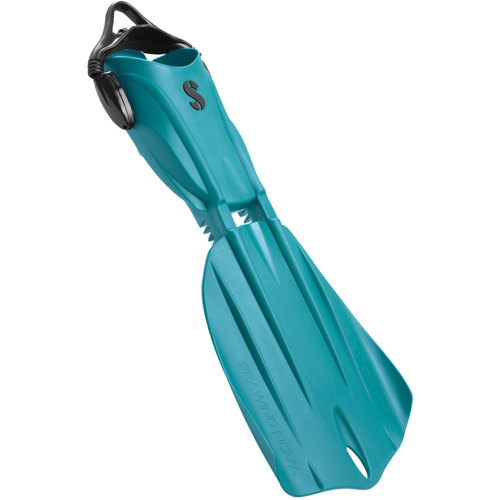
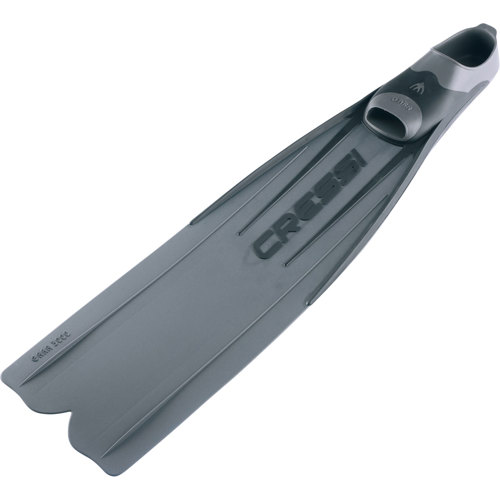
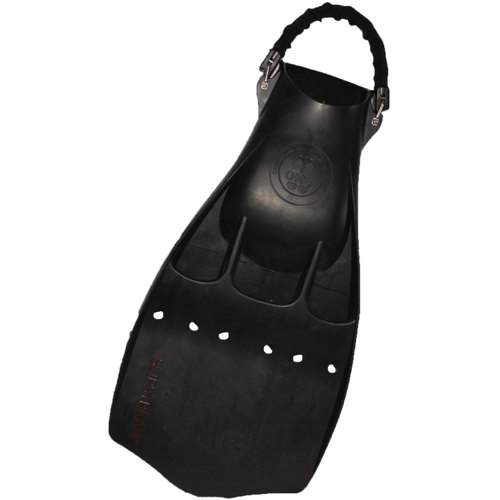
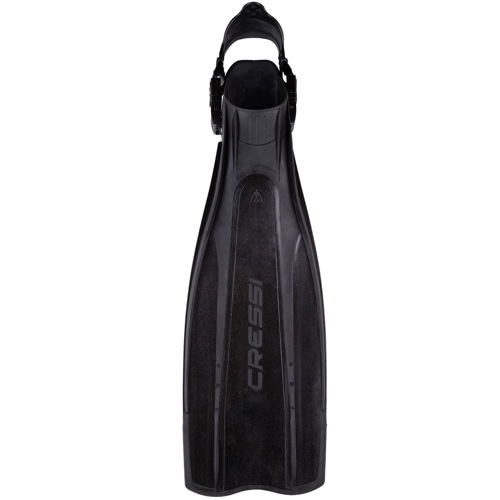
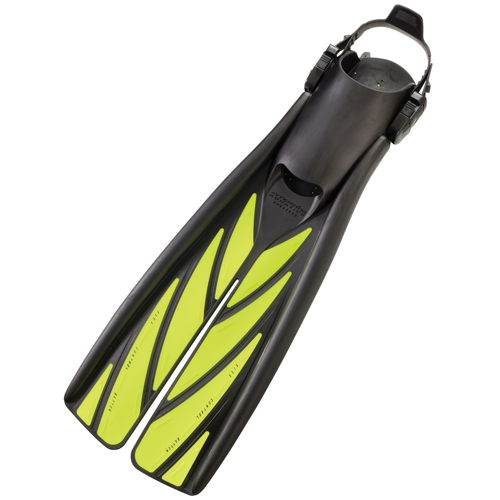
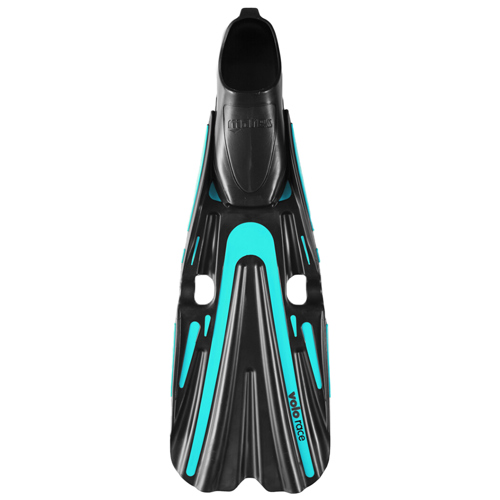
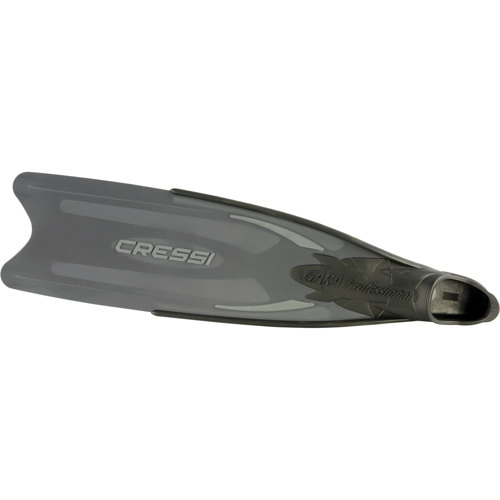
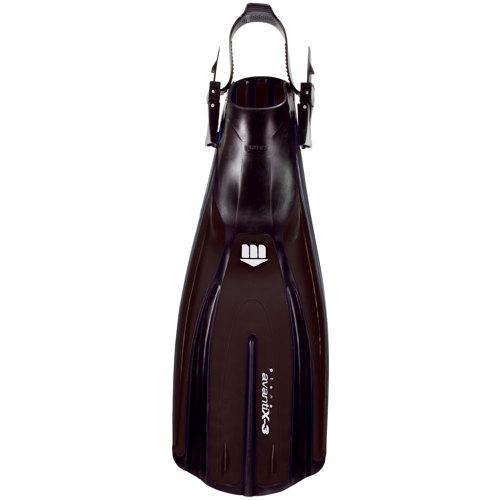
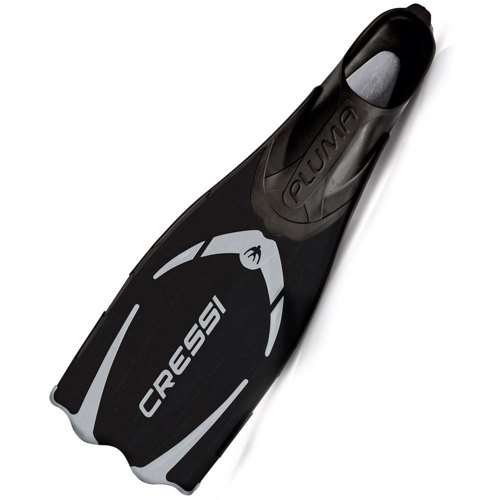
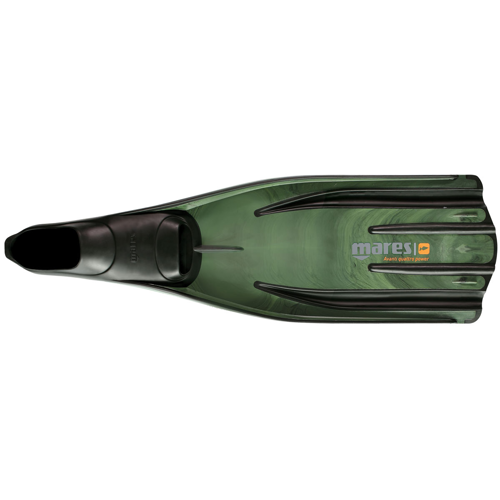
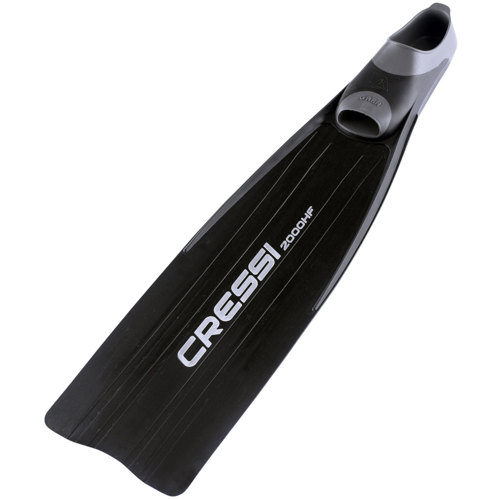
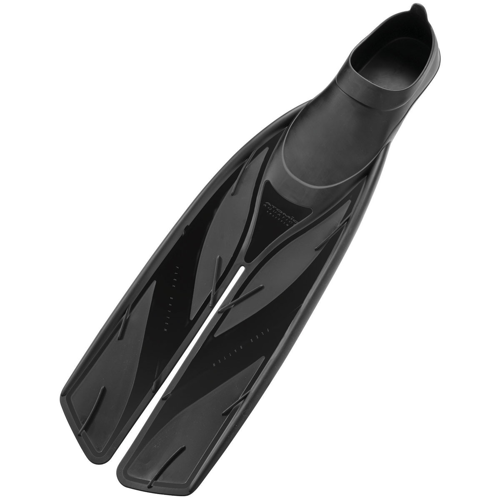
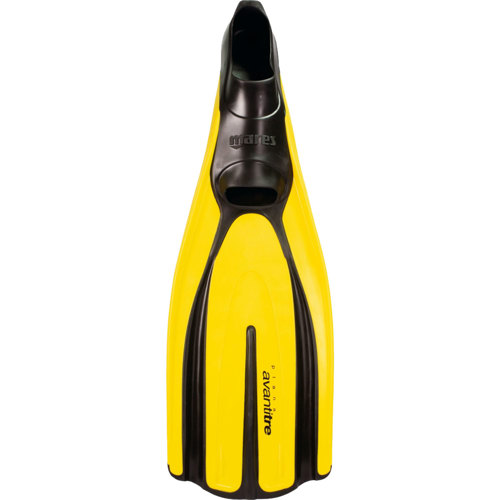
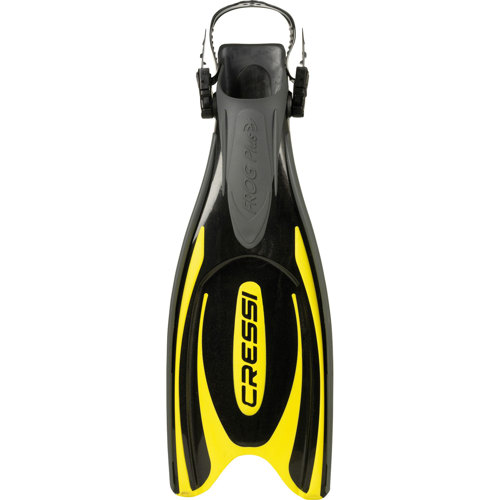
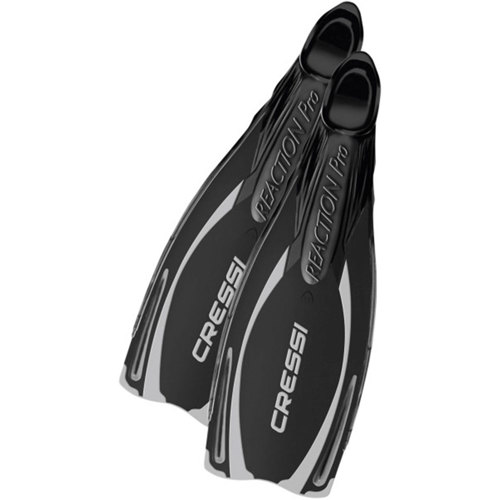
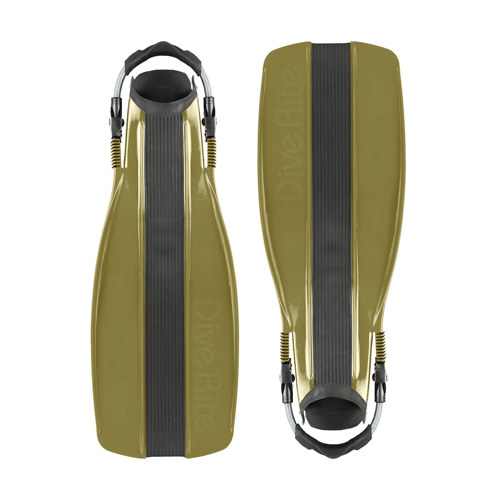
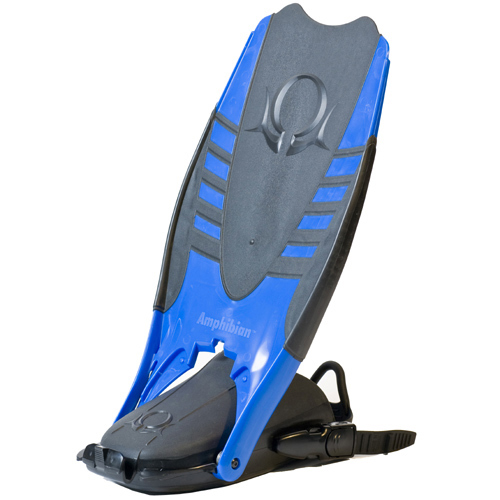
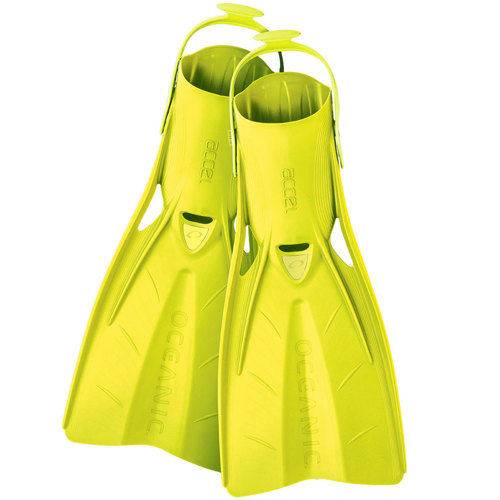
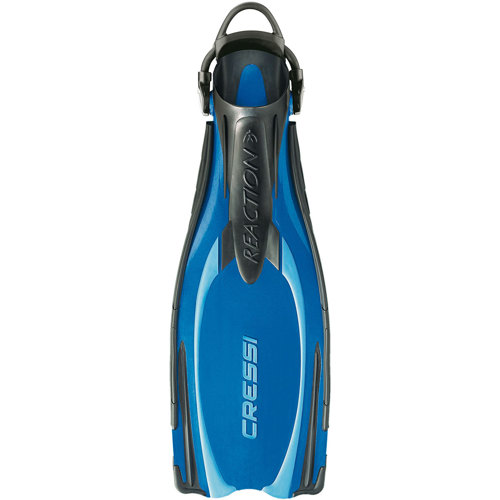
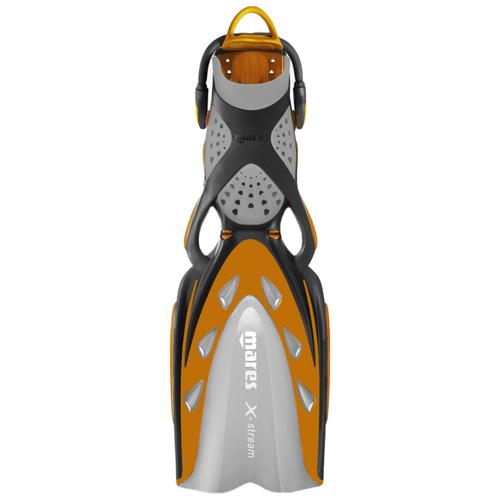
Freediving fins designed for minimal effort are a game-changer for anyone looking to glide through the water with ease, whether you’re exploring a sun-dappled cove in early summer or stretching your breath-hold into the cooler months. These fins are engineered with long, flexible blades that maximize propulsion while minimizing energy expenditure—ideal for both seasoned freedivers and those just beginning to embrace the sport. The secret lies in their ability to translate a slow, sweeping kick into smooth, efficient movement, which not only conserves precious oxygen but also reduces muscle fatigue. As you slip beneath the surface, the right pair of minimal-effort fins can make the difference between a strenuous swim and a graceful, almost weightless journey. Picture yourself descending along a reef wall, the only sound your steady breathing, as your fins do most of the work—each stroke propelling you further on a single, calm breath. This effortless glide is why these fins are a favorite among spearfishers, underwater photographers, and anyone seeking longer, more comfortable sessions in the water.
When selecting freediving fins for minimal effort, there are several key factors to consider that go beyond just blade length. Material choice plays a pivotal role: entry-level plastic or technopolymer fins are durable and forgiving, perfect for rocky shore entries and newer divers, though they may feel heavier in the water. Fiberglass and composite blades offer a noticeable upgrade in energy return, making them a smart pick for those ready to invest in lighter, more responsive gear without jumping to the highest price tier. For the ultimate in performance, carbon fiber fins are prized for their unparalleled snap and efficiency, providing remarkable thrust with the lightest touch—though they require a bit more care due to their delicate construction. Blade stiffness is another important consideration; many divers, especially beginners or those with less leg strength, gravitate toward soft or medium-soft blades to avoid early fatigue and enjoy longer dives. Foot pockets should fit snugly—ideally full-foot styles that allow for the use of thin neoprene socks for comfort and blister prevention. The angle of the blade, often set between 20° to 30°, is designed to align naturally with your leg, further reducing effort with each kick. These features make minimal-effort freediving fins an excellent gift for anyone passionate about the underwater world, from adventurous travelers to dedicated training partners. If you or someone you know is looking to refine technique or build stamina, consider exploring our curated list of
Freediving Fins For Training for even more specialized options.
As the days grow longer and water temperatures invite longer sessions, minimal-effort freediving fins become a trusted companion for a variety of aquatic activities. Whether you’re slipping into the ocean before sunrise to catch the first light, joining friends for a group dive, or seeking solitude in a quiet lagoon, the right fins help you move with confidence and control. They’re not just for deep divers—snorkelers and recreational swimmers also benefit from the reduced strain and increased enjoyment these fins provide. Many divers recall their first experience with a well-chosen pair: the sensation of moving farther and faster with less work, the surprise at how much longer a single breath lasts, and the newfound freedom to focus on the vibrant life unfolding all around. In the months ahead, as you plan getaways or look for the perfect gift for a water-loving friend, consider the lasting value of fins that prioritize comfort and efficiency. With the right pair, every dive becomes an opportunity to explore further, stay longer, and savor the effortless beauty of the underwater world.