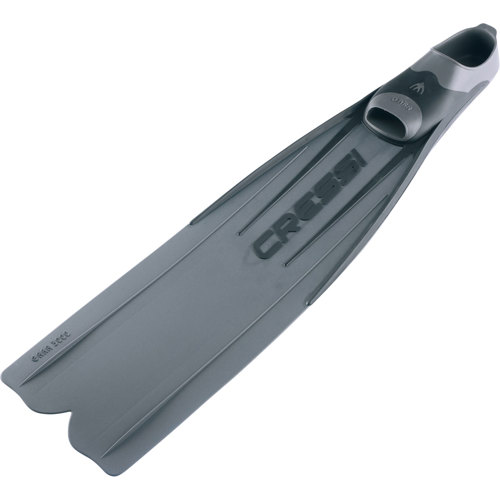
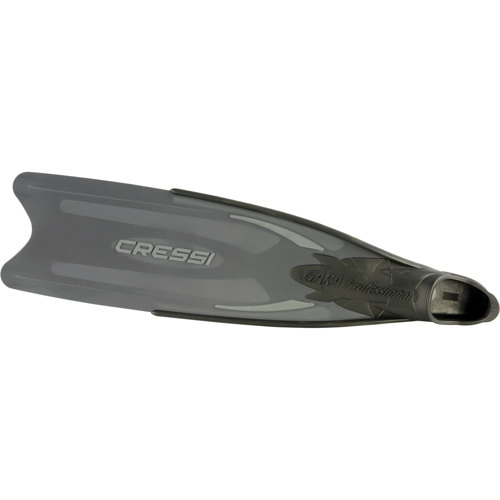
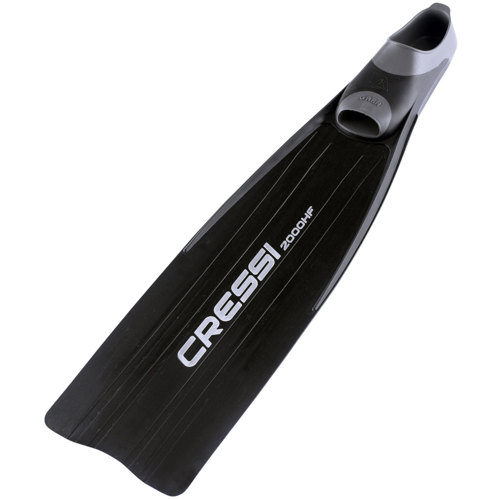
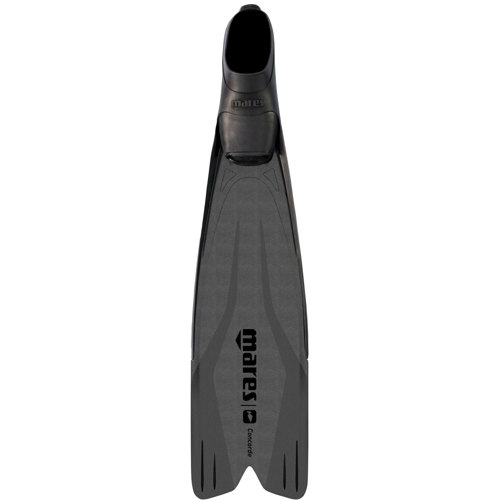
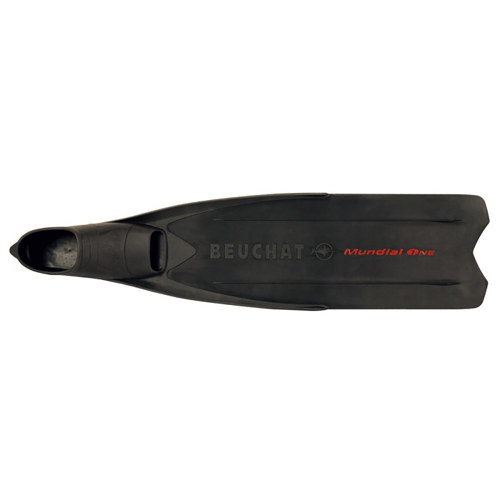
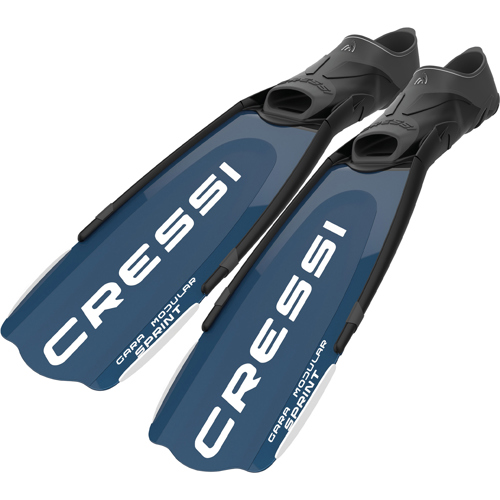
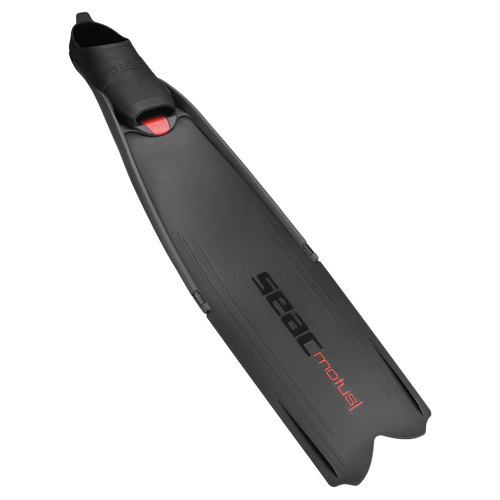
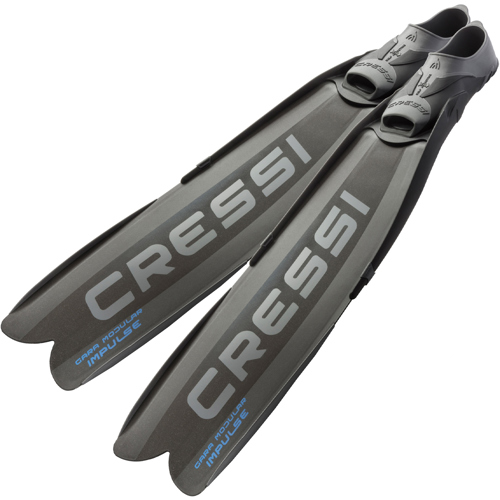
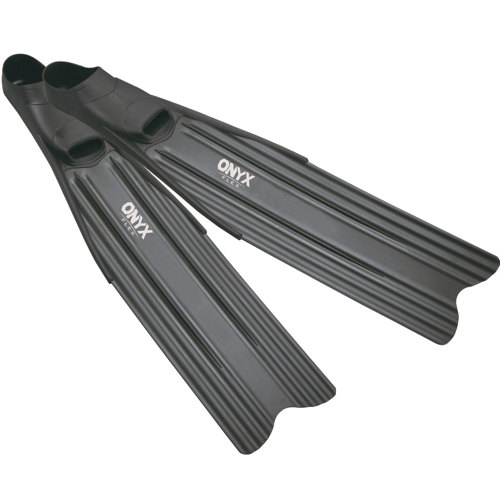
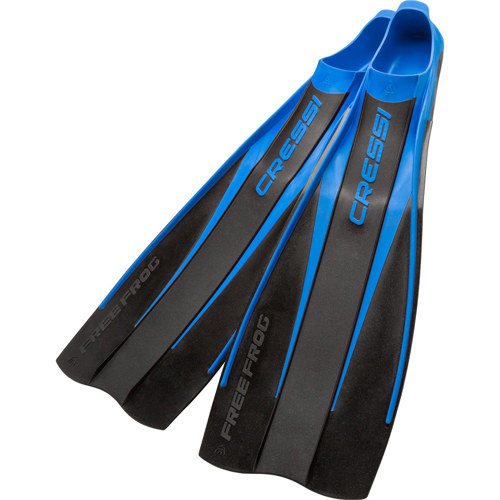
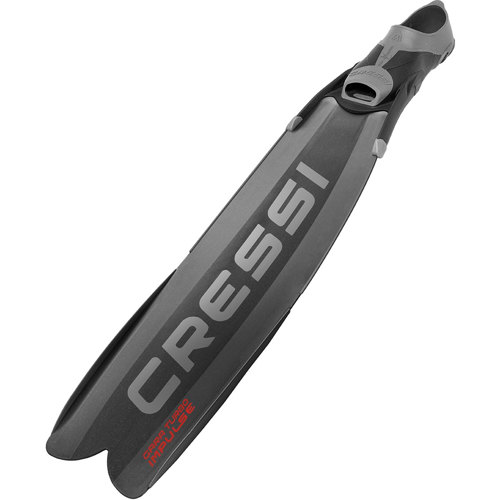
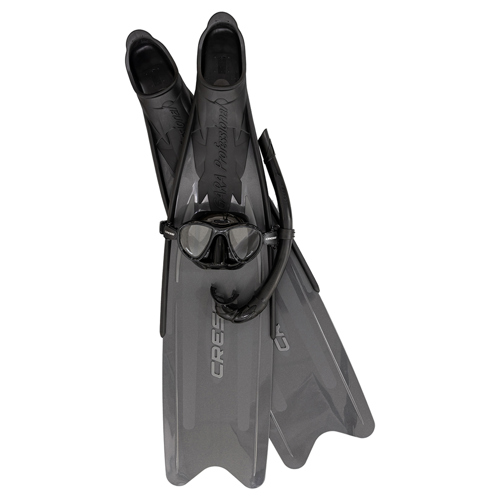
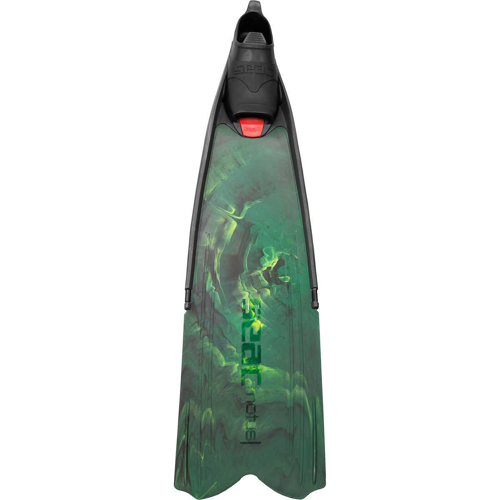
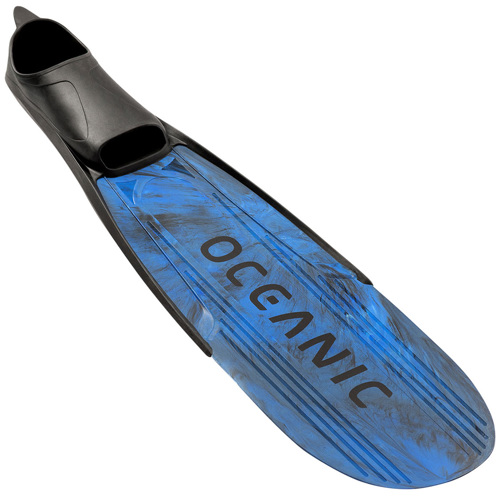
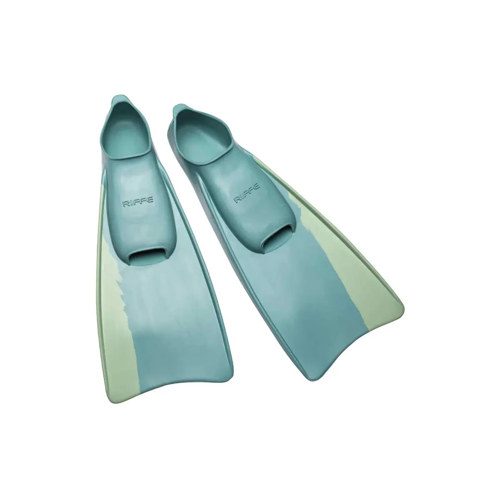
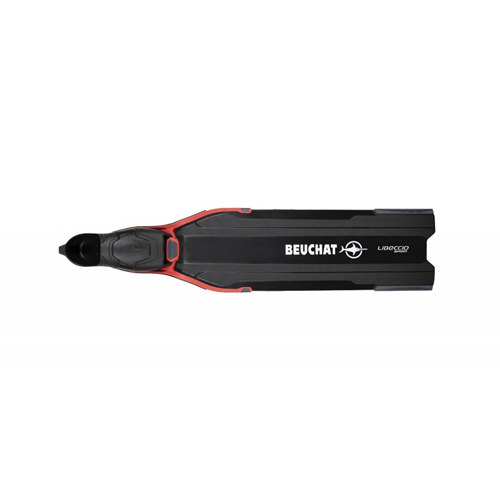
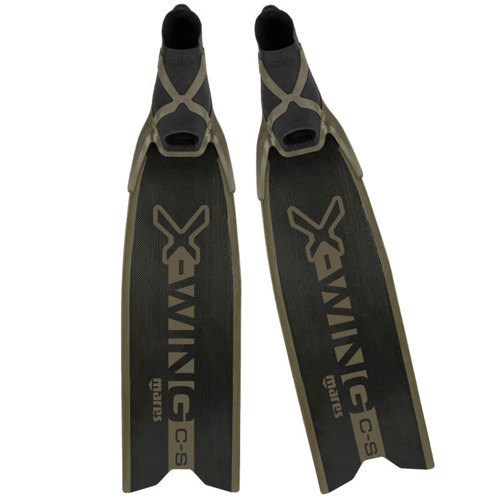
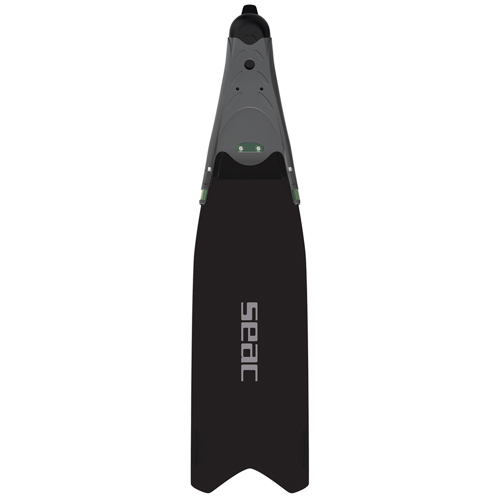
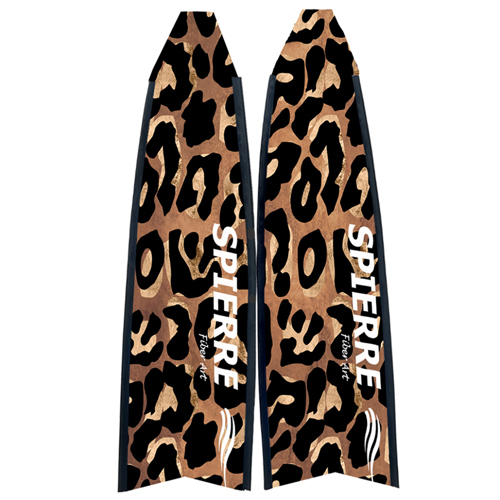
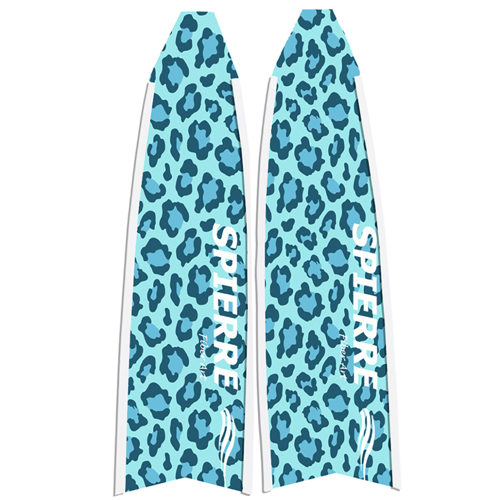
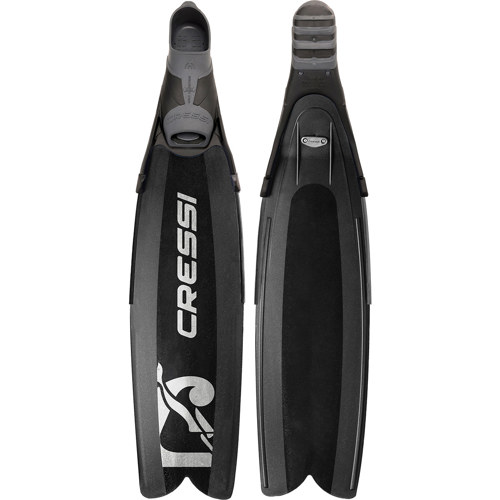
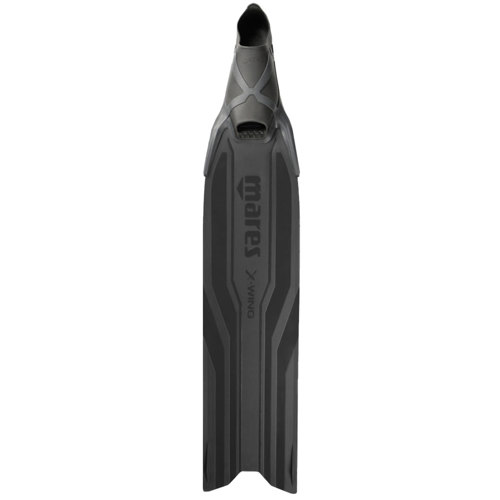
Freediving fins designed for lake diving offer a unique blend of performance, comfort, and durability, tailored to the distinct environments found in freshwater lakes. Unlike open ocean conditions, lake diving often presents challenges such as variable water temperatures, rocky entry points, and fluctuating visibility. As spring approaches and lakes begin to thaw, the urge to explore these tranquil underwater worlds grows stronger. Whether you’re gearing up for your first freediving adventure of the year or planning to upgrade your equipment, selecting the right fins can make all the difference in your experience. For beginners and casual lake explorers, plastic or polymer blades are a popular choice, thanks to their resilience against scuffs and abrasions from rocky shorelines and submerged debris. These fins are forgiving, easy to maneuver, and less likely to be damaged during entry and exit—qualities that are especially important if you’re still mastering your duck dive or navigating uneven lakebeds. Intermediate and advanced freedivers often gravitate toward fiberglass or carbon fiber fins, which provide enhanced propulsion and efficiency for deeper dives, longer bottom times, and more precise control in calm freshwater conditions. The transition to these materials is a milestone for many divers, marking a growing confidence and commitment to the sport.
Comfort is paramount when it comes to freediving fins, particularly in lakes where water temperatures can remain brisk well into the spring months. Many divers opt for full-foot pockets that hug the contours of the foot, ensuring a secure fit and minimizing drag. If you’re planning to dive in colder waters, consider sizing up slightly to accommodate neoprene socks, which add insulation and prevent chafing during extended sessions. Blade stiffness is another crucial factor: softer blades are generally recommended for lake diving, as they reduce leg fatigue and allow for a smooth, natural kick cycle—perfect for those long, exploratory swims beneath the surface or for gliding effortlessly through submerged forests and rocky outcrops. Soft-to-medium stiffness strikes a balance between power and comfort, making these fins suitable for a wide range of skill levels and dive objectives. The longer blades typical of freediving fins provide the propulsion needed to reach greater depths with fewer kicks, conserving your energy and maximizing your time underwater. This efficiency is especially valuable in lakes, where currents are minimal and the focus is often on slow, deliberate movement to observe freshwater life or explore sunken structures.
Freediving fins for lake diving make thoughtful gifts for outdoor enthusiasts, adventure seekers, and anyone looking to deepen their connection with the natural world. They’re a practical present for birthdays, graduations, or as a way to encourage a friend or loved one to take the plunge into a new hobby. As the days grow longer and the water warms, families and friends gather at lakeshores to enjoy the serenity and beauty of freshwater environments—making now an ideal time to invest in quality gear that will enhance every outing. Whether you’re a seasoned freediver chasing personal bests or a newcomer eager to experience the silence and wonder of a submerged landscape, the right pair of fins can open up a world of possibilities. If your diving adventures extend beyond lakes and you’re curious about exploring other unique underwater environments, you may also be interested in our guide to
Freediving Fins For Mediterranean Diving, which highlights fins suited for the distinct conditions of the Mediterranean Sea. No matter where your freediving journey takes you, choosing fins that match your skill level, comfort preferences, and the specific demands of lake diving will ensure you make the most of every dive—creating memories and experiences that will last a lifetime.