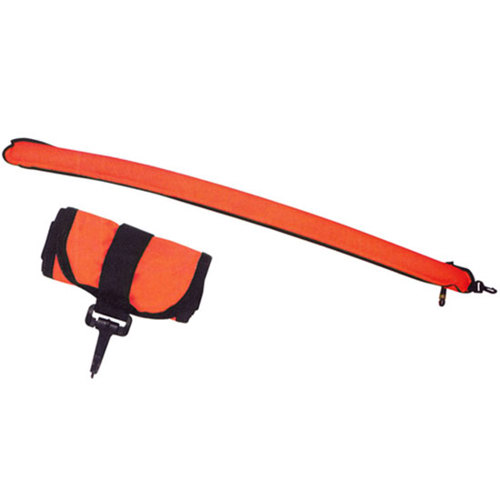
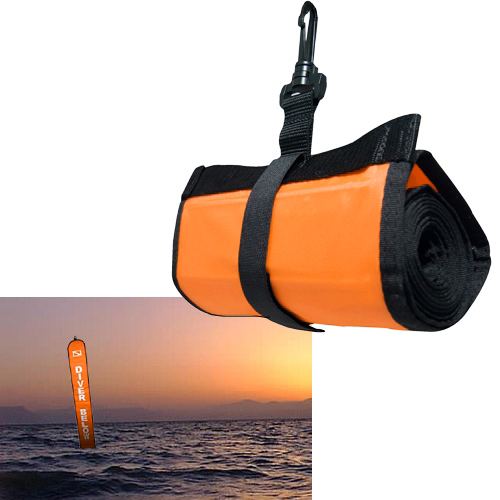
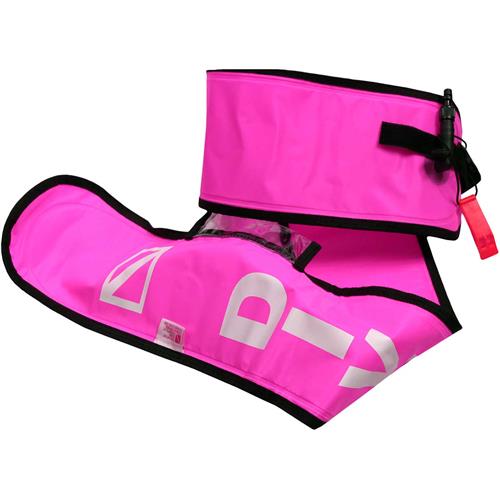
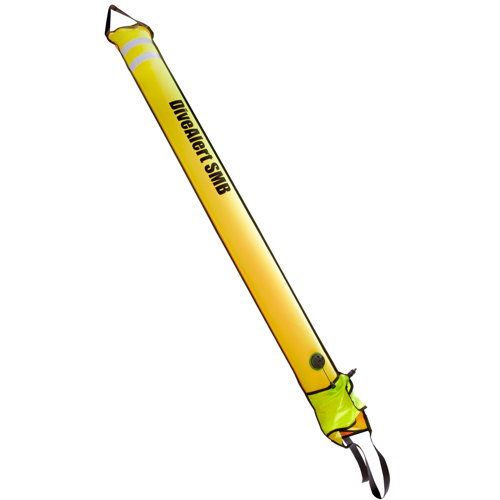
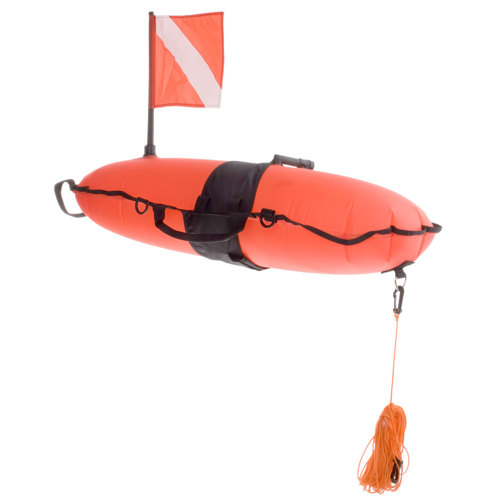
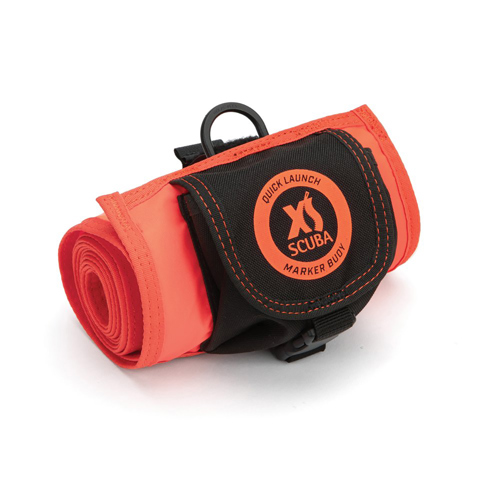
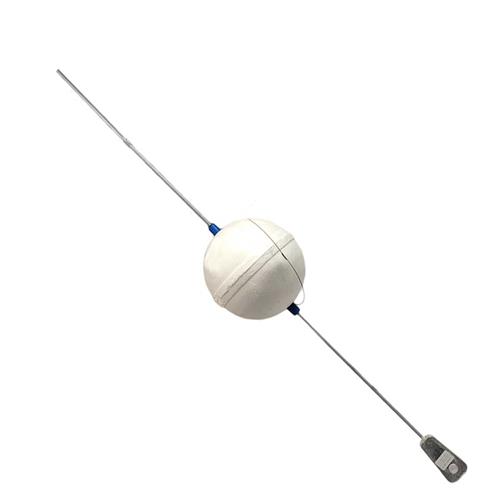
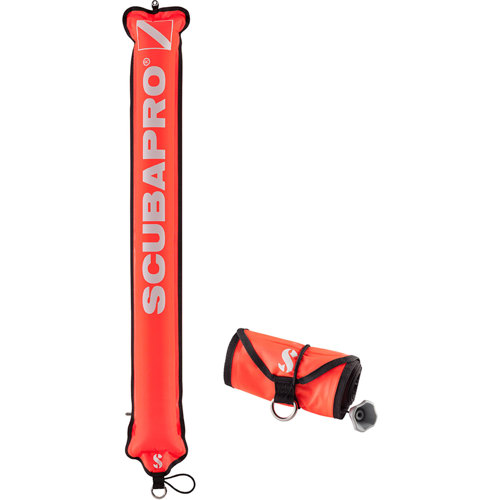
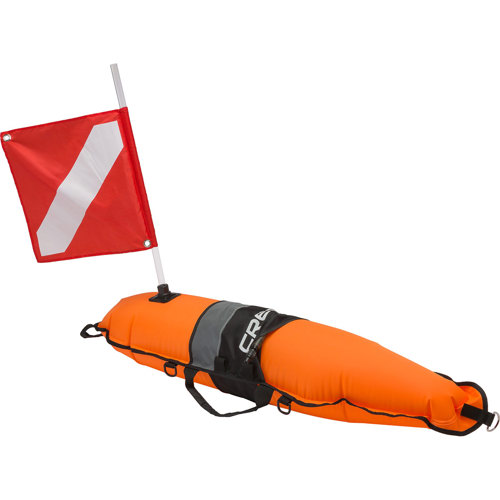
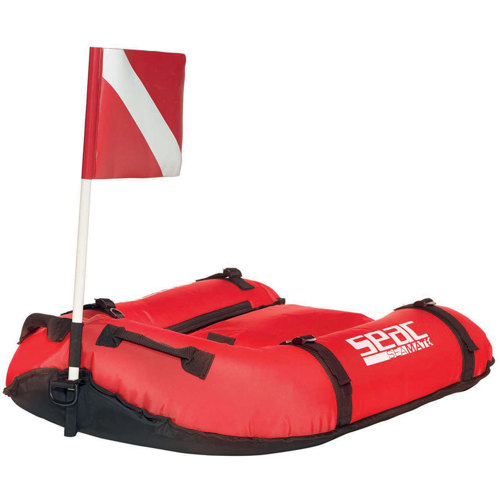
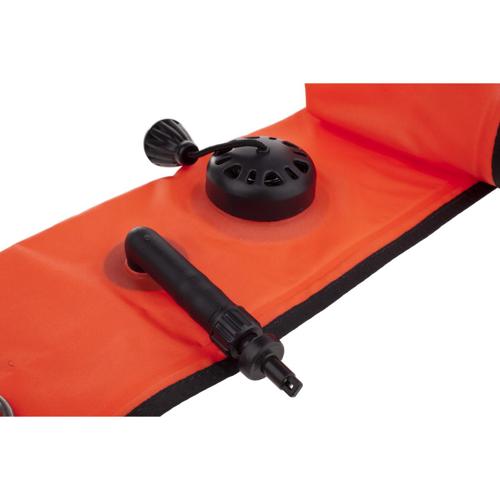
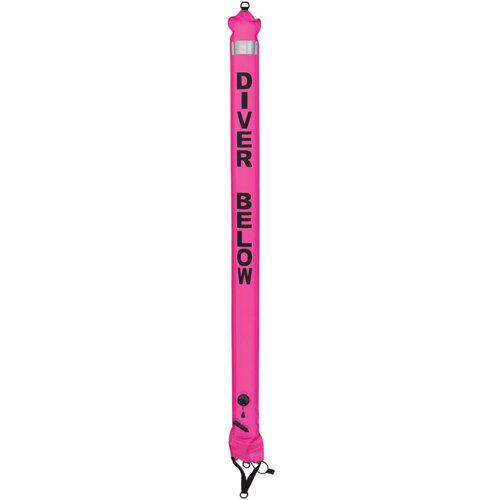
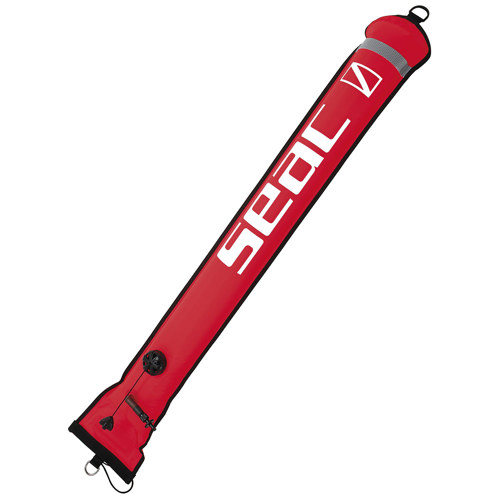
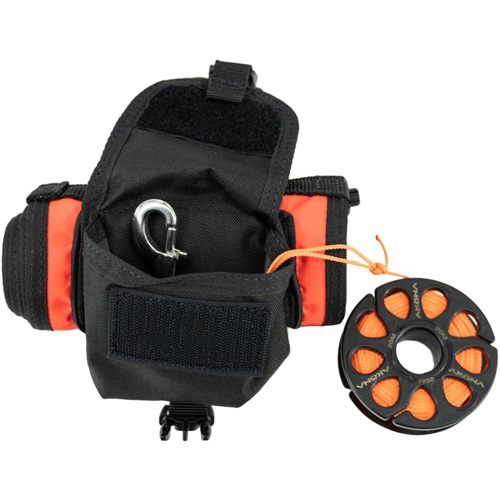
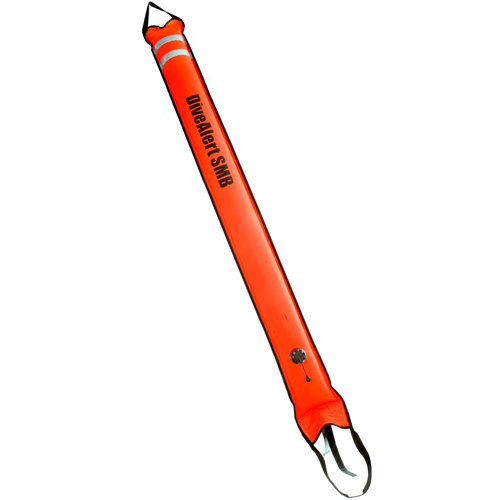
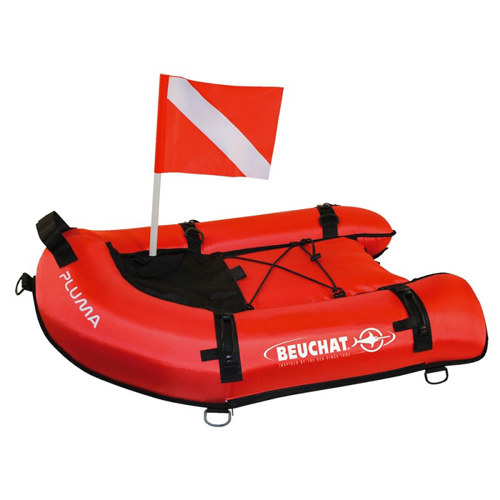
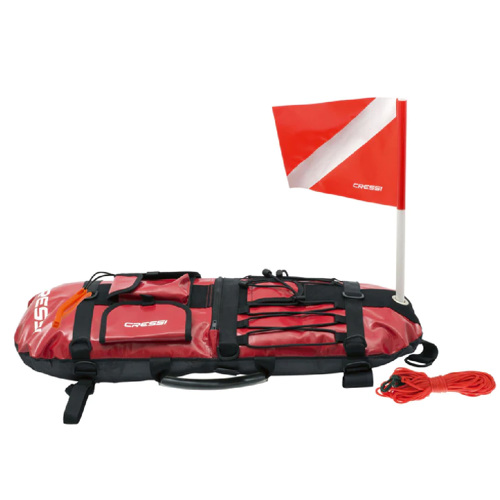
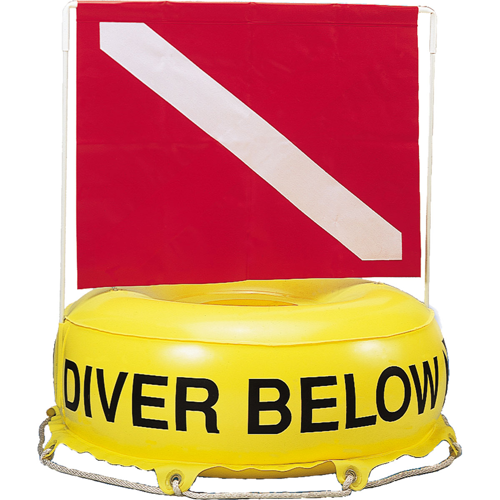
Freediving buoys serve as the cornerstone of safe, effective training for diving clubs, especially as the weather warms and more groups head to open water for skills development and camaraderie. These specialized surface floats are engineered for the rigorous demands of group training sessions, club meetups, and certification courses, offering a stable and highly visible platform for both instructors and students. When selecting freediving buoys for club use, durability and capacity are paramount. Heavy-duty materials like reinforced PVC or Cordura fabric are favored for their resistance to abrasion and puncture, ensuring the buoy can withstand repeated use in both calm lakes and challenging ocean conditions. Ample interior storage is another key consideration—club buoys are designed to accommodate long freediving lines (often over 100 meters), spare weights, and other essential gear, keeping everything organized and accessible during busy training days. Multiple reinforced grab handles around the perimeter provide secure handholds for pre-dive breath-ups, safety stops, and group briefings, while stainless steel D-rings allow for the attachment of ropes, lanyards, and accessories. For clubs operating in open water, a rigid diver-down flag is not just recommended but essential, alerting nearby boaters to the presence of divers below and enhancing overall safety.
These buoys are particularly valued by freediving instructors, club leaders, and safety officers who oversee group sessions and need to manage several divers at once. The large surface area and robust construction of club-grade buoys can comfortably accommodate multiple freedivers, making them ideal for group drills, line training, and dynamic apnea exercises. For new club members or students, a well-equipped buoy provides reassurance and a clear point of focus at the surface, helping to build confidence as they progress in their training. Experienced freedivers appreciate the thoughtful design features—like quick-drain bottom holes, modular storage, and ergonomic handgrips—that streamline setup and transitions between dives. During the cooler months, when water temperatures drop and visibility can be limited, the high-visibility colors and flags found on most club buoys make them easy to spot from a distance, further supporting group safety. Freediving buoys also make a practical and thoughtful gift for club organizers, instructors, or anyone passionate about fostering safe, inclusive underwater experiences—especially as clubs gear up for a busy season of events, workshops, and friendly competitions.
When assembling a freediving buoy system for club use, it’s important to consider the full setup. Static lines between 8mm and 12mm in diameter are preferred for their minimal stretch and reliability, while safety lanyards are a must-have to ensure each diver remains securely tethered during line dives. Bottom weights, often ranging from 8kg to 12kg, keep the training line vertical even in choppy water, and integrated storage compartments keep ropes and accessories neatly stowed between sessions. For those managing safety teams or mixed-use groups, there are additional considerations around rapid deployment, flag visibility, and modularity. If your club also supports safety operations or public events, you may want to explore options designed specifically for those needs, such as the selection featured on our
Freediving Buoys For Safety Teams page. Whether you’re equipping a growing club, upgrading your training gear, or searching for a practical gift for a dedicated instructor, investing in a quality freediving buoy ensures your group is prepared for safe, productive, and enjoyable sessions all season long.