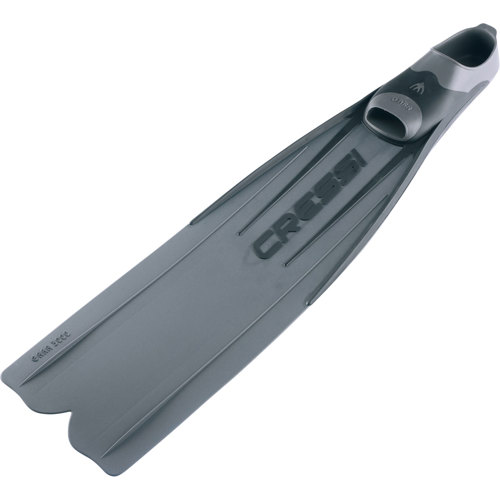
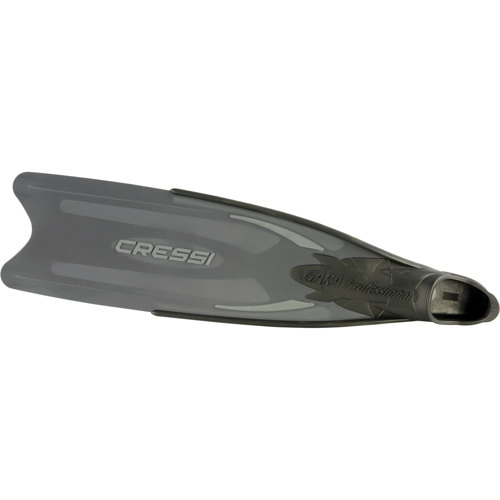
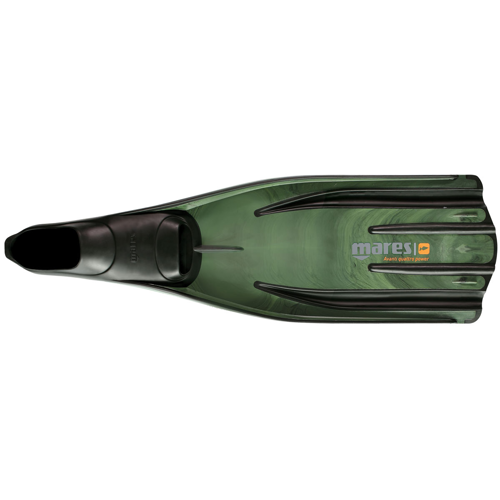
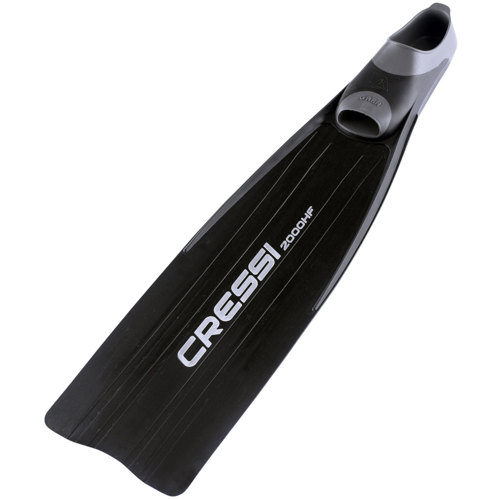
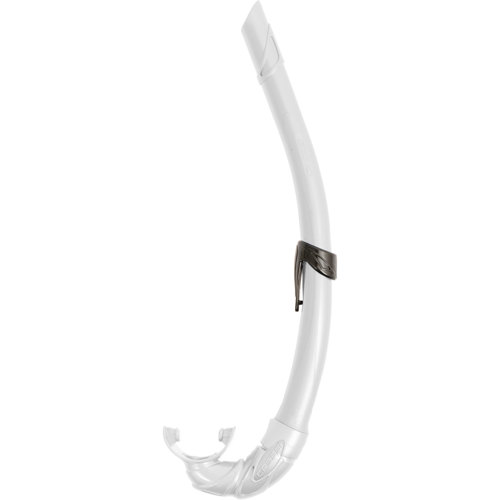
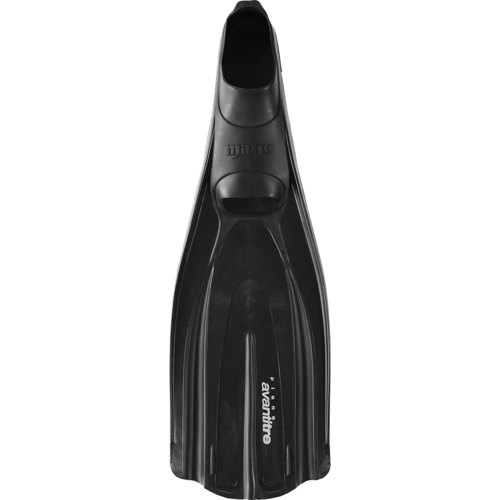
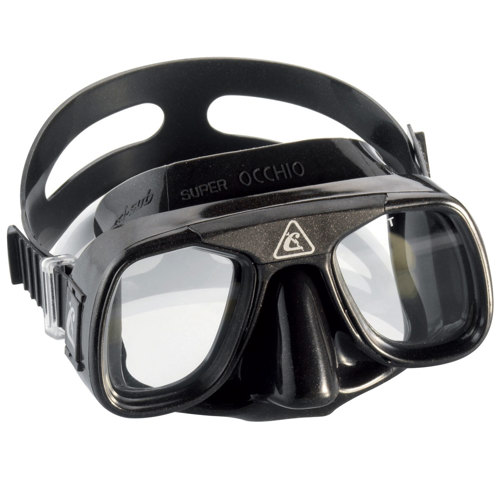
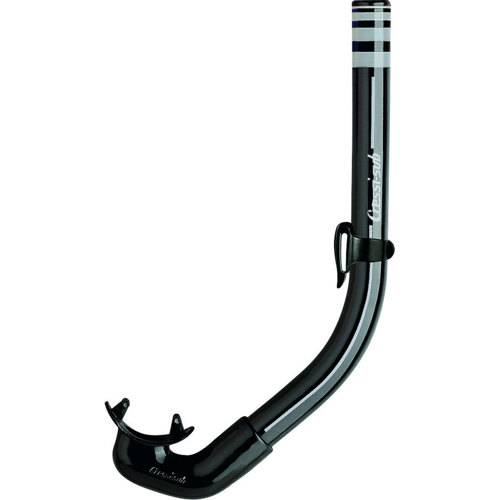
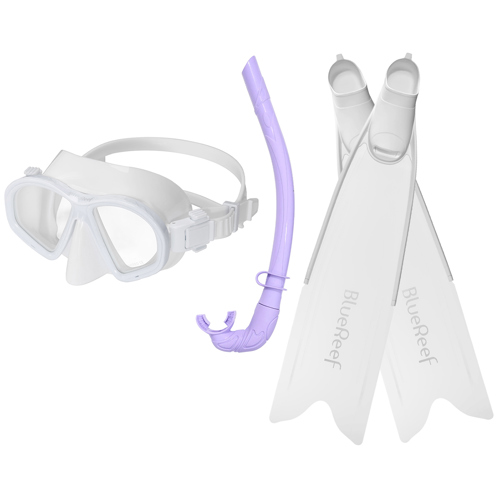
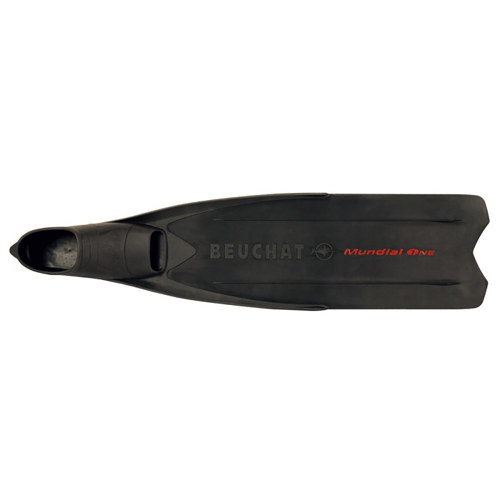
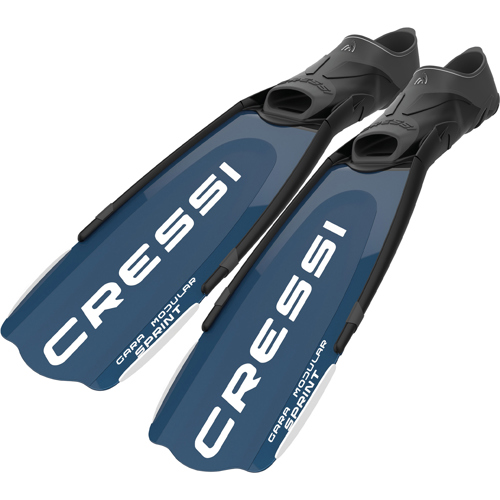
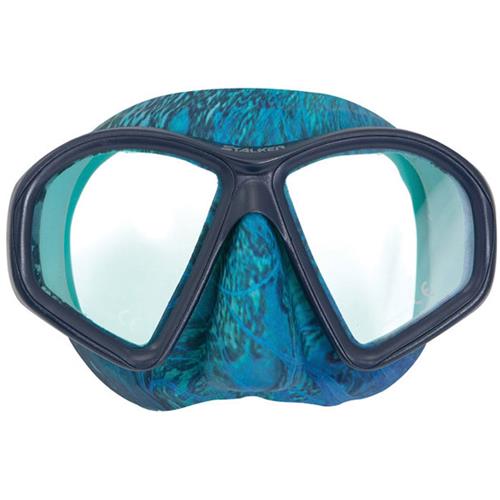
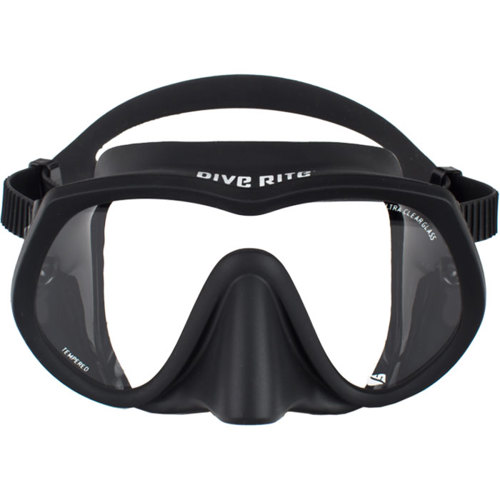
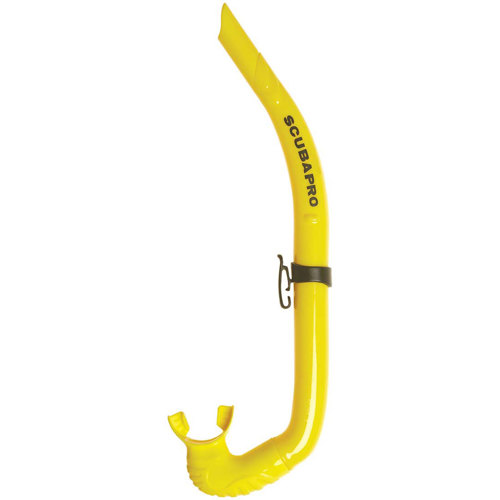
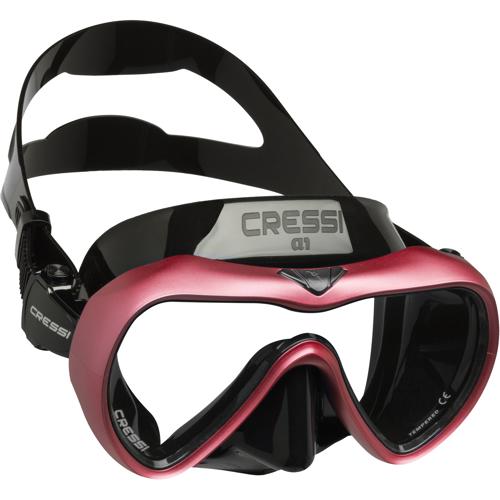
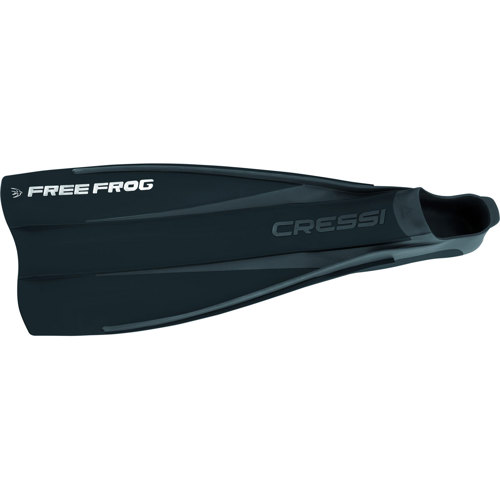
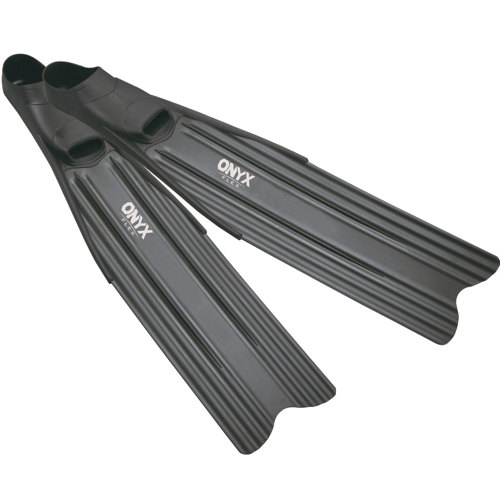
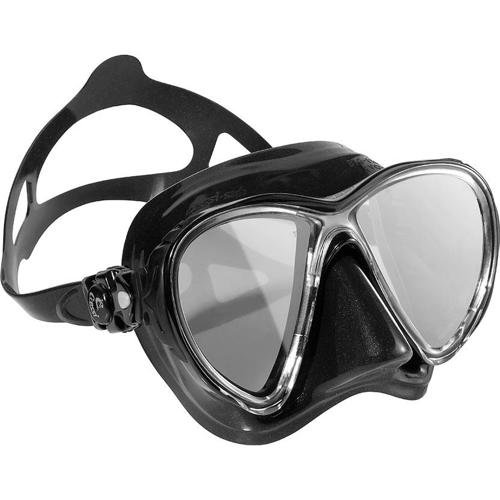
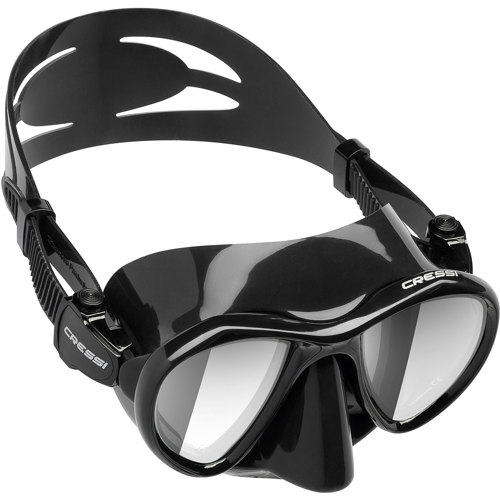
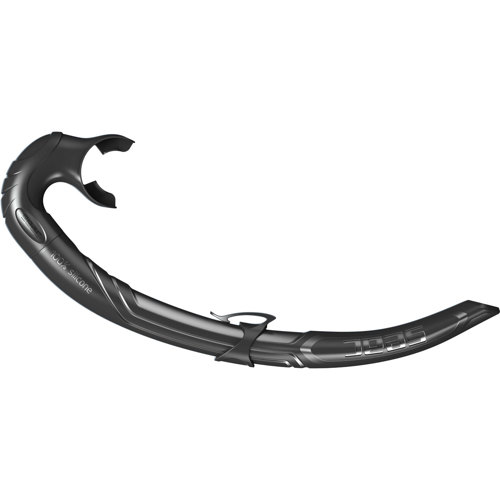
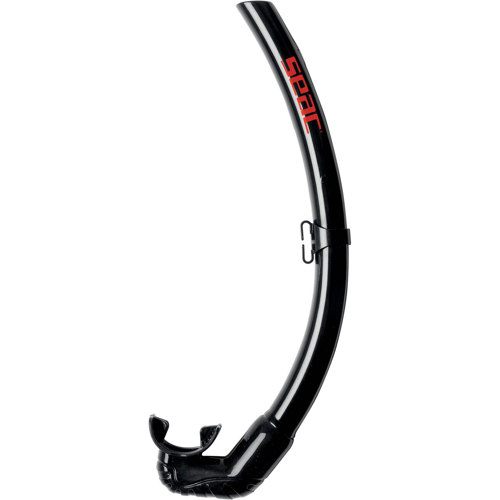
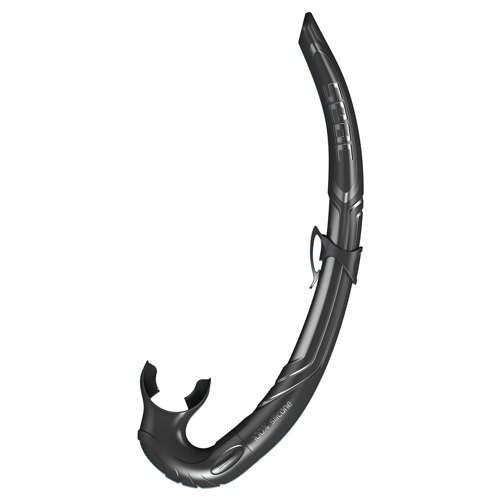
Freediving is a sport where preparation and the right equipment can make all the difference in both performance and enjoyment. When you’re enrolling in a freediving course, compiling a comprehensive freediving equipment list is one of the first steps toward ensuring a safe and comfortable learning experience. Unlike traditional scuba diving, freediving emphasizes efficiency, minimalism, and precise fit. The core gear starts with a low-volume mask, which is crucial for easy equalization and a watertight seal that won’t distract you during descents. A simple, streamlined snorkel—often a classic J-type—allows for relaxed surface breathing between dives. Fins designed specifically for freediving, with their long blades and flexible construction, provide the propulsion needed to glide effortlessly through the water, conserving precious oxygen with each kick. These fins differ significantly from those used in snorkeling or scuba, so it’s worth trying on several styles to find the right balance of stiffness and comfort for your leg strength and diving goals.
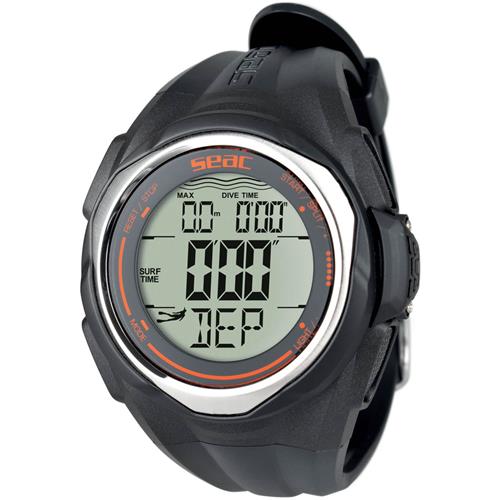
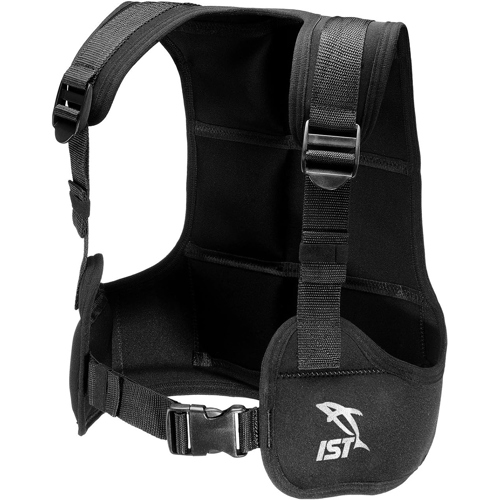
As winter brings cooler water temperatures in many locations, a well-fitted wetsuit becomes even more essential. Freediving wetsuits are typically made from supple neoprene, designed to hug the body and minimize drag while providing insulation. The right thickness depends on local conditions but, even in milder climates, a snug suit helps maintain core warmth and comfort during repeated dives. For those training or exploring in especially chilly environments, adding neoprene socks, gloves, or a hood can make a noticeable difference, protecting extremities from the cold and extending your time in the water. A weight belt—usually rubber for flexibility and grip—paired with carefully chosen weights allows you to achieve neutral buoyancy, which is vital for safe and controlled descents. Adjusting this system is a personal process, often refined with instructor guidance during your course. Freediving instructors frequently recommend investing in your own mask, snorkel, and fins first, as these are the most personal pieces of kit and can dramatically affect your comfort and confidence in the water. Other essentials, such as dive computers, safety lanyards, and surface buoys, are sometimes available to rent during courses, but owning your own allows for more consistent practice and familiarity with your setup.
Freediving gear also makes a thoughtful and practical gift for anyone starting a course, celebrating a milestone, or looking to upgrade their equipment. A high-quality mask or a pair of well-chosen fins can become a trusted companion on countless adventures, while a dive computer or weight belt is an excellent option for someone advancing to more technical depths. Many freedivers appreciate the ritual of assembling their own kit, personalizing it with items that match their body shape, diving style, and preferred conditions. As you explore the world of freediving, the process of selecting gear becomes part of the journey, each piece contributing to your safety, enjoyment, and progression. Whether you’re just beginning or refining your freediving equipment list for more advanced training, prioritizing fit and function over cost is key—especially for items like wetsuits and fins, where comfort directly impacts performance. For a deeper dive into all the essentials and to discover more about the specific gear that supports freediving at every level, visit our comprehensive
Freediving Gear page.