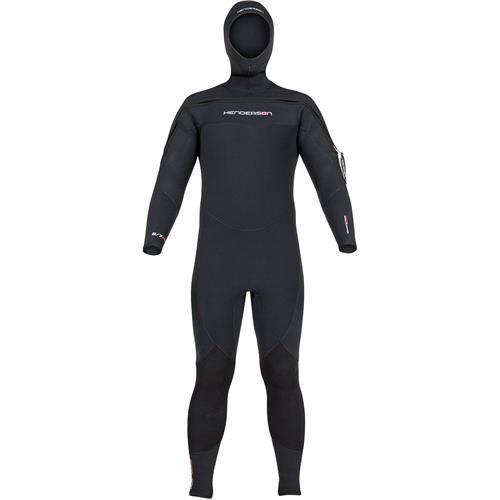
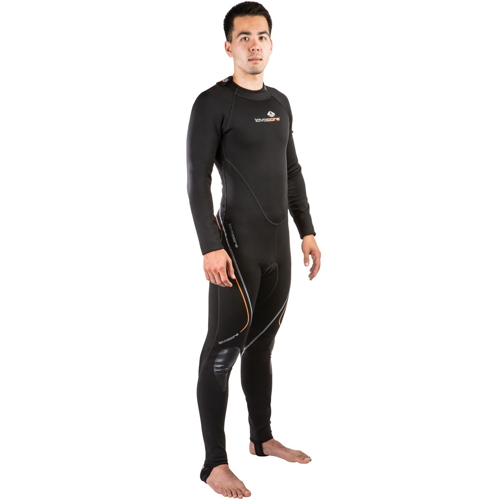
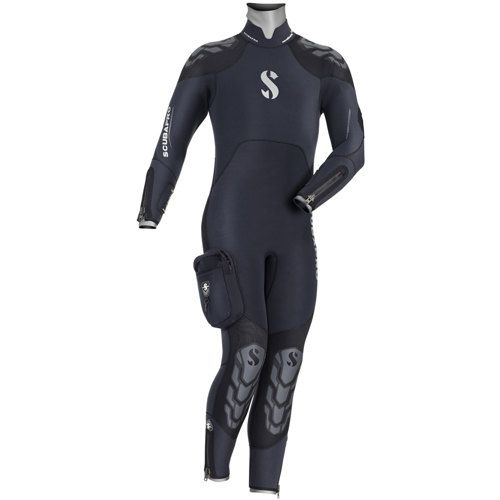
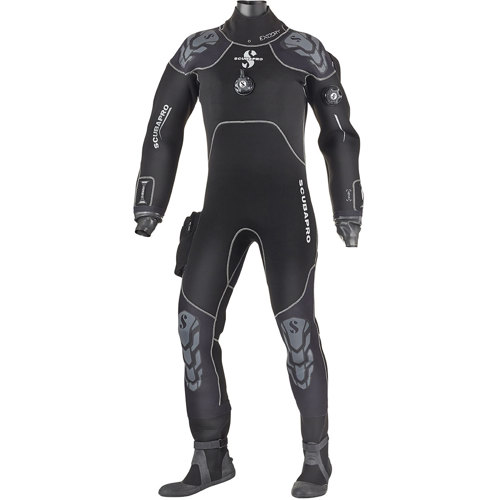
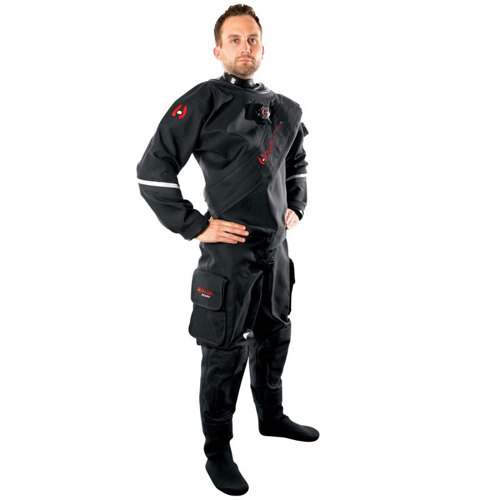
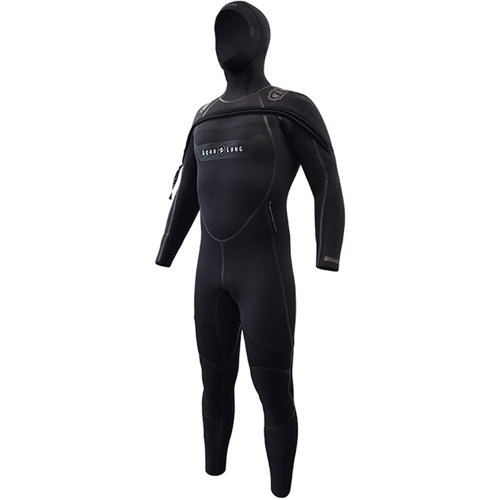
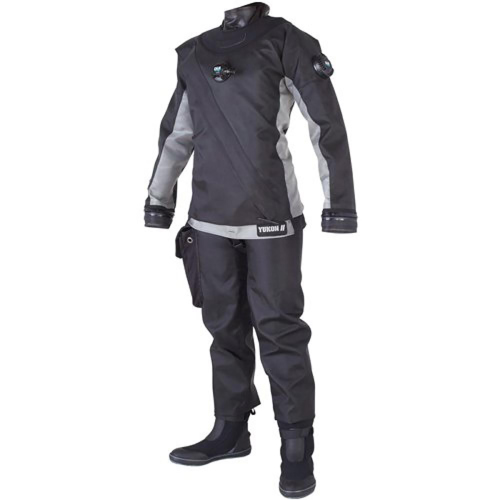
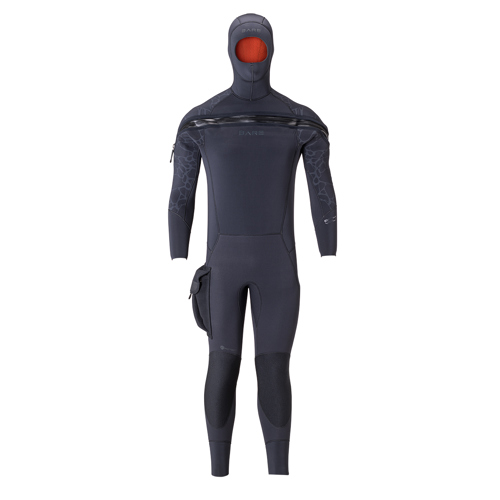
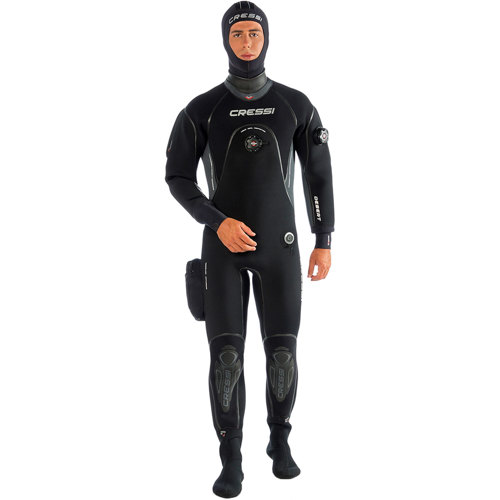
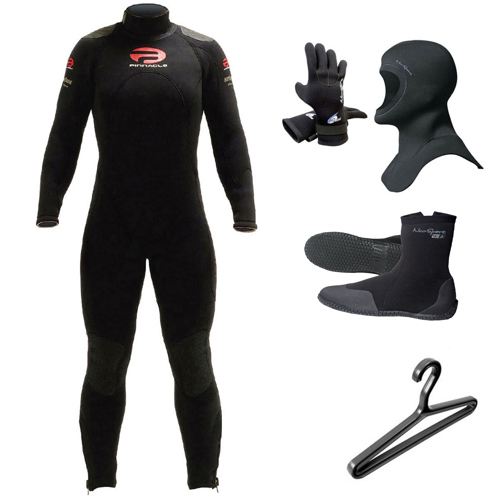
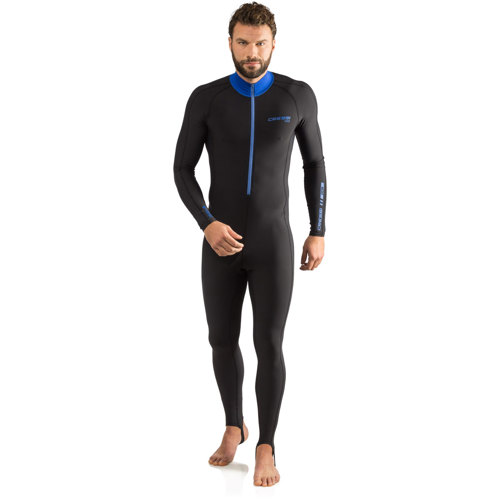
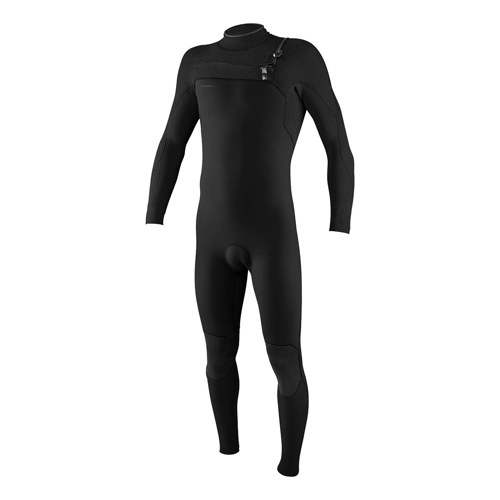
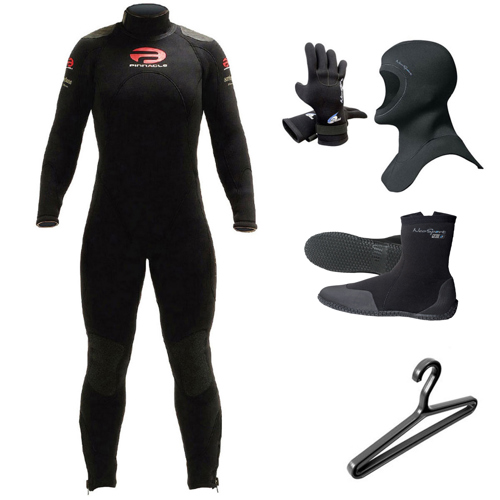
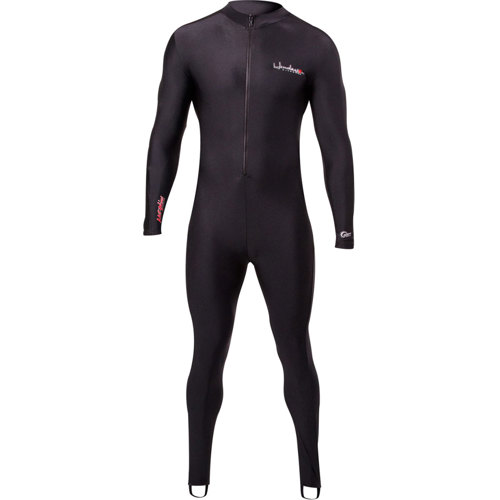
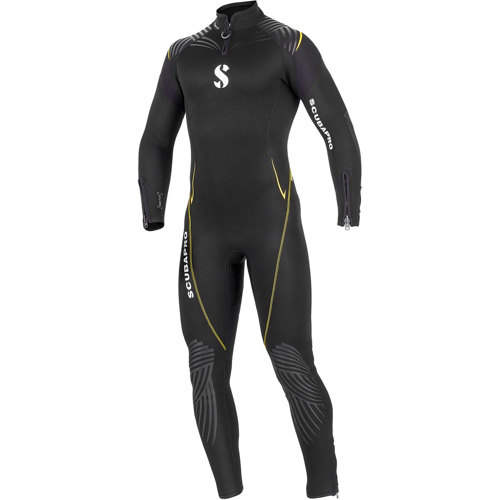
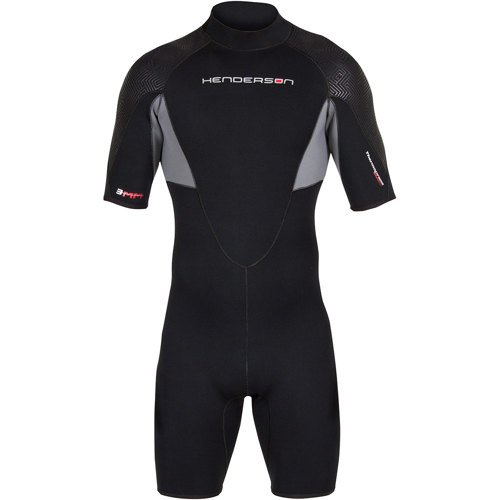
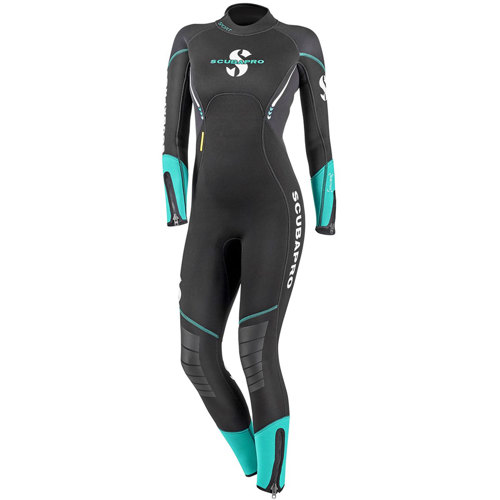
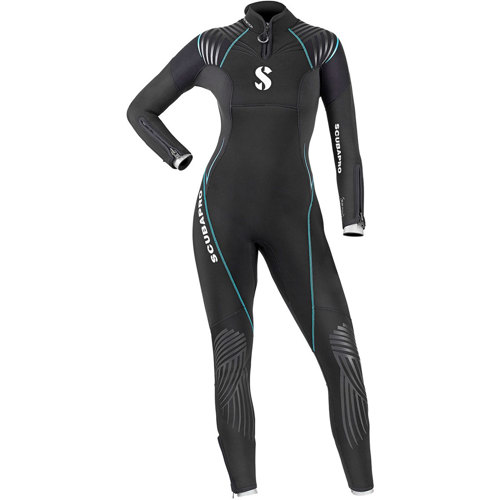
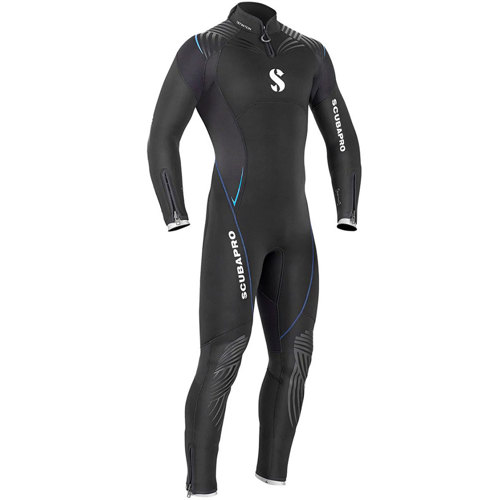
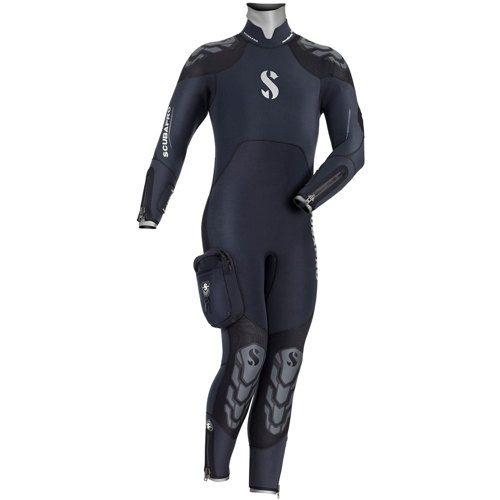
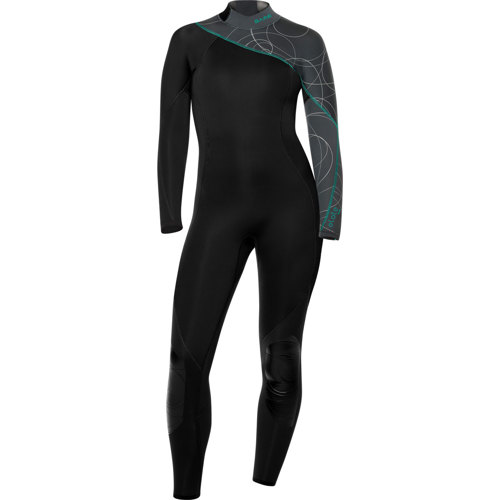
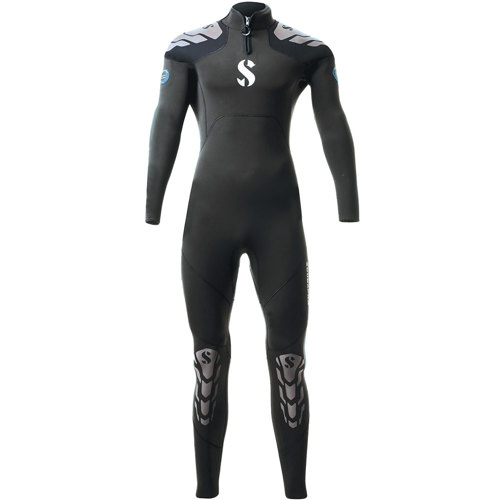
When exploring the world of dry suits, especially those designed with elasticity in mind, it’s crucial to understand how material choice and suit construction influence your experience both in and out of the water. Elasticity dry suits, often crafted from advanced neoprene blends or incorporating panels of stretch fabric, are prized for their unique ability to move with your body. This flexibility is a game-changer for divers who value freedom of movement—whether you’re navigating a rocky entry, adjusting gear on a rolling deck, or executing precise fin kicks at depth. Unlike traditional membrane or trilaminate dry suits, which rely on a looser, baggier fit to accommodate movement, elastic dry suits provide a closer, more streamlined silhouette. This not only minimizes drag underwater but also makes donning and doffing the suit less of a wrestling match, especially when you’re layering up for thermal protection. For those who dive in temperate waters as the weather warms or cools, the inherent insulation of neoprene-based elastic suits can mean fewer, lighter undergarments, keeping your kit manageable during the transition seasons.
Selecting an elasticity dry suit is a personal process that hinges on your diving style, preferred environments, and even your body type. If you’re an active diver who enjoys everything from leisurely shore dives to technical wreck explorations, the added stretch in these suits can reduce fatigue and chafing during long surface intervals or repetitive dives. Instructors, underwater photographers, and scientific divers often gravitate toward elastic suits for their ability to accommodate the constant bending, twisting, and reaching required by their work. On the other hand, if you’re shopping for a gift—perhaps for a dive buddy who’s upgrading their gear, a family member embarking on a cold-water certification, or a partner who loves year-round adventure—an elasticity dry suit is an especially thoughtful choice. The forgiving fit adapts to subtle changes in body shape, making it a versatile investment that can serve for years to come. Many divers recall their first experience in a well-fitted, elastic dry suit as transformative—no more stiff, ballooning excess fabric, just a suit that feels like a second skin, offering both warmth and agility as you glide through kelp forests, explore freshwater springs, or hover above a shipwreck’s silent deck.
Beyond comfort and insulation, there are practical considerations that set elasticity dry suits apart. The stretch properties of modern neoprene and hybrid materials help maintain a snug seal at the neck, wrists, and ankles, reducing the risk of leaks and cold spots. However, it’s important to note that neoprene compresses with depth, which can slightly reduce both buoyancy and thermal protection as you descend. Many experienced divers address this by selecting suits made from compressed or crushed neoprene, which preserves elasticity while minimizing these effects, or by pairing their suit with high-performance base layers. If you have a non-standard body shape or require a tailored fit, many manufacturers offer custom sizing to ensure maximum range of motion without sacrificing the suit’s dry integrity. For those who are curious about the broader spectrum of flexible divewear—including options for milder conditions or surface sports—you’ll find a curated selection of
Elastic Fullsuits that blend comfort, performance, and versatility. Whether you’re gearing up for a season of exploration or seeking a memorable gift for the diver in your life, elasticity dry suits offer a compelling blend of innovation and practicality, helping you stay warm, dry, and agile wherever your underwater adventures take you.