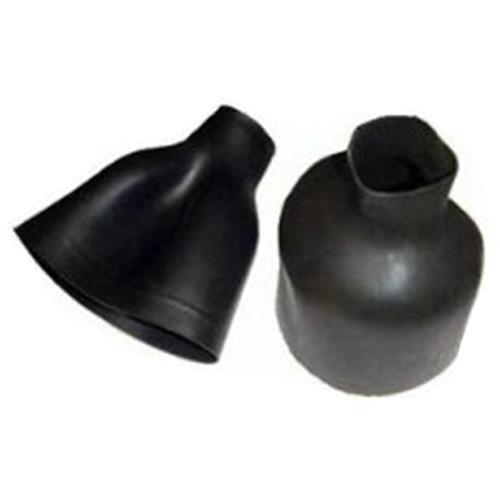
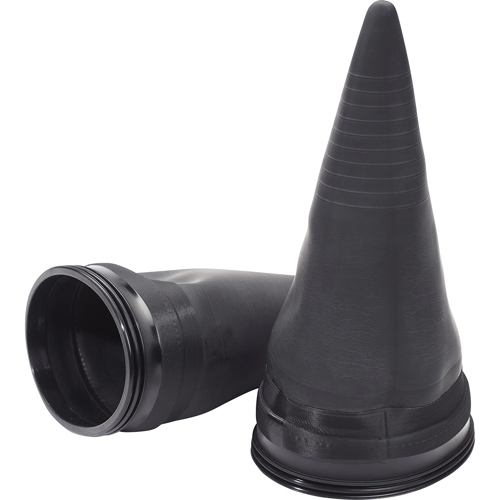
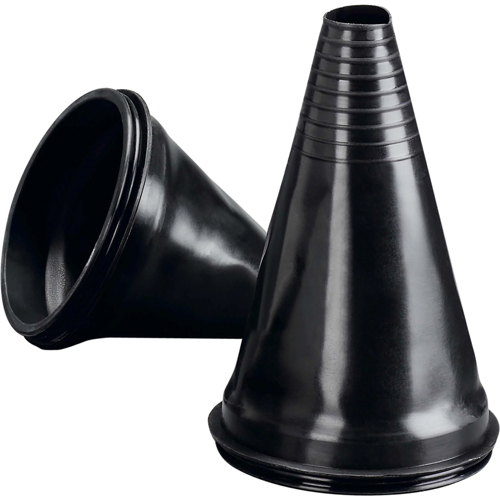
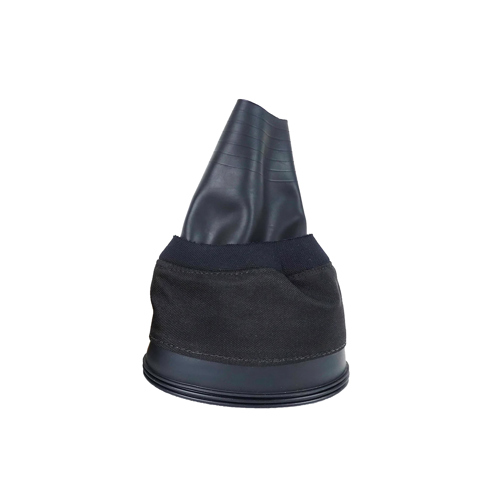
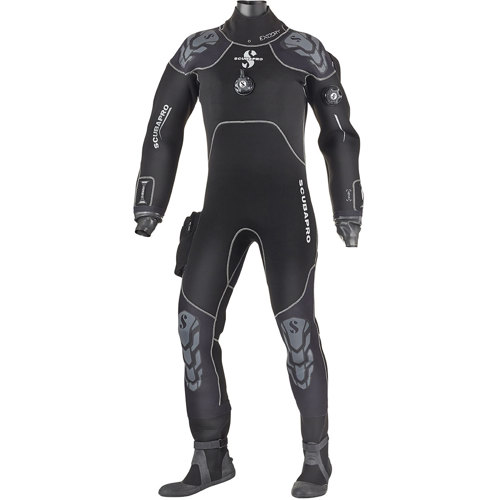
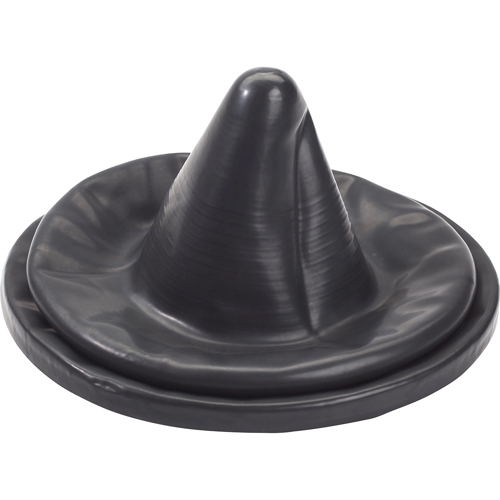
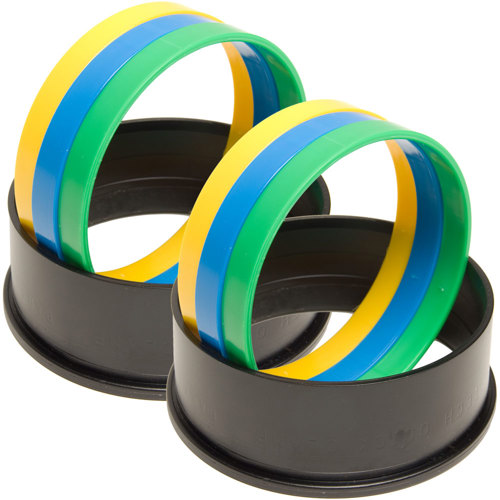
For divers braving the chill of winter waters or exploring the temperate depths during February’s peak cold, drysuit wrist protectors are more than just accessories—they are essential components of your thermal defense system. The wrists are a notorious weak point for water ingress, and even the most advanced drysuit can be compromised by a poor seal at this junction. Drysuit wrist protectors, including robust latex and flexible silicone seals, act as a crucial barrier, ensuring that water stays out and warmth stays in. Latex seals are prized for their time-tested reliability and come in various thicknesses, offering durability for divers who frequently don and doff their suits. Silicone wrist seals, on the other hand, offer a more forgiving stretch, making donning easier and providing comfort for those with sensitive skin or who prefer a less restrictive fit. Both options are integral in preventing leaks, but the choice between them often comes down to personal preference, sensitivity, and the specific conditions of your dive site.
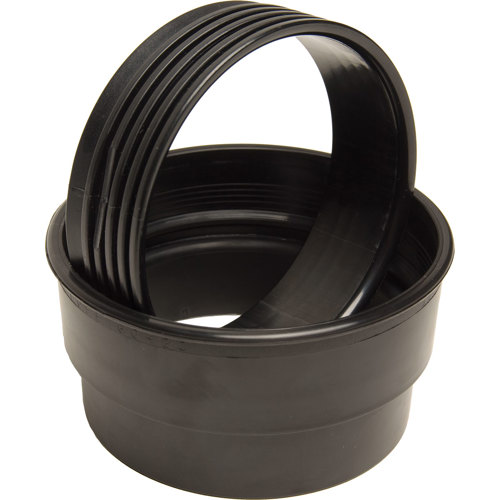
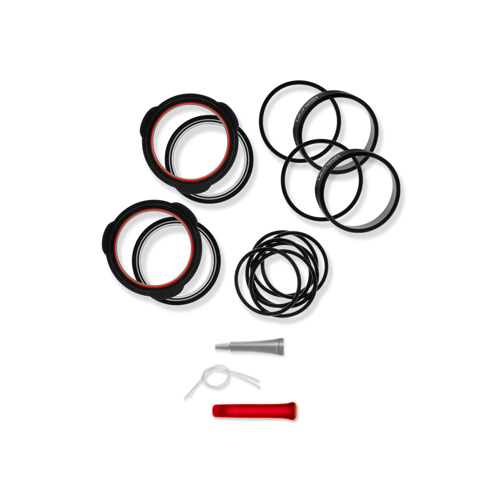
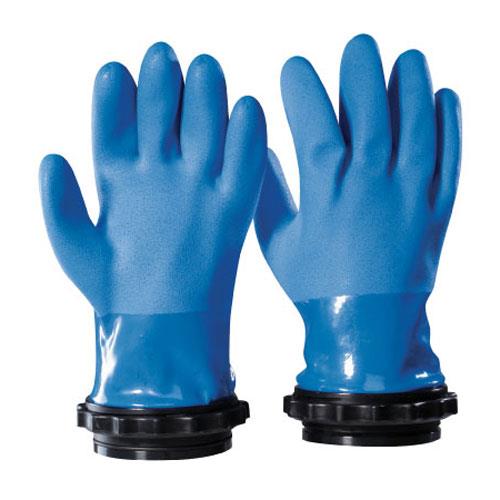
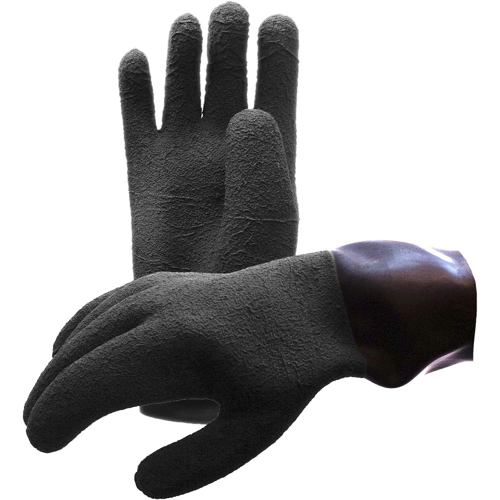
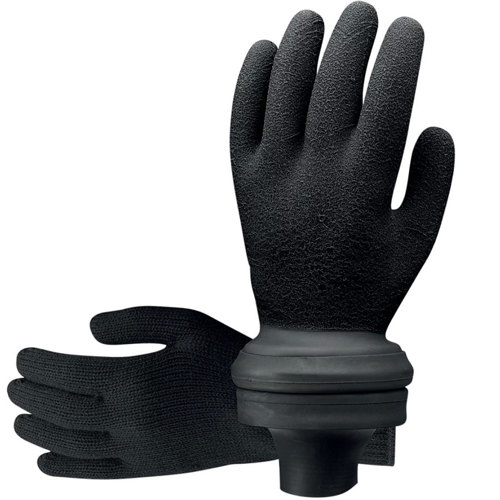
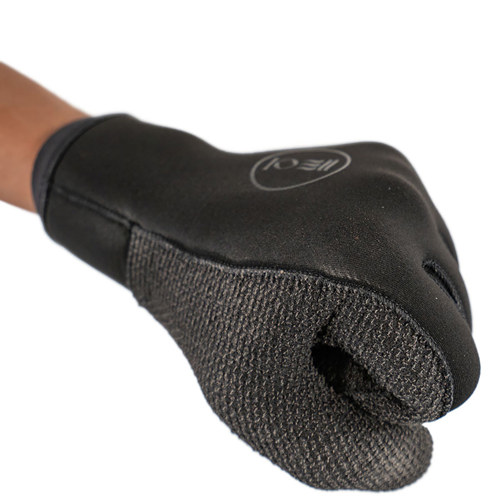
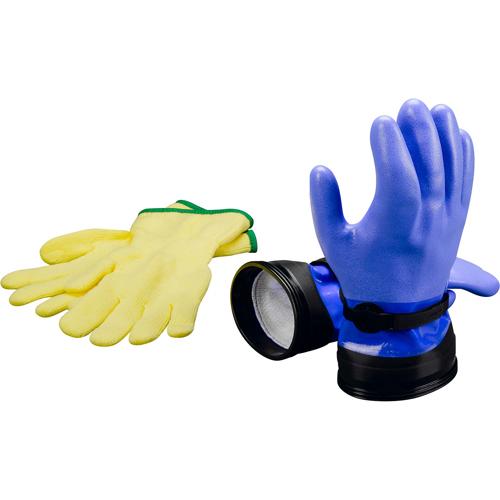
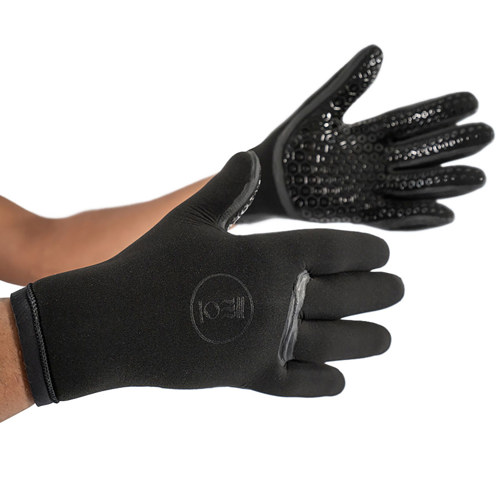
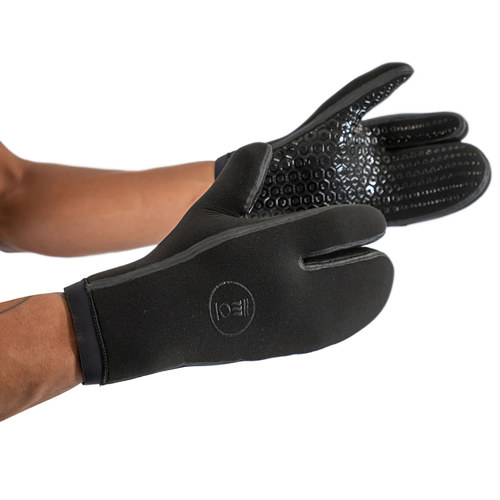
Modern systems have evolved to offer impressive versatility and convenience. Quick-change mechanisms, such as ring systems, allow divers to swap out wrist seals on the fly, minimizing downtime between dives and eliminating the need for adhesives or specialized tools. These systems are especially popular among technical divers, instructors, and those who travel frequently, as they enable easy adaptation to changing environments—switching from latex to silicone, or integrating dry gloves for extra warmth when the mercury drops. Cuff protectors, often made from durable rubber, can be layered over seals to provide extra abrasion resistance, particularly valuable when navigating rocky entries or handling equipment. For those venturing into truly frigid waters, integrating dry gloves with your wrist protectors can make a world of difference. These gloves connect directly to the wrist seal system, creating a watertight barrier that keeps your hands dry and nimble, even after hours beneath the surface. The right combination of seals, protectors, and gloves can mean the difference between a comfortable, focused dive and one cut short by cold or leaks.
Selecting the ideal drysuit wrist protector is as much about fit as it is about function. Accurate measurement of wrist circumference is critical; a seal that is too tight can restrict circulation and cause discomfort, while one that is too loose may compromise the suit’s integrity. It’s wise to measure directly, rather than relying on clothing sizes, to ensure a snug, leak-proof fit. Consider the environment in which you’ll be diving—cold water demands a more robust solution, perhaps incorporating dry gloves, while milder conditions may allow for a lighter, more flexible seal. Compatibility with your drysuit’s existing ring system is another key factor, as not all seals and protectors are universally interchangeable. Whether you’re a seasoned technical diver preparing for a winter expedition, a recreational diver extending your season into colder months, or searching for a practical gift for the diver in your life, investing in quality wrist protection is a decision that pays dividends in comfort, safety, and enjoyment. For a comprehensive overview of options and expert recommendations, explore our curated selection at
Drysuit Wrist Solutions, where you’ll find solutions tailored to every diver’s needs and preferences.