Diving line techniques are an essential component of safe and efficient underwater exploration, especially for divers venturing into overhead environments like caves, wrecks, or complex reef systems. Mastery of these techniques is not just about following a set of rules—it's about building confidence and maintaining a clear, continuous path back to safety. Whether you’re a technical diver threading through the narrow passages of a submerged cave or a recreational diver exploring a shipwreck, the right approach to line management can make all the difference. The process often begins with a primary tie-off outside the entry point, using a solid object to anchor the line securely. This is followed by secondary tie-offs at key turns or intersections, ensuring the line remains straight, taut, and easy to follow. The continuous line principle is vital; maintaining an unbroken path to the surface or exit is a safety cornerstone, especially when visibility drops or conditions change unexpectedly. Attention to line tension is crucial—lines should be tight enough to avoid slack that could entangle fins or gear, but not so tight as to risk breakage or accidental detachment. As the weather warms and dive conditions become more inviting, many divers take the opportunity to refine their skills, practicing careful line placement along walls or floors and keeping the line consistently on the same side of the body for reliable orientation.
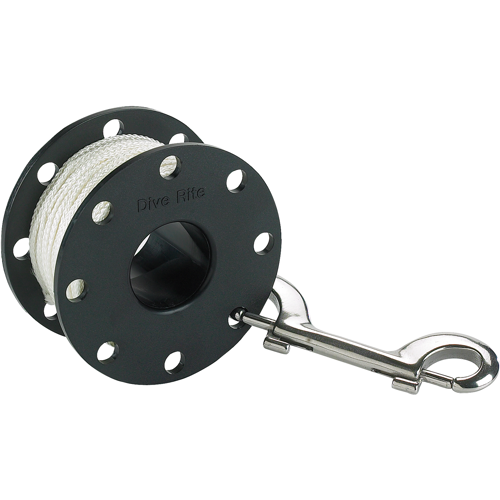
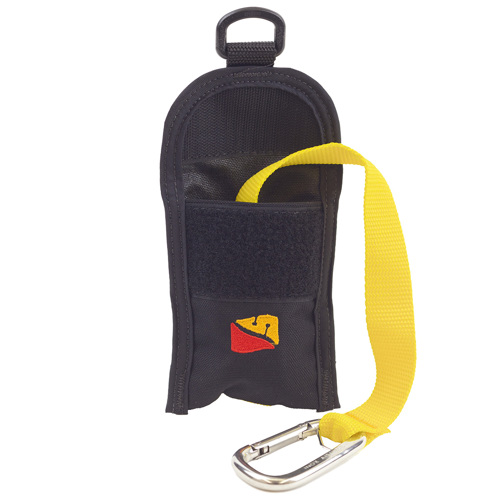
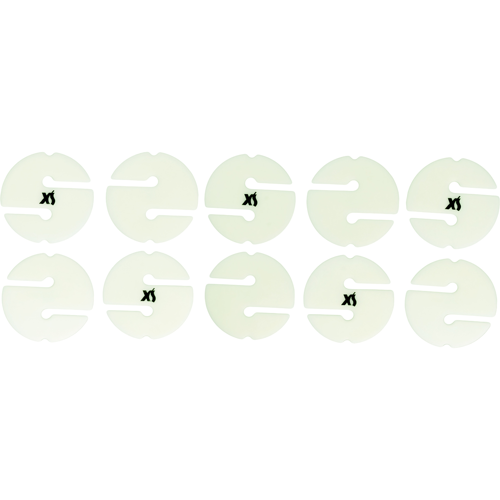
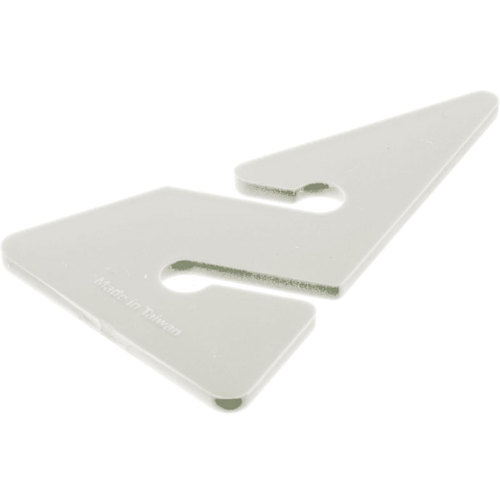
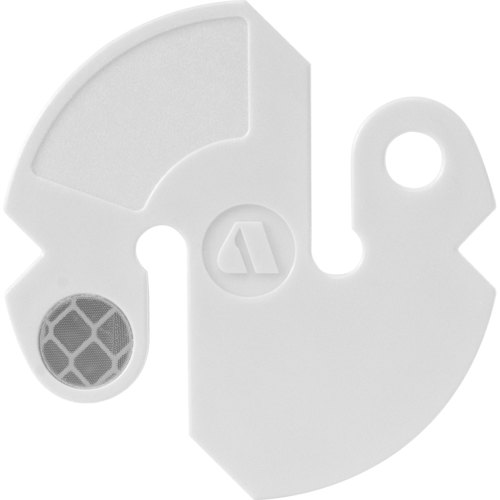
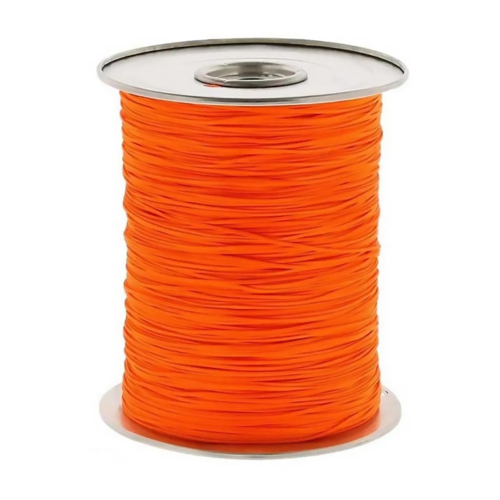
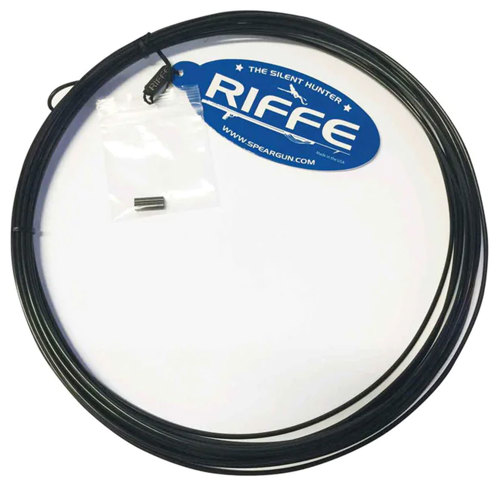
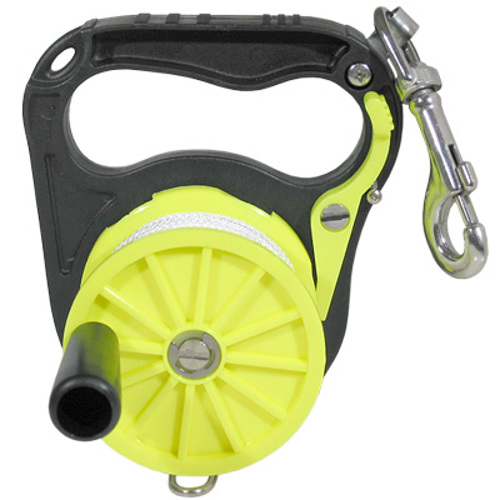
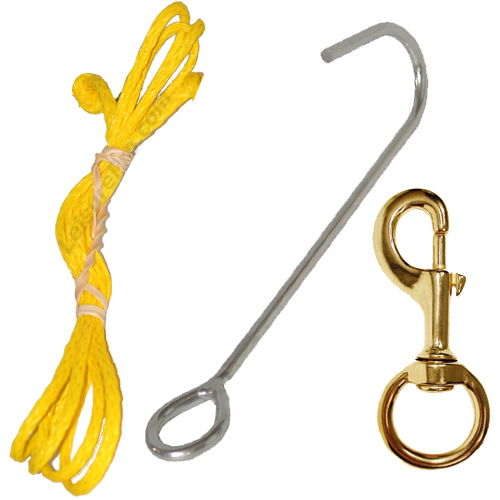
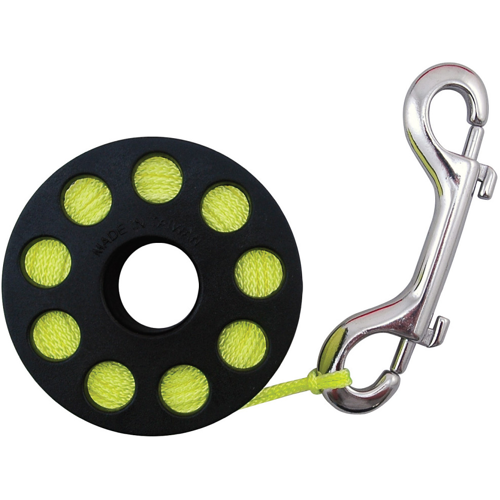
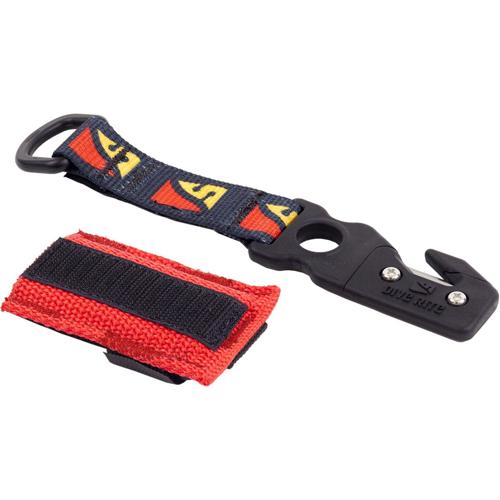
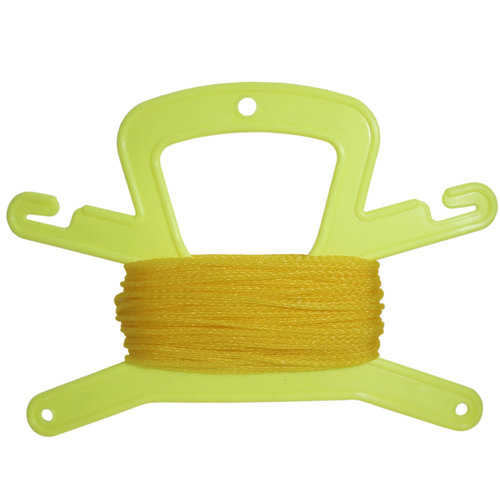
For those shopping for diving line products, several factors come into play. The choice between reels and spools, the type of line material, and the inclusion of accessories like navigation arrows or line markers are all influenced by the intended environment and personal preference. Jump and gap spools are particularly useful for connecting lines in complex systems, allowing divers to bridge gaps or make directional changes without losing their reference. Proper handling—such as holding the reel away from the body and maintaining steady tension when reeling in—helps prevent tangles and bird-nesting, which can be frustrating and even hazardous underwater. Experienced divers often recommend alternating winding directions and switching hands every few rotations to avoid twisting the line, a trick learned through countless dives and shared among dive buddies. Storage is another key consideration; keeping spools and markers in secure pockets reduces the risk of snagging on equipment or the environment. These products also make thoughtful gifts for dedicated divers, instructors, or anyone preparing for advanced training, as they support both skill development and safety. Marking lines with direction indicators or navigation arrows is a practice that can bring peace of mind during challenging dives, especially when leading a group or managing multiple exit options. Following established protocols—like the first in, last out rule for line management or placing new lines below existing ones—reflects respect for the environment and fellow divers, contributing to a safer underwater community.
Whether you are building your own kit for the season’s adventures or searching for a practical, meaningful gift for a dive enthusiast, understanding the nuances of diving line techniques is invaluable. The right tools not only enhance safety but also foster a greater appreciation for the discipline and camaraderie found in the diving community. For a comprehensive selection of reels, spools, line markers, and accessories designed to support best practices in line management, explore our curated collection at
Diving Line Tools. Equipping yourself with quality gear and a solid understanding of technique ensures that every dive—whether in the warmth of summer or the cool clarity of late spring—remains an adventure marked by confidence, preparedness, and respect for the underwater world.