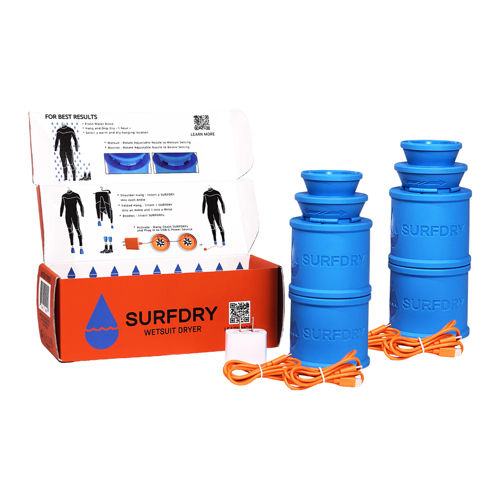
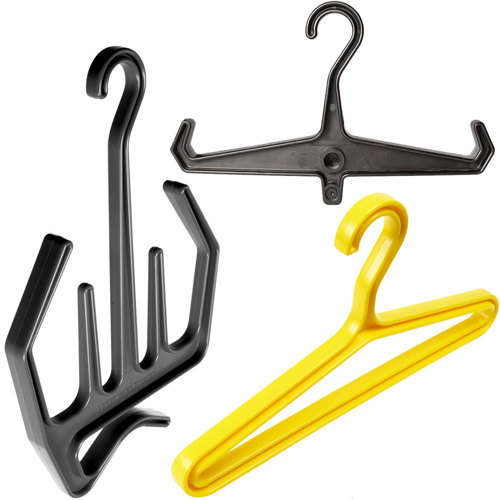
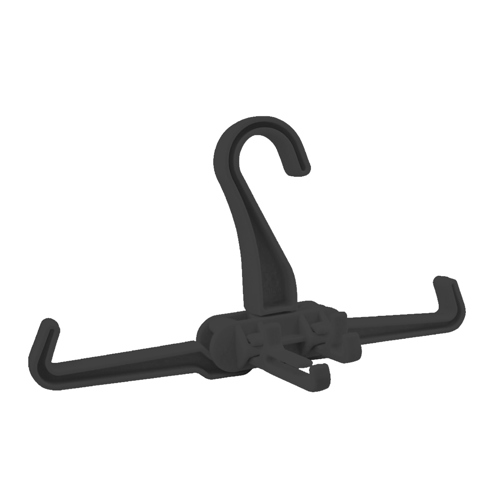
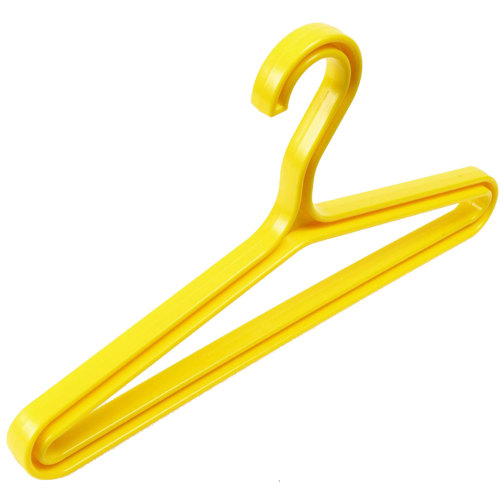
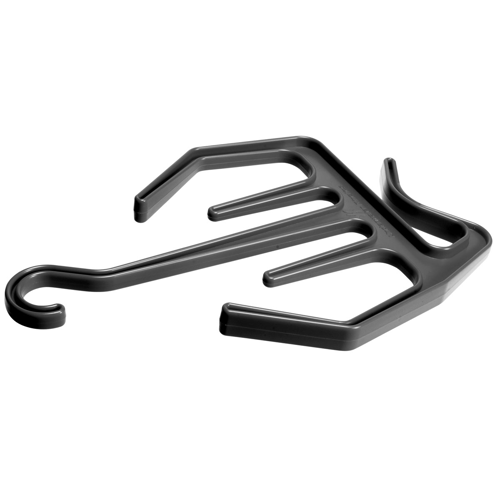
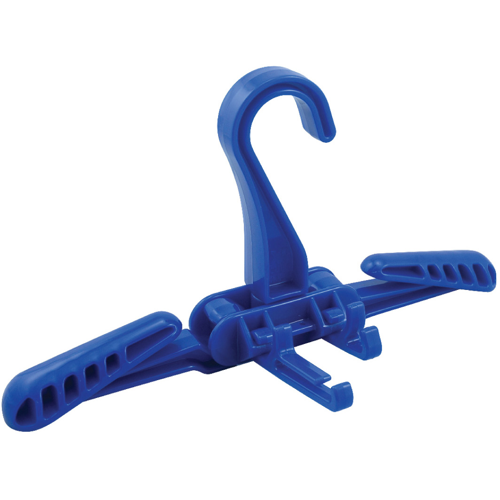
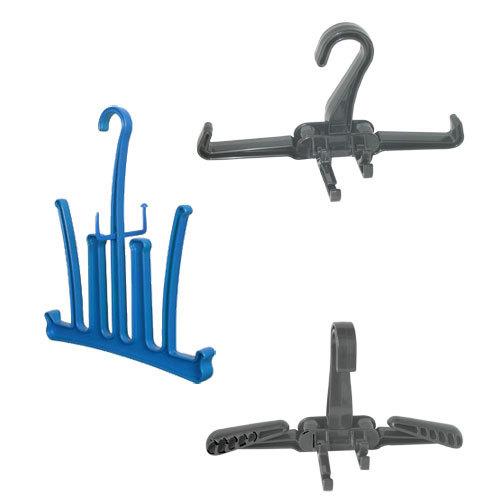
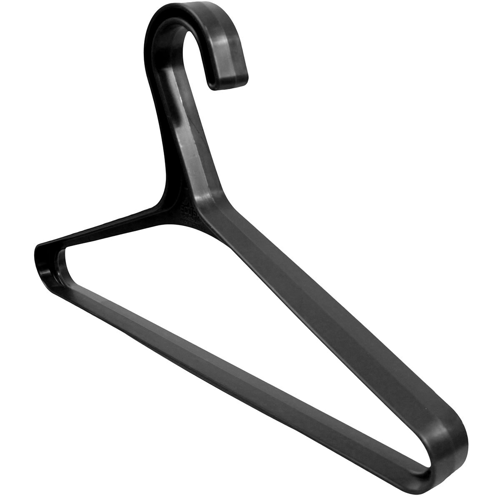
When it comes to the care and longevity of your dive equipment, few investments pay off quite like a reliable diving gear dryer. Whether you’re a weekend snorkeler, a dedicated scuba enthusiast logging multiple dives in a day, or a professional who relies on dry gear for safety and comfort, the right dryer can make all the difference. After a day exploring reefs or shipwrecks, it’s all too familiar to return with a wetsuit or drysuit heavy with water, gloves and boots saturated, and the clock ticking before the next adventure. Hanging gear in a damp garage or over a shower rod may get the job done eventually, but it leaves your equipment vulnerable to lingering moisture, musty odors, and even damaging mildew. Modern diving gear dryers, designed with high-powered fans and robust hangers, circulate air efficiently through thick neoprene and layered fabric, dramatically reducing drying times from days to just a few hours. This not only helps prevent the growth of mold and bacteria but also preserves the flexibility and fit of your gear by avoiding the creases and compression that can occur when heavy suits are hung improperly.
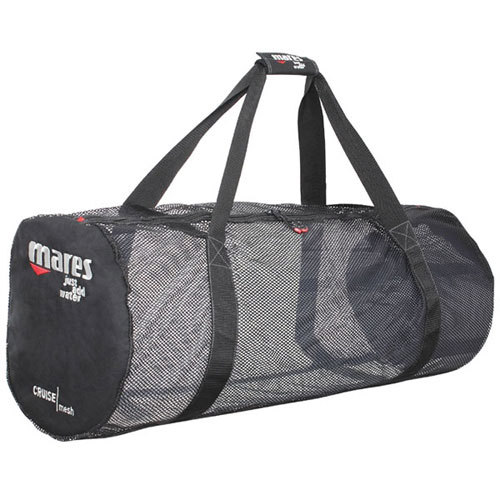
For anyone who dives regularly—especially as the weather warms and dive trips become more frequent—gear dryers are indispensable for keeping equipment fresh and ready. They’re particularly useful for those living in humid climates or for anyone without a dedicated drying room. Compact, portable models are a favorite among traveling divers, easily stashed in a gear bag and set up in hotel bathrooms or on liveaboard boats. At home, larger capacity dryers can handle everything from full wetsuits and drysuits to boots, gloves, and hoods, making them ideal for families or dive buddies who share gear. Even if you’re just getting started in the sport, a gear dryer can be a thoughtful and practical gift for a new diver, ensuring their investment in quality equipment lasts for seasons to come. For those who split their time between colder and warmer water, or who own multiple suits for different conditions, a dryer streamlines the transition between gear types—no more waiting for a damp suit to air out before packing it away for your next outing. And if you’re exploring options beyond traditional wetsuits, consider browsing our collection of
Semi Dry Diving Gear for additional solutions that balance warmth and quick drying times.
The benefits of a dedicated diving gear dryer extend well beyond convenience. By actively pushing air into every seam and layer, these devices help maintain the structural integrity of neoprene and other technical fabrics, prolonging the life of your investment. For those who enjoy diving year-round, especially during the cooler months when drying times naturally increase, a gear dryer can be the difference between suiting up in fresh, comfortable gear or dealing with lingering dampness and chill. Commercial operators and dive instructors often rely on heavy-duty, multi-gear systems to keep rental and instructional equipment in top condition, ensuring every diver starts their session with gear that’s clean, dry, and ready for action. Even for solo adventurers, the peace of mind that comes from knowing your suit, boots, and gloves are thoroughly dry—inside and out—means more time focused on the underwater world and less on post-dive chores. Whether you’re gearing up for a summer of local shore dives or planning a long-awaited tropical getaway, investing in a quality diving gear dryer is a smart step toward protecting your equipment and enhancing every dive experience.