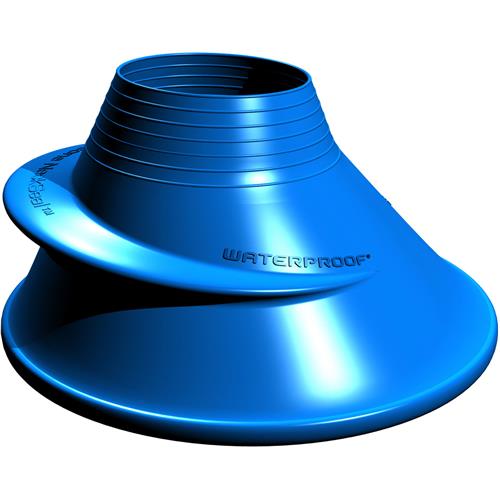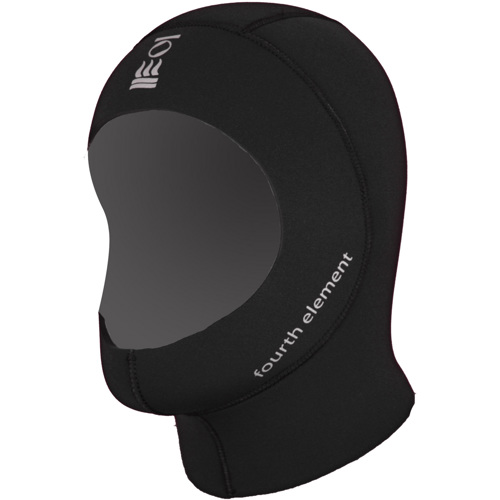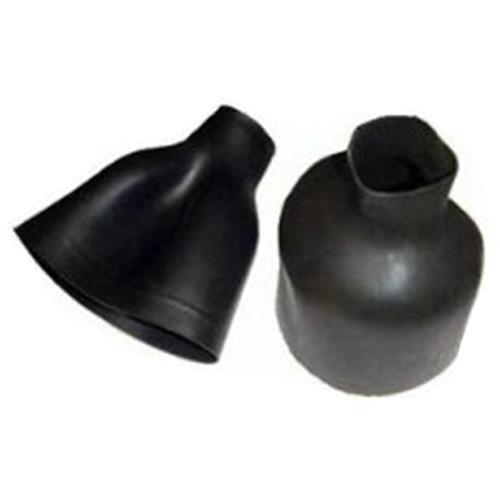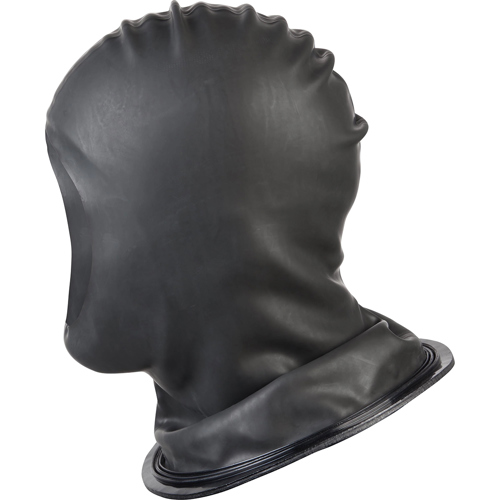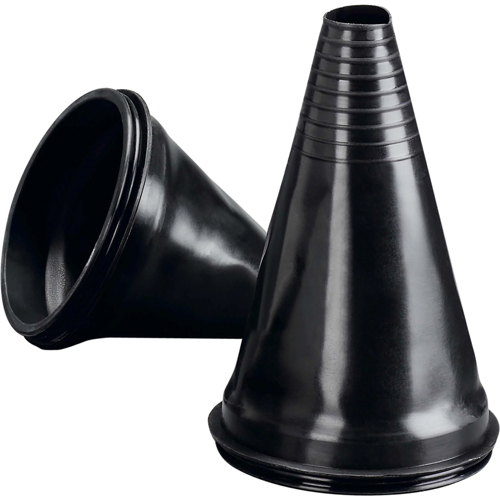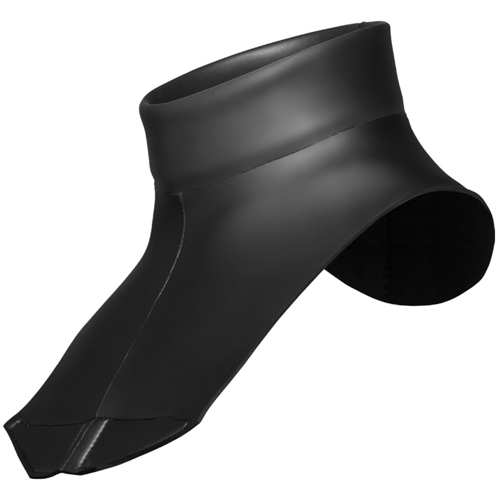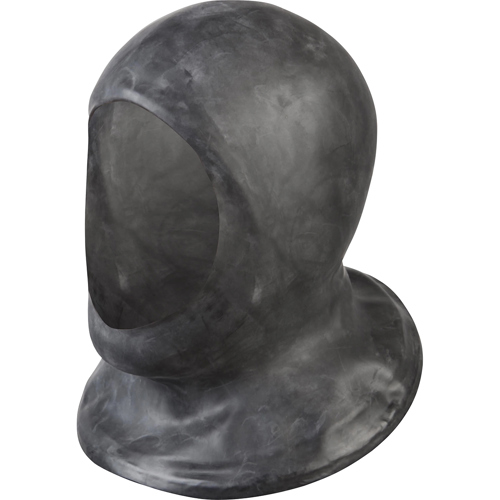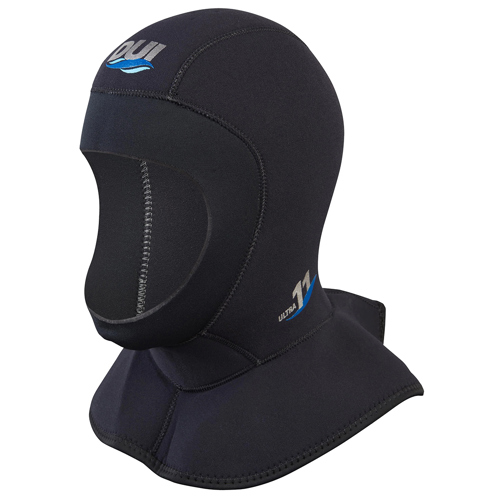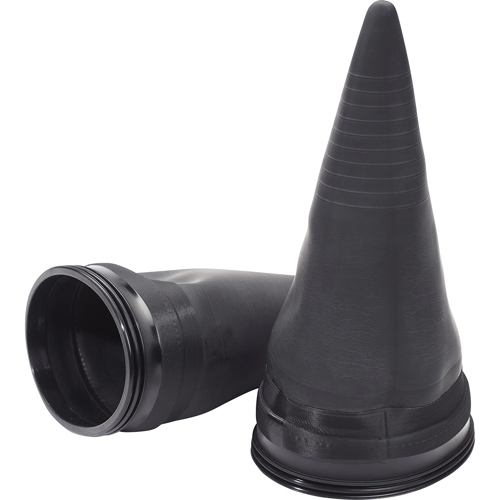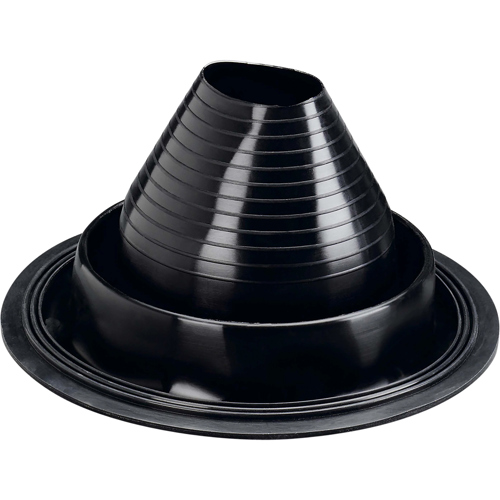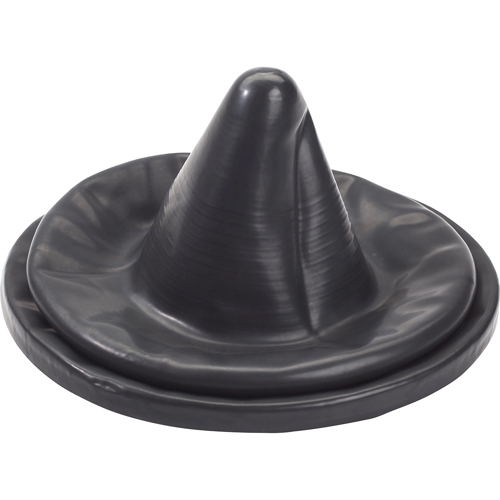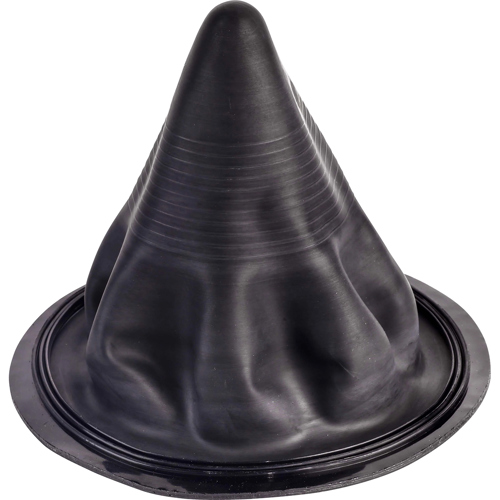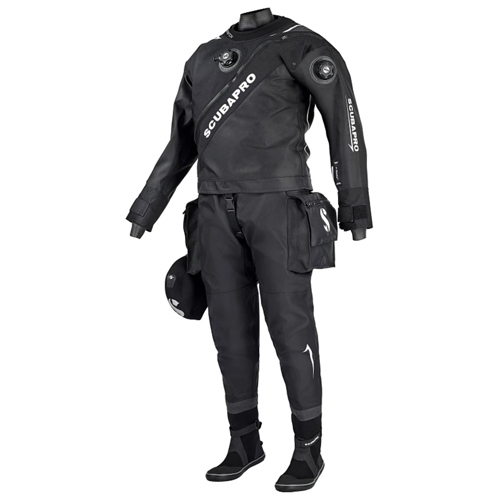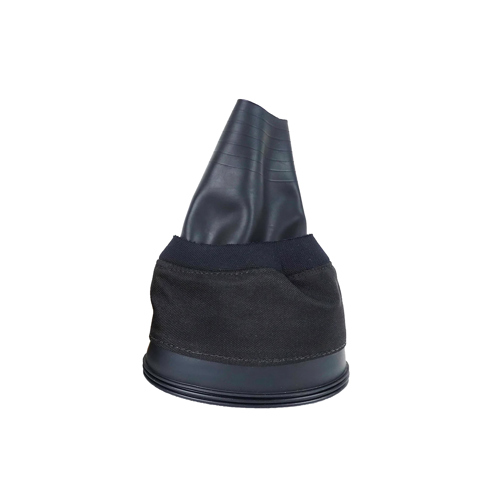
Diving dry seals are an essential part of any cold-water diver’s kit, forming the critical barrier that keeps water out and warmth in while exploring beneath the surface. Whether you’re braving the icy waters of winter, conducting technical dives in challenging environments, or simply extending your dive season, the right dry seals make all the difference in comfort and safety. Typically found at the neck and wrists of drysuits, these seals are designed to create a watertight closure that prevents even the smallest trickle from entering, allowing divers to stay dry and insulated in even the harshest conditions. The main materials used for these seals—latex, silicone, and neoprene—each offer unique advantages. Latex is favored for its snug, classic fit and reliable seal, though it requires routine care to maintain its lifespan and flexibility. Silicone seals are prized for their comfort, hypoallergenic properties, and resilience, making them a popular choice for those who want an easy-on, easy-off experience without sacrificing performance. Neoprene, on the other hand, provides an extra layer of warmth and durability, especially appreciated by divers tackling frigid waters or those who value added insulation at the seal points.
Choosing the right diving seal is a personal decision shaped by the type of diving you do, your sensitivity to materials, and your local conditions. For technical divers who may spend extended periods underwater or require redundant protection, a robust and easily replaceable seal system is invaluable—especially when dives are remote or involve multiple days in the field. Recreational divers venturing into cooler climates or those looking to upgrade their current drysuit will also benefit from understanding the differences between seal materials, as well as the importance of proper fit. A well-fitted seal should be snug enough to prevent leaks but not so tight as to restrict circulation or cause discomfort. For those with allergies or sensitive skin, silicone options offer a welcome alternative to traditional latex. Maintenance is key to longevity: rinsing seals with fresh water after every use, storing them away from sunlight and heat, and using talcum powder with latex seals can significantly extend their life and performance. If you ever notice a persistent leak or discomfort, consider inspecting your seals for small tears or trying a bio neck seal accessory to enhance the watertight barrier.
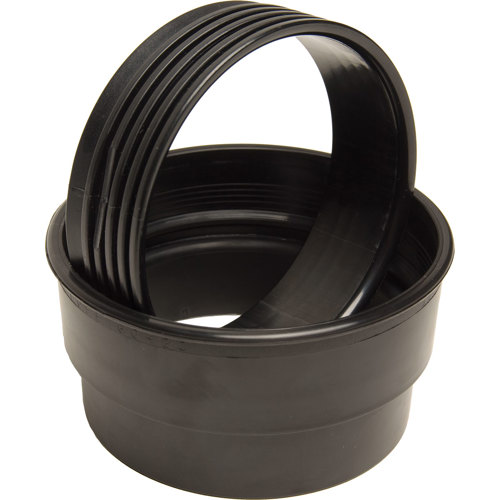
Diving dry seals also make thoughtful gifts for the passionate diver in your life, especially as the colder months set in and the allure of winter diving grows. Upgrading to a more comfortable or high-performance seal can transform a diver’s experience, allowing for longer, warmer, and more enjoyable dives. These seals are not just for technical or professional divers—anyone who values comfort, safety, and the ability to dive year-round will appreciate the difference a quality diving seal makes. For those interested in exploring more advanced options or learning about user-replaceable systems that allow for quick changes in the field, our comprehensive selection of
Technical Diving Seals offers insights into the latest innovations and best practices for seal care and replacement. With the right choice and attention to maintenance, diving dry seals become a trusted companion for every adventure, ensuring each dive is as warm and dry as the last.