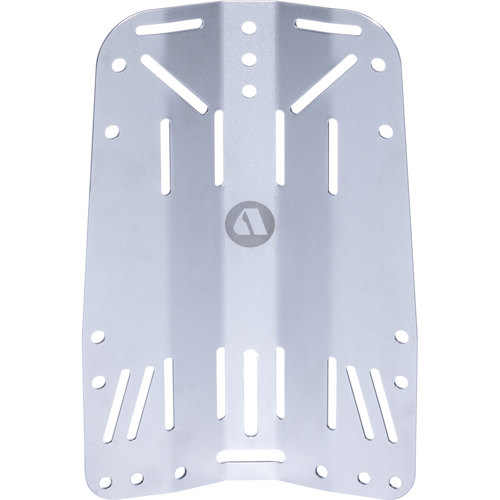
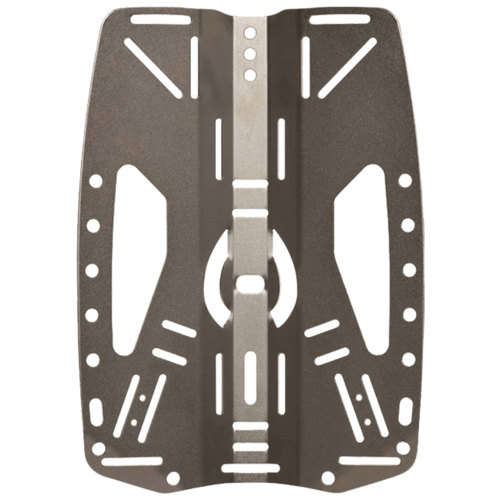
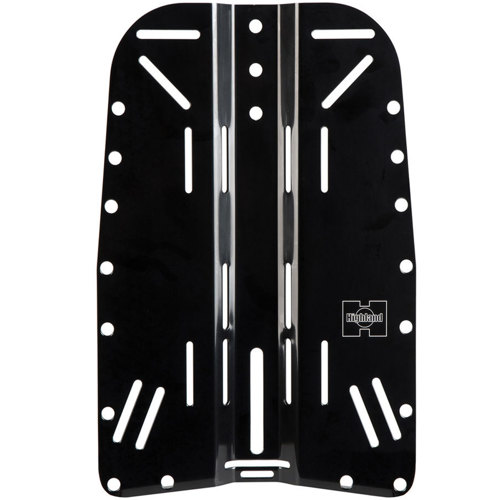
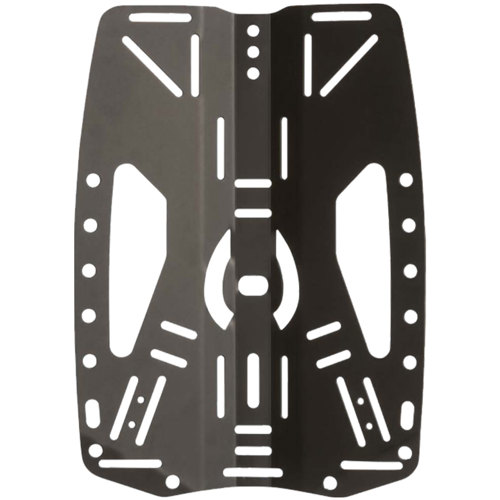
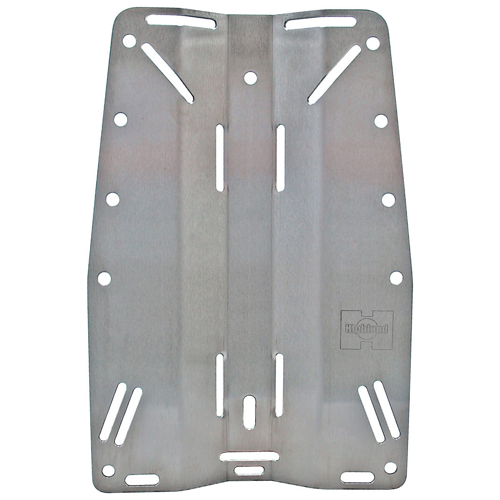
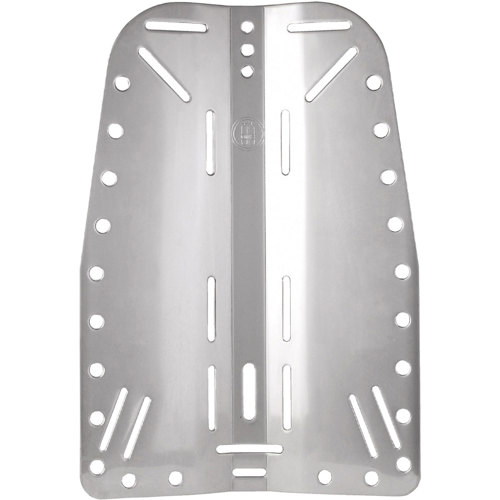
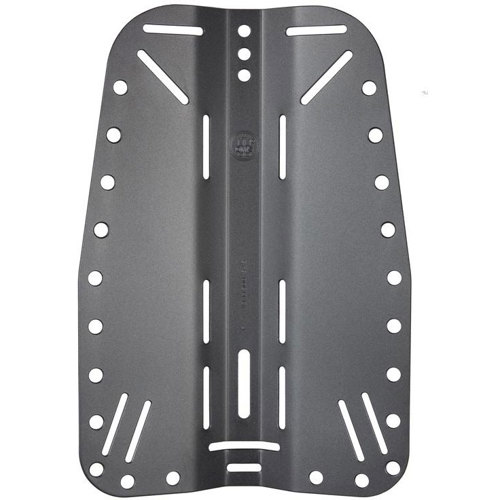
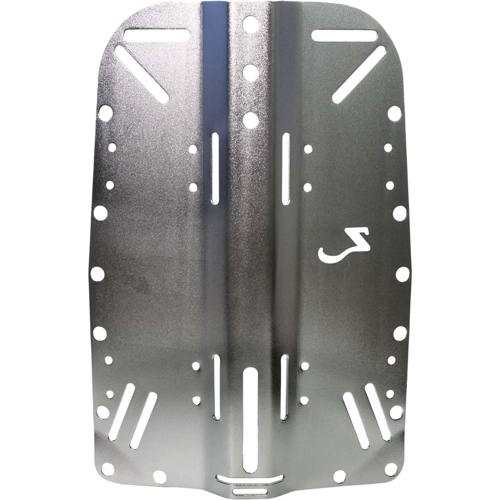
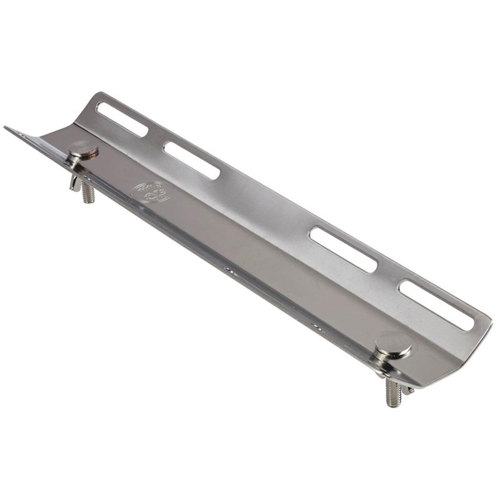
Diving backplates are an essential component in the modular world of buoyancy control systems, offering both seasoned technical divers and recreational adventurers a customizable and streamlined alternative to traditional jacket-style BCDs. At the core of any backplate diving setup is the rigid plate itself, typically crafted from stainless steel or aluminum, which serves as the mounting platform for your harness, buoyancy wing, and tank. The choice between an aluminum backplate scuba system and a heavier stainless steel plate often boils down to your diving environment and travel needs. Aluminum plates are prized for their lighter weight, making them ideal for travel or warm-water dives where every ounce of gear matters. In contrast, stainless steel plates add negative buoyancy, which can be especially beneficial when diving in thicker wetsuits or drysuits, helping offset the inherent positive buoyancy of exposure protection. Many divers find that a well-fitted scuba backplate, with its minimalist harness and wing, allows for superior horizontal trim and reduced drag, enhancing both comfort and control underwater. Whether threading a continuous webbing harness for a Hogarthian setup or opting for a deluxe harness with quick-release buckles and added padding, the flexibility of a modular system lets divers tailor their rig to match their diving style, body shape, and the demands of each dive.
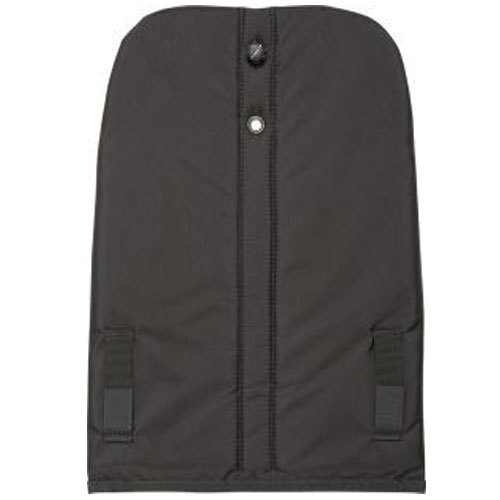
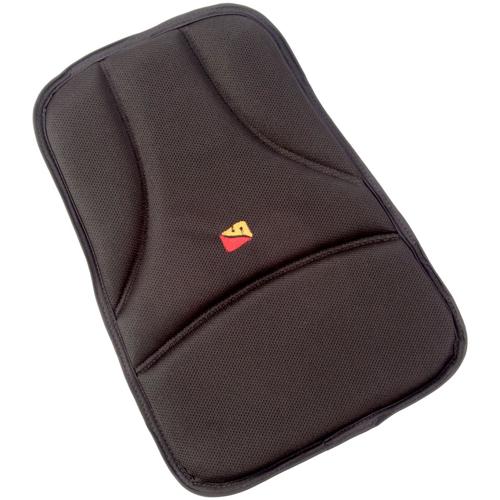
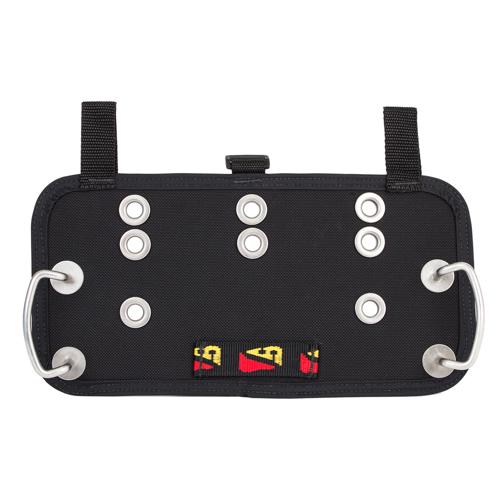
For those new to backplate diving, the initial setup can feel like a rite of passage—measuring webbing, threading harness slots, and fine-tuning the fit to achieve that perfect balance between snugness and freedom of movement. The best backplate is one that fits your body and diving objectives, whether that means choosing a contoured ergonomic shape, a skeletonized lightweight model, or a short plate designed for smaller torsos. Accessory mounting options abound, with most plates featuring multiple holes and slots for attaching everything from canister lights to weight pockets. Since dive backplates lack integrated weight systems, divers often add trim or ditchable weight pockets to their harness or tank bands, allowing for precise control over buoyancy and trim. For added comfort during longer dives or when wearing thinner exposure suits, many divers opt to install a back pad—explore our selection of
Diving Back Plate Pads to find the right option for your setup. As the weather warms and dive sites become more accessible, backplate systems are a popular upgrade for divers seeking a more streamlined kit for summer adventures, travel, or local shore dives.
Diving backplates also make thoughtful gifts for the experienced diver in your life, especially as the season shifts and new dive trips are planned. They are particularly appreciated by those who have outgrown entry-level gear and are looking to personalize their setup for wreck, cave, or deep diving. The modular nature of a backplate system means it can grow with the diver, accommodating everything from single tank recreational dives to technical twinset explorations. When selecting a dive backplate, consider the diver’s typical environment, travel frequency, and personal comfort preferences. Stainless steel plates are often favored for their durability and ability to help with ballast, while aluminum backplate scuba systems are a favorite among those who prioritize lightweight travel gear. No matter the choice, the transition to a backplate and wing system is often described as transformative, offering improved streamlining, stability, and a sense of connection to the water that’s hard to match. With a little bit of setup and personalization, a diving backplate becomes more than just equipment—it’s the backbone of a diver’s underwater adventures, season after season.