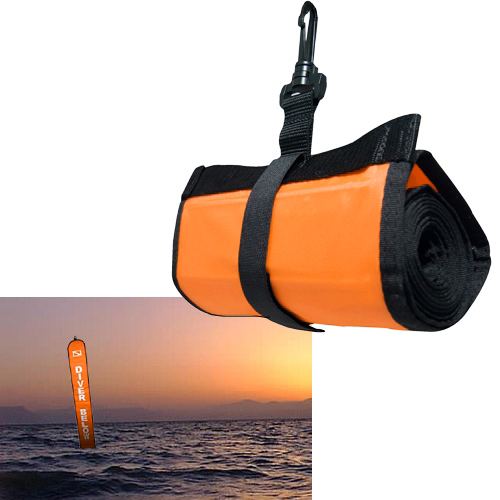
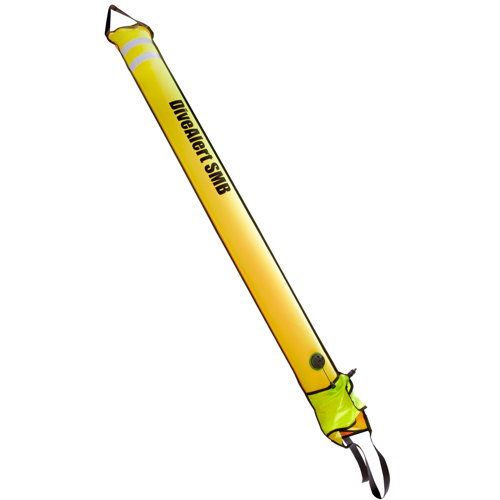
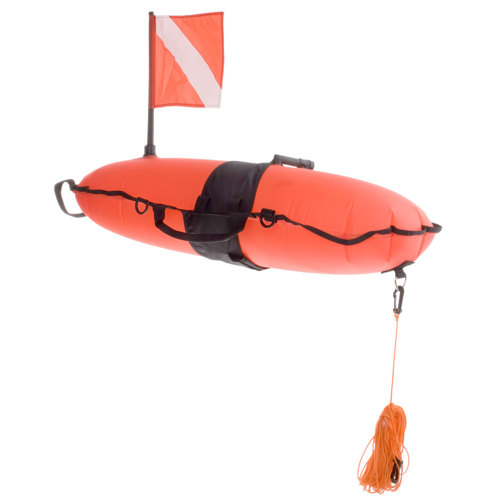
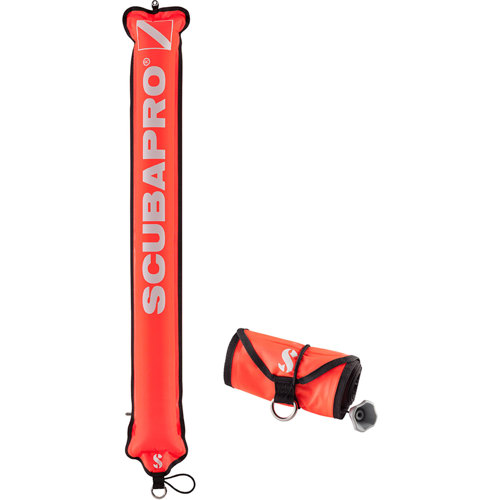
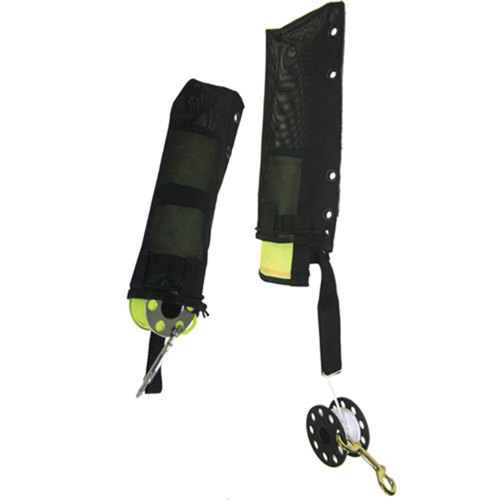
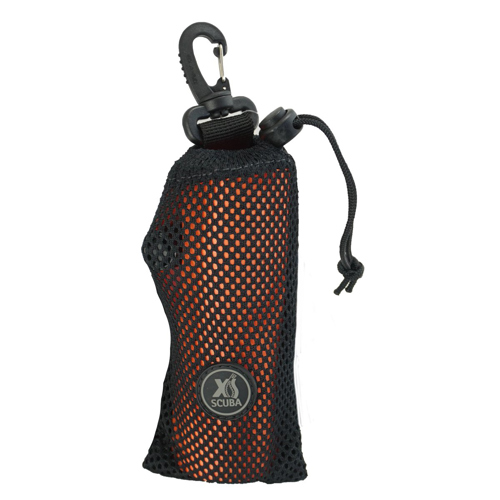
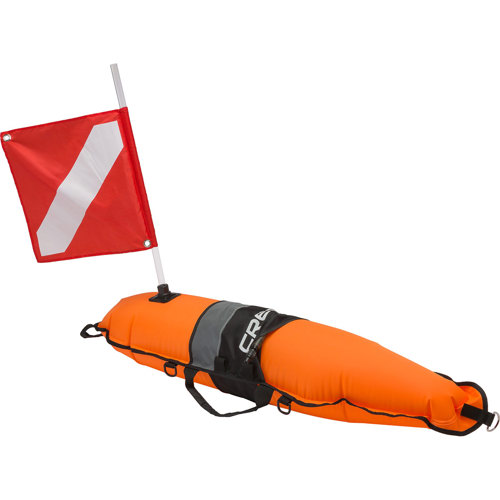
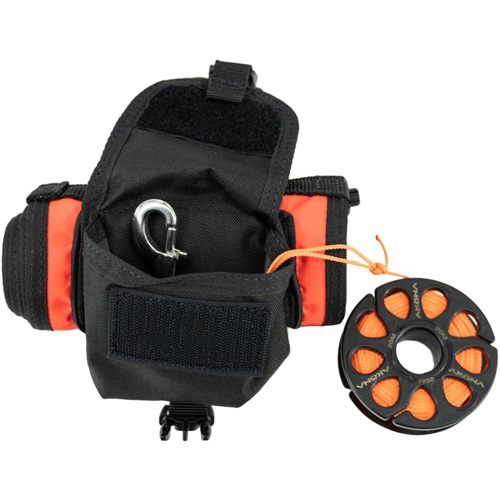
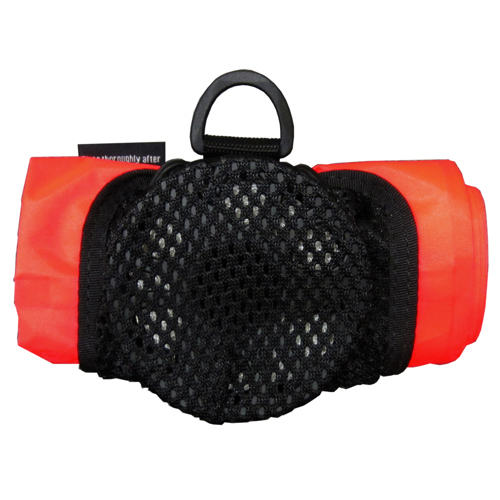
A diver safety tube is one of the most essential pieces of equipment for anyone spending time beneath the waves, whether you’re a seasoned technical diver, a recreational enthusiast, or someone embarking on their very first open water adventure. As the days grow longer and the water warms, more divers take to the sea, making high-visibility surface signaling devices like safety tubes even more vital. These tubes—sometimes referred to as a diving tube, scuba tube, or dive tube—are designed to make divers visible to boats, shore teams, and fellow divers, especially in conditions where currents, swells, or distance can quickly separate a group. The vivid colors and reflective elements on most safety tubes are not just for show; they’re carefully chosen to cut through fog, dusk, or choppy surf, dramatically increasing a diver’s chances of being spotted when surfacing far from a boat or entry point. It’s not uncommon to hear stories from divers who, after a lengthy drift dive, surfaced to find themselves a surprising distance from their intended exit, grateful for the unmistakable flash of their safety tube catching the attention of a lookout or captain.
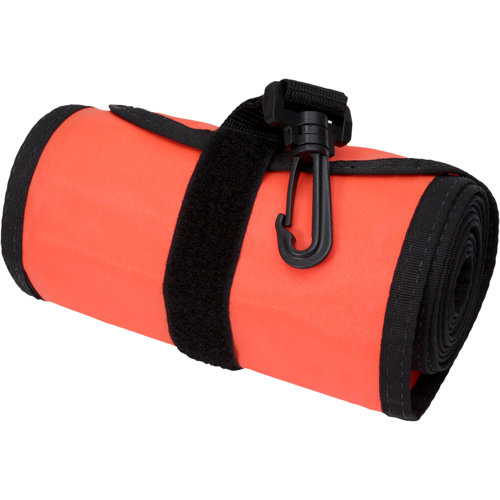
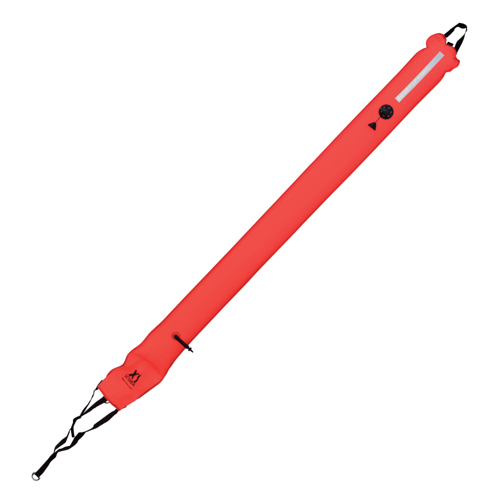
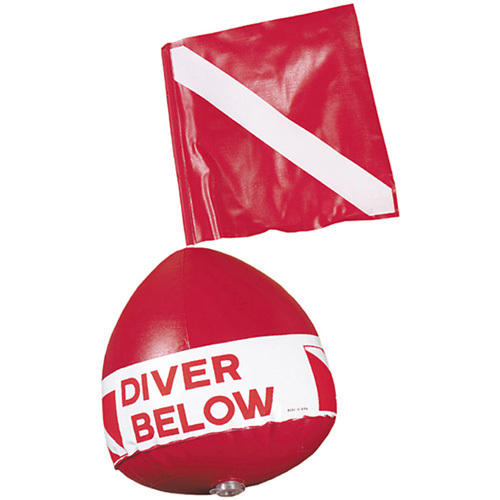
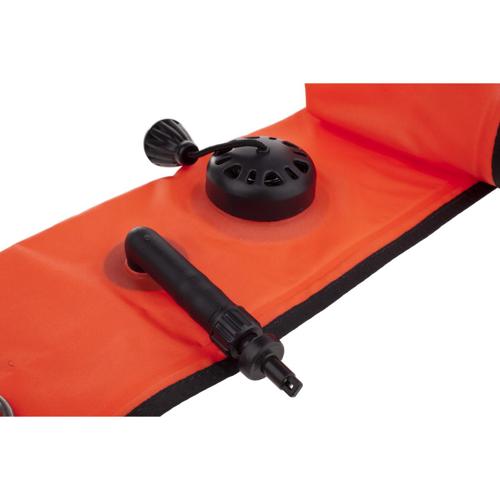
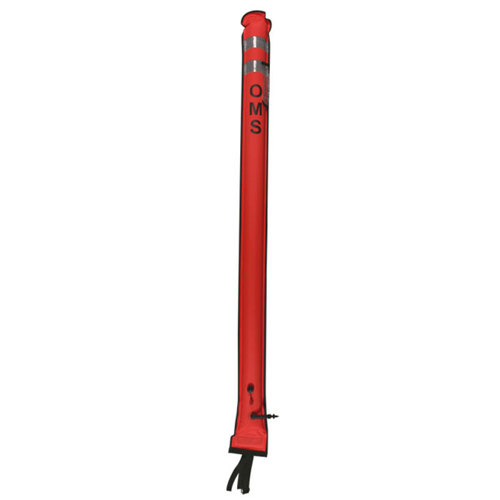
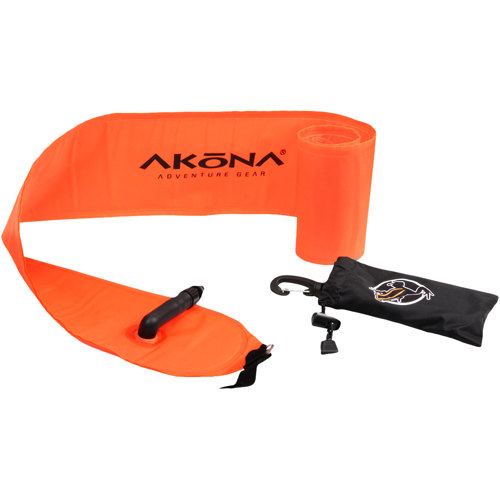
When considering which tube diving safety device to add to your gear, there are a few key factors to keep in mind. The most common types are Surface Marker Buoys (SMBs) and safety sausages, each serving slightly different roles but sharing the same core purpose: visibility and signaling. For open water diving, a 6-foot (about 1.8 meters) tube is often recommended, as its height ensures it stands out even in rough seas or from a distance. Compactness is another important consideration; many safety tubes roll up neatly into a pouch small enough to fit in a BCD pocket or clip to a harness, making them easy to carry on every dive without adding bulk. Some models feature stainless steel grommets for attaching accessories like lights or strobes, which can be invaluable during night dives or in low-light conditions. Inflation methods can vary, with oral inflation tubes being standard, while some advanced models allow for direct connection to a low-pressure inflator hose. Whichever you choose, it’s crucial to practice deploying your dive tube in calm conditions before relying on it in an emergency, and always avoid holding onto the tube while inflating it underwater below 5 meters to prevent rapid ascent. For those who enjoy gifting practical gear, a safety tube makes a thoughtful present for divers of all experience levels, especially ahead of travel, dive trips, or as part of a safety-focused dive kit.
Beyond personal use, safety tubes are often required equipment for dive training courses, group excursions, and liveaboard trips, reflecting their importance in modern dive safety protocols. Instructors, divemasters, and guides frequently carry multiple tubes—not just for themselves but as spares for students or guests—reinforcing the idea that preparedness is the hallmark of a responsible diver. Pairing a safety tube with other signaling devices, such as a whistle, mirror, or even an audible device like those found on our
Diving Safety Horns page, can further enhance your ability to attract attention in a variety of scenarios. Whether you’re planning a summer of shore diving, boat trips, or exploring new dive sites abroad, investing in a reliable, brightly colored safety tube is a simple step that can make a world of difference. The peace of mind that comes from knowing you can signal for help or simply make your presence known—no matter the conditions—lets you focus on the beauty and excitement of the underwater world.