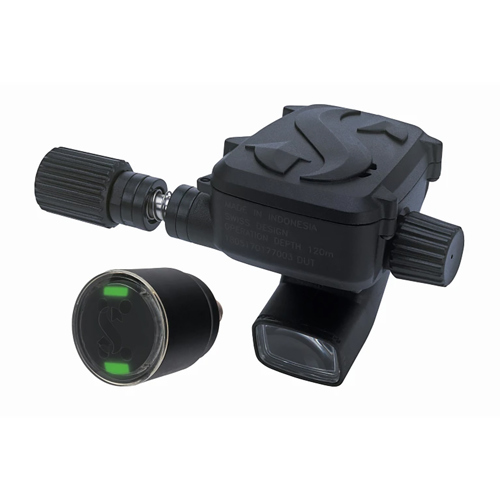
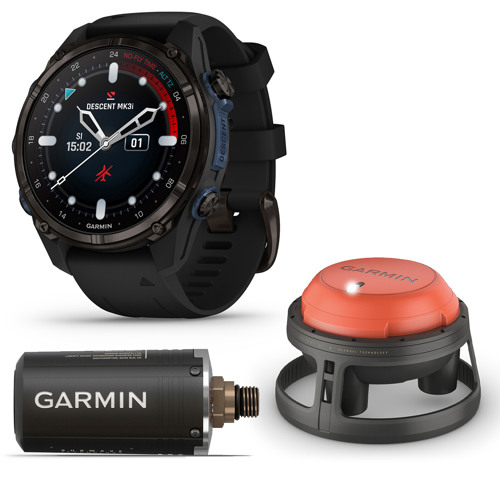
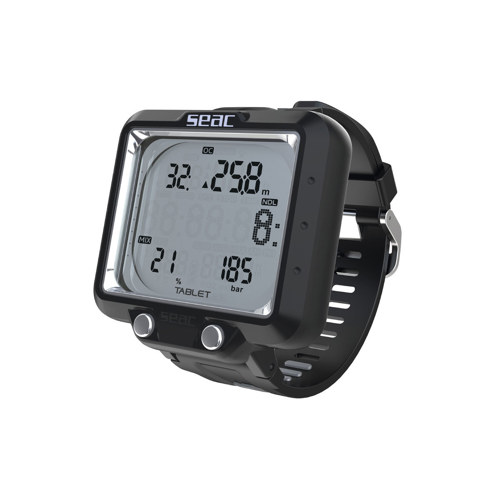
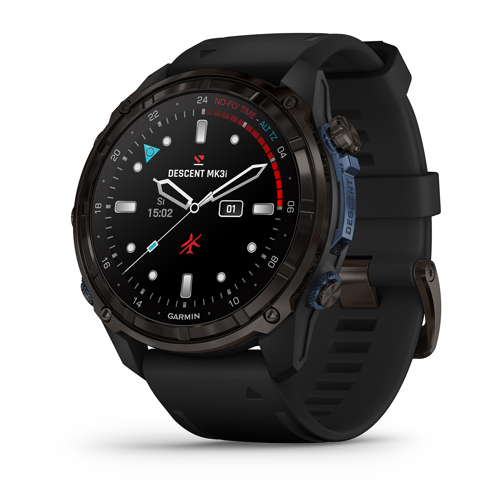
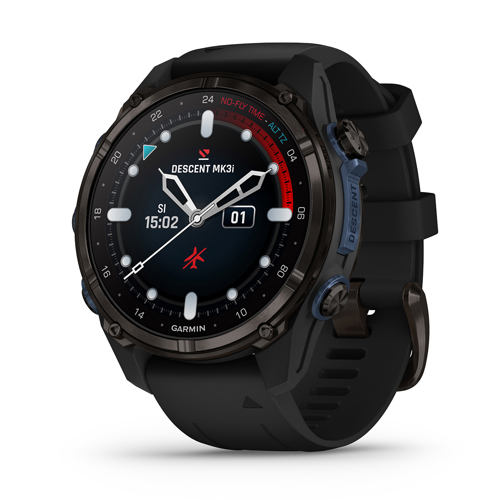
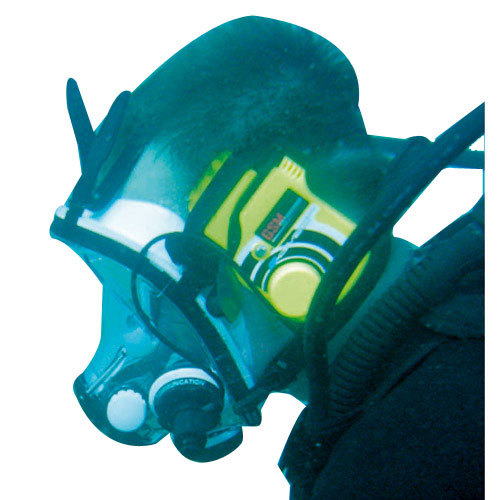
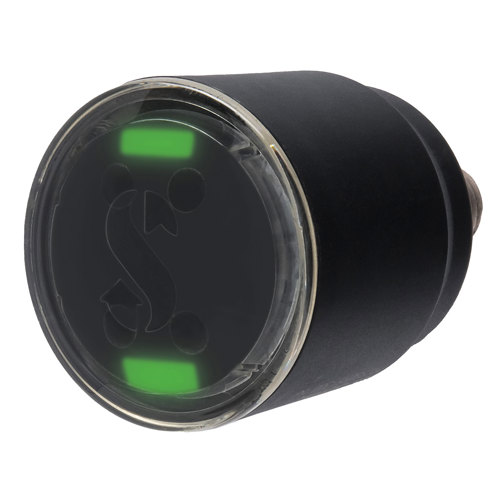
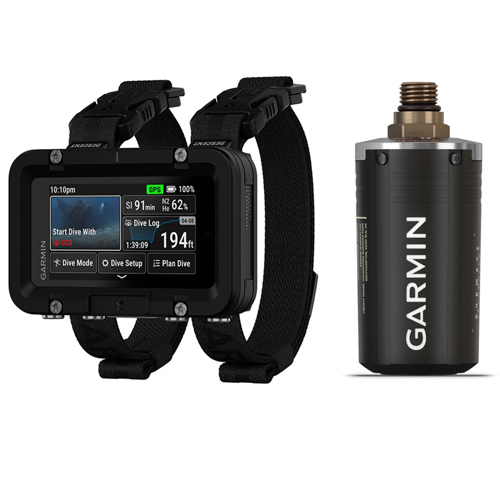
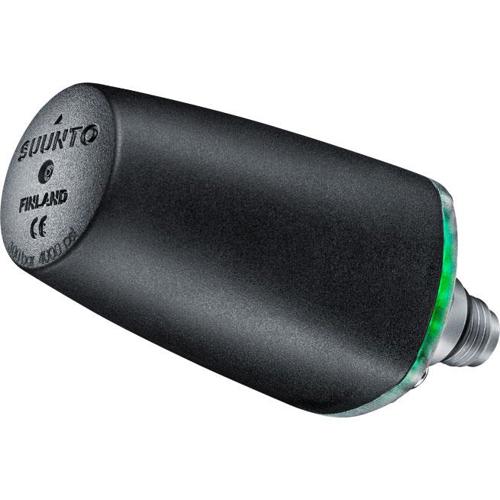
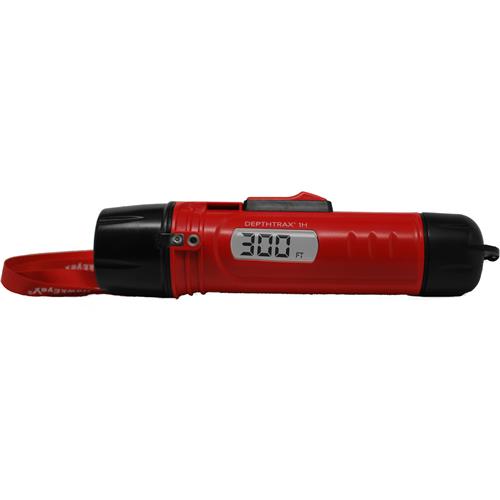
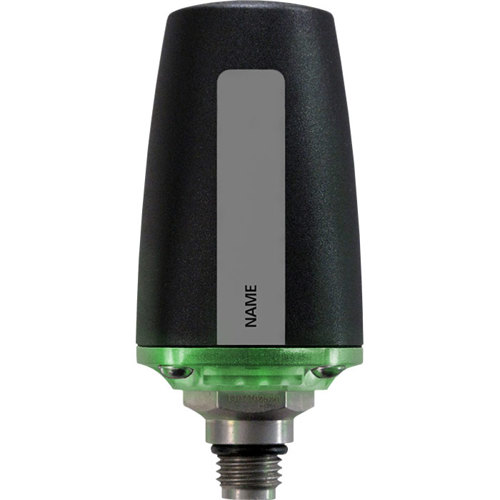
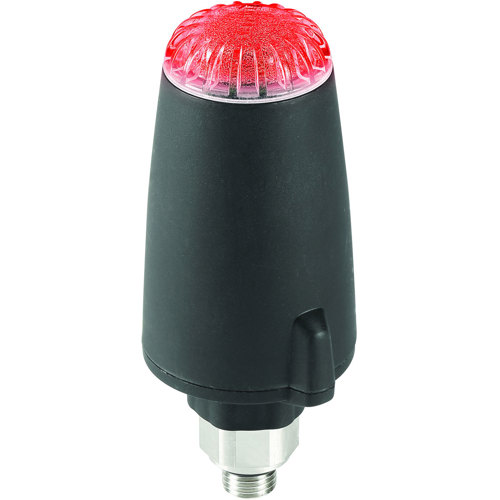
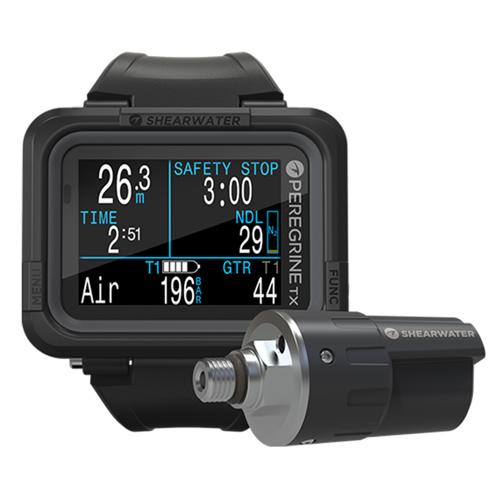
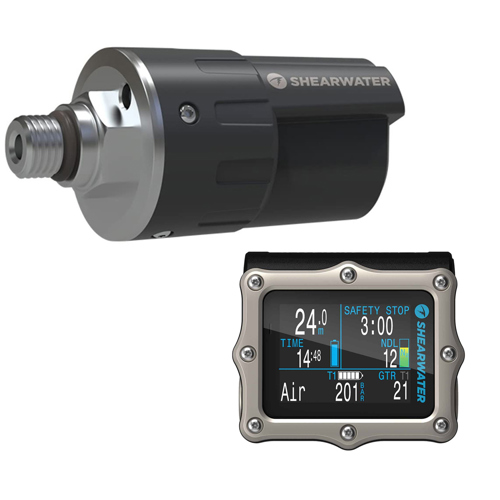
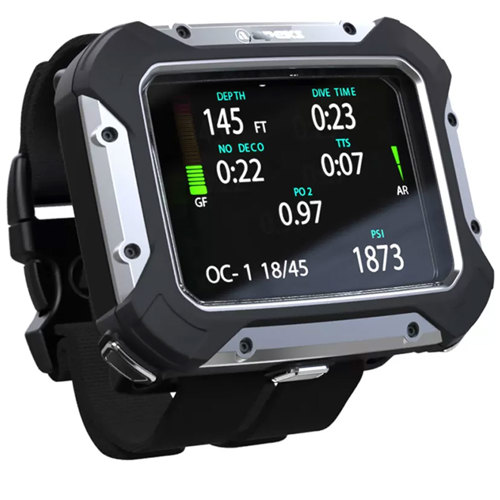
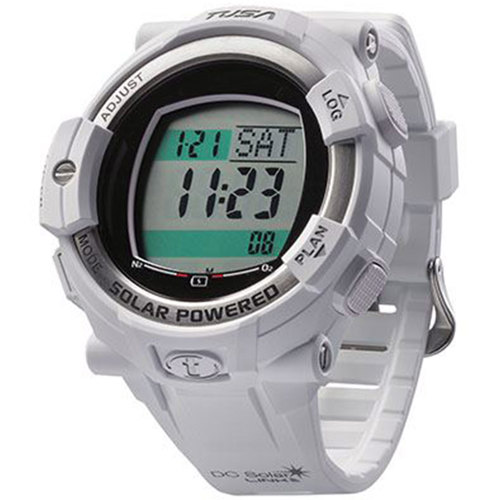
In the world of underwater exploration, dive sonar transceivers have become essential tools for both recreational and professional divers seeking to enhance safety, coordination, and situational awareness beneath the surface. These sophisticated devices use acoustic signals to transmit and receive critical data such as tank pressure, depth, and diver location, enabling real-time monitoring and communication between dive buddies and surface support teams. For those venturing into colder January waters, when visibility can be reduced and conditions unpredictable, a reliable sonar transceiver offers peace of mind, transforming the dive experience from a solitary endeavor into a connected adventure. Whether you’re navigating a kelp forest, exploring a wreck, or conducting a technical dive, the ability to send preset messages or surface alerts through a dive radio or sonar mask can be the difference between a routine dive and a potentially hazardous situation. Many divers recall the relief of receiving a reassuring status update from a buddy several meters away, or the efficiency of coordinating ascent and decompression stops without the need for cumbersome hand signals or dive slates. These moments underscore the value of robust underwater communication, especially in environments where visibility and physical proximity are compromised.
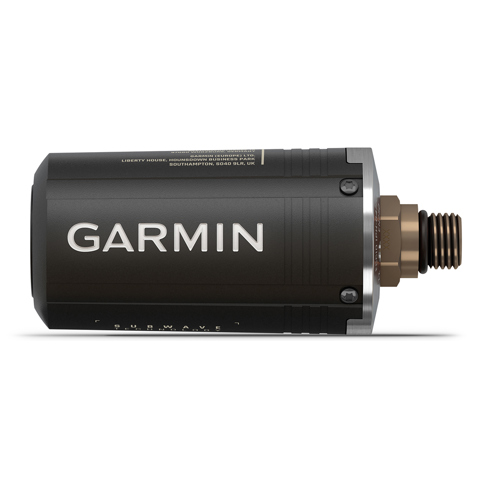
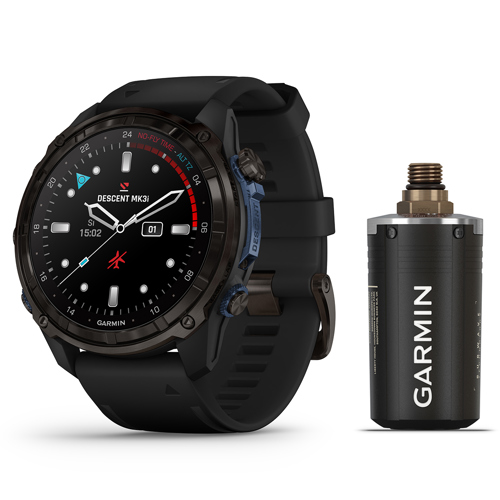
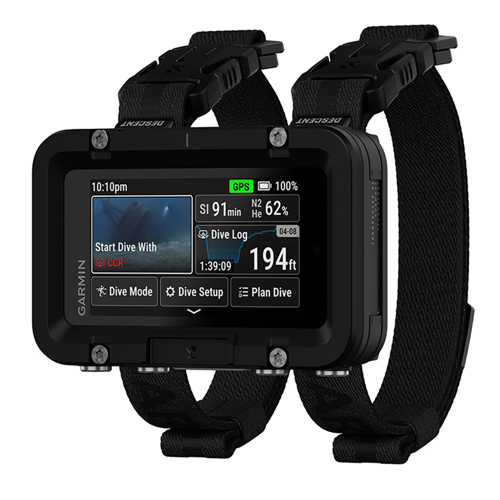
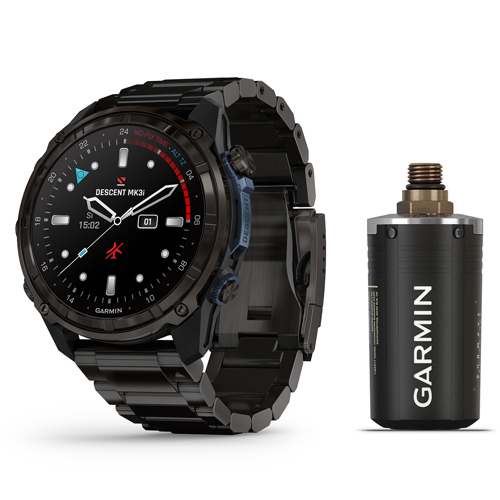
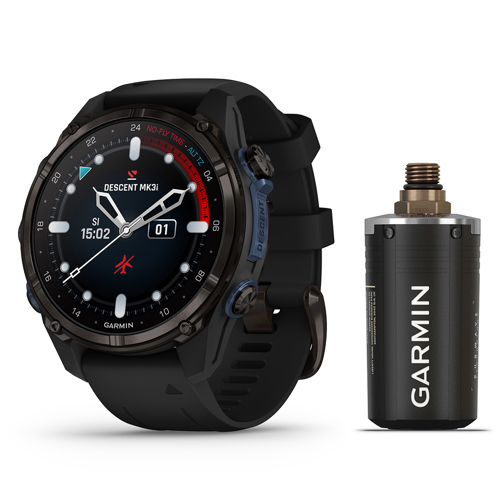
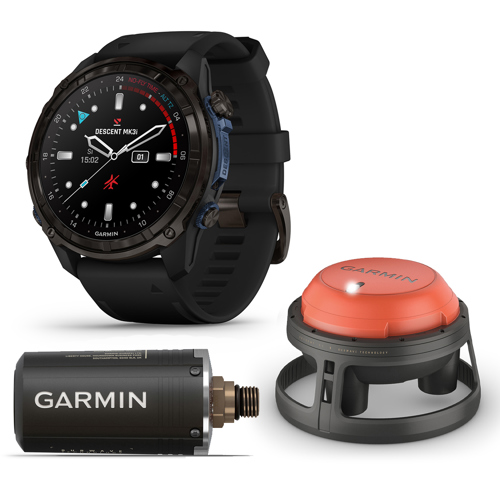
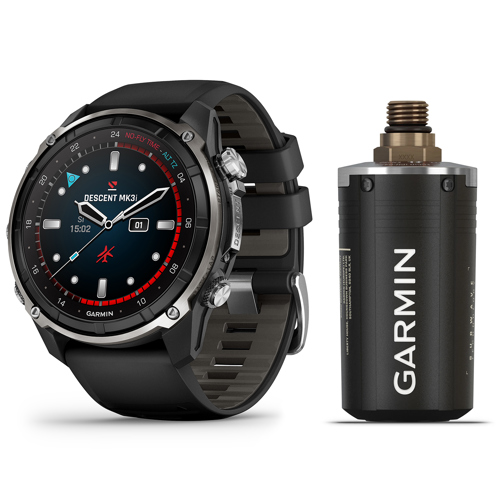
Selecting the right dive sonar transceiver involves careful consideration of your diving style, the environments you frequent, and the level of integration you desire with your existing gear. For recreational divers, compact systems with air integration capabilities allow seamless monitoring of tank pressure and gas consumption, displaying vital information directly on a compatible dive computer or sonar mask. This integration not only streamlines your dive profile but also enhances safety by making it easier to track your air supply and share that data with your buddy. Technical and commercial divers, on the other hand, may require more advanced features such as precise range and bearing indicators, robust construction for demanding conditions, and the ability to network multiple users for complex underwater operations. Handheld divable sonar units are particularly popular among instructors and group leaders, providing a portable solution for locating divers or mapping unfamiliar terrain. Additionally, for those who enjoy tinkering or customizing their equipment, DIY sonar transmitters offer an entry point into underwater electronics, allowing hobbyists to build bespoke systems tailored to their exploration needs. Dive sonar transceivers also make thoughtful gifts for avid divers, instructors, or anyone passionate about underwater safety and technology, especially during the winter months when new gear can inspire dreams of upcoming dive trips and adventures.
As you browse our curated selection of dive sonar transceivers, consider how these tools can complement other essential communication devices in your kit. Pairing a sonar transceiver with a reliable
Dive Communication Lights setup, for example, ensures that you’re prepared for any scenario, whether you’re signaling in low-visibility conditions or coordinating with a surface team during a night dive. For group dives, integrating sonar transmitters with traditional dive slates creates a multi-layered approach to underwater messaging, allowing both digital and written communication when needed. The versatility of modern transceivers means they’re suitable for a wide range of users, from casual snorkelers eager to stay in touch with friends to professional teams conducting search and recovery operations. As technology continues to evolve, the boundaries of underwater communication are expanding, offering divers more ways than ever to stay safe, informed, and connected beneath the waves. Investing in a quality dive sonar transceiver is more than a nod to innovation—it’s a commitment to responsible diving and shared adventure, no matter the season or destination.