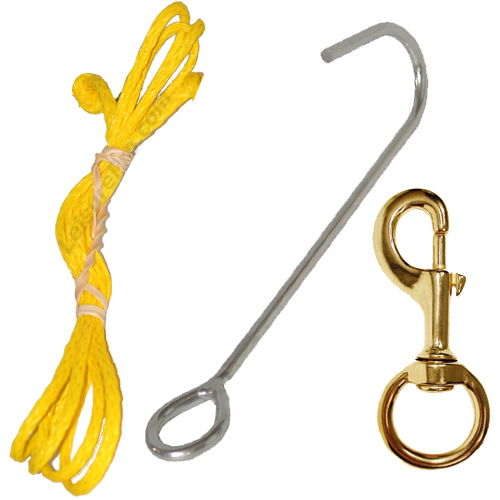
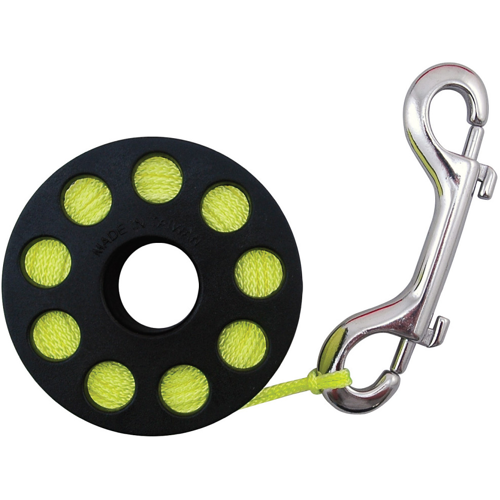
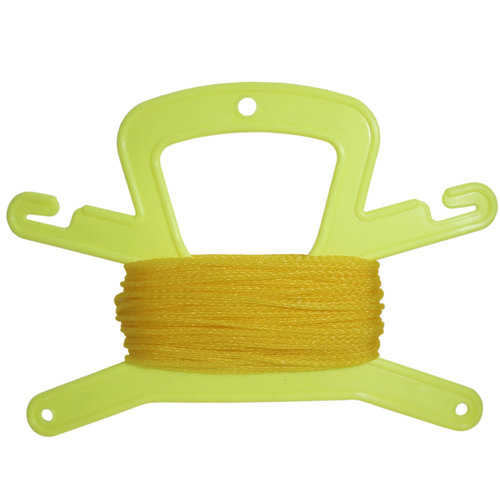
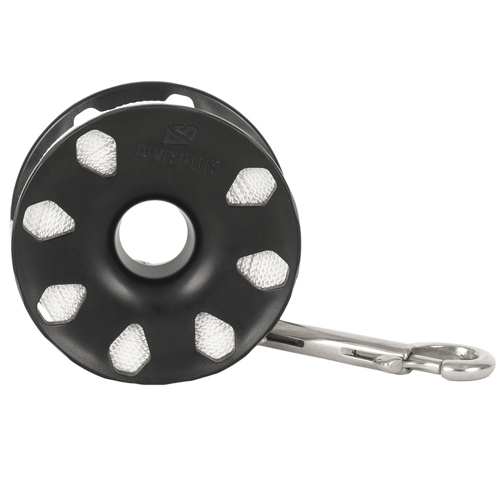
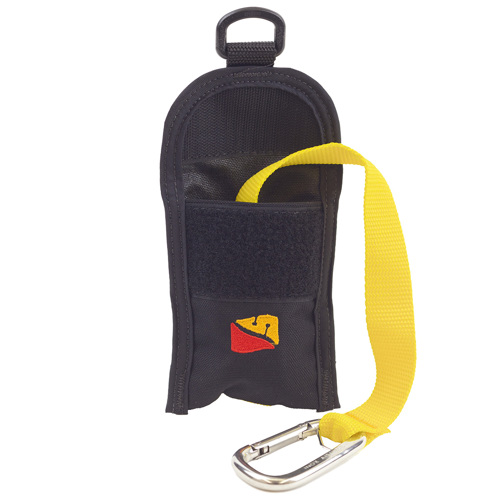
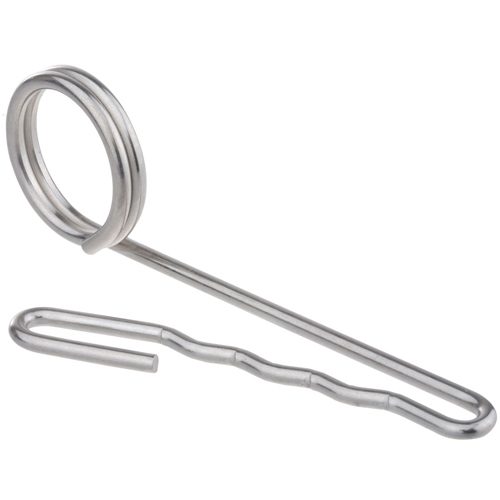
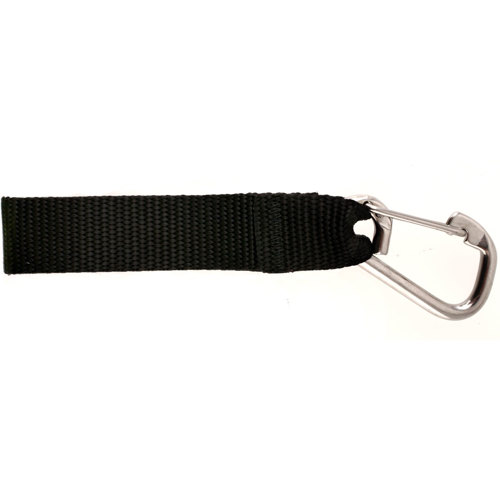
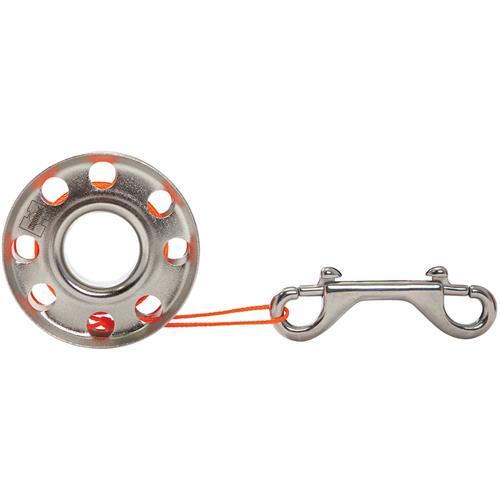
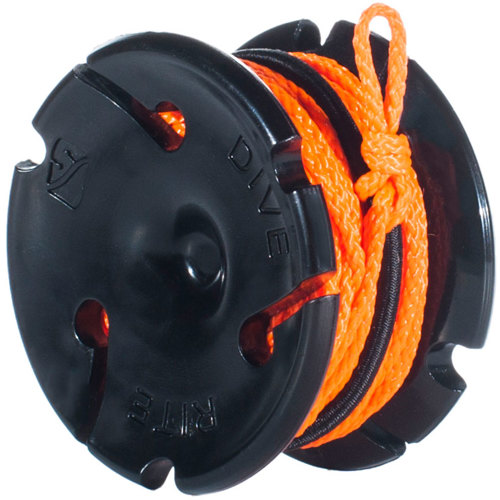
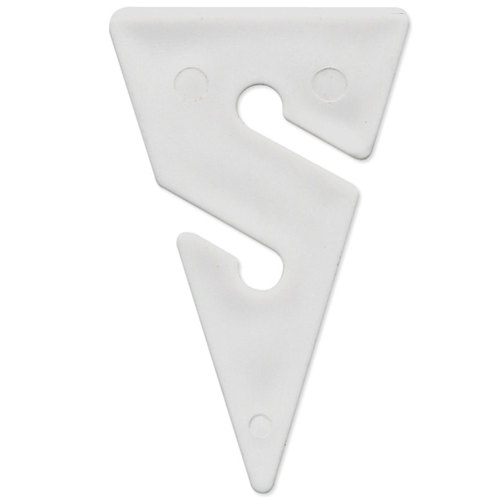
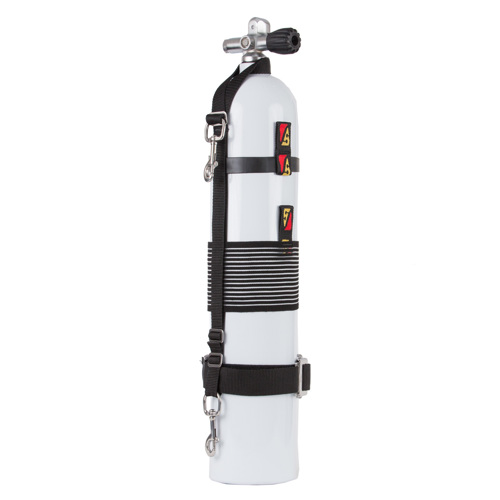
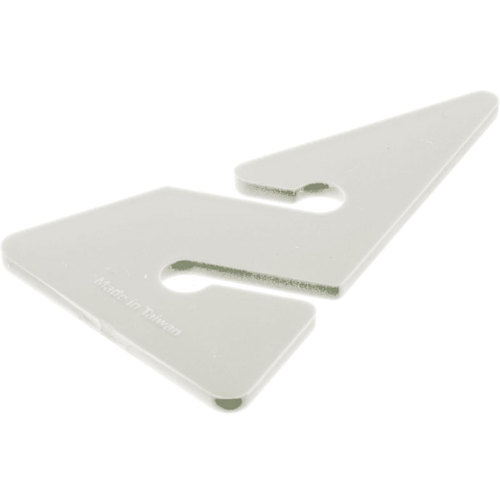
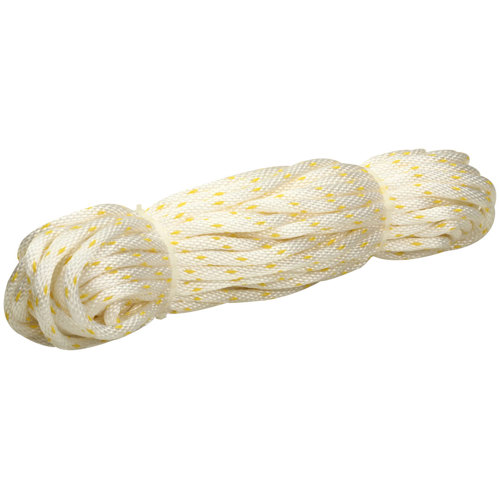
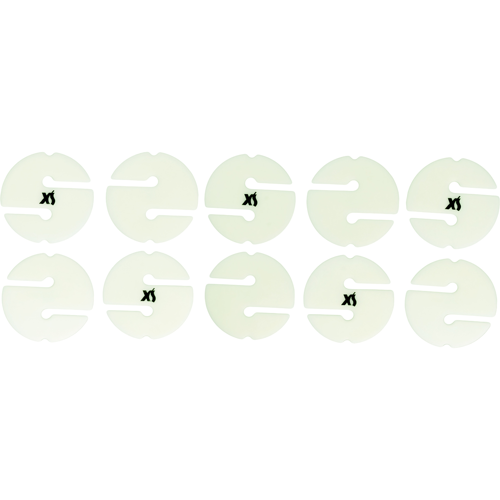
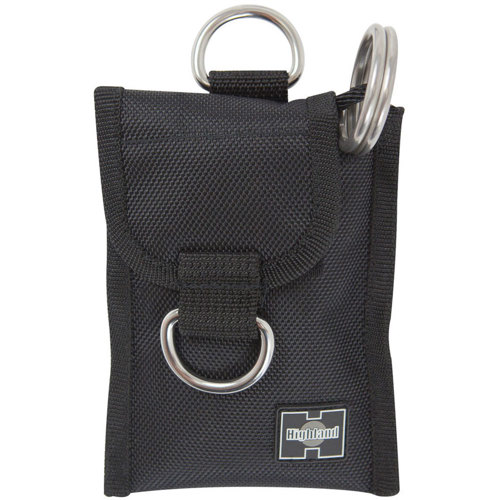
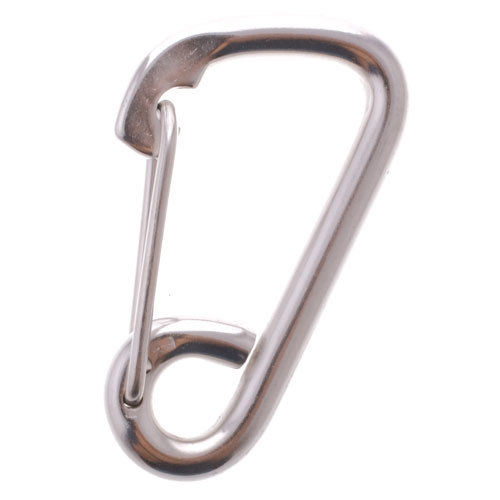
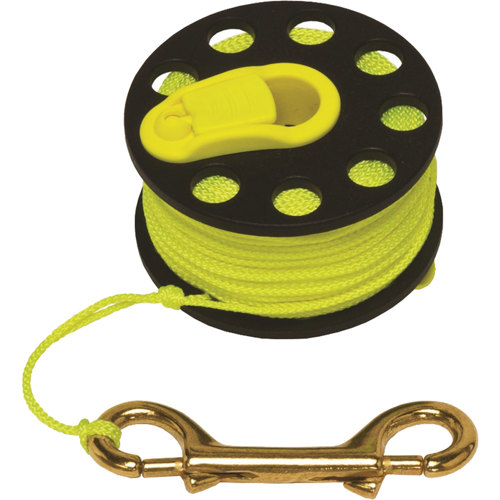
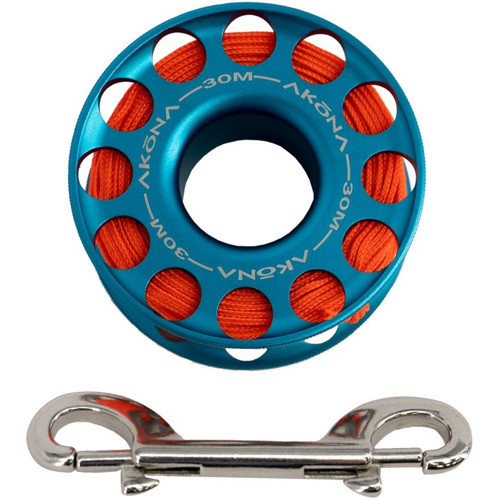
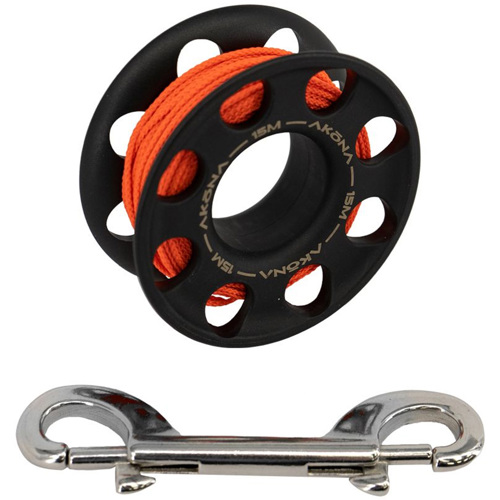
Whether you’re gearing up for your first guided cavern tour or planning advanced expeditions into intricate cave systems, dive line tie offs are indispensable tools that help ensure every journey beneath the surface is as safe as it is thrilling. As the weather warms and dive conditions become more inviting, underwater explorers of all levels will find themselves reaching for reels, spools, and the sturdy hardware needed to secure their guidelines. Tie offs serve as critical waypoints, anchoring the start and end of a line and providing reliable direction changes in environments where visibility can vanish in an instant. For divers navigating overhead environments—such as caves, caverns, or wrecks—these tie offs are not just about convenience; they are essential for orientation and emergency egress, providing a tactile lifeline to the outside world. The process of making a secure tie off often involves multiple wraps and a locking maneuver, using natural features like rocks or structural elements to create a steadfast anchor. Whether executing a primary tie off at the entrance with three to five wraps or a secondary tie off just inside the threshold, attention to detail is paramount. Even recreational divers who don’t venture into advanced environments can benefit from understanding and practicing these techniques, as they lay the foundation for safe line management during search and recovery, navigation drills, or night dives.
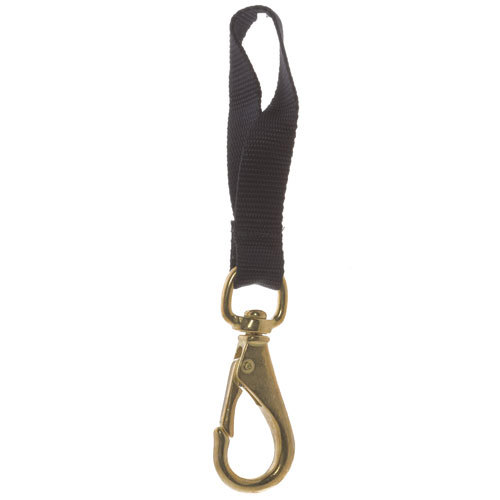
Selecting the right tie off gear is a matter of both personal preference and the specific demands of your dive site. Instructors, technical divers, and explorers often favor robust, corrosion-resistant clips, double-enders, and line markers that can be operated easily even with thick gloves. For those who travel or dive in varied locations, compact and lightweight options are ideal, offering versatility without sacrificing strength. The tactile satisfaction of feeling a perfectly locked line—secure and tensioned against a boulder or beam—can be as reassuring as the sight of an exit sign on a long, winding passage. These products also make thoughtful gifts for the diver in your life, especially as summer adventures beckon and new certifications are earned. Gifting a set of tie off tools is a way to show you understand the importance of preparation and safety, whether the recipient is a seasoned cave diver, a budding wreck enthusiast, or someone practicing their first land drills in the backyard. Many divers recall the first time they practiced a tie off in low visibility, the way muscle memory and clear line management turned a potentially disorienting situation into a moment of calm control. These skills, honed with the right equipment, are what transform a challenging dive into a rewarding experience.
For those looking to build a comprehensive kit, it’s worth considering how tie offs integrate with other essential hardware. A well-organized setup makes for smoother dives and faster responses when conditions change unexpectedly. Exploring the full range of options, from quick-release clips to specialty knots, helps divers develop a system that matches their training and comfort level. If you’re interested in expanding your toolkit or learning more about the various ways to secure lines, check out our dedicated guide to
Dive Attachment Points for a closer look at the hardware and techniques that keep divers safe and oriented below the surface. As you plan your underwater adventures this season, taking the time to select and practice with reliable tie off solutions is an investment in both your safety and your enjoyment of the sport. Whether threading a line through the cool, shadowy corridors of a wreck or anchoring a guideline at a sun-dappled cavern entrance, the right tie off gear is your silent partner—steady, secure, and always ready for the next dive.