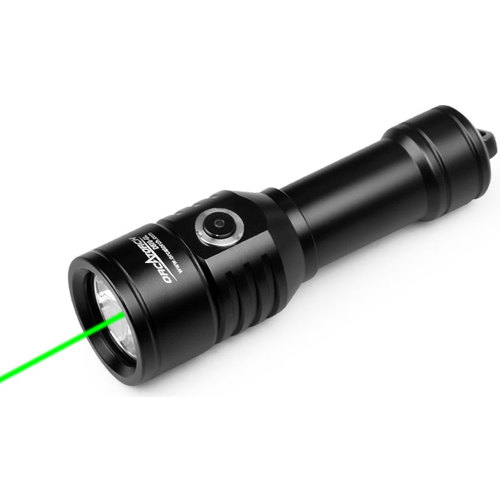
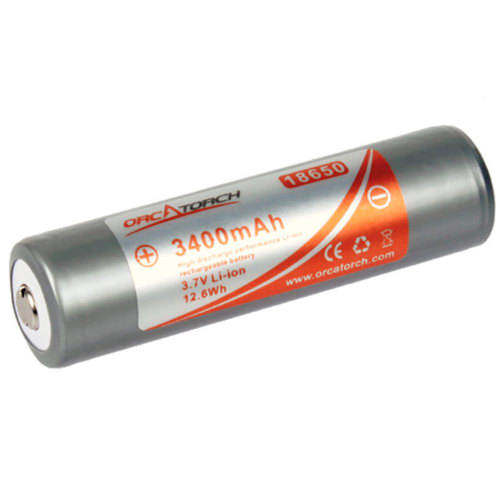
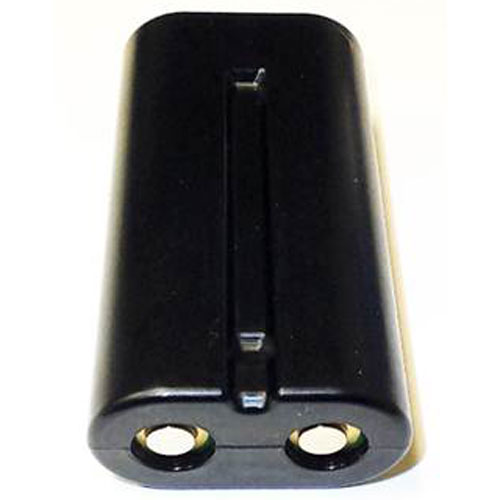
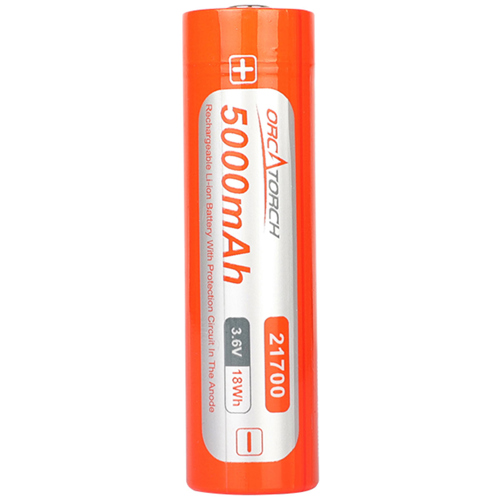
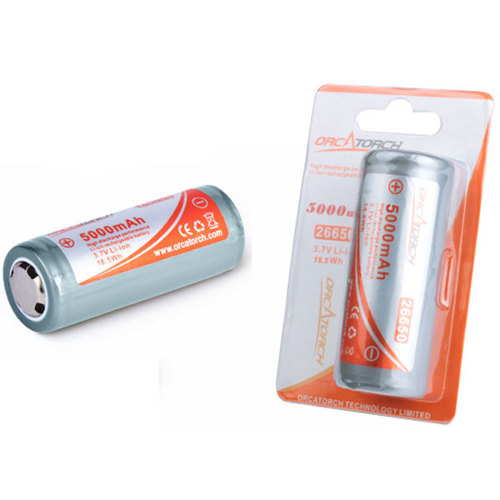
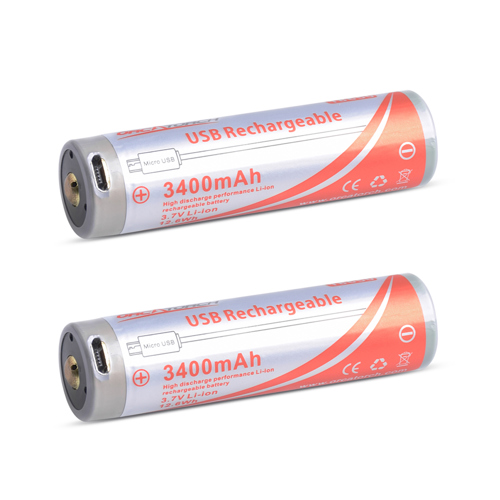
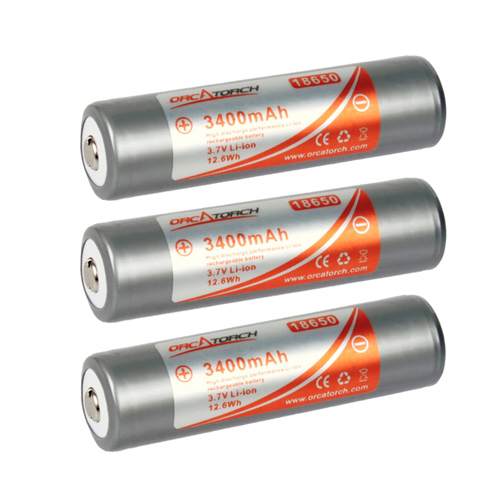
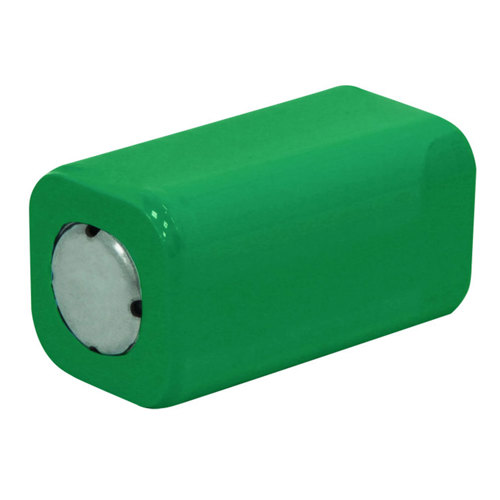
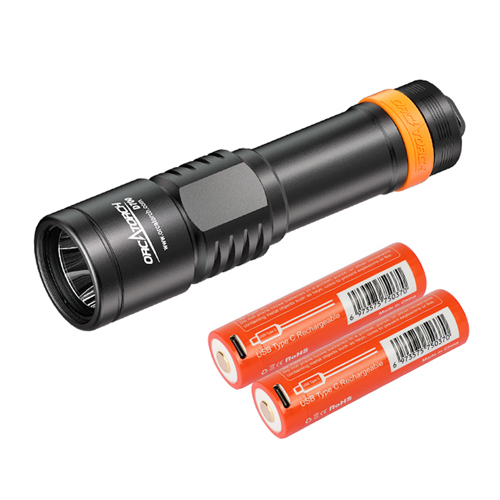
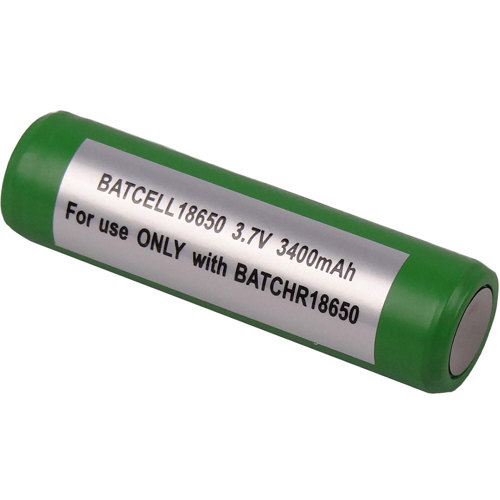
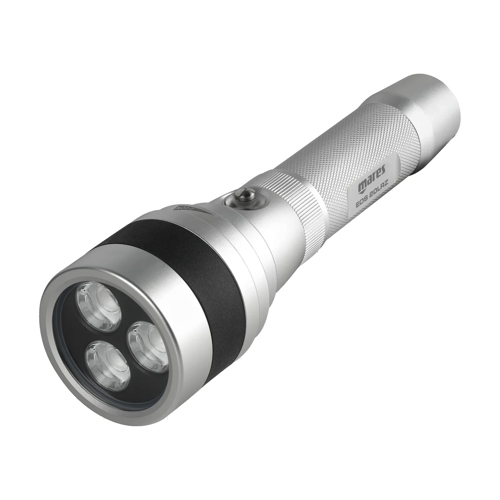
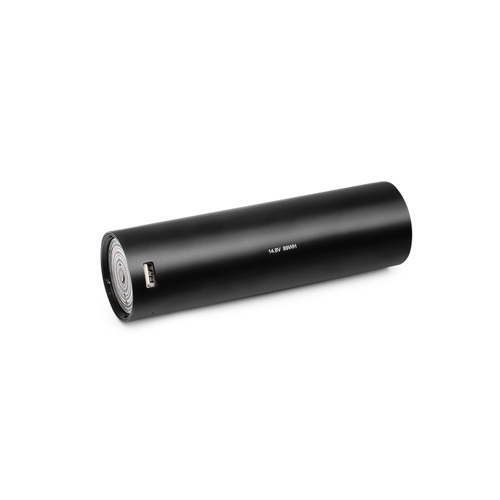
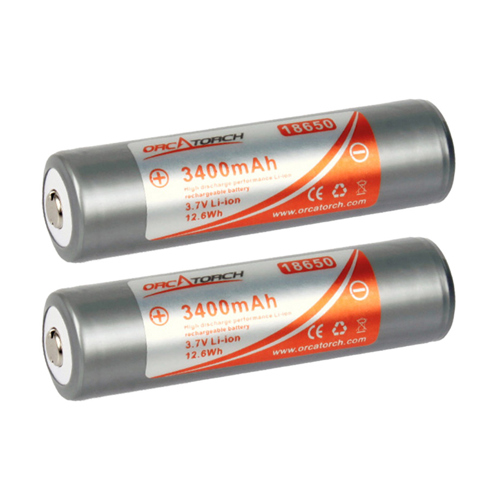
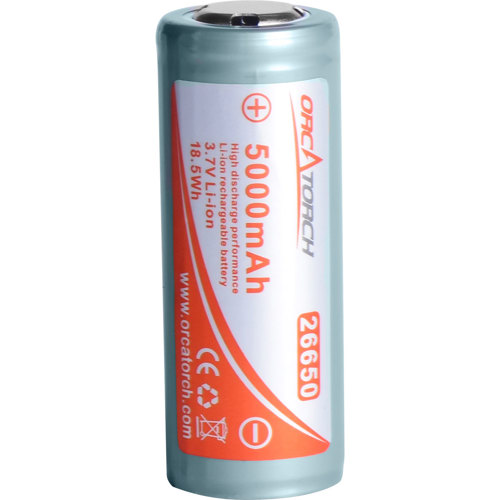
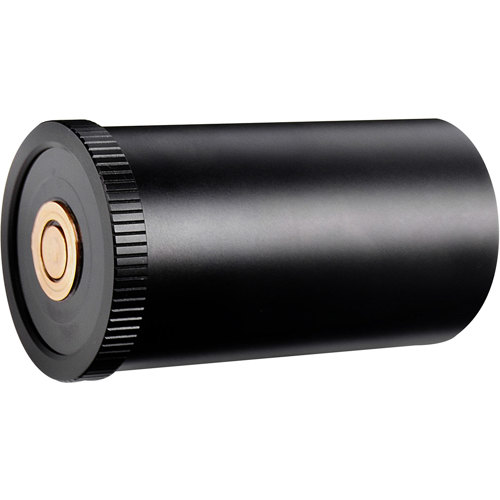
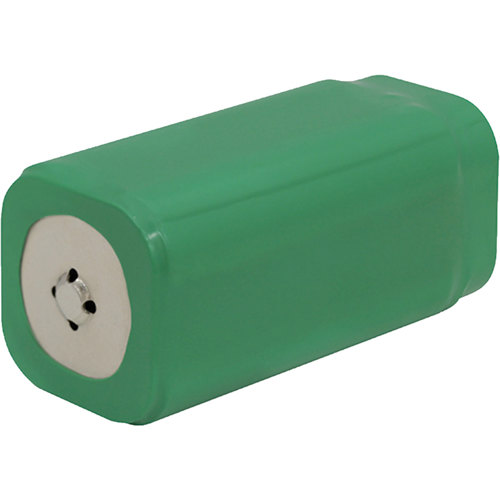
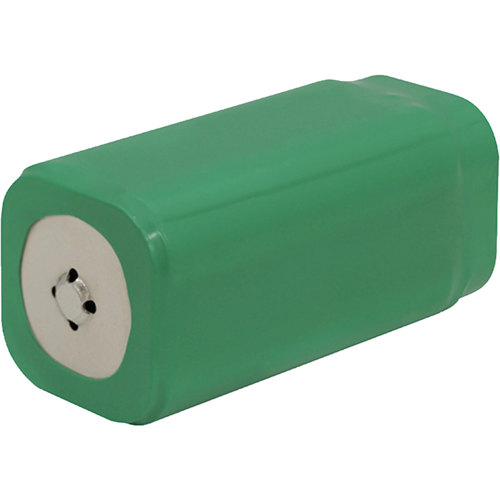
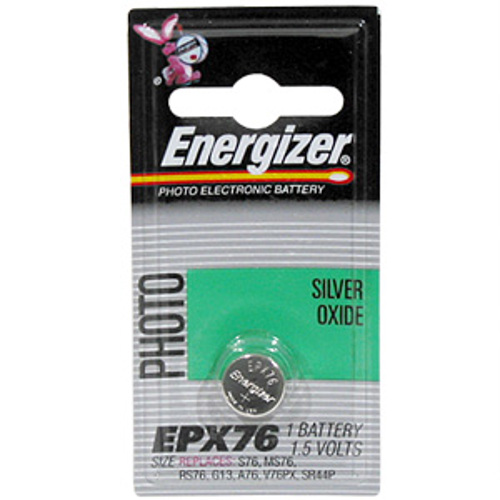
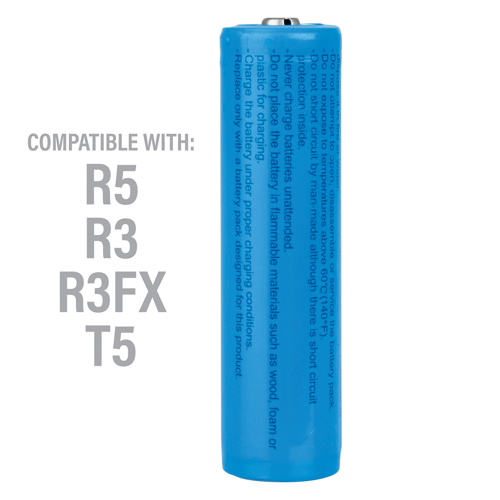
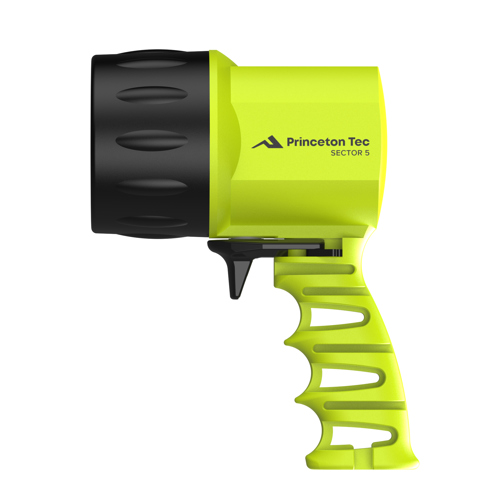
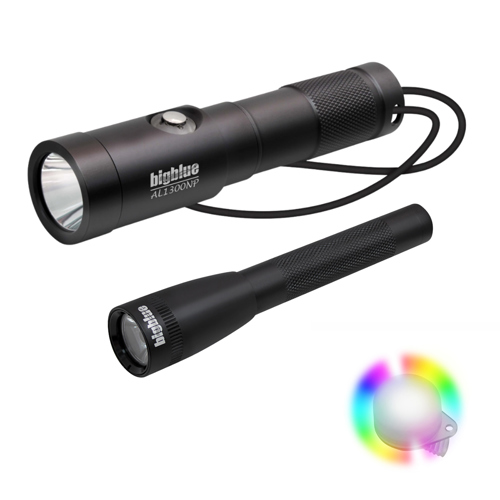
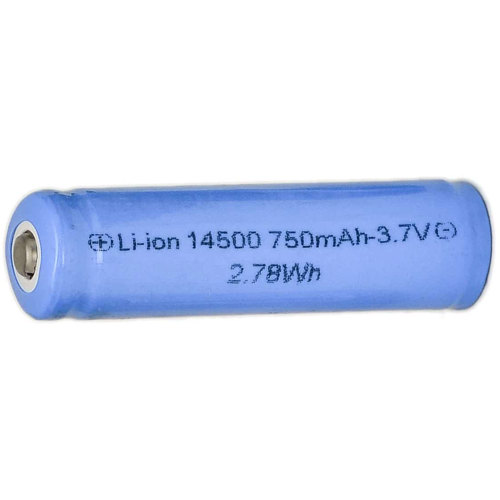
Selecting the right dive light cells is an essential part of planning any underwater adventure, especially as the days grow longer and divers take advantage of the warmer weather and increased daylight hours. Whether you’re gearing up for a twilight reef exploration, a night wreck dive, or simply want added security for daytime excursions into caverns or shadowy swim-throughs, the battery cells powering your dive lights can make all the difference. Modern dive lights typically rely on high-capacity lithium-ion cells such as 18650, 21700, or the larger 32650 formats, each offering distinct advantages depending on your needs. The 18650 cell has long been the standard for mid-range lights, striking a balance between compact size and ample power. For those seeking longer burn times or higher lumen outputs, especially for primary lighting, the 21700 and 32650 cells provide increased capacity and consistent, high-power performance—ideal for technical divers or instructors who spend extended periods below the surface. Meanwhile, compact alkaline batteries like AAA or C cells are still found in some backup and specialty lights, valued for their reliability and ease of replacement, particularly in remote locations where charging options may be limited.
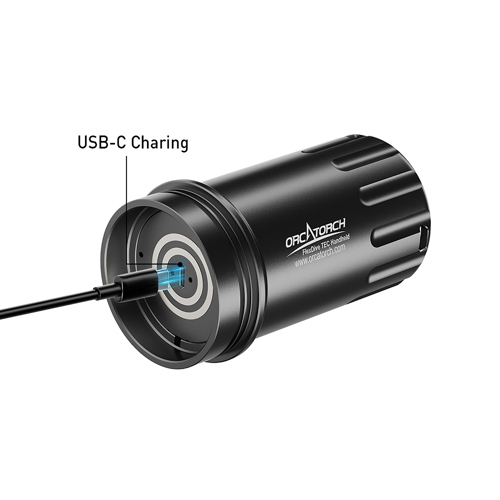
Rechargeability is a key consideration for many divers, not only for convenience but also for sustainability. USB-C and external charger compatibility have become increasingly popular, allowing for quick top-ups between dives and reducing the need for disposable batteries. This is especially practical during dive trips or liveaboard excursions, where access to power may be intermittent and the ability to recharge on the go is invaluable. Burn time is another critical factor—high-output lights may last just an hour or two on their brightest setting, while lower settings can extend battery life to ten hours or more. Divers often tailor their light settings to match the dive plan, balancing brightness with conservation of power. Safety is paramount when it comes to dive light cells; dual O-ring seals and robust waterproofing (often rated at IPX8) are standard features to protect batteries from moisture and pressure at depth. It’s wise to inspect seals regularly and carry spares, as even a small leak can compromise both the battery and the light itself. Dive light cells also make thoughtful gifts for both new and experienced divers, particularly as part of a broader kit including chargers, spare O-rings, and waterproof cases—perfect for birthdays, graduations, or as a practical gesture ahead of a dive holiday.
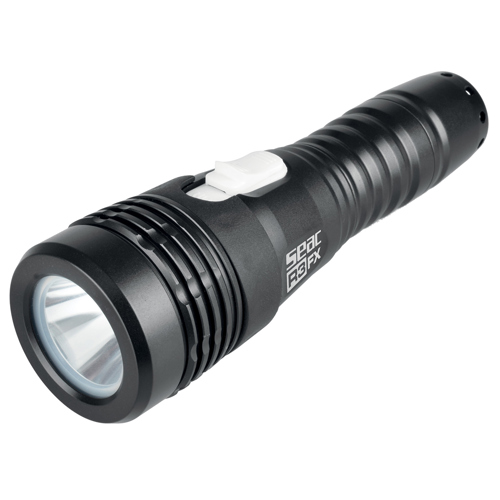
For those building a comprehensive lighting setup, it’s common to pair a high-powered primary dive light with one or more backup lights, each requiring its own reliable cell. Having a dedicated backup ensures safety in case of unexpected primary light failure and is often required for advanced or technical dives. If you’re considering expanding your lighting options, explore our curated list of
Secondary Dive Lights to find dependable options that complement your primary system. Whether you’re preparing for local shore dives, planning a tropical getaway, or looking to upgrade your gear for the busy summer season, investing in quality dive light cells ensures you’ll have the illumination you need, whenever and wherever your underwater adventures take you. With the right battery cells and a bit of preparation, you can dive confidently, knowing your lights will perform when it matters most.