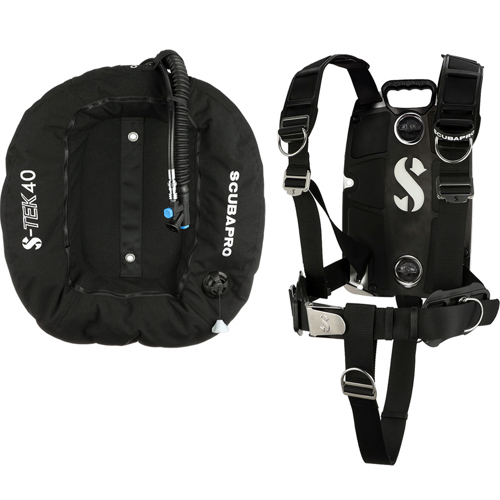
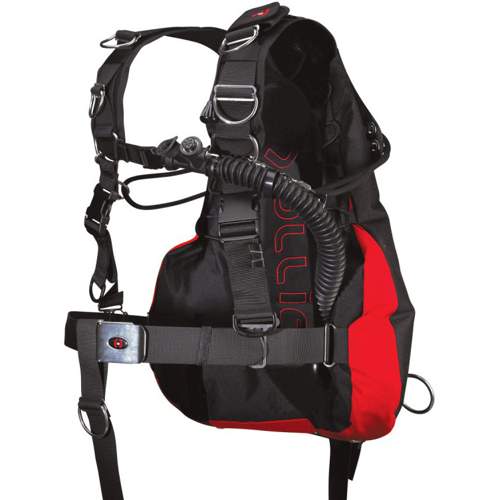
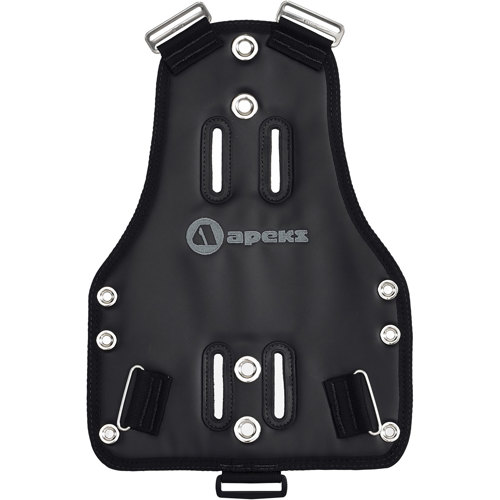
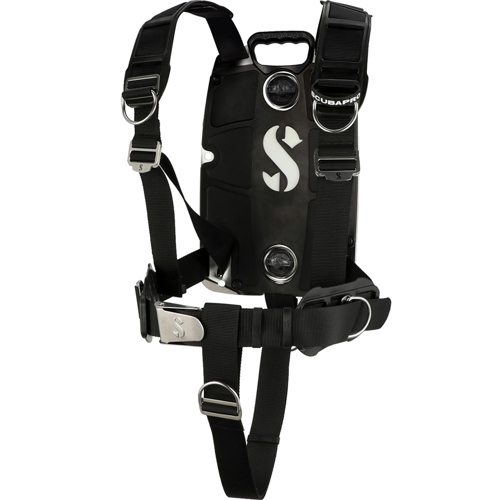
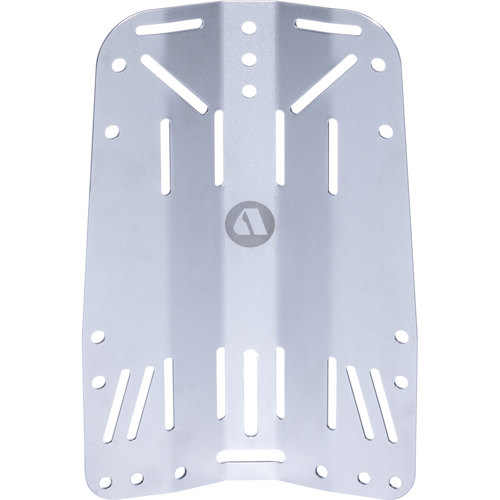
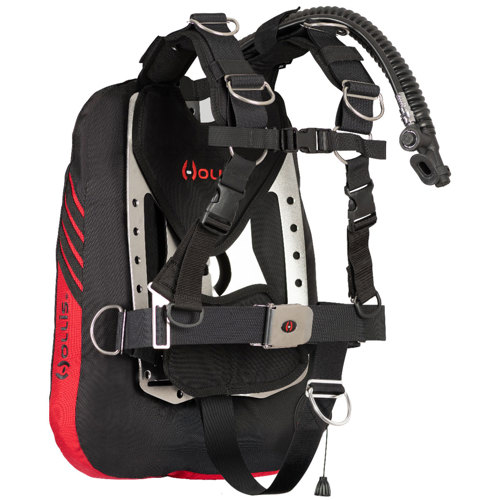
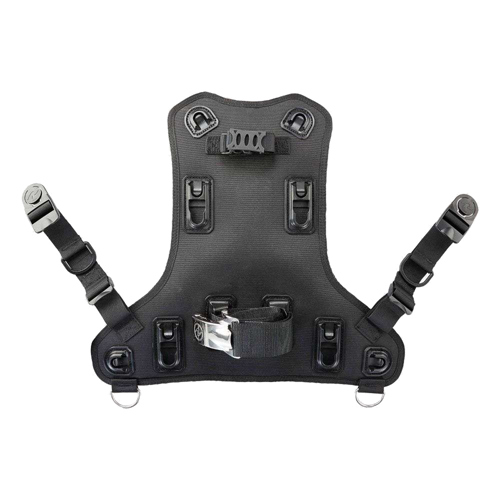
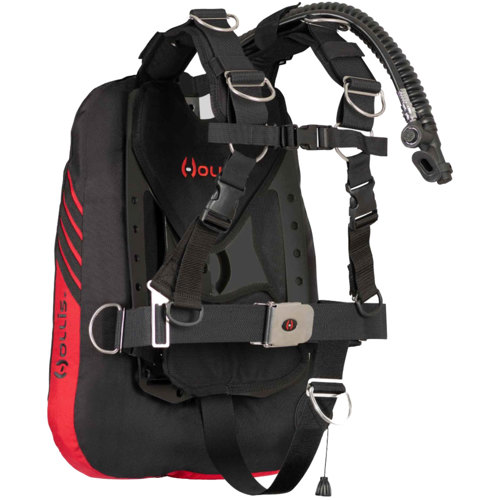
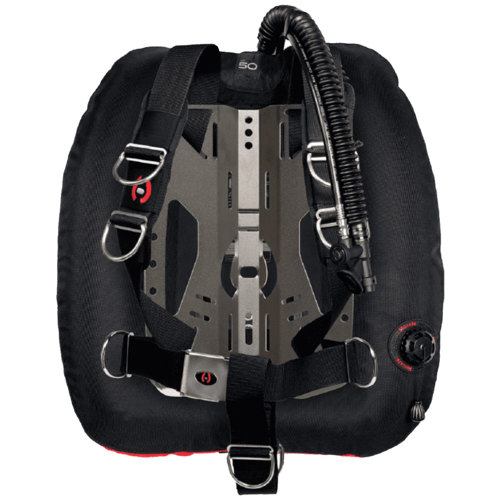
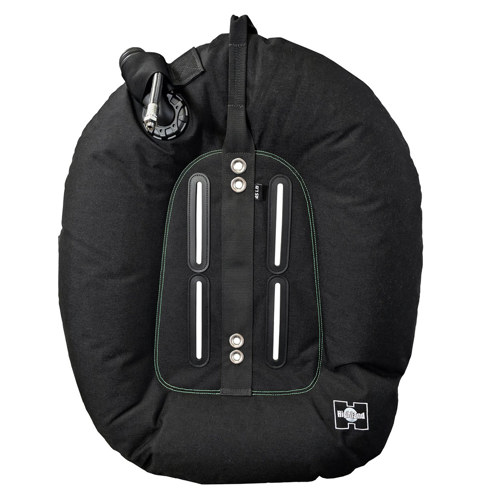
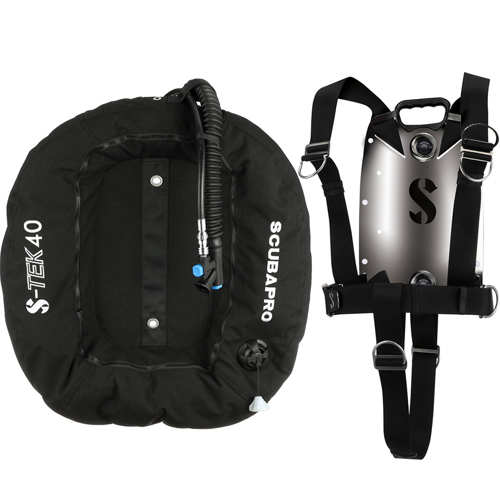
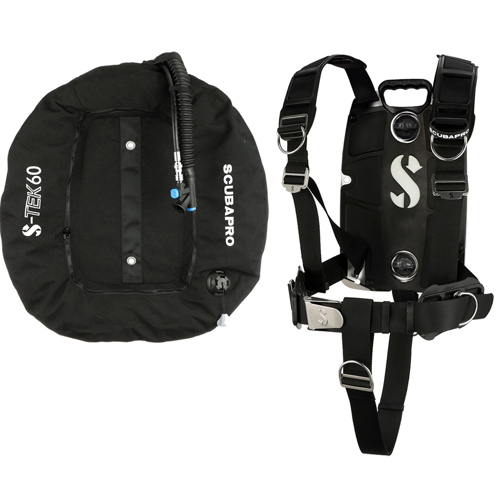
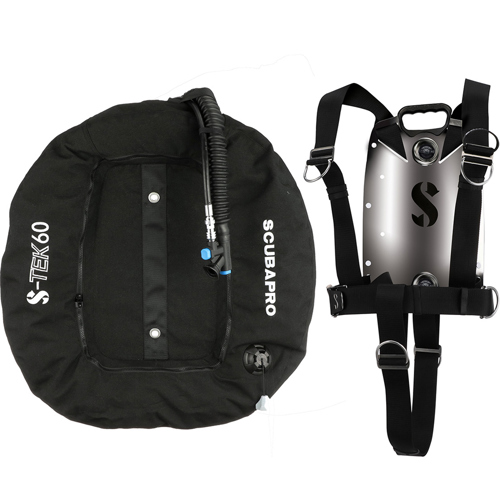
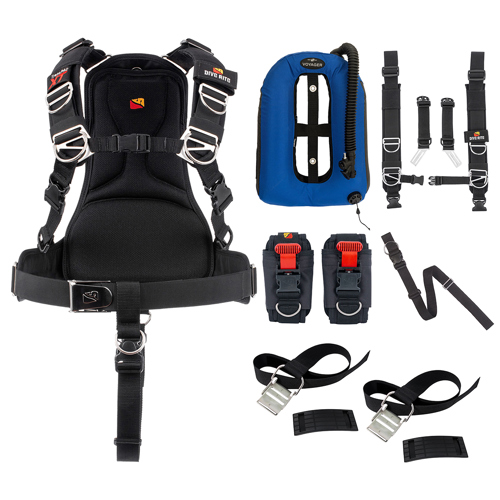
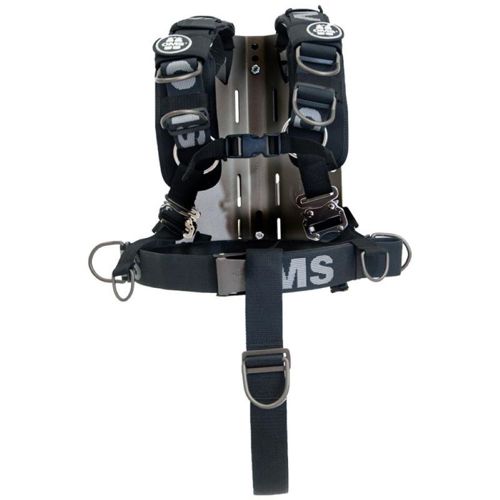
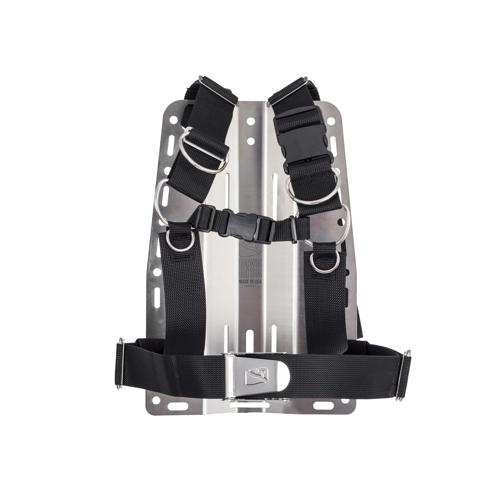
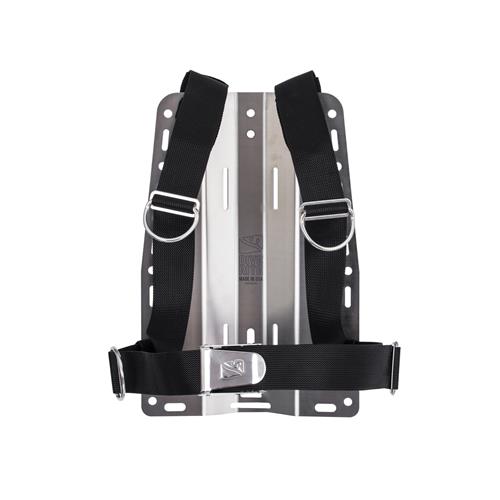
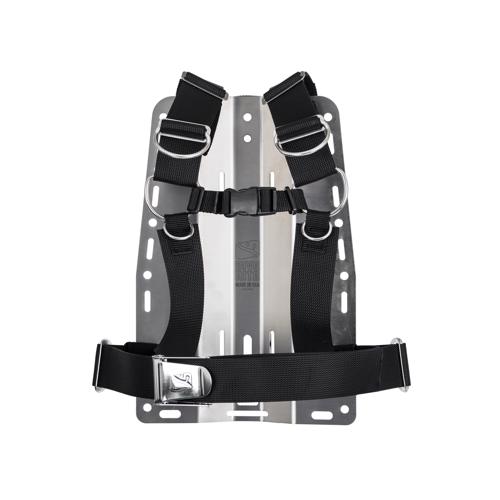
As the spring diving season approaches, many divers find themselves re-evaluating their gear setups, especially when it comes to dive harness configurations. Whether you’re preparing for the first open water dives of the year or upgrading your equipment for more advanced adventures, the right scuba diving harness is central to both comfort and safety underwater. Dive harnesses serve as the vital link between you and your cylinder, ensuring stability, proper trim, and secure management of all your essential accessories. From classic, minimalist continuous-webbing systems favored by technical divers to more padded and adjustable harnesses designed for recreational or light-tech use, there is a wide spectrum of options to suit every diving style and body type. The core of any harness setup is the backplate, which sits snugly between the shoulder blades, distributing the weight of your tank and providing a solid platform for your entire kit. Many divers appreciate the customizable nature of these systems, with D-rings and webbing that can be precisely adjusted for accessory placement—whether it’s clipping off a stage bottle at your collarbone, securing a scooter leash, or keeping your SPG within easy reach on your left hip.
For those venturing into more specialized environments, such as overhead or cave diving, sidemount harness configurations offer a streamlined, low-profile alternative. These setups allow tanks to be carried at your sides, dramatically improving maneuverability in tight spaces and providing redundancy for extended or technical dives. The ability to personalize D-ring placement, adjust webbing length, and add quick-release buckles or lumbar padding makes modern scuba harnesses adaptable for all body shapes and diving missions. Even the choice of a crotch strap—often a soft, 2-inch wide band—can make a significant difference in keeping the harness securely in place, especially when using scooters or carrying multiple cylinders. As with any piece of dive gear, proper fit is essential: a well-adjusted harness should sit comfortably on your shoulders, tight enough to hold your tanks close but loose enough to allow a full range of motion. Expert divers often recommend threading webbing in a continuous loop for maximum durability, while others prefer separate crotch straps with stainless steel triglides for added stability. For those focused on harness eco diving, choosing materials and configurations that minimize environmental impact is an increasingly popular consideration.
Selecting the right diving harness is a personal journey, often shaped by experience, diving environment, and individual preference. Many instructors and seasoned divers recall their early days of struggling with ill-fitting gear, only to discover the transformative effect of a properly configured harness on buoyancy and control. If you’re shopping for a gift, a high-quality scuba harness is a thoughtful and practical choice for anyone passionate about diving—especially for those looking to advance their skills or explore new environments this spring. Whether you’re assembling your first setup or fine-tuning a technical rig, take the time to test and adjust your configuration in a controlled setting, such as a pool, before heading into open water. Attention to detail in harness setup, from D-ring positioning to buckle placement, can make the difference between a smooth, enjoyable dive and unnecessary hassle underwater. For divers interested in further customizing their rigs, a wealth of accessories is available to enhance both function and comfort. For a comprehensive selection of compatible clips, rings, and additional gear, visit our dedicated page on
Diving Harness Attachments. Whether you refer to it as a diving harness, scuba diving harness, or ダイビング ハーネス, investing in the right configuration is an investment in your safety, efficiency, and enjoyment beneath the waves.

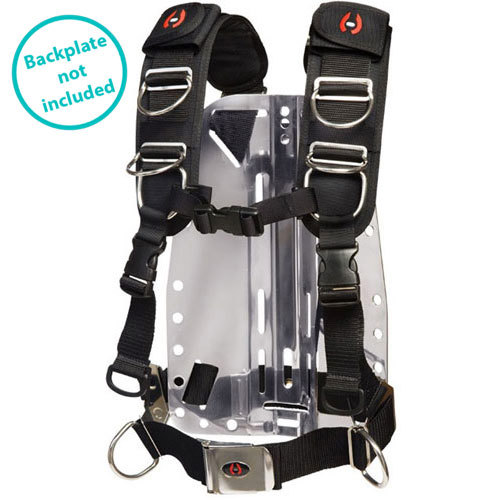

.jpg)