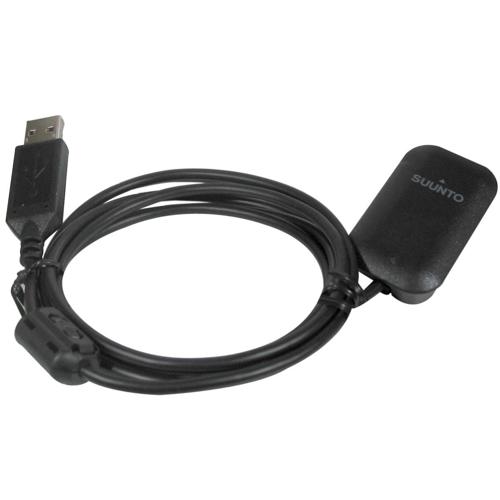
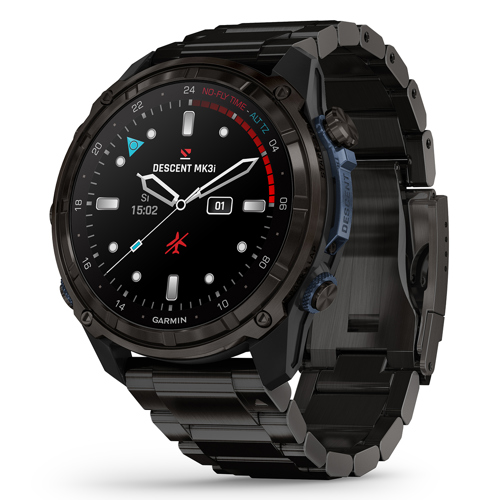
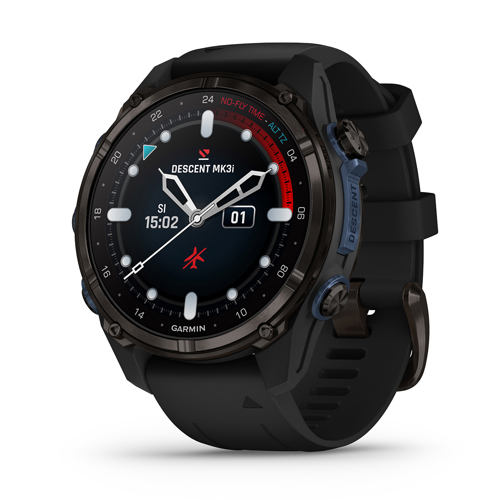
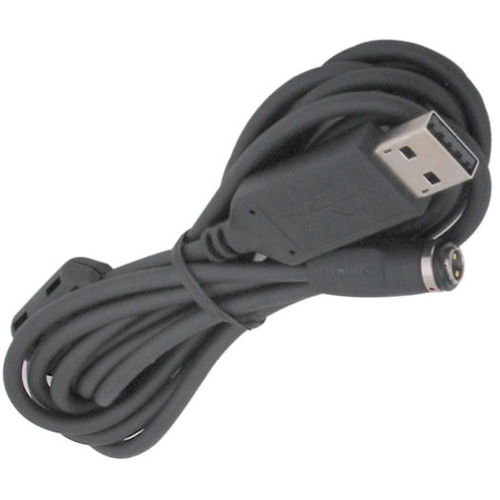
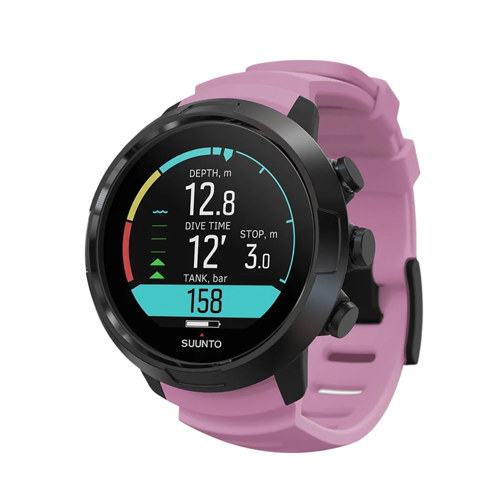
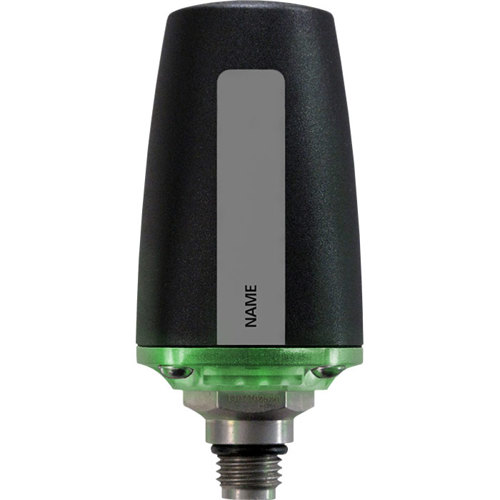
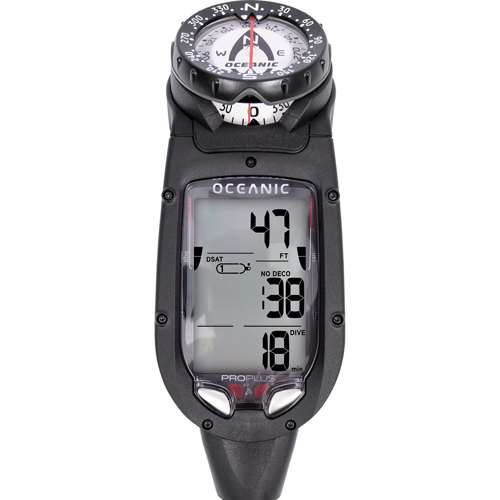
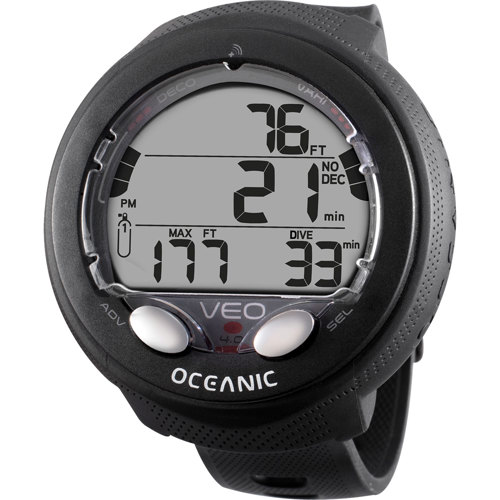
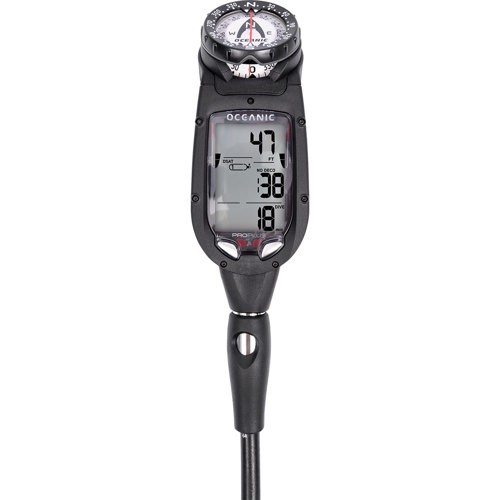
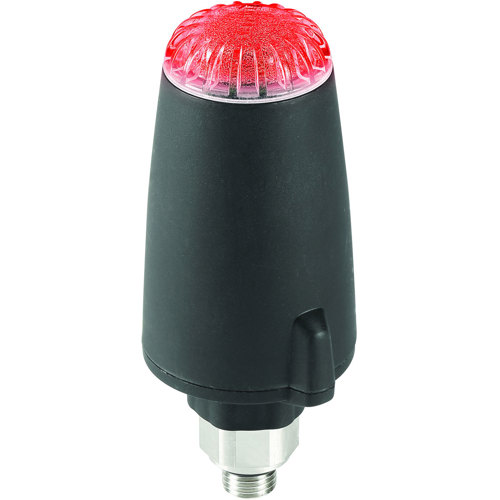
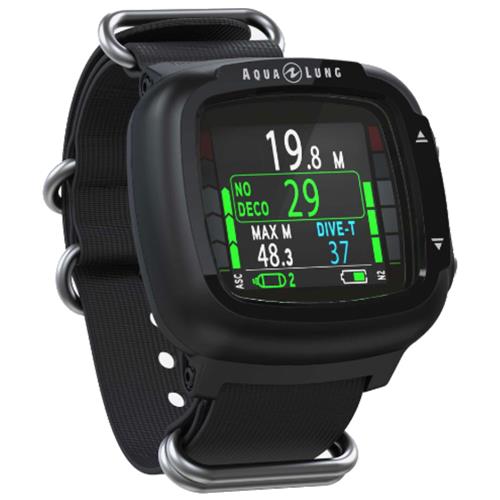
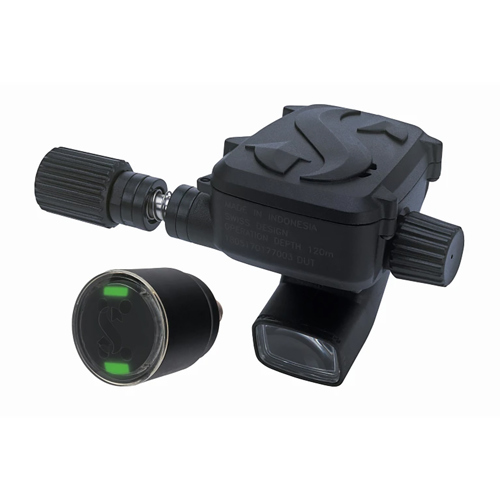
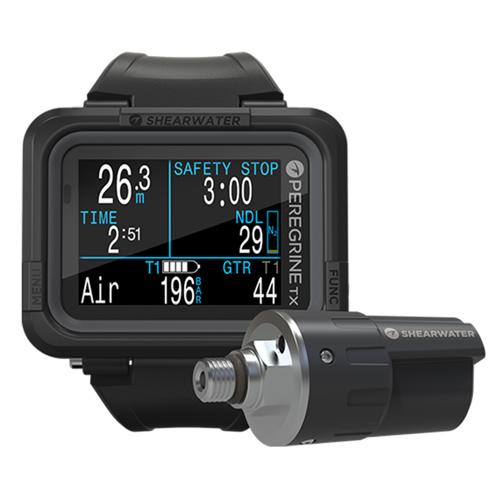
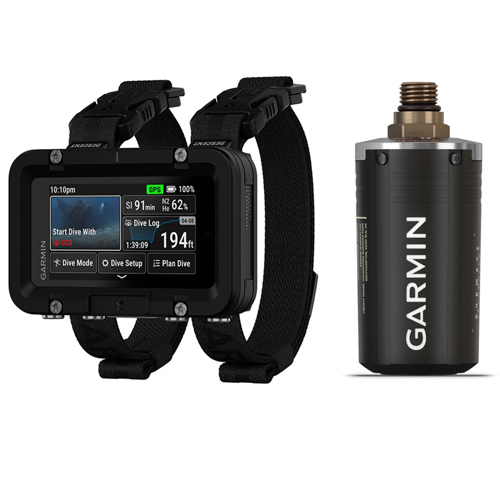
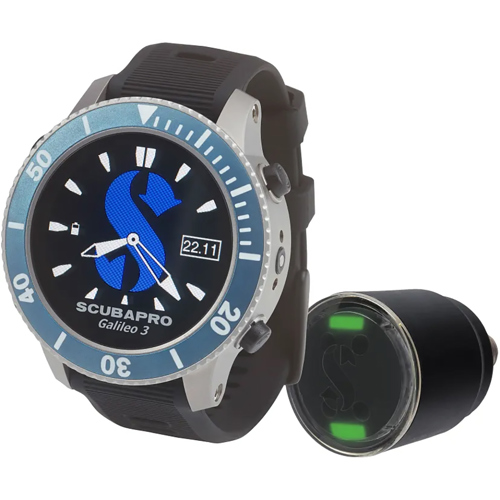
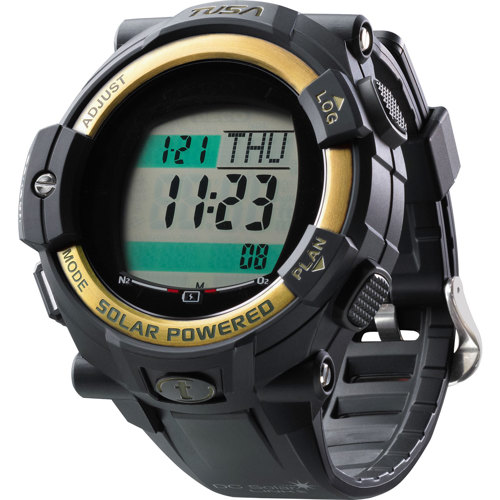
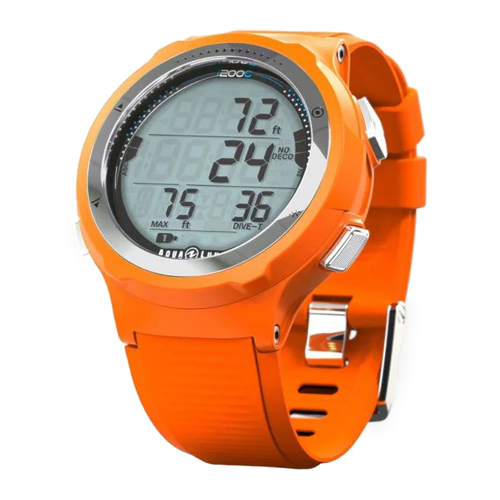
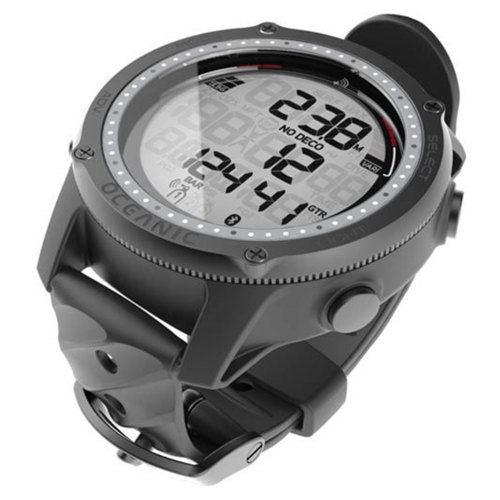
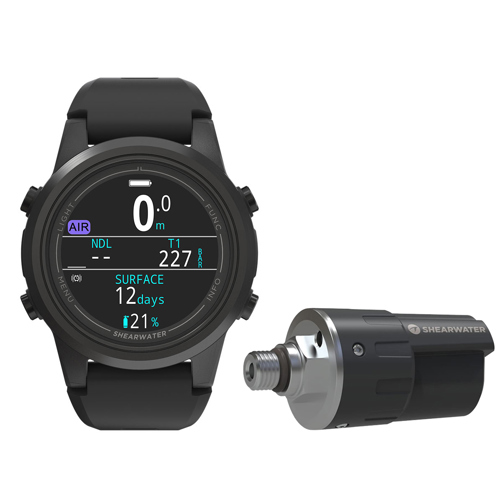
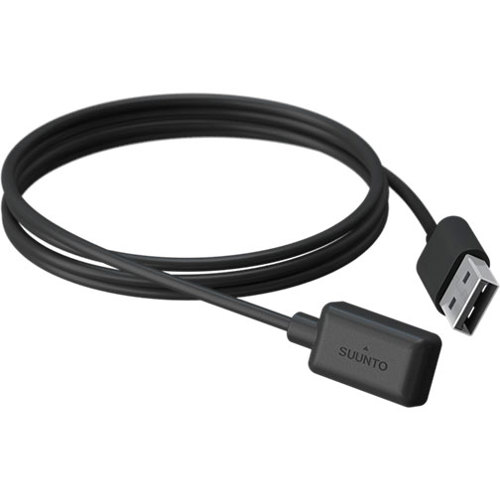
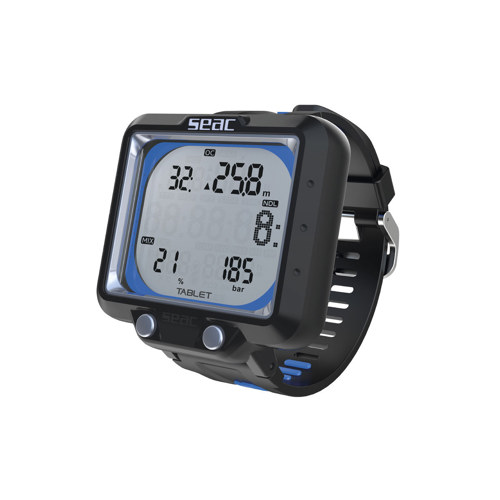
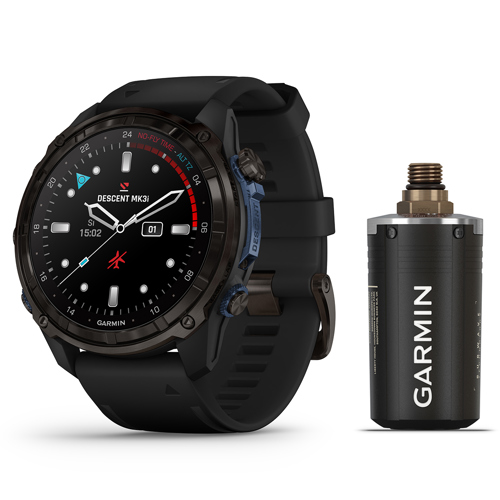
When planning a group diving trip, especially during the busy winter holiday season when friends and families gather to share adventures, the ability to efficiently transfer and consolidate dive computer data becomes a major consideration. Whether you’re coordinating a club expedition, a training course, or a family getaway, having the right data transfer tools ensures that every diver’s experiences are captured, organized, and easily shared. Dive computer data transfer solutions are designed for divers who want to log their underwater journeys collectively, analyze group performance, or simply create a shared digital memory book of their dives. These products appeal to a wide range of users—from the tech-savvy dive leader managing a dozen participants to the recreational diver who wants to swap stories and photos with buddies after a day beneath the waves. They also make thoughtful gifts for dive instructors, group coordinators, or anyone who loves to document and relive their underwater explorations with others.
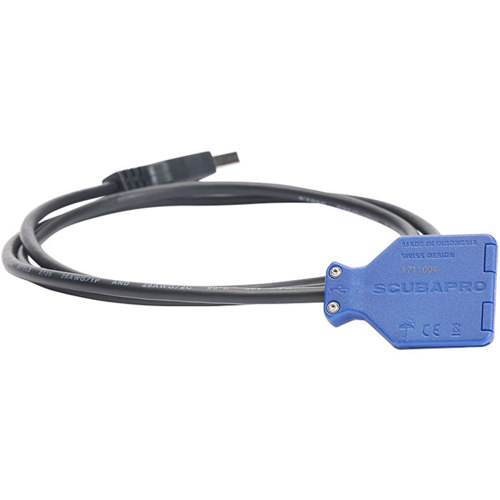
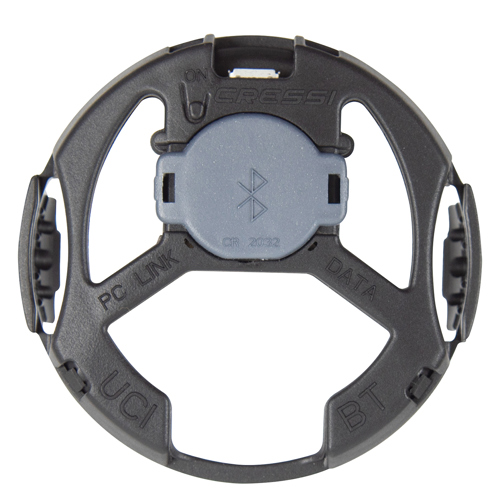
Selecting the ideal data transfer setup for group diving trips involves a few key considerations. Wireless transfer options, such as Bluetooth-enabled adapters and cloud-based logbook apps, provide quick and convenient sharing, especially when everyone gathers at the dive resort lounge with their smartphones or tablets. These solutions are perfect for smaller groups or travelers who value simplicity and want to upload dives directly to a shared cloud account or a group logbook app, making it easy to add notes, tag locations, and even attach photos from the day’s adventure. For larger groups, or when you’re managing data from a mix of different dive computer brands, a more robust solution might involve USB cables or specialized interfaces connected to a laptop. This approach allows for faster, more reliable transfers and advanced analysis, which is especially useful for dive clubs, research teams, or anyone coordinating a multi-day itinerary with lots of dives. It’s worth noting that each diver’s computer logs dives sequentially, so maintaining a clean group log may require some editing—look for software or apps that offer group features or easy ways to manage dive numbers. The ability to compile all logs into a single file or database not only streamlines trip reports but also makes it easier to track equipment performance, air consumption, and dive profiles across the group.
Beyond the technical aspects, using dive computer data transfer tools adds a new dimension to the social side of diving. After a day exploring reefs or shipwrecks, there’s something special about gathering around a laptop or syncing up with a group app to relive the highlights—comparing maximum depths, sharing underwater photos, and recounting close encounters with marine life. These moments foster camaraderie and help create lasting memories, whether you’re a seasoned instructor leading a certification course or a family celebrating the holidays with a tropical adventure. For those new to group data management, starting with user-friendly apps or open-source software can make the process approachable, while more advanced divers might appreciate the ability to generate detailed analytics and long-term records. No matter the group size or experience level, making sure each diver performs thorough pre-dive checks—including verifying that all computers and transmitters are functioning and ready to sync—sets the foundation for safe, enjoyable dives and seamless post-dive data sharing. For more detailed information on compatible transfer devices and software options, visit our comprehensive guide at
Dive Computer Transfers.