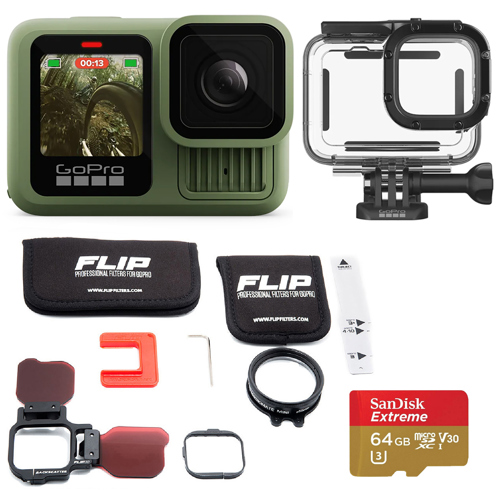
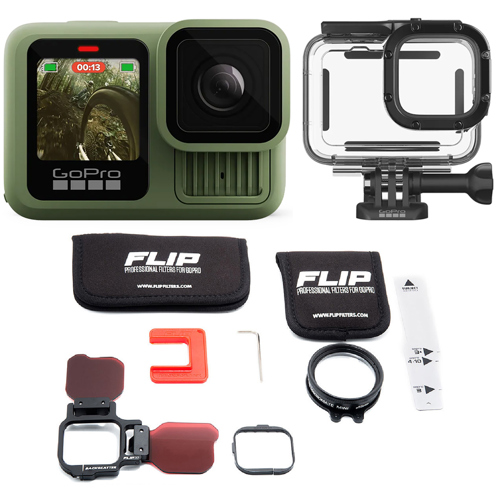
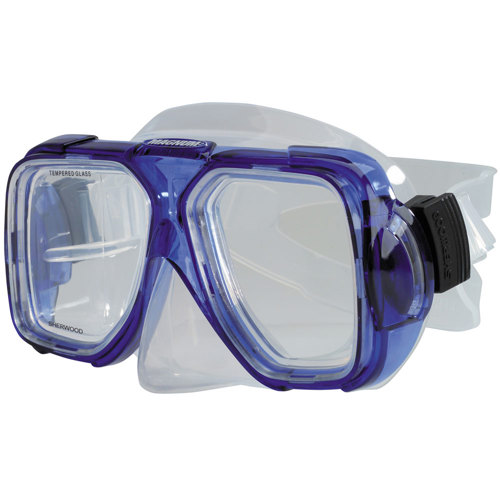
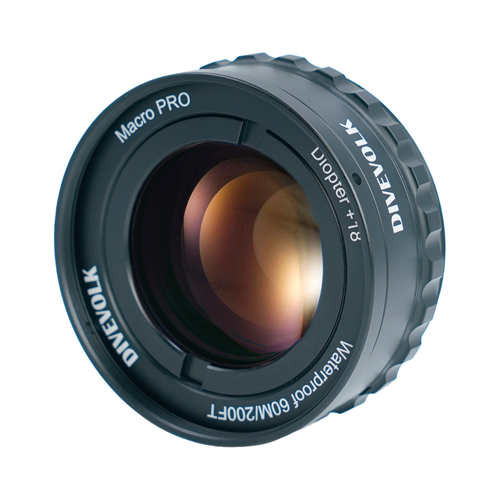
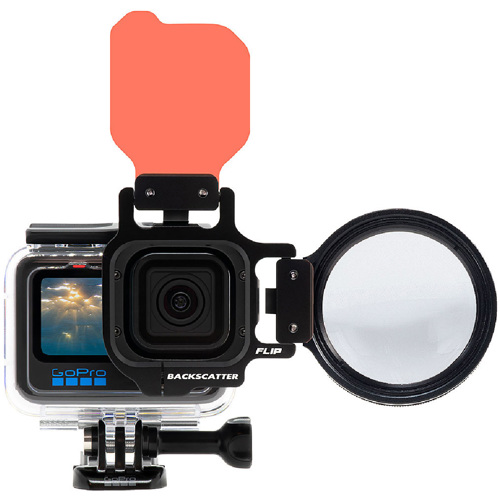
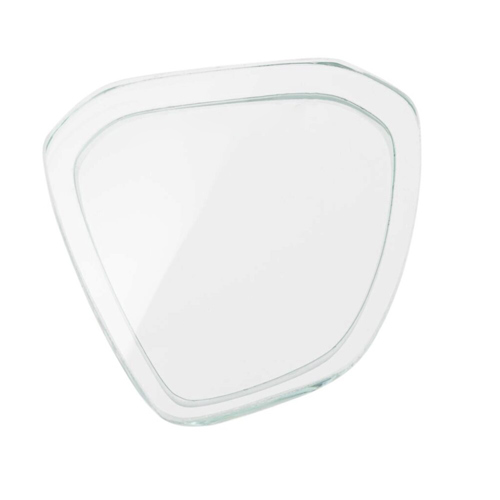
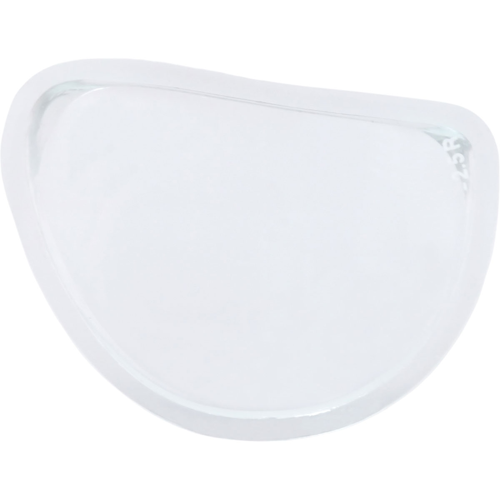
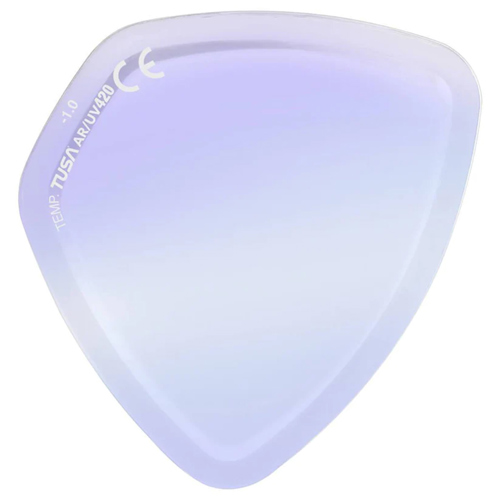
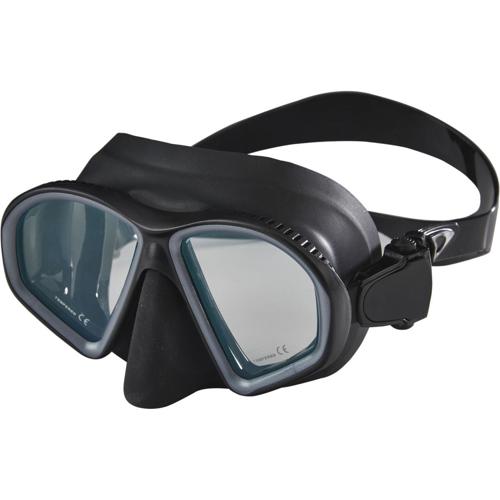
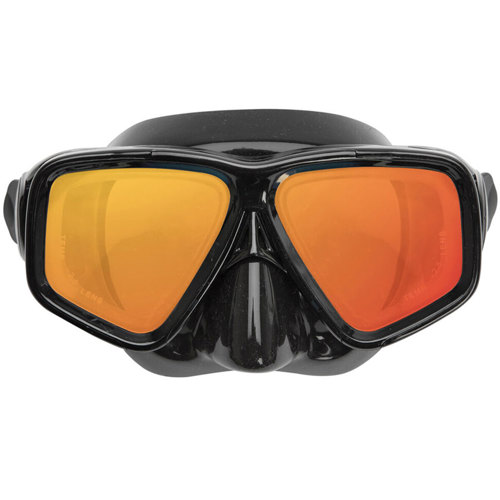
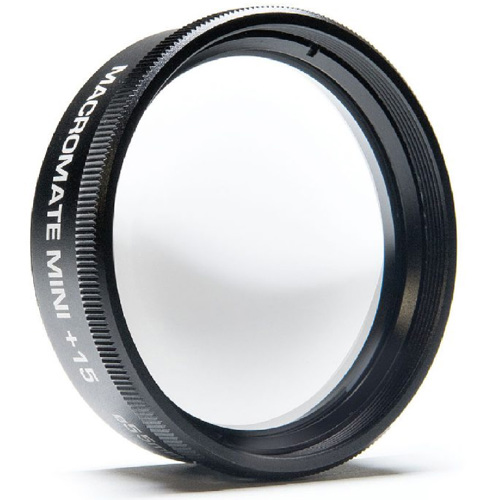
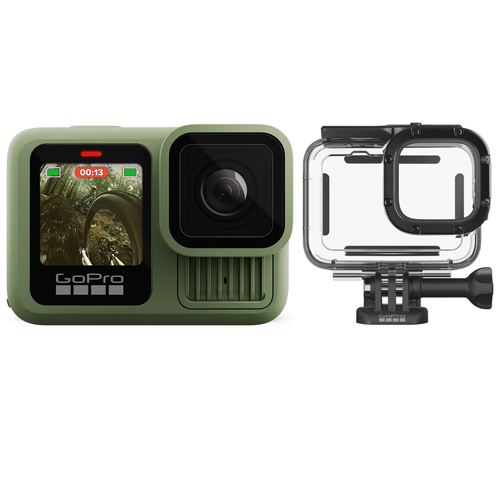
Close Focus Wide Angle (CFWA) lenses have become essential tools for underwater photographers seeking to capture the vibrant interplay between marine life and their expansive, colorful surroundings. As the weather warms and dive conditions become more inviting, enthusiasts and professionals alike are drawn to the challenge and artistry of CFWA photography. These specialized lenses—often ultra-wide or fisheye in design—allow shooters to position themselves just inches from their subjects, whether it’s a curious clownfish peeking from an anemone or a delicate nudibranch perched on a coral head, while still framing the sweeping blues and intricate textures of the reef in the background. The result is a striking visual story that places the viewer right in the heart of the underwater world, highlighting both the subject and its environment in a single, immersive shot. Achieving this effect requires more than just the right lens; it’s about pairing optics with compact dome ports, carefully selected housing accessories, and sometimes even wet lens systems or teleconverters to fine-tune the field of view and focusing distance. For those who wear corrective lenses on land, integrating
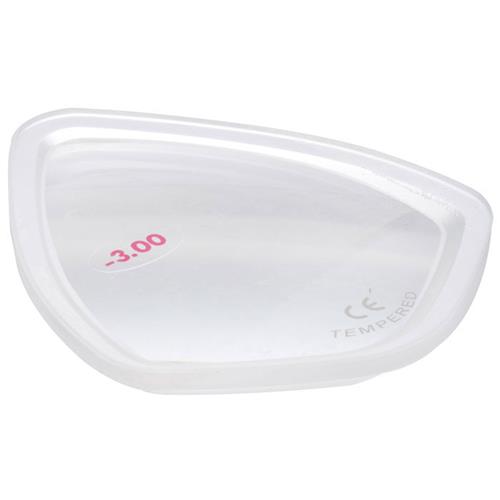
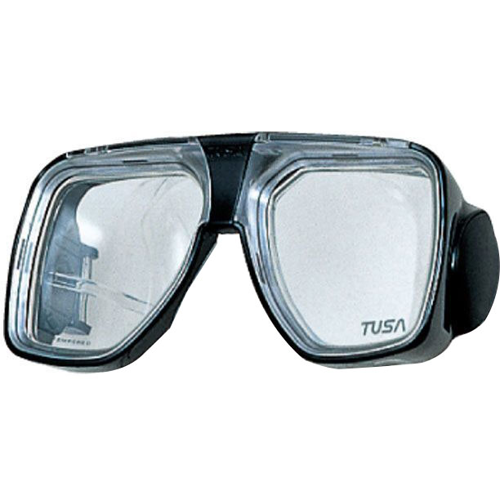
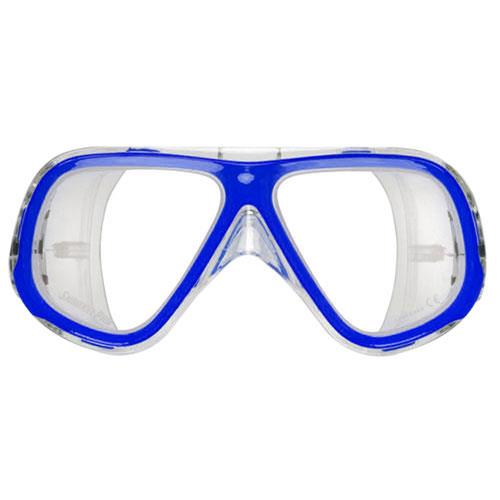
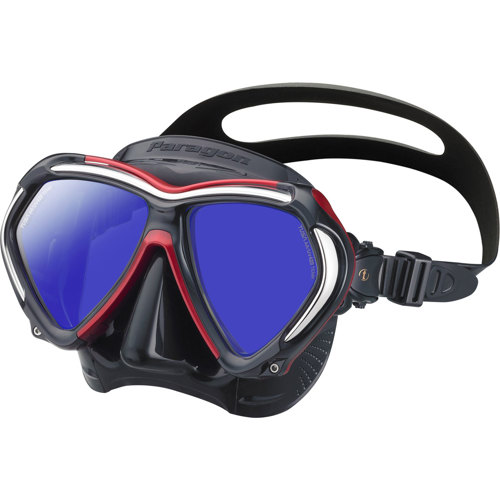
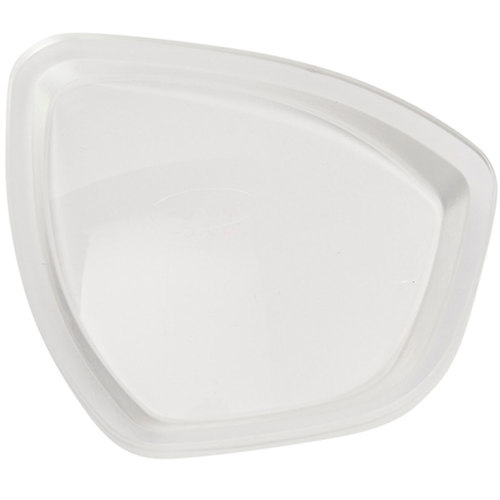
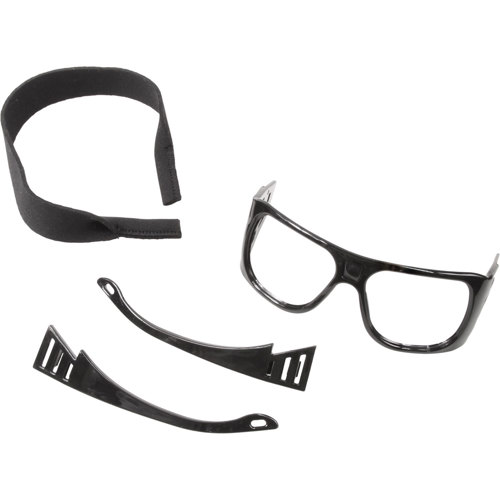
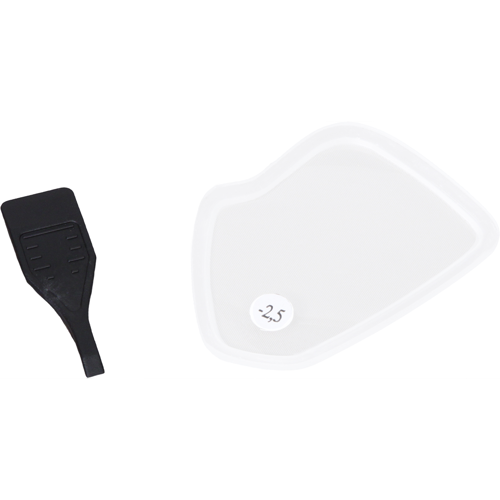
Vision Correction Lenses into your dive mask can make all the difference in composing crisp, detailed images beneath the surface.
When considering a CFWA lens for underwater use, it’s important to think about your camera system, your preferred shooting style, and the types of subjects you’re likely to encounter. Fisheye lenses are often the gold standard for CFWA, offering an impressive 170 to 180-degree field of view that lets you get incredibly close to marine life without sacrificing the grandeur of the scene. This proximity not only enhances color and sharpness—since water quickly absorbs light and detail—but also allows for creative lighting with strobes, as you can position them closer and avoid backscatter. For those who prefer a more rectilinear perspective, wide-angle lenses with diopters or specialty ports can help control edge distortion while still enabling close focus, making them ideal for larger subjects like turtles, rays, or divers themselves. Wet lens systems offer flexibility, letting you switch between macro and wide-angle perspectives on a single dive, while small dome ports—typically four-inch mini-domes—are favored for their ability to facilitate tight compositions and optimal lighting angles. Teleconverters are sometimes paired with fisheye lenses to slightly narrow the field of view while maintaining the ability to focus just millimeters from the dome, opening up creative possibilities for framing and subject isolation.
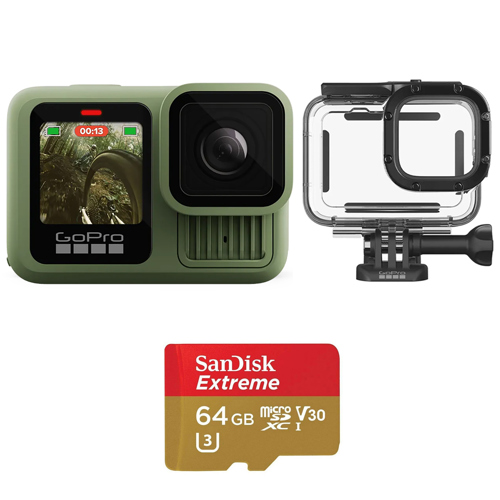
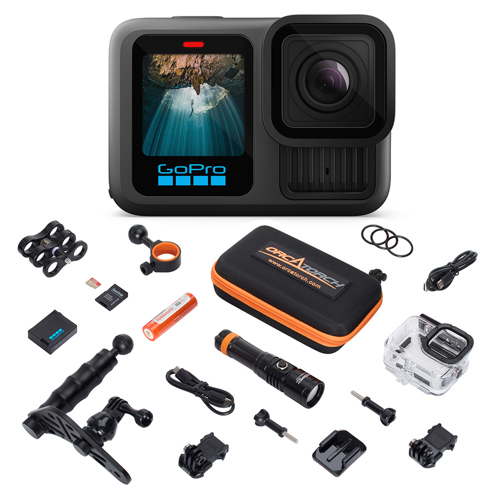
CFWA lenses make thoughtful gifts for underwater photographers at any skill level, especially as dive travel and local excursions pick up during the warmer months. They’re perfect for those looking to expand their creative horizons, document unique marine encounters, or simply elevate their underwater portfolio. Whether capturing the electric hues of a reef at sunrise, documenting a diver’s interaction with a school of fish, or freezing the fleeting moment when a seahorse wraps its tail around a blade of seagrass, the right CFWA lens can transform an ordinary dive into a gallery of unforgettable images. For anyone new to underwater photography, investing in a quality CFWA setup is a gateway to mastering advanced techniques and developing a signature style. Seasoned shooters will appreciate the subtle differences in lens performance, dome port compatibility, and accessory options, often swapping stories about their favorite setups or the one shot that made it all worthwhile. With the right gear and a bit of practice, anyone can experience the thrill of capturing the ocean’s wonders up close, sharing those moments with friends, family, or the wider dive community long after surfacing.