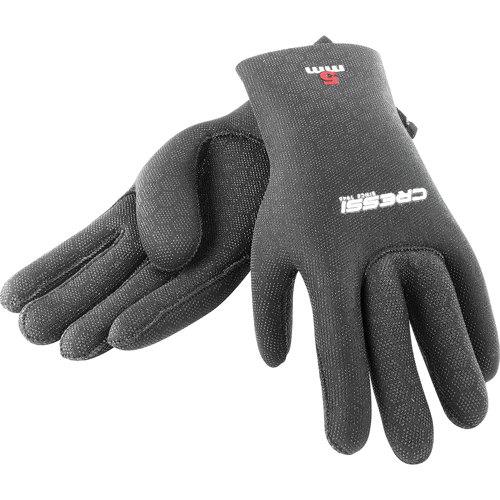
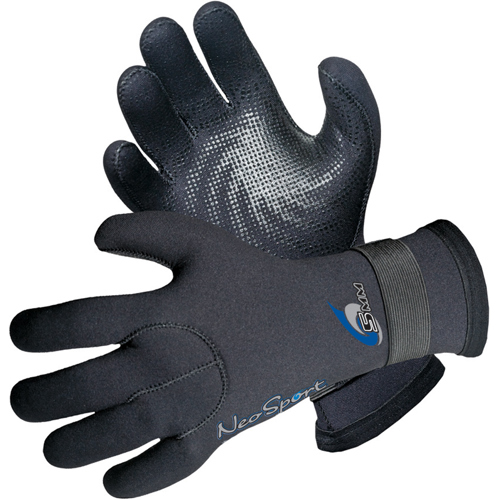
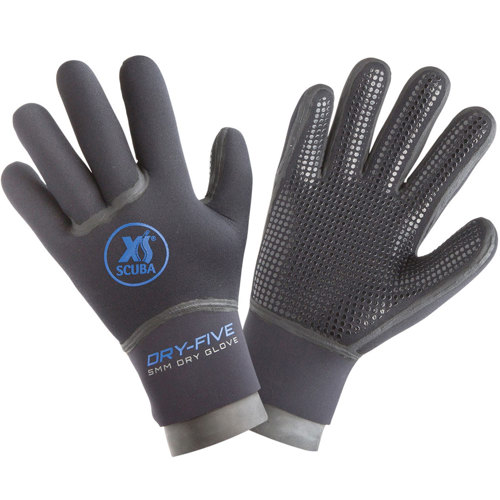
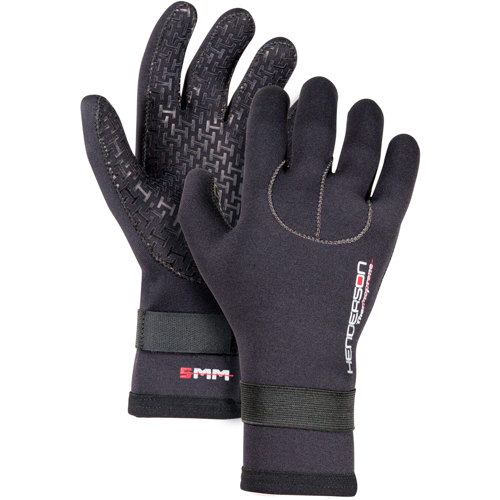
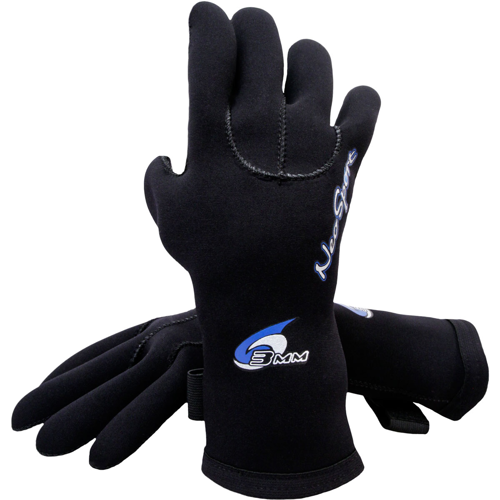
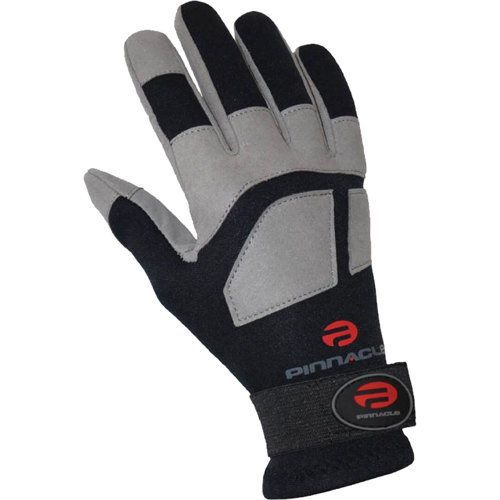
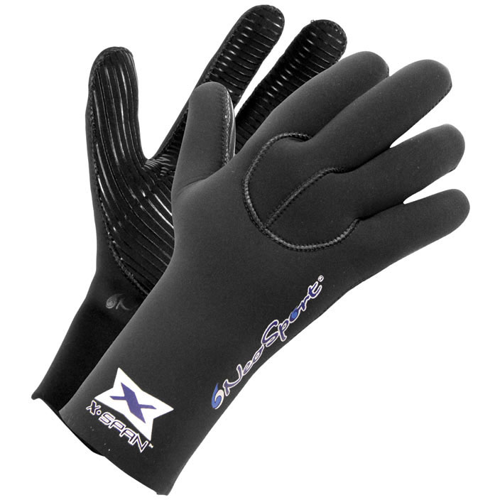
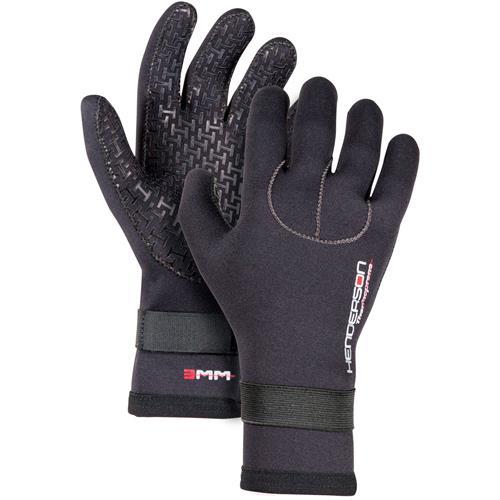
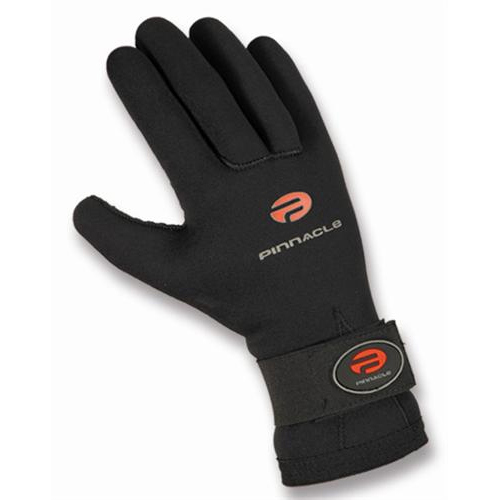
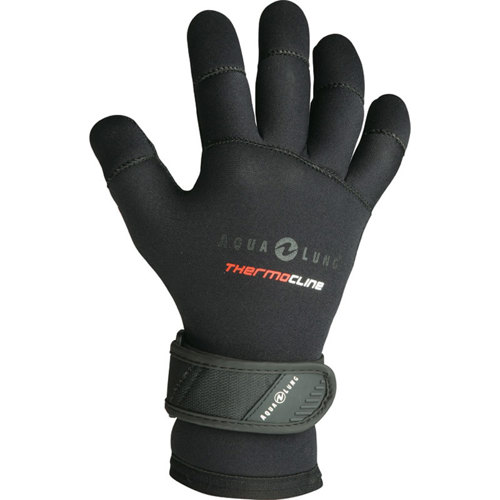
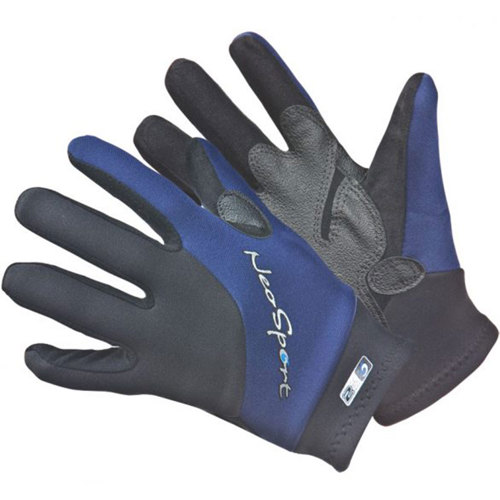
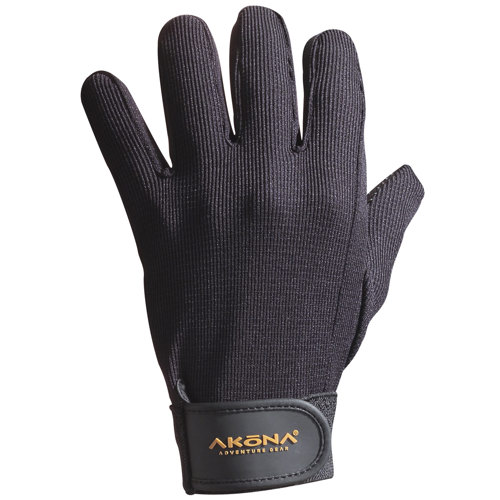
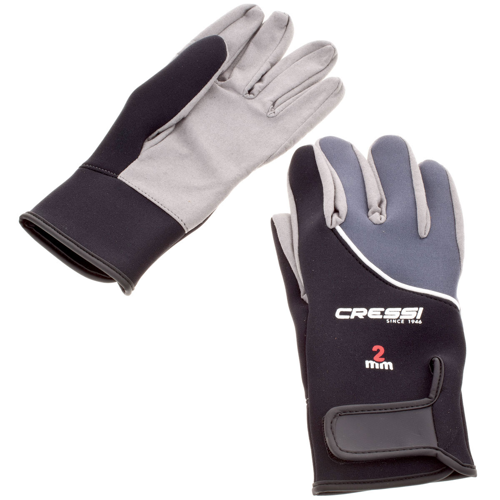
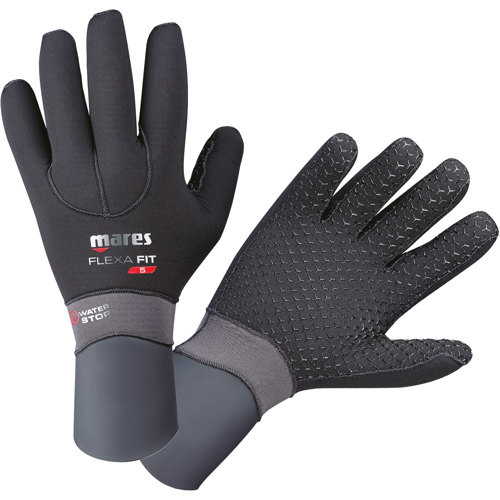
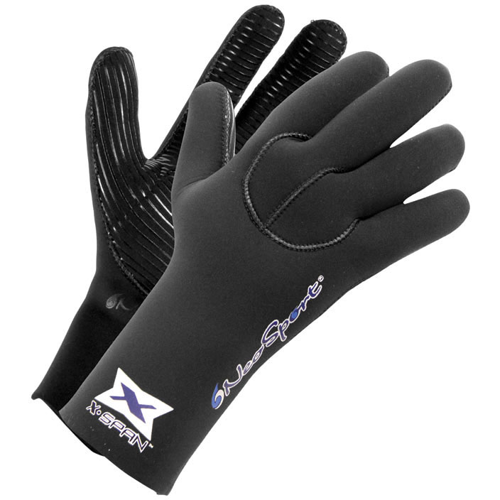
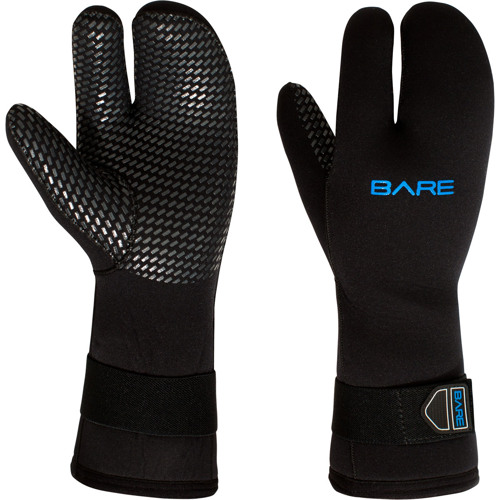
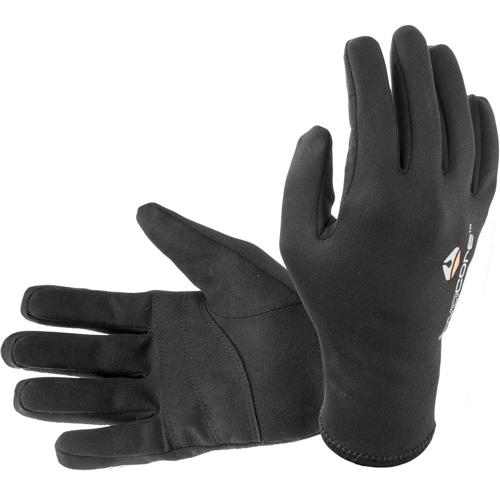
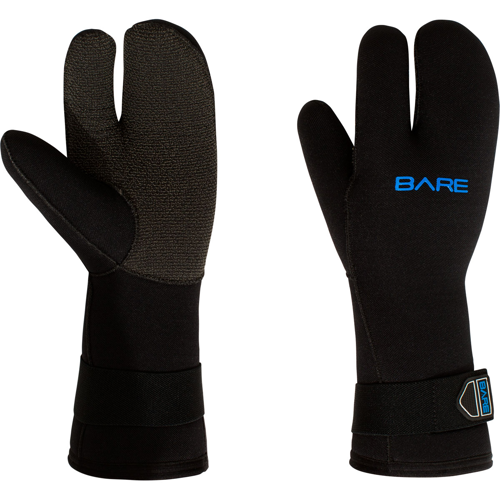
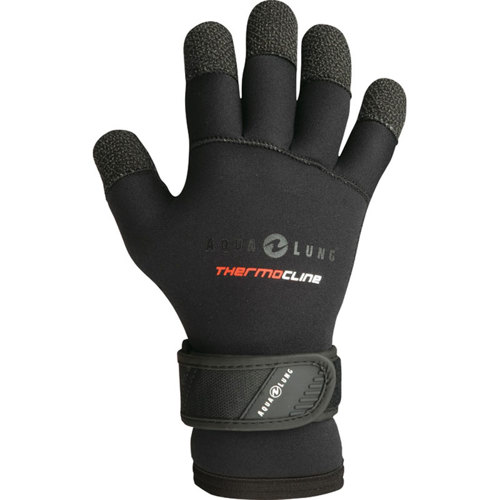
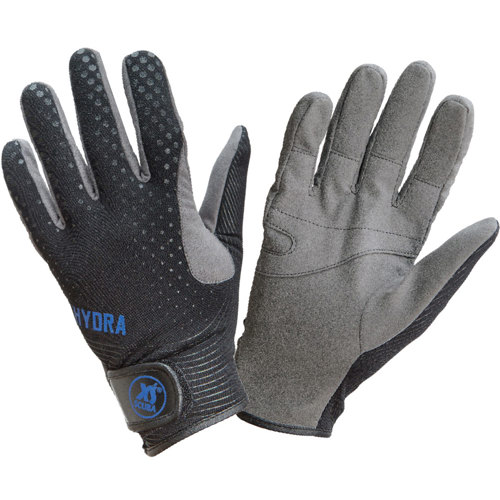
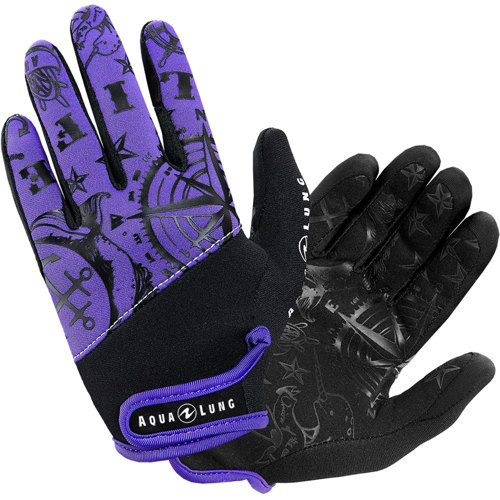
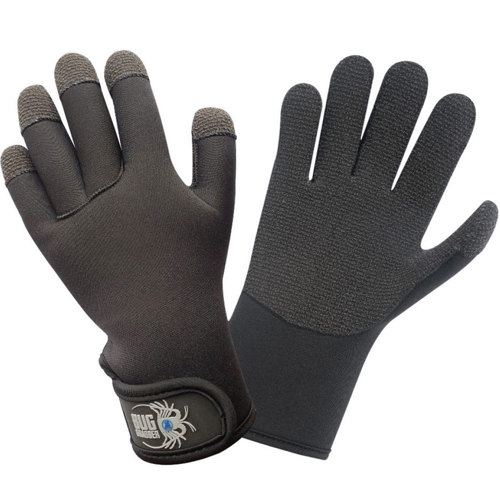
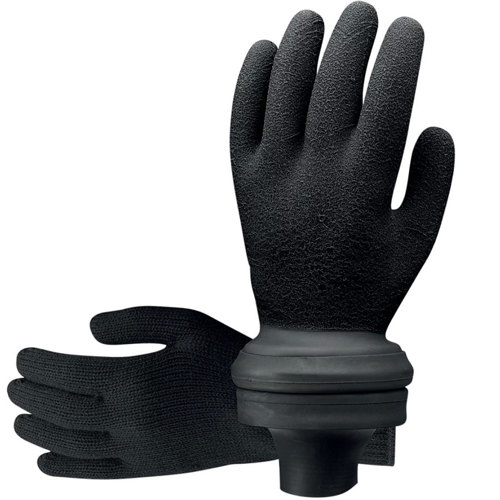
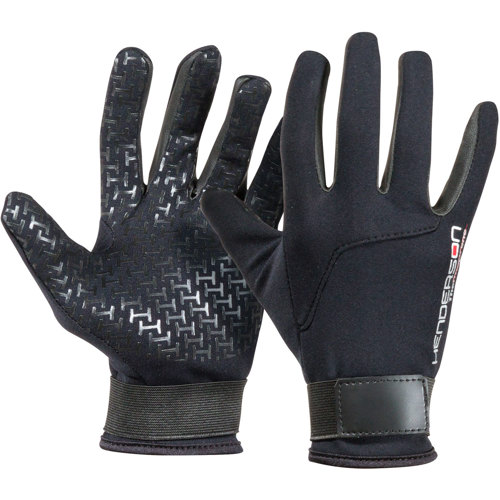
Cave diving is an exhilarating adventure that demands both skill and the right equipment, and among the essentials, cave diving gloves play a critical role in ensuring safety, dexterity, and comfort. Whether you’re threading your way through intricate limestone passages, gripping a guideline in a silt-filled tunnel, or maneuvering around submerged rock formations, your hands are constantly exposed to abrasive surfaces, sharp edges, and chilling water temperatures. The right pair of gloves for caving can make all the difference. When choosing diving gloves for cave environments, durability and grip are top priorities. Materials like reinforced neoprene, Kevlar, or other abrasion-resistant fabrics are favored for their ability to withstand contact with rough rock and protect you from accidental scrapes or punctures. A textured or rubberized palm enhances your grip on lines, reels, and gear, which is essential for maintaining control and safety in low-visibility or high-flow situations. For those who dive year-round, especially in the cooler waters that are common in spring and early summer, insulation becomes equally important. Thicker gloves—around 5mm or more—offer the warmth needed for extended dives in cold water, while lighter 1-2mm gloves provide flexibility and tactile sensitivity for warmer conditions or intricate gear manipulation.
The selection of cave diving gloves is also influenced by the specific needs of the diver and the environment. Technical divers, cave instructors, and explorers who spend long hours underground often prefer gloves water resistant enough to keep hands dry and warm, yet flexible enough to allow for precise movement. If you’re gifting gloves for caving to an adventurous friend or family member, consider what types of environments they frequent. Someone who dives in tropical springs may appreciate thinner gloves that maximize dexterity, while cold-water cave explorers will benefit from thicker, well-insulated options. Many divers keep several pairs on hand to match seasonal conditions—swapping out glove water thickness as needed for summer or winter dives. The fit is crucial; a glove should be snug enough to prevent water flushing but not so tight as to restrict movement or blood flow. Look for features such as adjustable wrist closures, pre-curved fingers, and reinforced seams, which all contribute to comfort and longevity. Some divers share stories of emerging from a long cave traverse with hands unscathed, thanks to the right gloves, while others recall how inadequate protection led to cuts or numbness—reminders of why this gear is never an afterthought.
No matter your level of experience or the complexity of your dives, investing in high-quality cave diving gloves is a wise decision that pays off in performance and protection. The right gloves not only shield your hands from the harsh realities of the underwater world but also enhance your ability to operate valves, tie knots, and handle delicate equipment with confidence. As the water warms and the diving season picks up in May, now is the perfect time to assess your glove water needs and ensure you’re prepared for whatever your next adventure holds. For those interested in exploring a wider range of options, including specialized designs for every type of underwater environment, you can find a comprehensive selection of
Diving Gear Gloves to suit your preferences. Whether you’re a seasoned cave explorer or shopping for a thoughtful gift, the right gloves are an indispensable part of any diver’s kit—offering peace of mind and a better, safer experience beneath the surface.