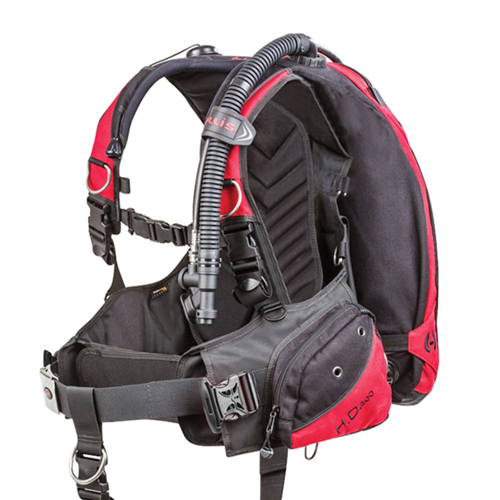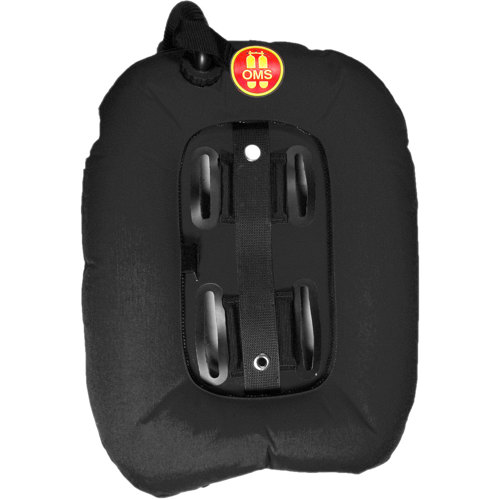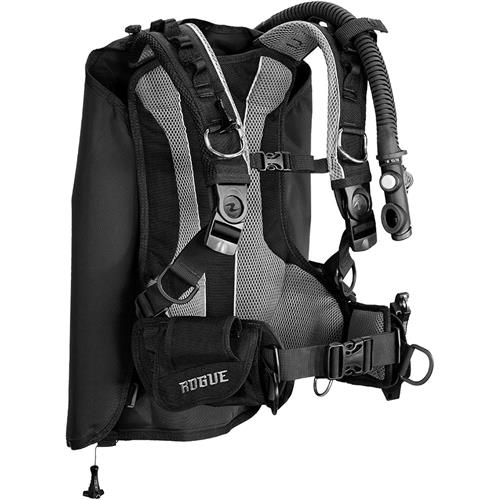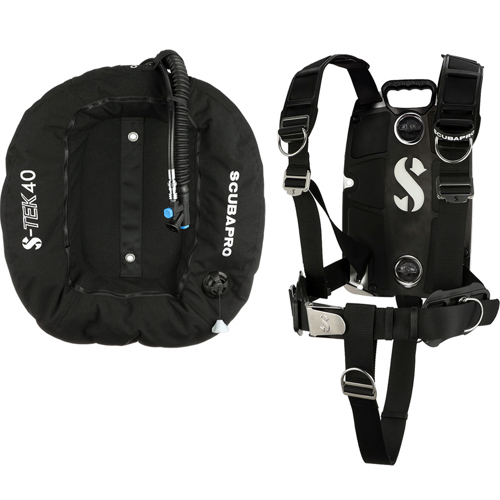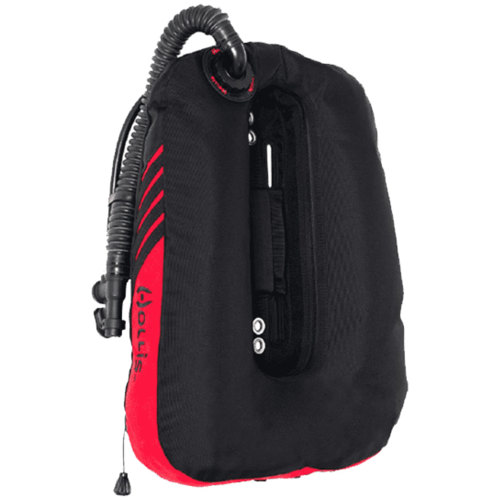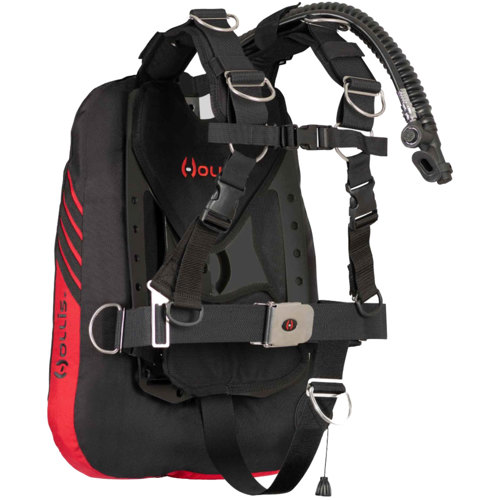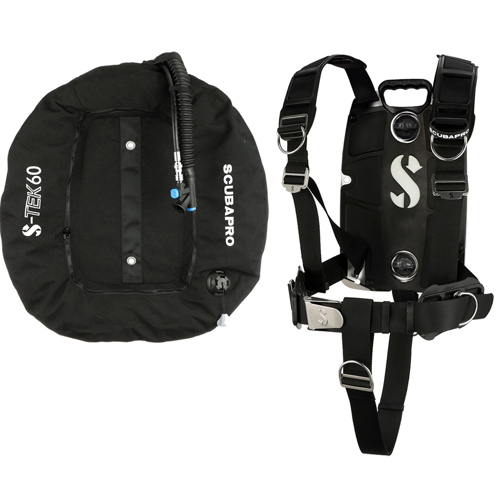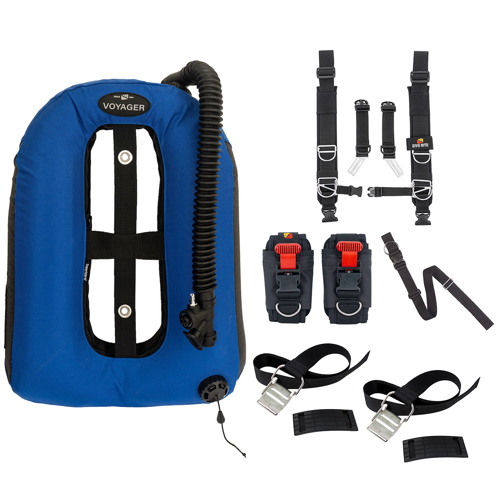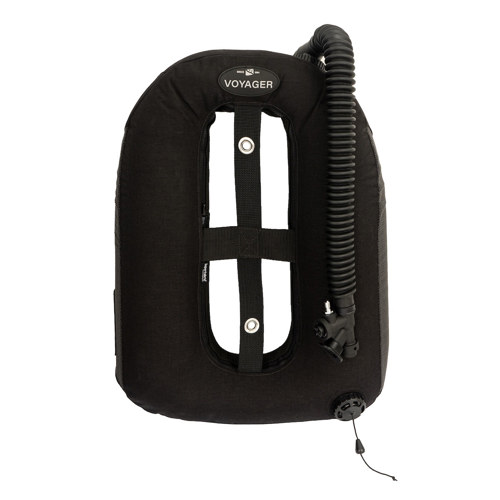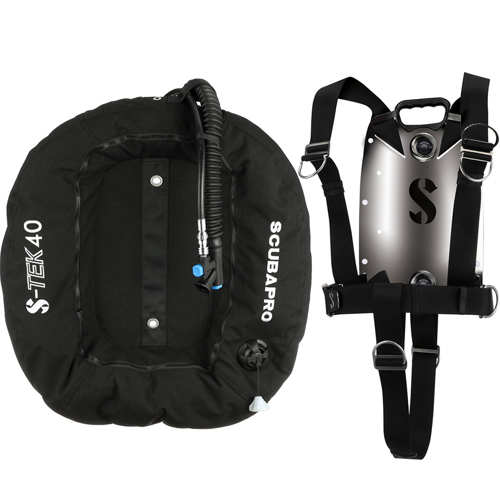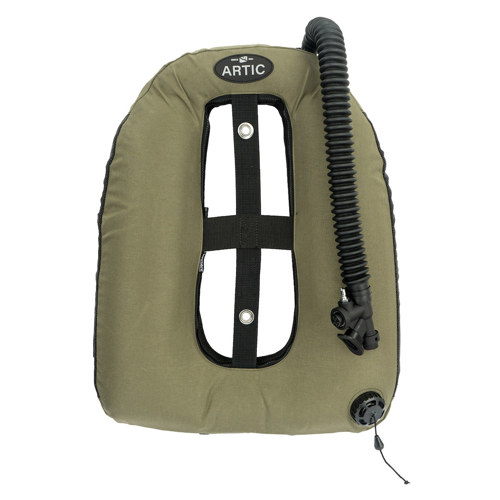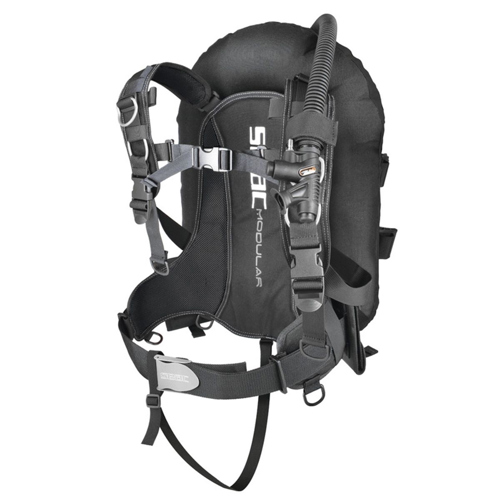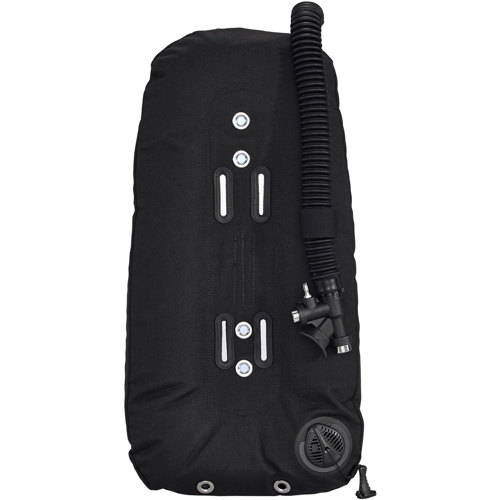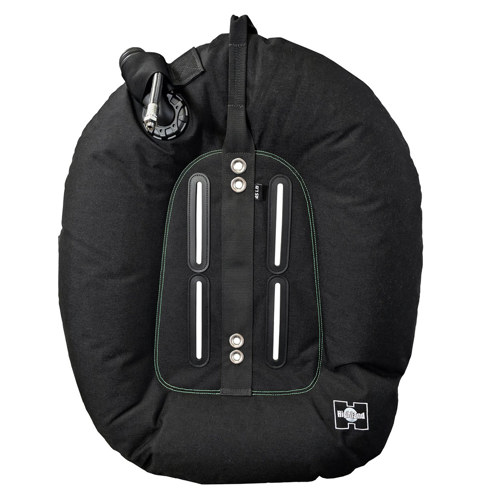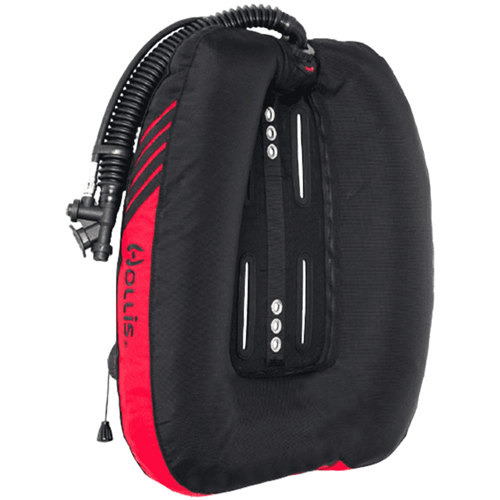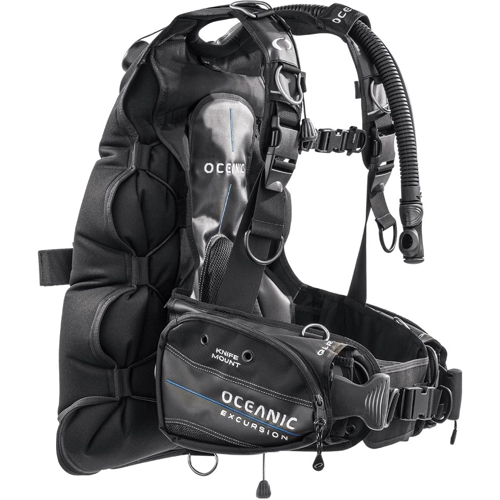
Bladder wings are a cornerstone of advanced buoyancy control for divers who value both precision and adaptability in their underwater adventures. As the diving season moves into late spring and early summer, many divers find themselves planning everything from local quarry dives to ambitious trips to tropical reefs or even the challenge of exploring deep wrecks and caves. Bladder wings, also known as wing-style buoyancy compensators, are particularly favored by those who want to streamline their gear and enjoy a superior horizontal trim in the water. Unlike traditional jacket-style BCDs, bladder wings position the buoyancy cell behind the diver, which not only enhances comfort by reducing squeeze around the torso but also promotes a natural, efficient swimming posture. This design is especially appreciated during long dives or when maneuvering through tight spaces, as it helps minimize drag and allows for effortless gliding over coral gardens or through the silent corridors of a sunken ship.
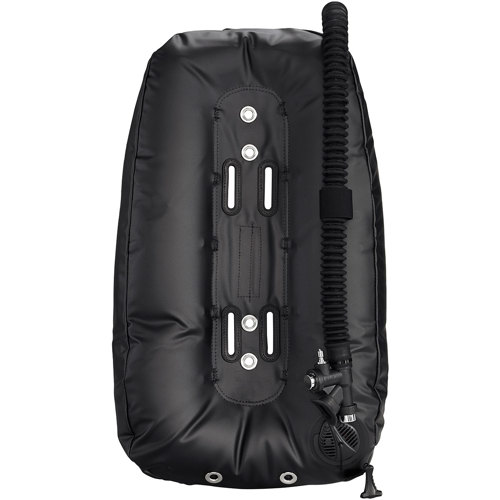
When considering a bladder wing, it’s important to think about the type of diving you’ll be doing. Recreational divers who stick to open water often opt for single-bladder wings, which are lighter and simpler, making them ideal for travel and easy to stow with the rest of your gear. Technical divers, cave explorers, and those venturing into overhead environments frequently choose dual-bladder wings for the added safety of redundancy; if one bladder fails, the backup ensures you can still make a safe ascent. The choice between donut and horseshoe shapes also comes into play—donut wings allow gas to move freely around the entire bladder, making buoyancy adjustments smoother and more predictable, while horseshoe designs, although less common today, may still appeal to divers who learned on or prefer that style. Lift capacity is another key factor; wings are rated for how much weight they can support at the surface, and this should be matched to your exposure protection, tank configuration, and the environments you plan to explore. For example, cold water divers with steel doubles and lots of gear will need a higher lift capacity than someone diving warm, clear waters with a single aluminum tank.
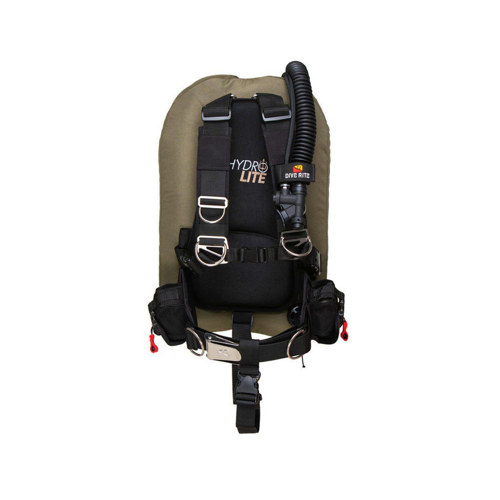
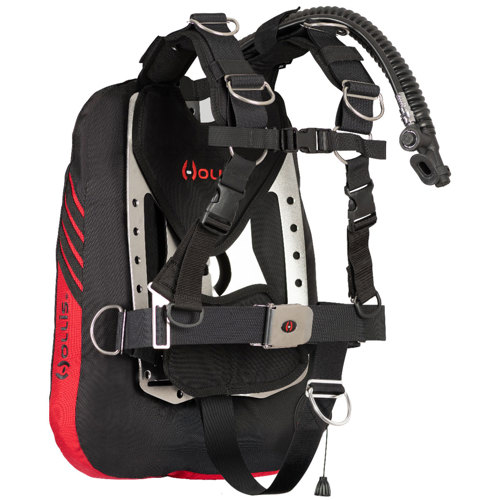
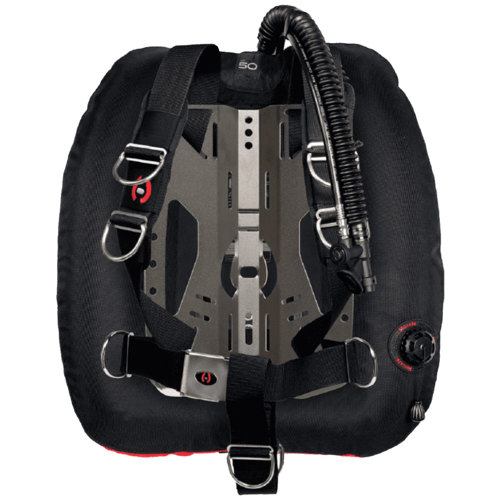
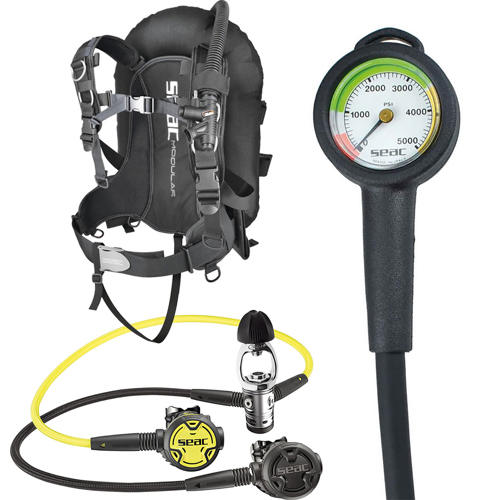
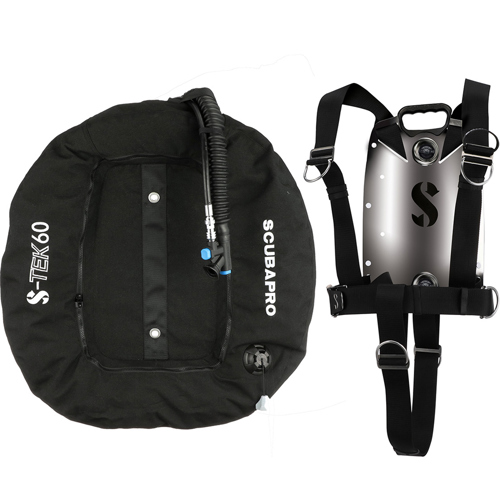
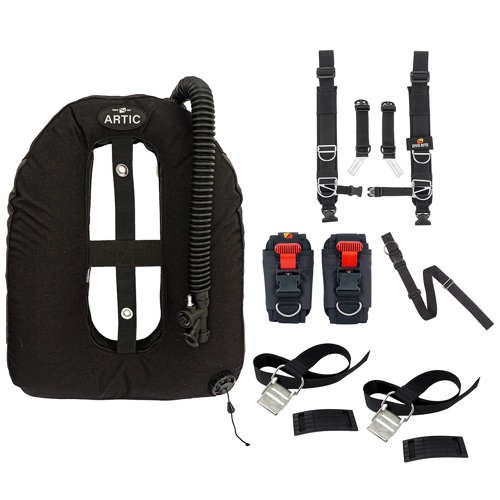
Durability is a hallmark of quality bladder wings, with most models constructed from tough materials like 1,000-denier Cordura for the outer shell and urethane-laminated nylon for the inner bladder. These materials resist abrasion from rocks, wrecks, and the occasional brush with a barnacle-encrusted ladder, ensuring your wing stands up to years of adventure. The modular nature of bladder wings is another major advantage, allowing divers to customize their setup with different backplates, harnesses, and accessories to suit their needs and preferences. This flexibility makes bladder wings a thoughtful gift for experienced divers who are looking to upgrade their kit or for those who are transitioning into technical or advanced recreational diving. As you browse through the curated selection of bladder wings, consider how these systems can be paired with a range of backplate and harness options, many of which you can explore further on our dedicated page for
Backplate Wings. Whether you’re gifting a seasoned diver or investing in your own underwater journey, a bladder wing is a versatile, reliable choice that enhances safety, comfort, and performance in the water.