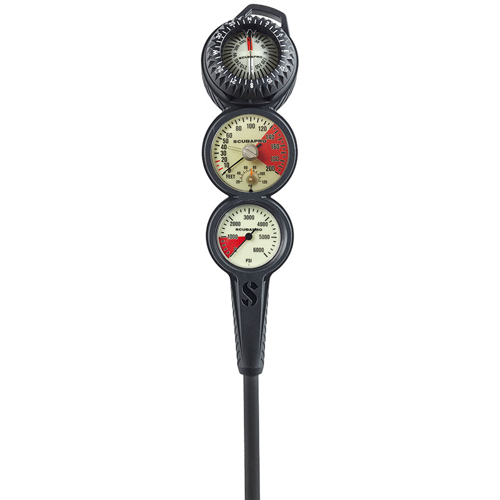
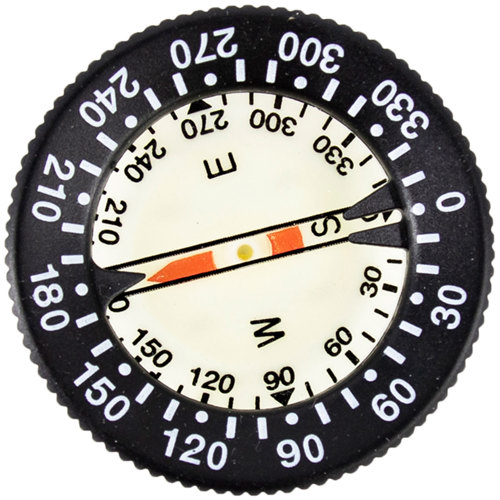
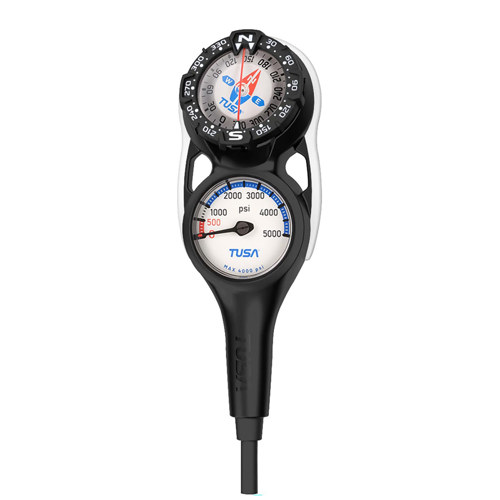
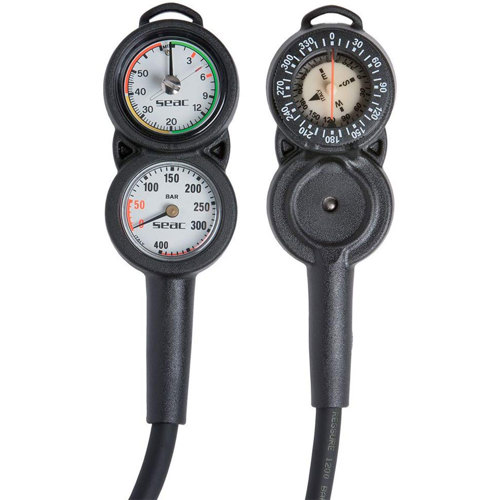
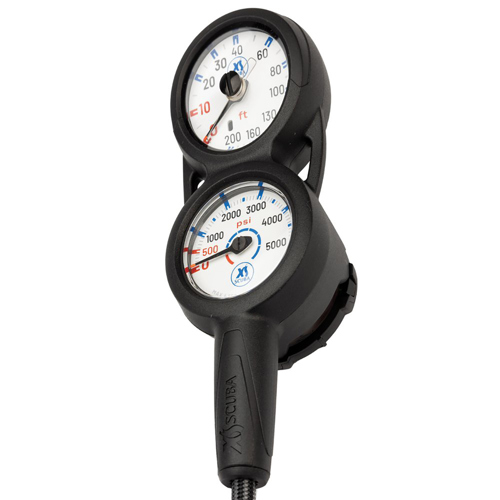
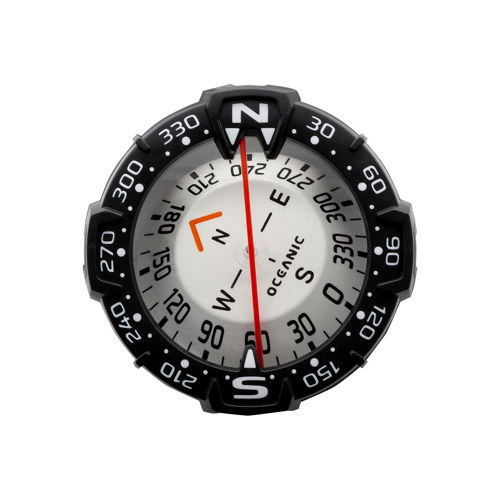
Whether you’re planning a summer of coastal exploration, embarking on a backcountry trek, or gearing up for underwater adventures, the analog compass remains an essential tool for reliable navigation. Unlike digital devices that depend on batteries or satellite signals, an analog compass—sometimes called an analogue compass—relies solely on the Earth’s magnetic field, making it a steadfast companion in any environment. Outdoor enthusiasts, from seasoned hikers to weekend snorkelers, appreciate the analog compass for its durability and simplicity. During the warmer months, many find themselves venturing further off the beaten path, whether it’s along remote hiking trails, paddling across lakes, or navigating unfamiliar dive sites. An analog compass is invaluable in these situations, providing unerring direction when GPS signals fade or electronic devices fail. For those interested in orienteering, survival training, or wilderness scouting, a quality analog compass is more than just a backup—it’s a primary navigation device that offers peace of mind and a tangible connection to the natural world. Many models feature baseplates with map scales, sighting mirrors for precise bearings, and clinometers for measuring slope angles, making them versatile for both land and underwater use. Some advanced compasses include global needles, allowing accurate readings no matter where your travels take you, while declination adjustment ensures pinpoint accuracy when navigating by map.
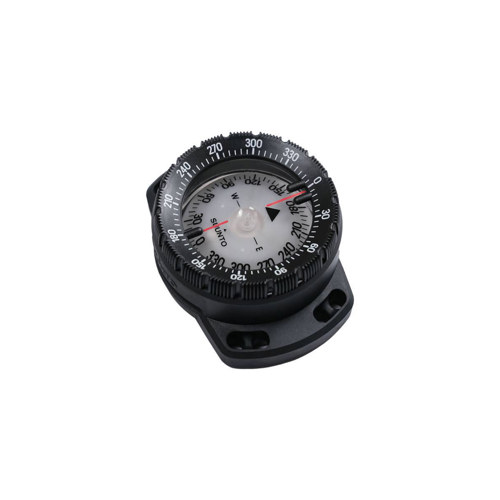
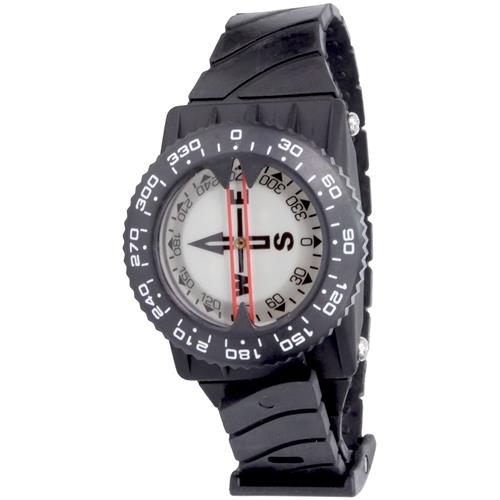
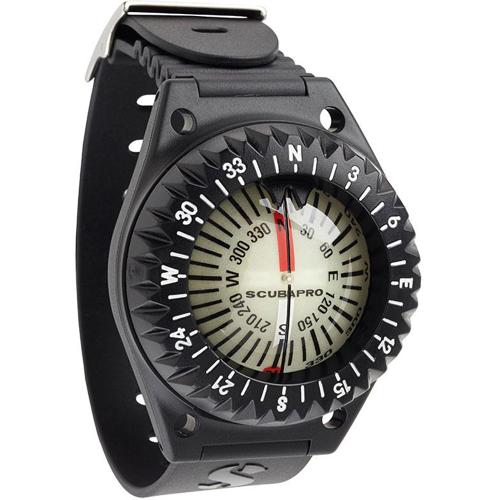
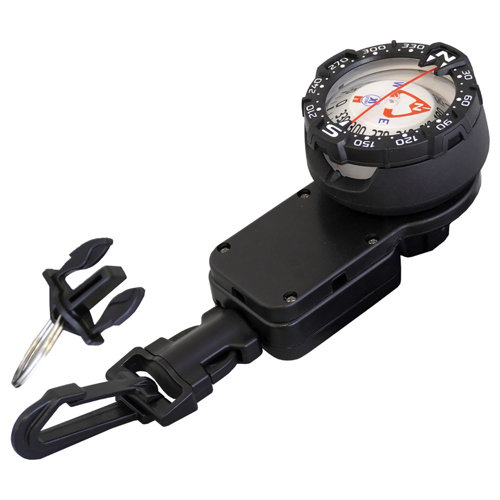
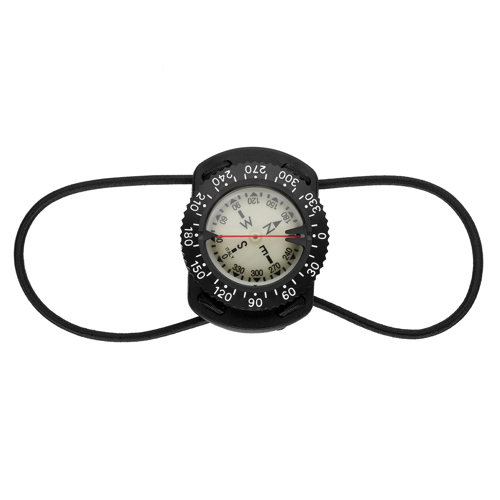
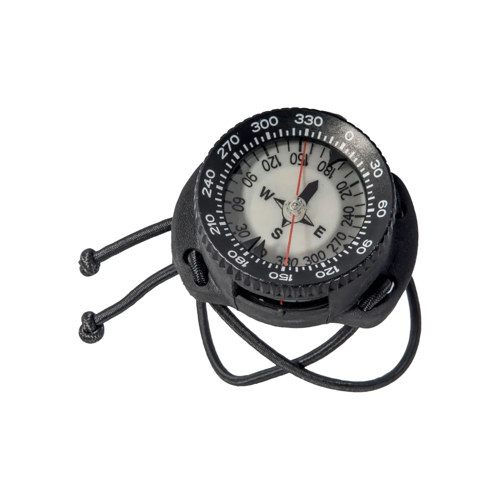
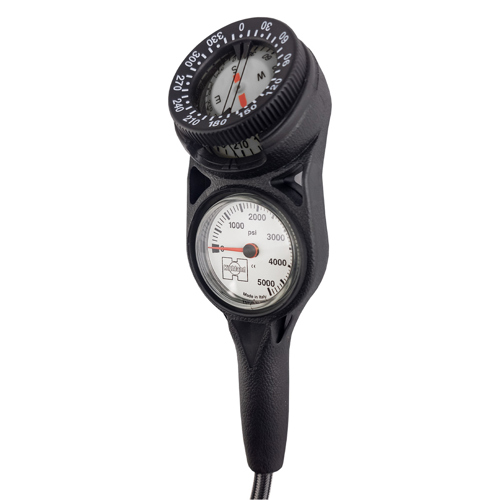
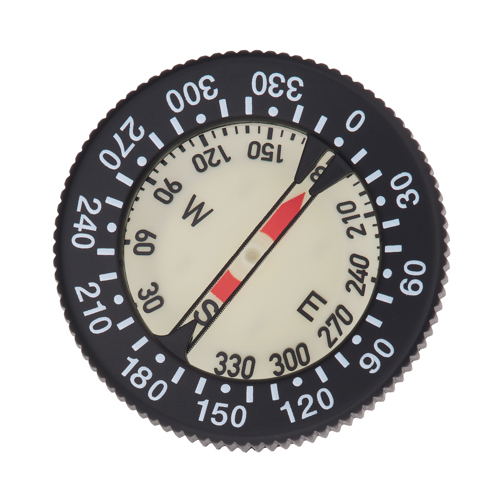
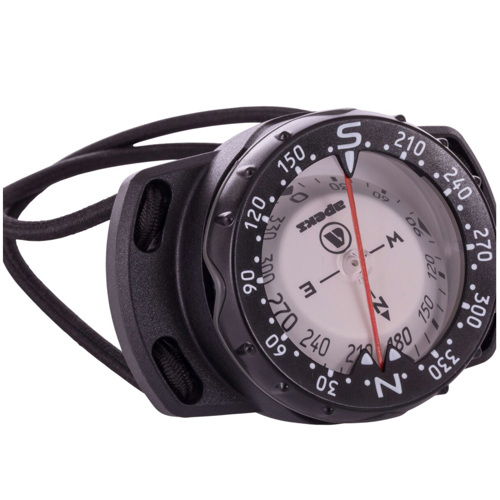
Analog compasses also make thoughtful gifts for a wide range of adventurers. They’re ideal for new scouts learning the basics of navigation, experienced hikers refining their skills, or divers seeking a reliable scuba navigation device. As the seasons shift from early summer to the crisp days of fall, gifting an analog compass can inspire new journeys and foster self-reliance in the outdoors. Many divers, for example, rely on wrist-mounted compasses to maintain bearings and ensure safe ascents during underwater excursions, especially in low-visibility conditions. Compact button compasses are popular among backpackers and campers for their portability, easily clipped to a zipper or watchband for quick reference. Whether you’re charting a course through dense forests, aligning with distant peaks, or navigating coral reefs, the tactile feedback and immediate response of a well-calibrated analog compass can make all the difference. For those who cherish time outdoors, the analog compass is a symbol of preparedness and adventure, bridging generations of explorers who have trusted the simple, magnetic needle to guide them home. For more information on the types and uses of these essential tools, or to compare features for your next adventure, visit our comprehensive guide on
Navigation Compasses.
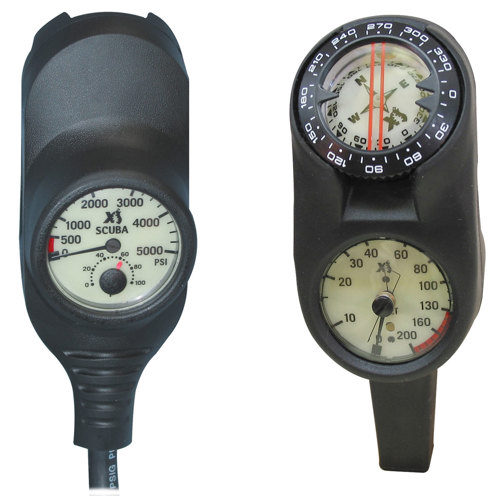
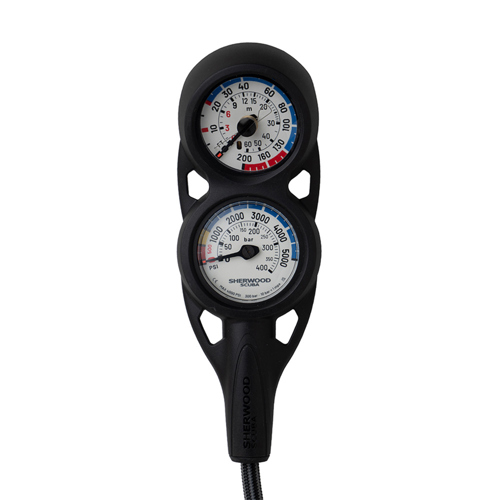
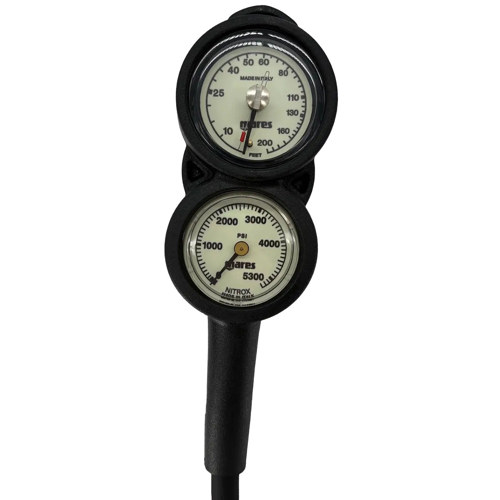
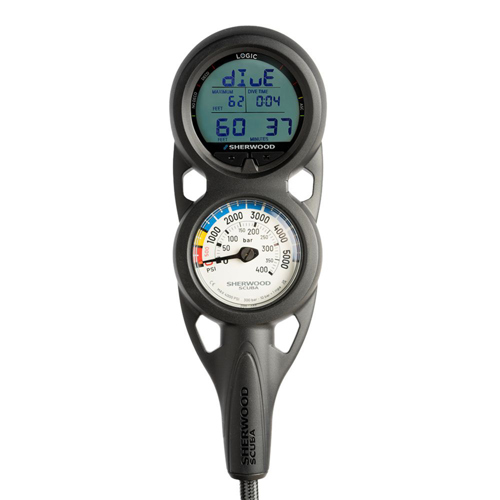
Selecting the right analog compass depends on your intended activities and personal preferences. Baseplate compasses are favored by those who frequently navigate with maps, thanks to their transparent design, integrated rulers, and rotating bezels that simplify route planning and orientation. Lensatic compasses, with their sighting wires and magnifying lenses, are prized for their precision in military, survival, and professional contexts where accurate bearings over long distances are crucial. For underwater explorers, a specialized scuba navigation device is designed to resist pressure and remain readable in low-light or murky conditions, often featuring luminous dials and robust housings. When choosing an analog compass, consider factors like ease of use, visibility in various lighting conditions, and whether you’ll need features such as a clinometer or global needle for international travel. No matter your level of experience or the environments you navigate, investing in a dependable analog compass ensures that you’re prepared for whatever the season brings—be it sun-dappled trails, misty forests, or the silent world beneath the waves.