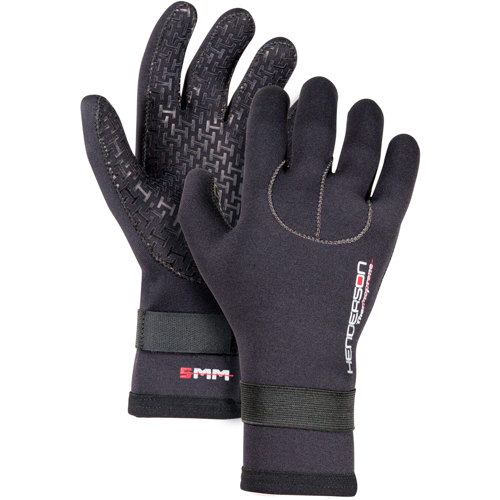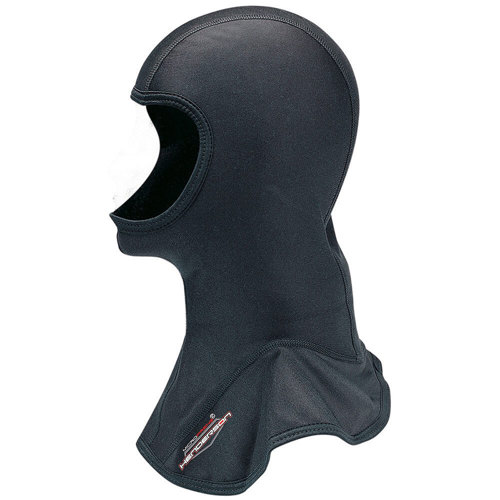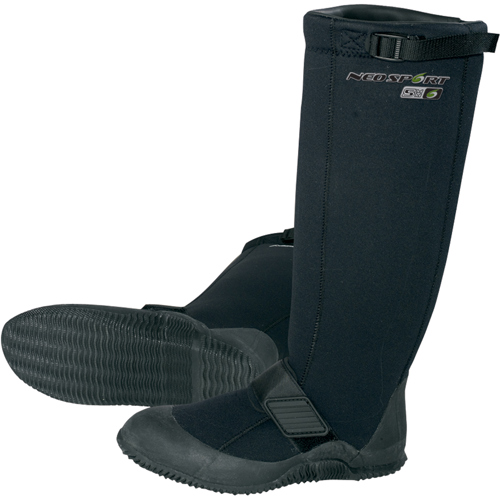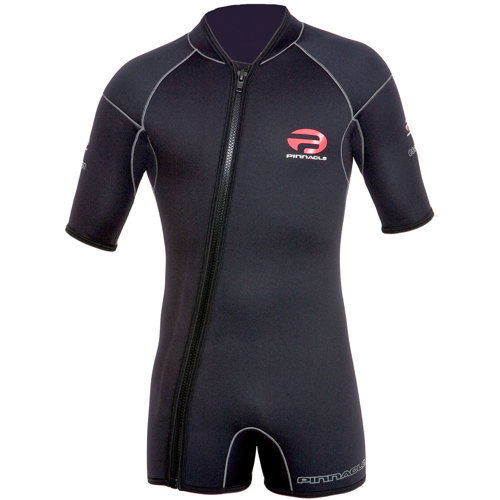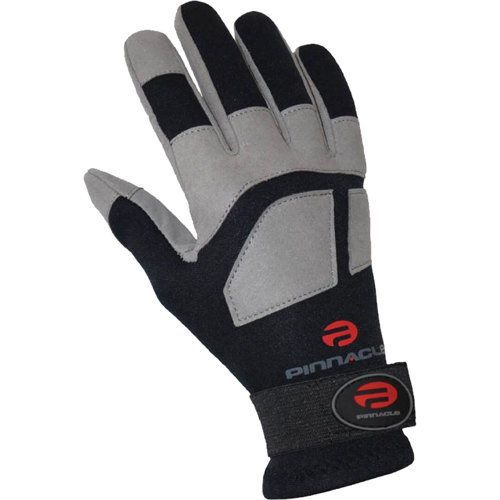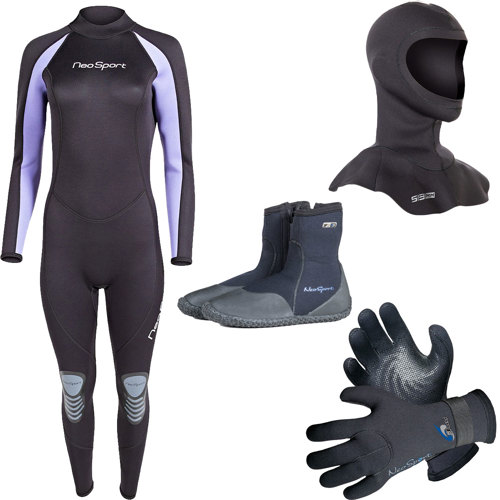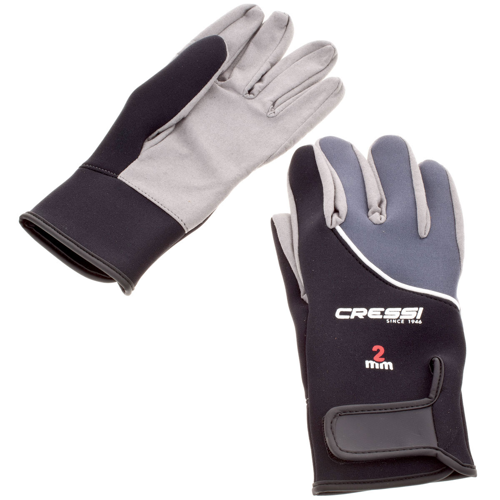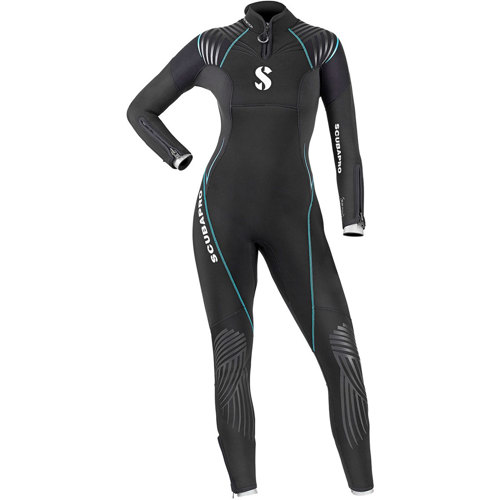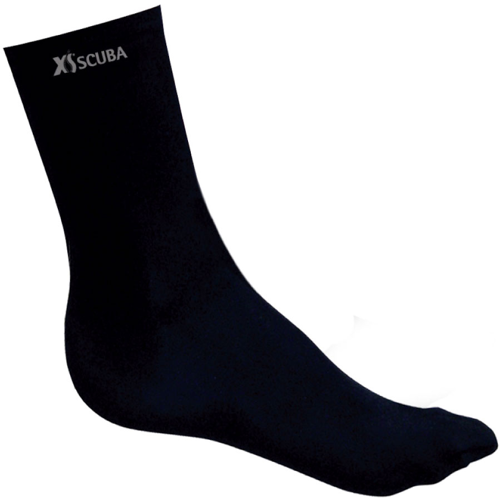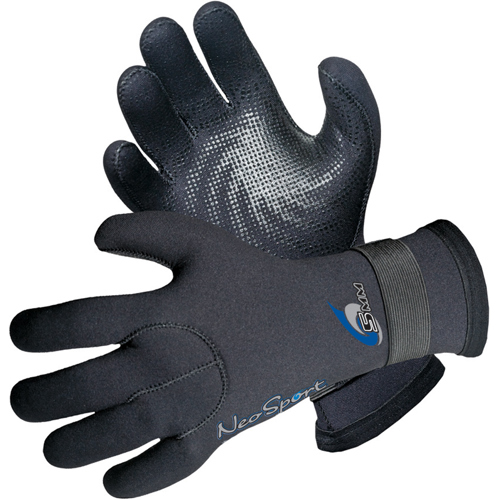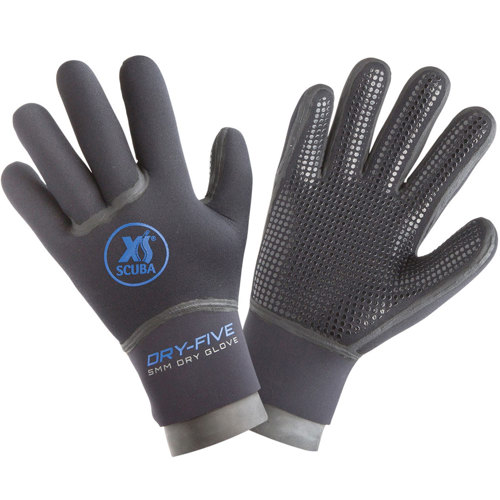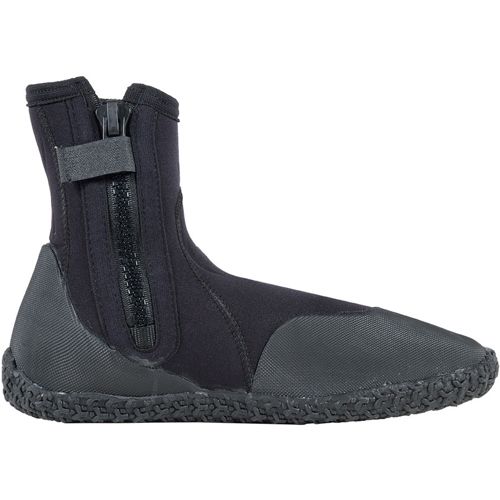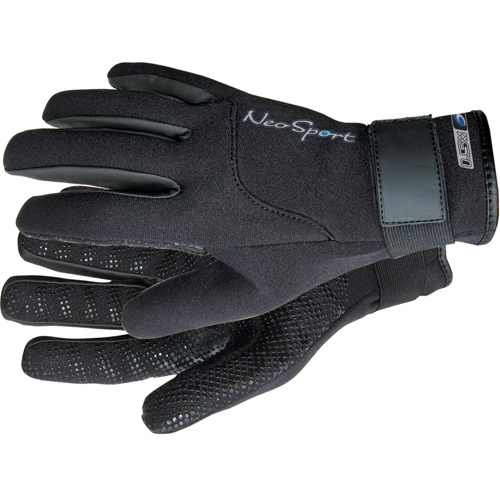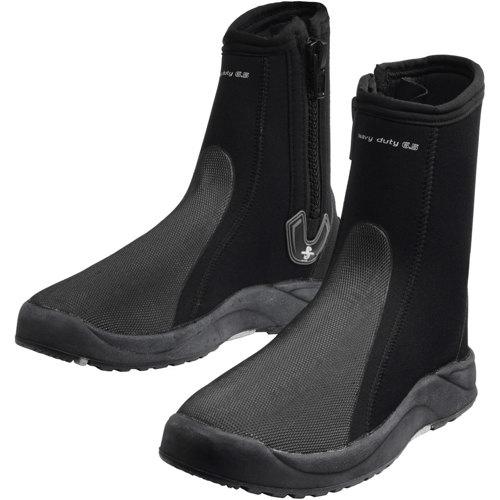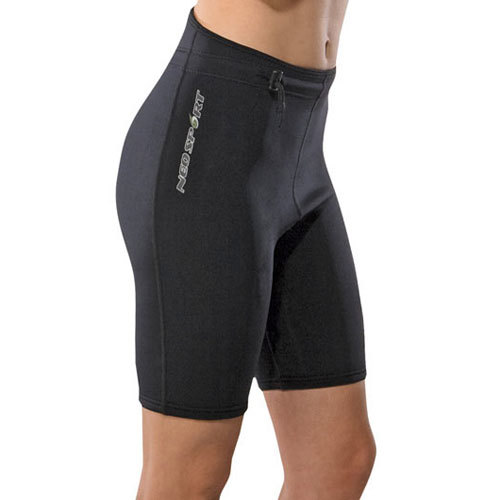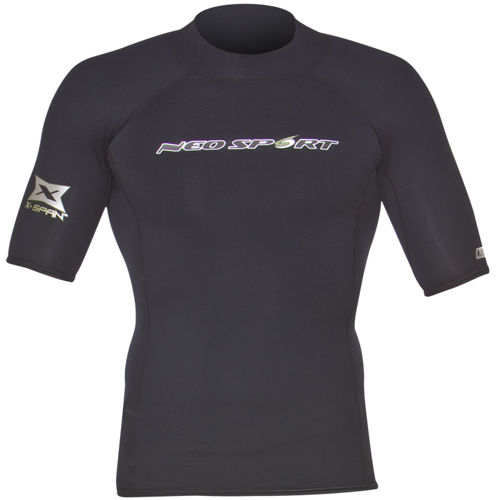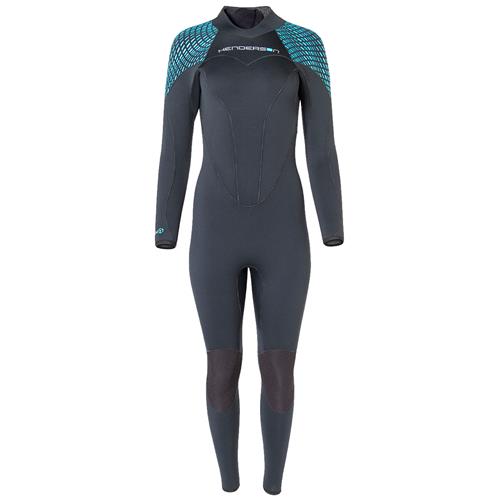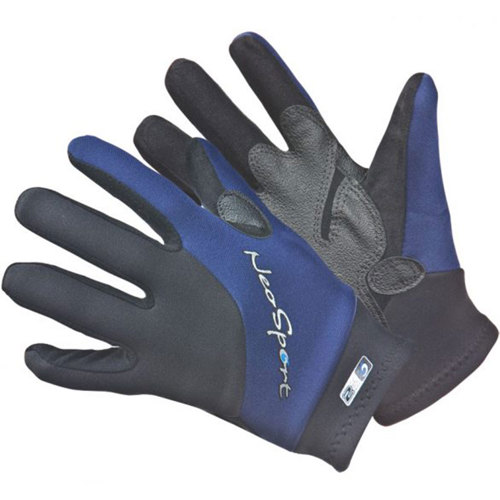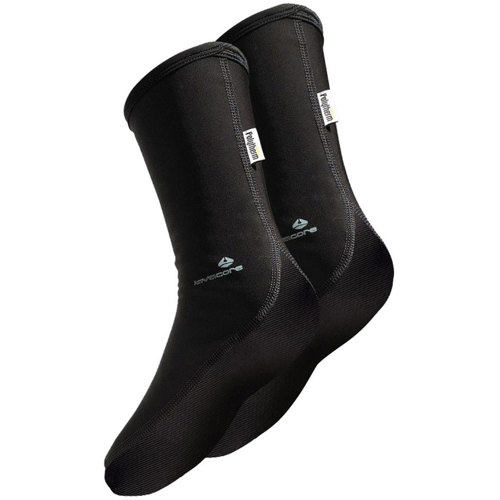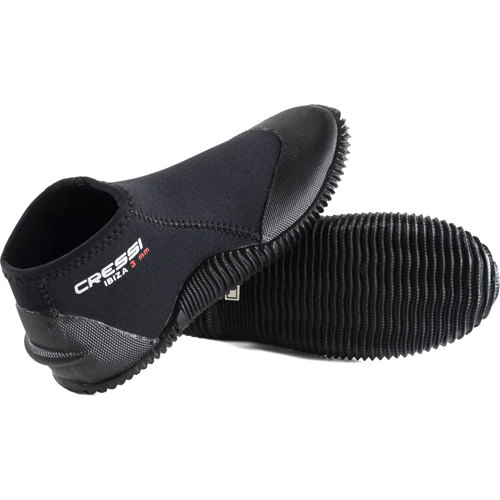
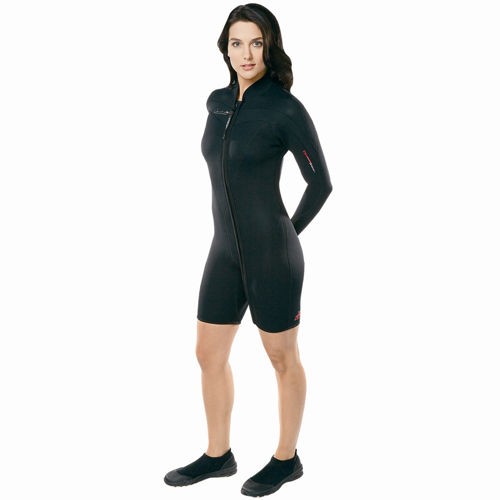
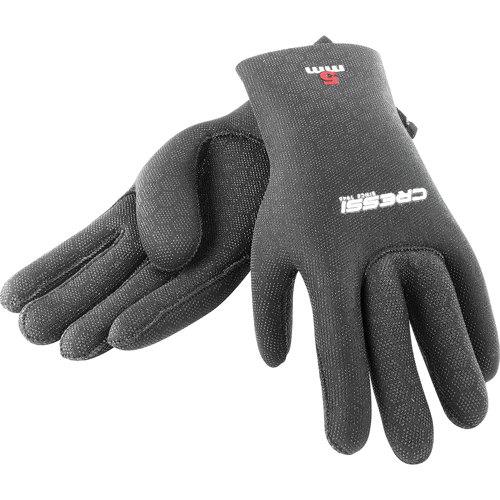
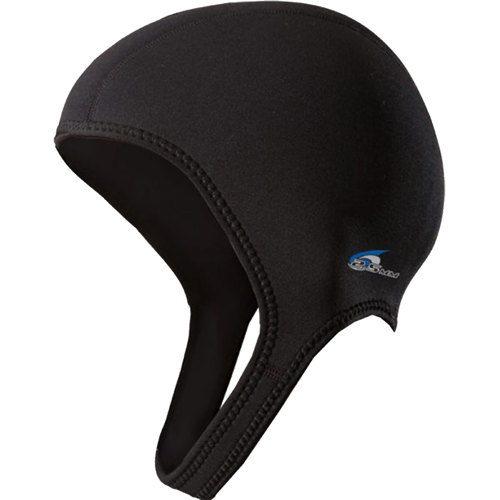
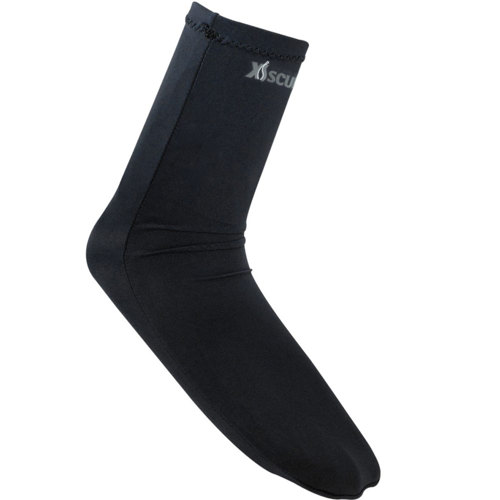
When it comes to diving, snorkeling, and underwater sports, abrasion protection is a key consideration for both personal safety and the longevity of your gear. The underwater environment is filled with surfaces that can cause wear and tear—coral reefs, rocky outcrops, shipwrecks, and even the abrasive sand and saltwater itself can all take a toll on both the diver and their equipment. Whether you’re exploring a sunken ship off the coast or navigating a kelp forest, the constant contact with rough surfaces makes abrasion-resistant materials a necessity. For divers, this means choosing wetsuits, gloves, hoods, and boots constructed from reinforced neoprene or other specialized fabrics designed to withstand friction and repeated contact. Industrial-grade coatings, double-layered panels at high-wear areas, and carefully placed linings all contribute to extending the service life of your gear and protecting you from scrapes, cuts, and stings. The benefits go beyond comfort—well-chosen abrasion protection helps reduce maintenance costs, prevents premature equipment failure, and keeps you focused on the adventure rather than worrying about potential hazards.
March brings the beginning of spring in many regions, and with it, the anticipation of longer dive seasons and more frequent underwater excursions. As the water warms and conditions improve, more divers and snorkelers return to their favorite sites, often bringing new or upgraded equipment to match the changing environment. This is also the time when many consider gifting gear to friends or family members who are passionate about underwater exploration. Abrasion protection products make thoughtful and practical gifts, especially for those who frequent rugged dive sites or participate in activities like wreck diving, spearfishing, or underwater photography, where close contact with abrasive surfaces is common. Those working in marine research, underwater construction, or rescue operations also benefit from enhanced protection, as their daily routines expose them to high levels of wear and tear. For anyone who values durability and safety, investing in abrasion-resistant coatings, linings, and personal protective equipment is a smart move that pays dividends in both performance and peace of mind.
When selecting abrasion protection gear, it’s important to consider the specific challenges of your diving environment. Look for products that utilize advanced materials such as synthetic rubber, reinforced polymers, or industrial-grade coatings that create a hard, protective barrier against sliding contact and particulate matter. Features like double-stitched seams, extra padding at high-stress points, and protective sleeves for hoses and cables can make a significant difference, especially in environments where rough surfaces or sharp edges are unavoidable. For those who demand the highest level of protection, exploring options like high-modulus polyethylene (HMPE) fiber sleeves or silicone-coated accessories can provide added confidence during demanding dives. If you’re interested in extending this level of protection to your buoyancy compensator device (BCD), visit our dedicated page for
Abrasion Resistant Bcds to find options designed to withstand even the harshest underwater conditions. With the right abrasion protection, you’re free to immerse yourself in the underwater world, secure in the knowledge that both you and your gear are well-defended against whatever the ocean has in store.