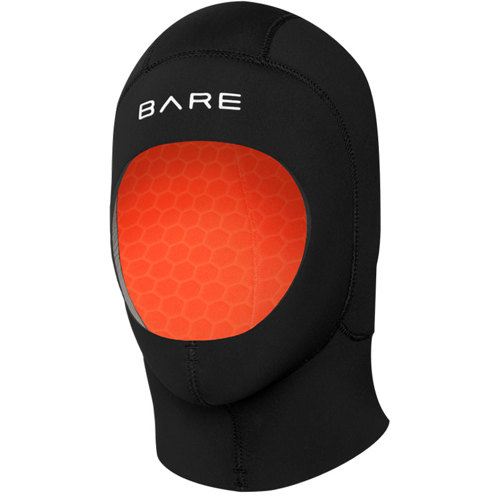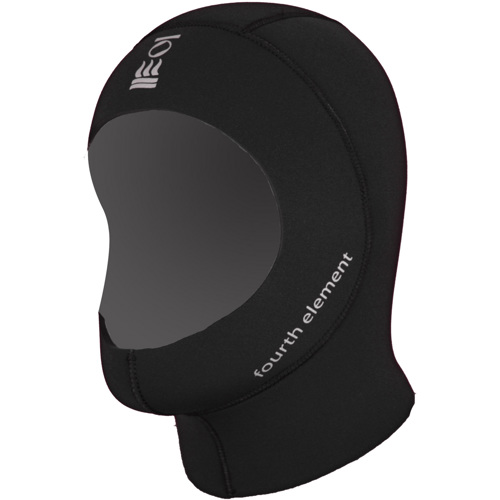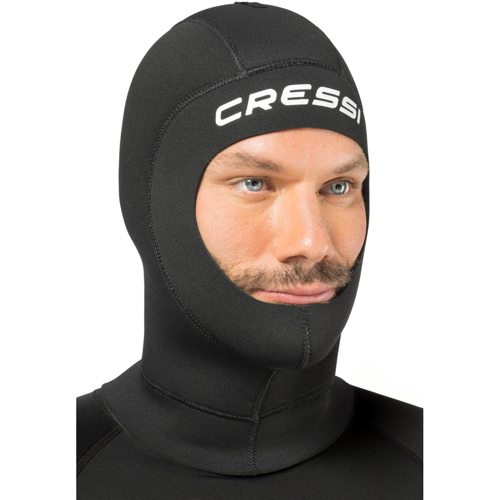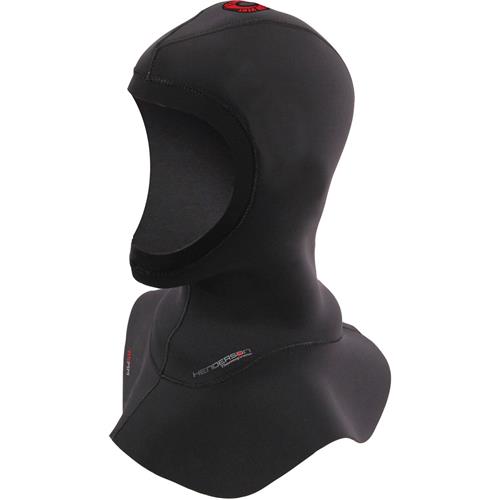
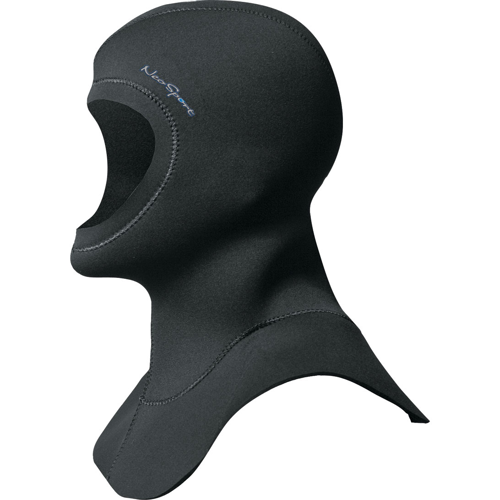
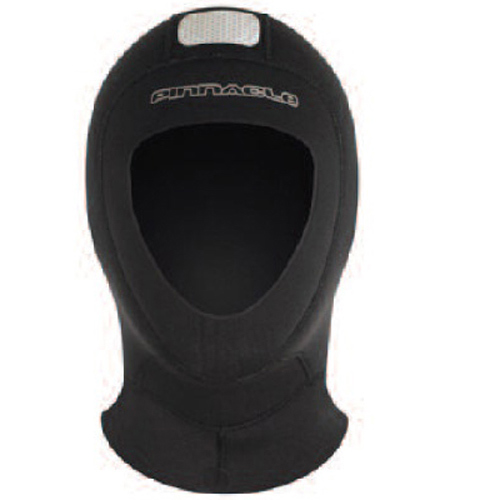
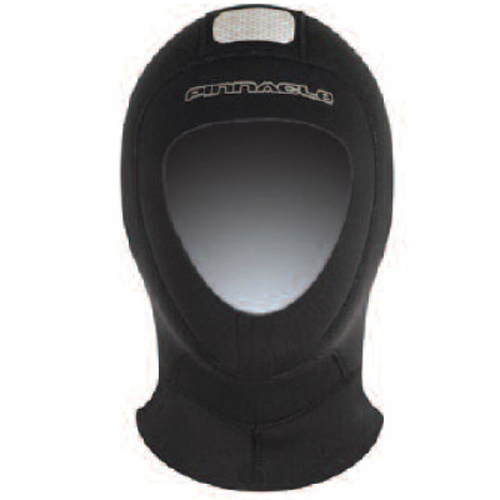
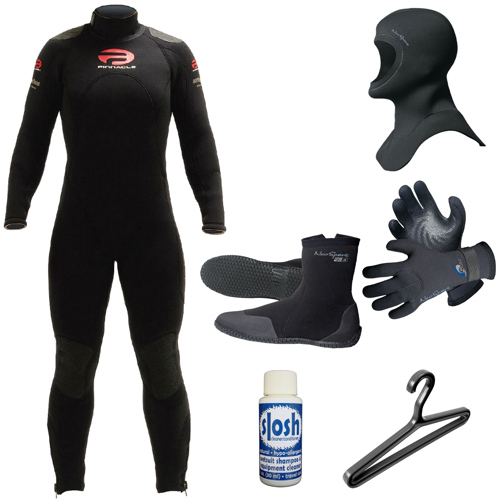
When the water temperatures dip into the low 50s and below, a 7mm dive hood becomes an essential part of your cold-water diving ensemble. For divers venturing into the brisk currents of early spring or the icy embrace of northern lakes and coastal waters, the right hood can make all the difference between an exhilarating underwater adventure and a short, uncomfortable plunge. The thick neoprene of a 7mm wetsuit hood provides a crucial barrier, locking in warmth and shielding your most heat-sensitive areas—your head, ears, and neck—from the numbing chill. As the seasons shift and the air above may tease with hints of warmth, the water below often lags behind, holding onto winter’s cold. This is when the best diving hood earns its keep, ensuring you can focus on the beauty of kelp forests, the curiosity of harbor seals, or the mystery of a sunken wreck, rather than the biting cold.
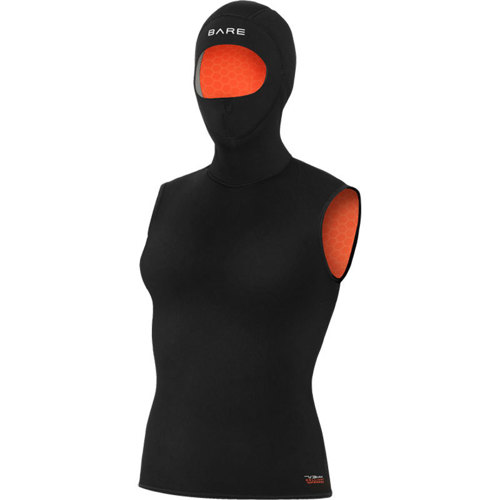
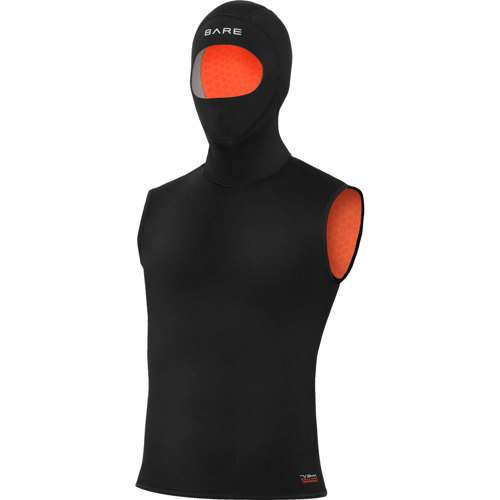
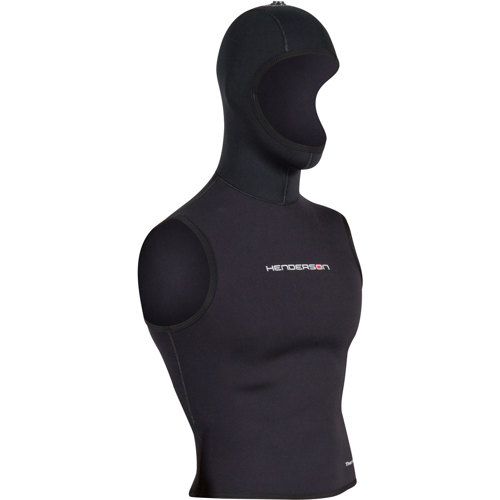
Selecting the right 7mm dive hood is about more than just thickness. Fit is paramount; a hood should hug your contours without squeezing, allowing you to turn your head comfortably while forming a snug seal to keep cold water out. Features like smooth-skin face seals, extended bibs for tucking into a wetsuit for freezing water, and venting systems to prevent trapped air bubbles all contribute to comfort and performance. Divers who regularly explore colder climates—whether it’s the Pacific Northwest, the Great Lakes, or alpine lakes thawing after winter—know that a well-chosen hood is as important as any other piece of exposure protection. Even snorkelers and freedivers braving chilly conditions can benefit from the warmth a 7mm wetsuit hood provides, extending their time in the water and enhancing safety. For those who have friends or family members passionate about diving year-round, a high-quality hood can be a thoughtful and practical gift, especially as the promise of spring signals the start of a new diving season but the water remains stubbornly cold.
Diving hoods are not one-size-fits-all, and finding the right balance of warmth, flexibility, and fit can take a bit of trial and error. Some divers may find that a 7mm hood is perfect for their local waters in March and April, while others who are especially sensitive to the cold or diving even chillier sites might opt for layering with additional thermal caps or switching to a drysuit-compatible hood. For those who find 7mm a bit too thick for their needs, or who want to add options to their gear bag for shoulder-season dives, it’s worth exploring alternatives like the
6 Mm Diving Hoods collection, which offers a slightly thinner profile without sacrificing too much warmth. Ultimately, the right hood lets you greet the underwater world with confidence, whether you’re descending into a kelp cathedral, drifting along a reef, or simply enjoying the meditative quiet beneath the waves. With the right gear, the chill of early spring becomes just another part of the adventure, not a barrier to it.