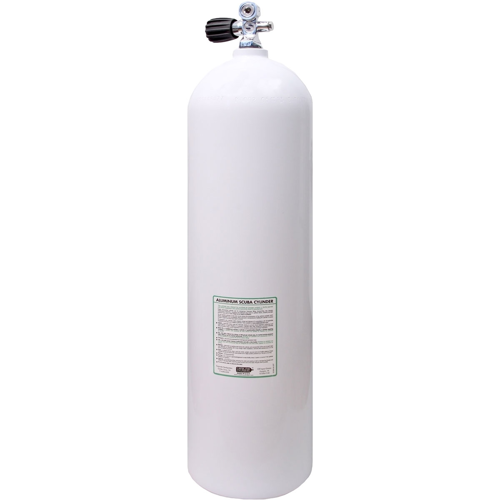
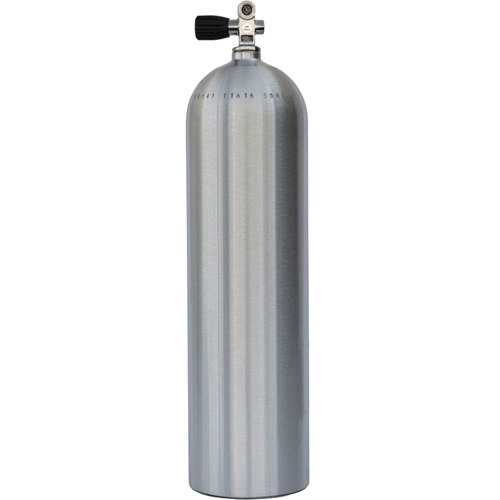
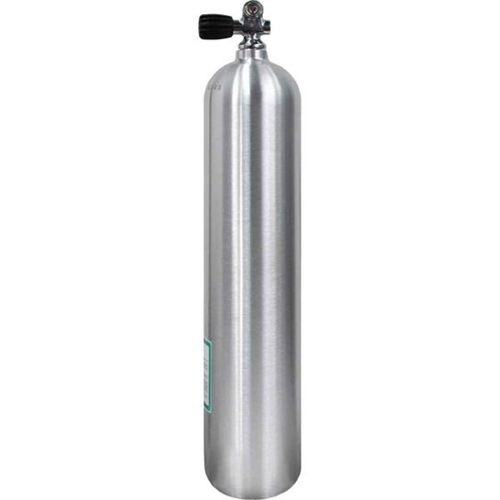
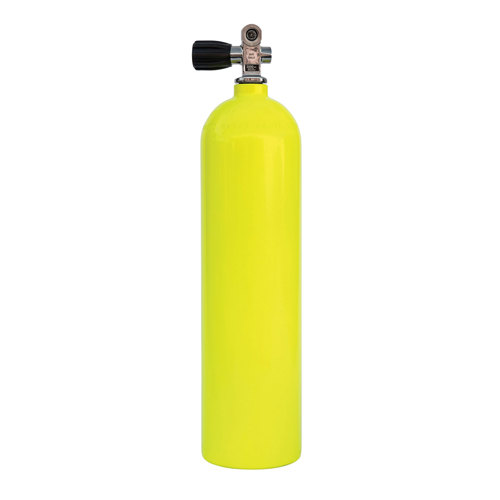
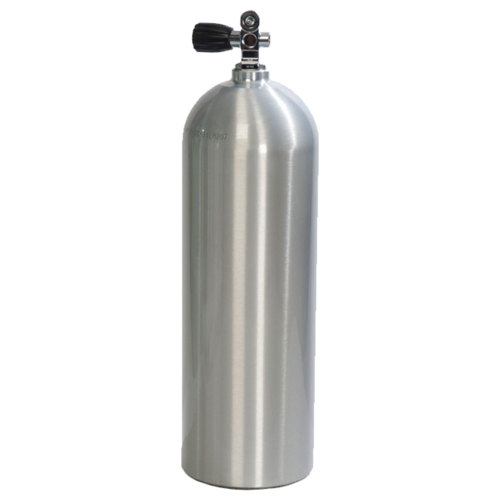
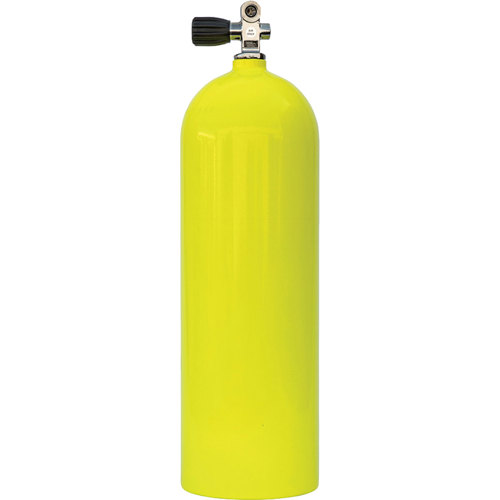
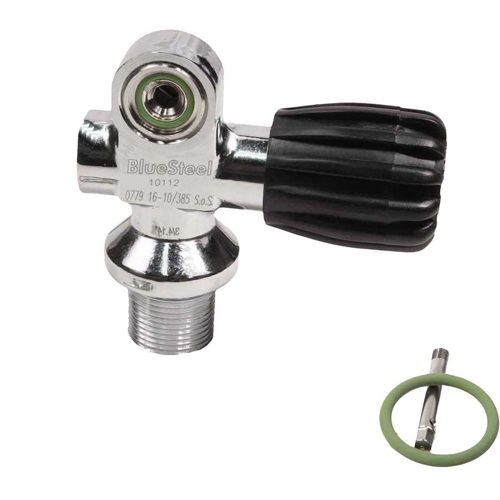
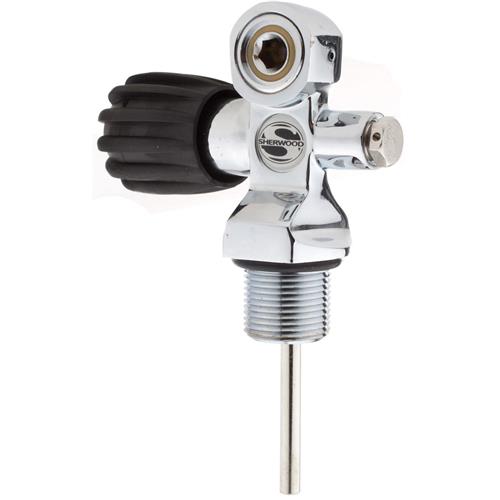
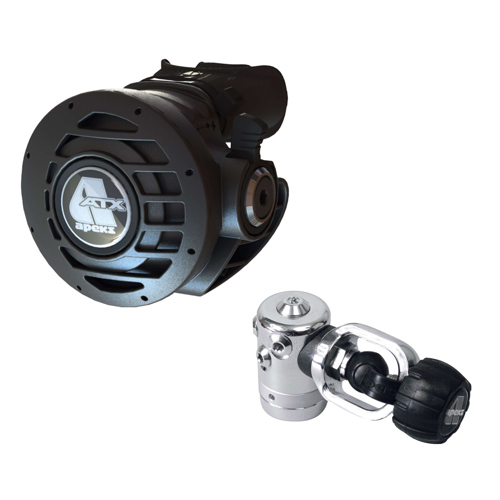
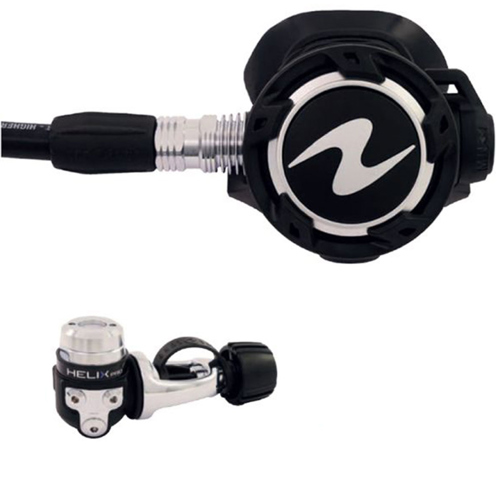
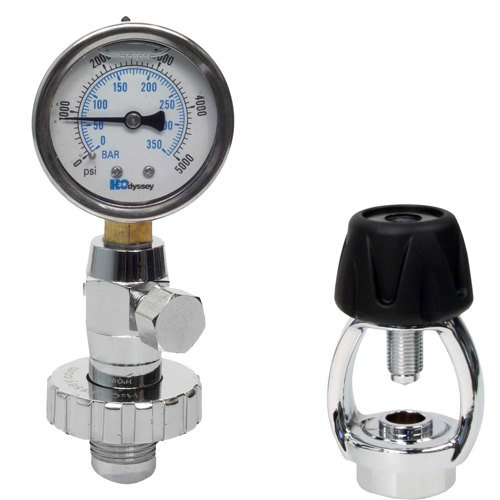
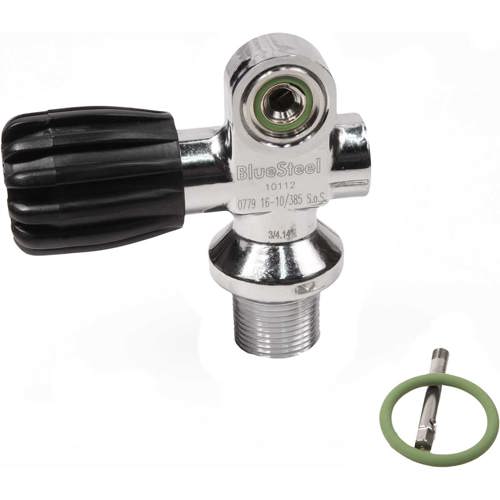
Yoke tanks hold a special place in the world of scuba diving, cherished for their simplicity, reliability, and universal compatibility. The yoke connection—sometimes called an A-clamp—has long been the standard for recreational divers across the globe, making the yoke scuba tank a familiar sight at dive shops, resorts, and training centers from the Caribbean to Southeast Asia. The hallmark of the yoke tank lies in its intuitive design: a robust metal yoke brace wraps over the tank valve, secured by a hand-tightened screw, pressing an O-ring into place to create a reliable seal. This straightforward setup is a boon for new divers and seasoned travelers alike, as it allows for quick, tool-free assembly even in unpredictable conditions, whether you're gearing up on a bustling dive boat or prepping your kit on a sun-soaked beach. With most yoke tanks rated for pressures up to 200 bar (about 3,350 PSI), they provide ample air supply for the majority of recreational dives, making them an ideal choice for those exploring coral reefs, kelp forests, or shipwrecks within recreational depth limits.
As winter gives way to early spring, many divers begin planning their next underwater adventure, whether it's a tropical getaway or local quarry exploration. For those considering a yoke tank purchase, there are several factors worth weighing. First and foremost is compatibility: the yoke system remains the most common regulator connection worldwide, especially for rentals and instructional use, so owning a scuba tank yoke ensures you'll have an easy time finding matching equipment wherever you travel. This makes yoke diving particularly appealing for globetrotters and those who value flexibility in their gear. Maintenance is refreshingly straightforward—just a quick visual check of the O-ring before each dive, a habit that soon becomes second nature. The accessibility and affordability of yoke tanks also make them a thoughtful gift for new divers or family members just starting their underwater journey, offering both peace of mind and ease of use. Picture the joy of a newly certified diver receiving their first yoke tank, eager to test it out on a spring break dive trip, confident in the knowledge that their gear is as user-friendly as it is reliable.
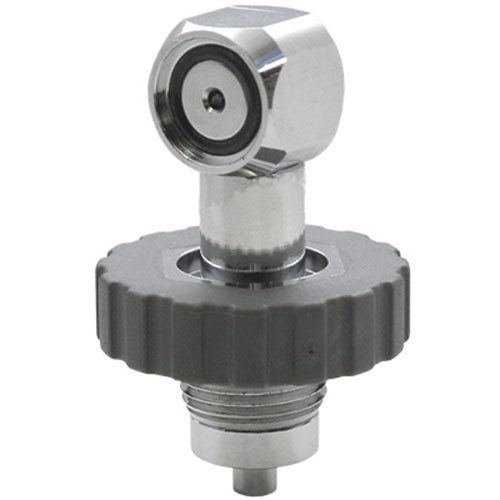
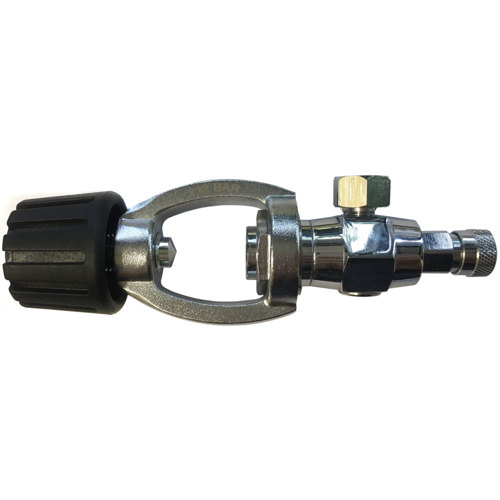
While yoke tanks are engineered for convenience, it’s important to consider your diving style and future aspirations. Technical divers or those seeking higher-pressure cylinders may eventually transition to DIN systems, but the vast majority of recreational divers find that a yoke scuba tank meets all their needs. Adaptors are readily available for those who want to keep their options open, allowing DIN regulators to fit yoke tanks or vice versa, ensuring that your investment remains versatile as your experience grows. If you’re interested in learning more about the different types of valves available, including how they impact your diving experience and equipment choices, you can explore our dedicated page on
Yoke Valves. Whether you’re assembling your first dive kit or upgrading your existing setup, yoke tanks offer a dependable foundation for countless underwater adventures, embodying the spirit of exploration and ease that draws so many to scuba diving in the first place.