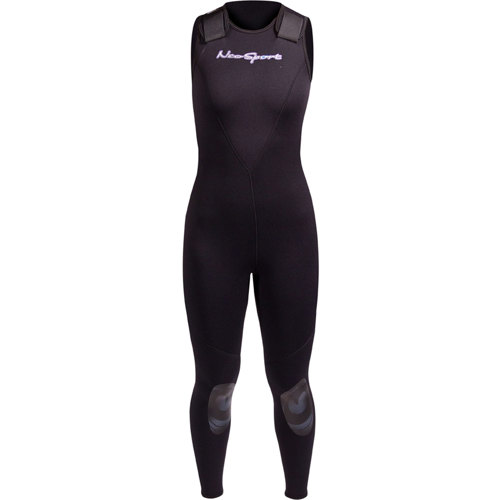
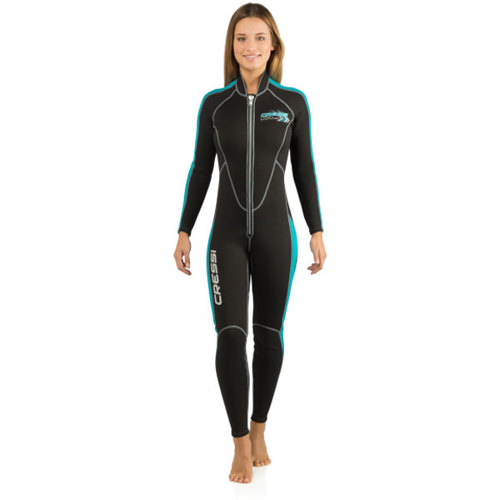
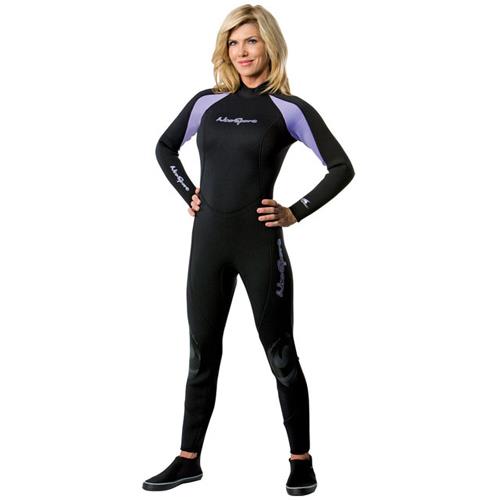
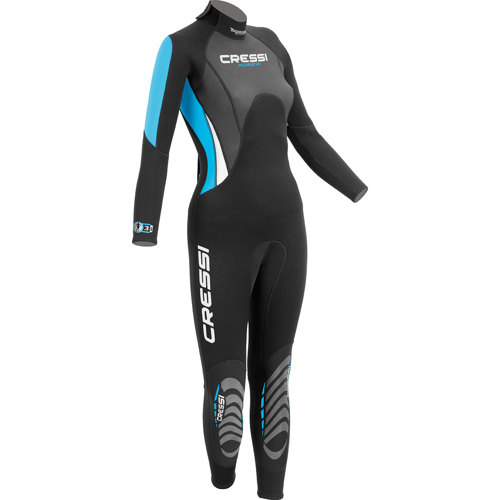
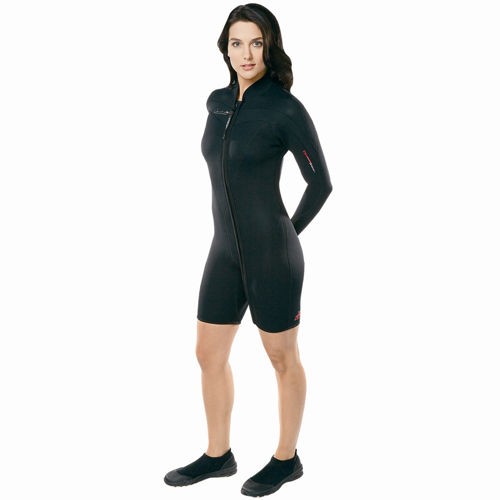
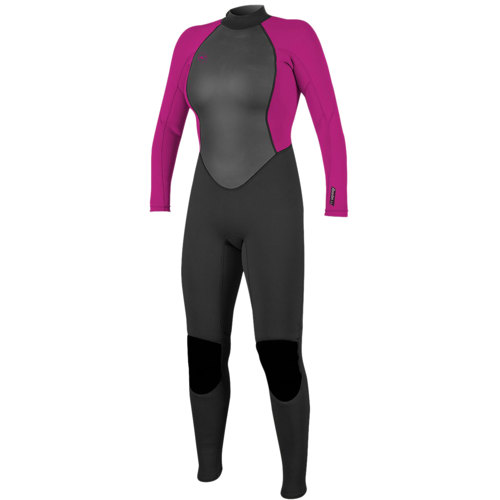
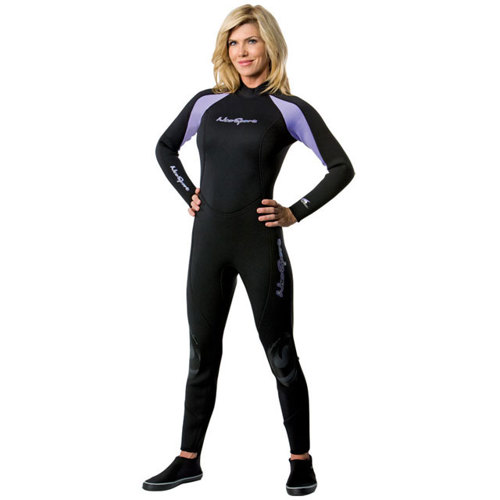
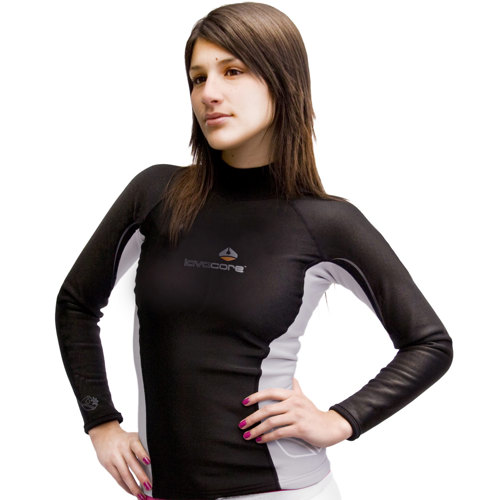
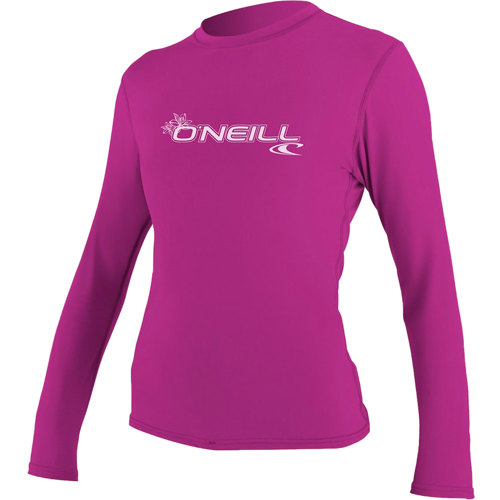
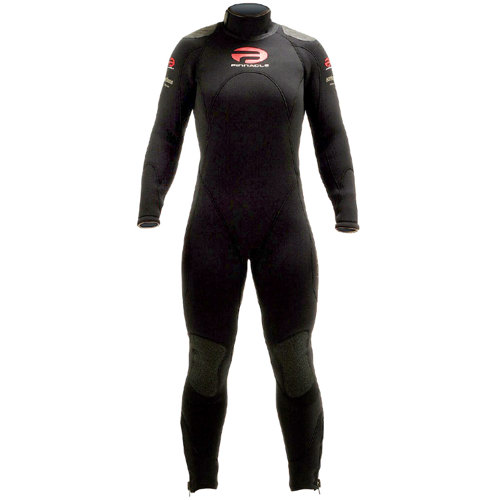
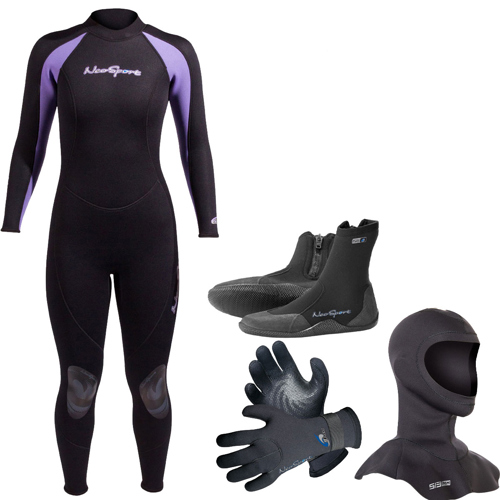
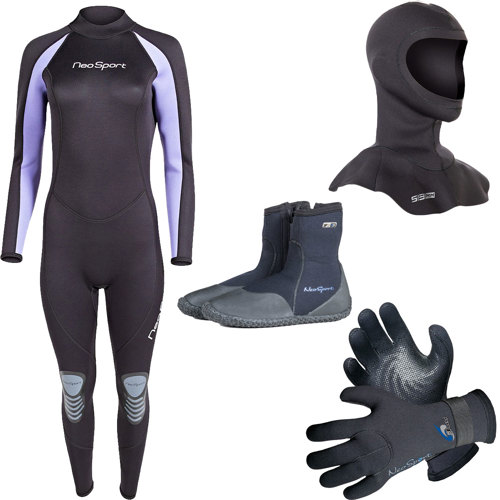
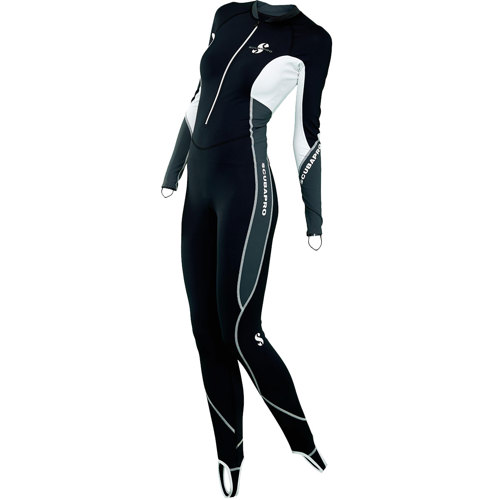
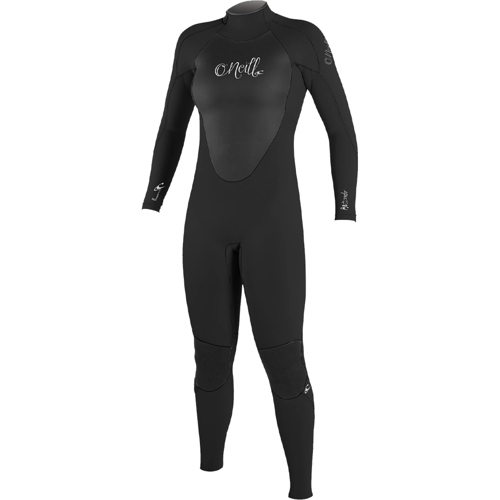
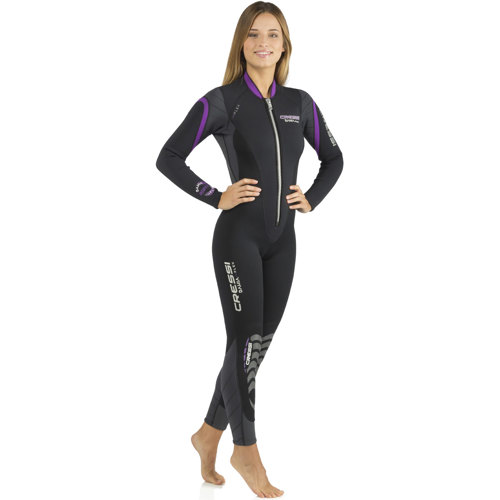
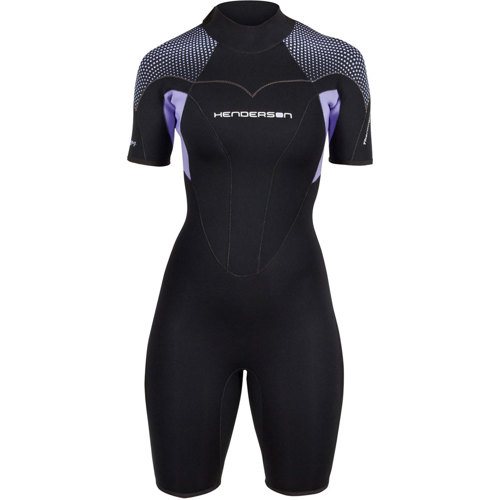
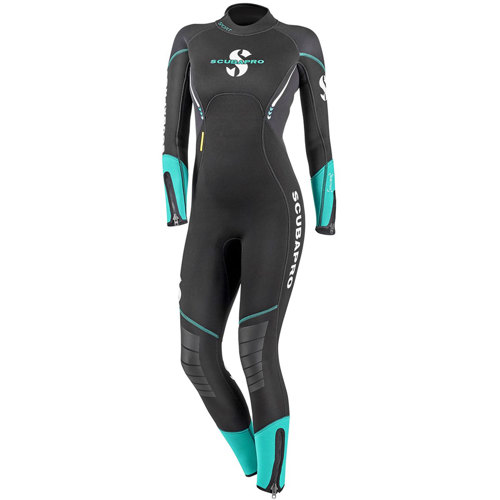
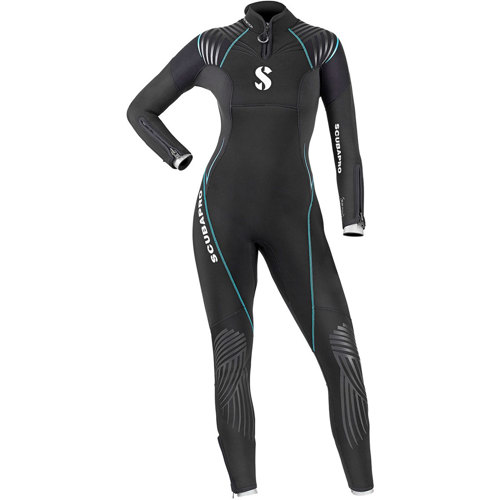
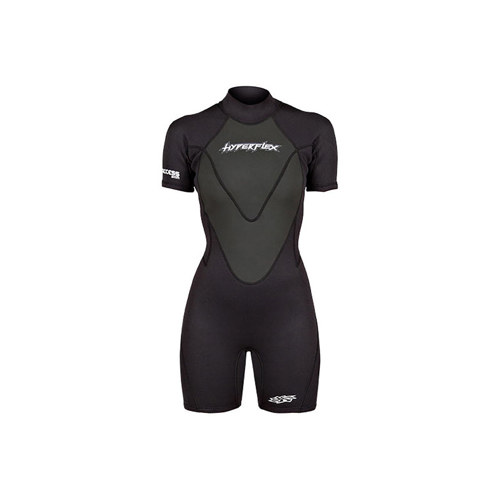
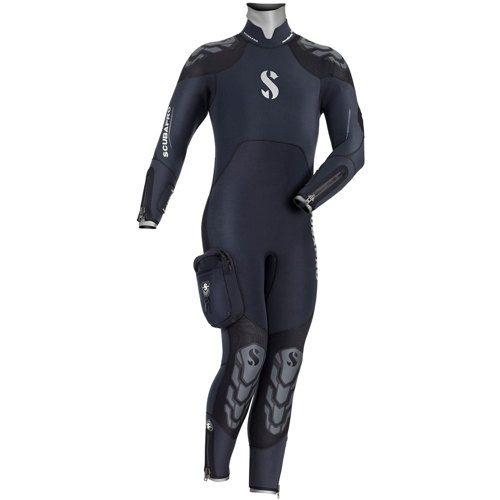
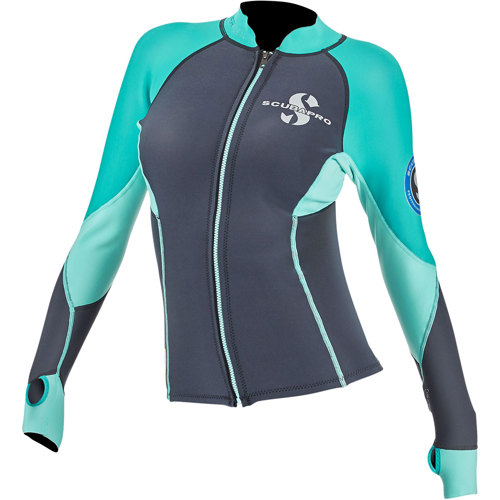
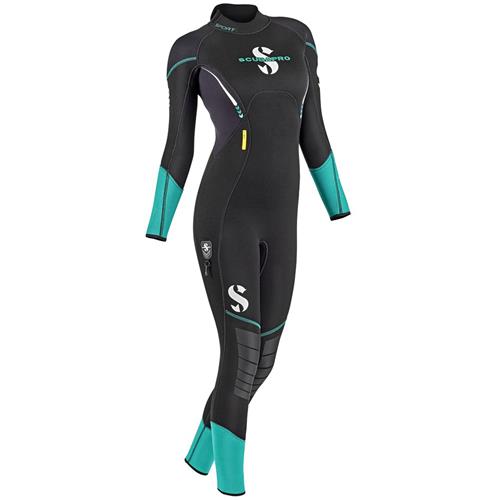
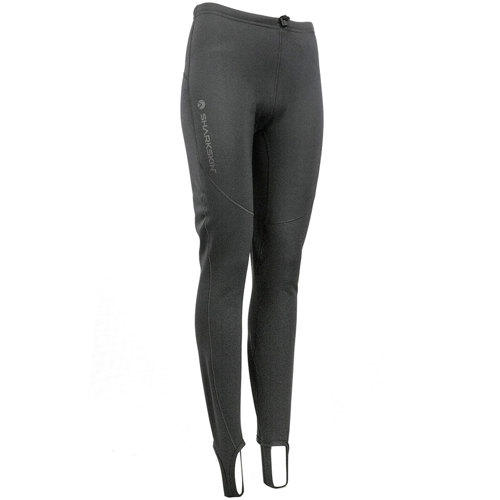
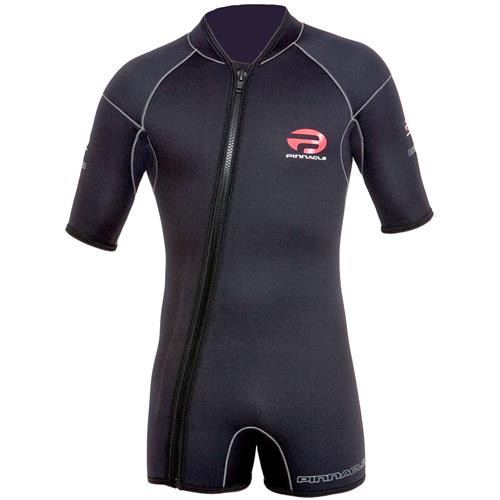
Preparing for open water certification is an exciting step for any woman looking to explore the underwater world, whether you’re taking your very first breaths beneath the surface or returning to the water after some time away. The right gear can make all the difference in comfort, safety, and confidence as you master new skills. Women’s gear for open water certification is thoughtfully designed to accommodate diverse body shapes and sizes, ensuring a secure yet comfortable fit that allows you to focus on the experience rather than distractions from ill-fitting equipment. For many, the journey begins with selecting a wetsuit tailored to the female form—one that provides the right balance of warmth and flexibility for the season. In January, when water temperatures tend to be cooler, a full-length wetsuit in a thicker neoprene (such as 5mm) can help retain body heat during those first extended sessions in open water, while features like contoured seams and adjustable neck closures minimize water flushing and chafing. If you want to learn more about choosing the right wetsuit for your needs, visit our comprehensive guide on
Womens Wetsuits For Open Water Certification.
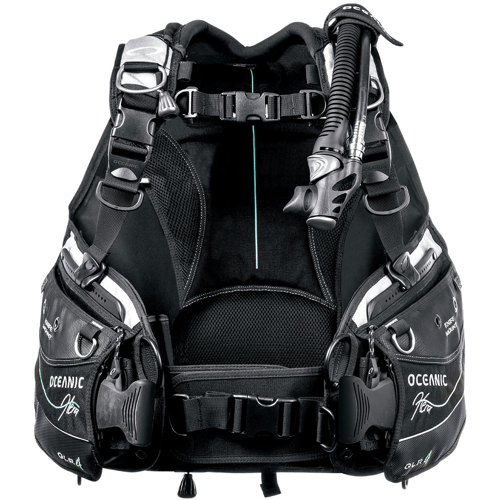
Beyond exposure protection, personal comfort and safety are paramount when assembling your gear for open water certification. Masks, snorkels, and fins are the “big three” essentials, and investing in well-fitting options early on pays off with every dive. Women’s masks often feature narrower skirts and softer silicone to achieve a leak-free seal, while snorkels with ergonomic mouthpieces reduce jaw fatigue during surface skills. Fins paired with neoprene boots provide both power and warmth—especially appreciated during winter training when the chill can sneak in through unprotected toes. For those entering colder waters, accessories like hoods and gloves add critical thermal protection, ensuring that numb fingers or ears don’t distract from learning buoyancy control or underwater navigation. Many women find that female-specific buoyancy control devices (BCDs) offer a more natural fit, with harnesses and waistbands that sit higher and avoid riding up, plus integrated weight systems for streamlined body positioning. Regulators designed with smaller mouthpieces and lighter hoses can also reduce jaw strain, particularly for petite divers or those prone to fatigue.
Safety is always at the forefront, so visibility tools such as brightly colored swim caps, tow floats, and high-SPF reef-safe sunscreen are important additions—especially during group training sessions or surface intervals in open water. Dive computers can be invaluable for tracking depth, bottom time, and ascent rates as you develop your dive planning skills, while personal weights, though often rented at first, can help you achieve consistent buoyancy as you progress. After the dive, cozy towels, robes, or warm drinks become small luxuries that help stave off the post-dive chill, letting you reflect on new milestones with comfort. Women’s open water certification gear also makes a thoughtful and practical gift—perfect for daughters, partners, or friends embarking on their certification journey, or for seasoned divers refreshing their kit for a new season. Ultimately, the best gear is the one that fits you well, supports your learning, and inspires confidence every time you step into the water. Take the time to try on different styles, ask questions, and choose pieces that feel like an extension of yourself—because every great dive begins with the right preparation.