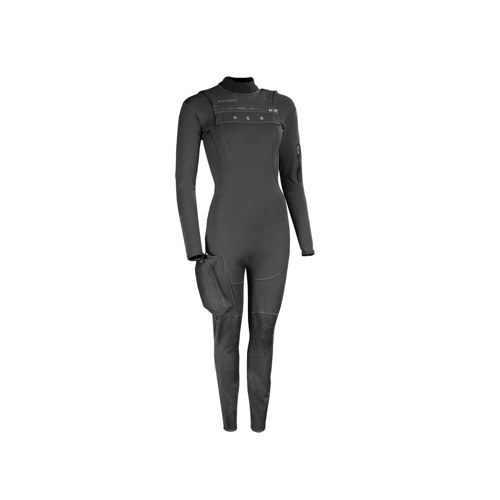
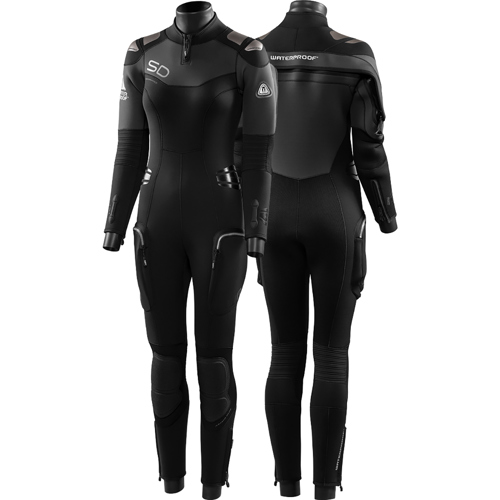
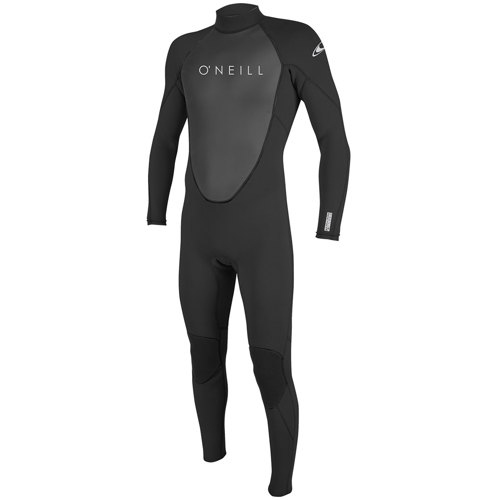
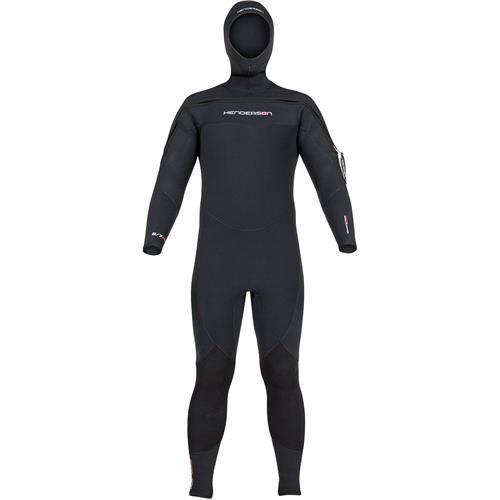
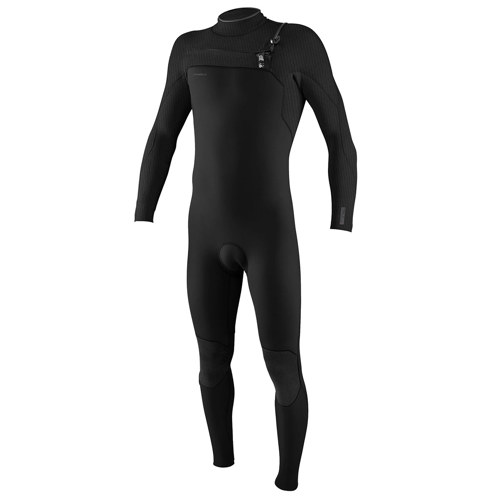
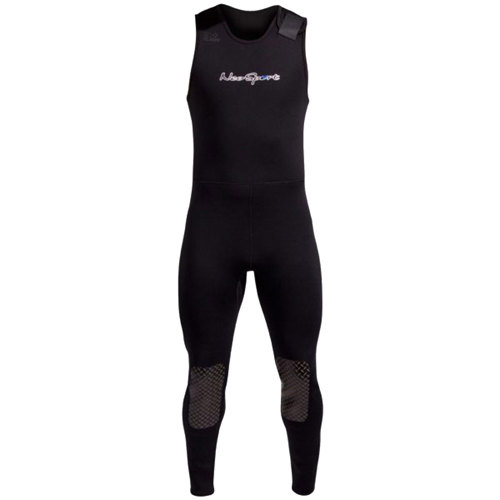
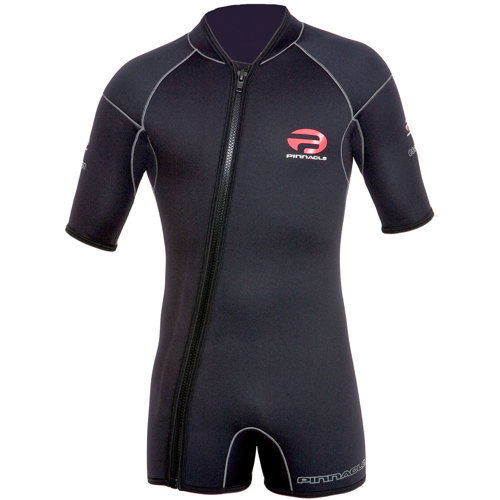
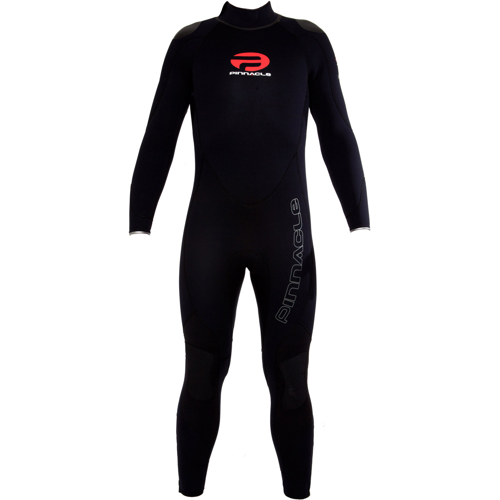
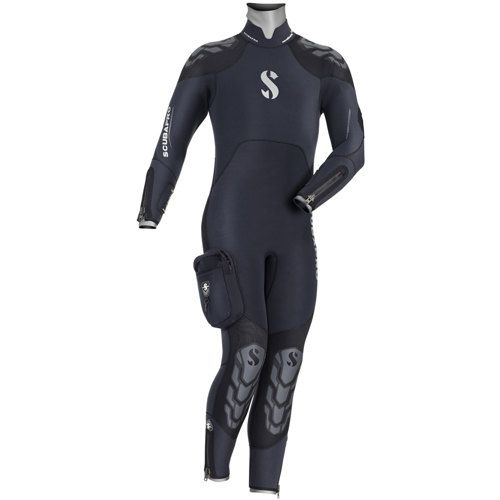
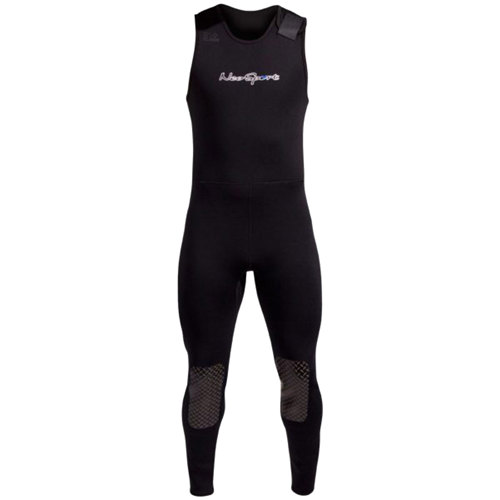
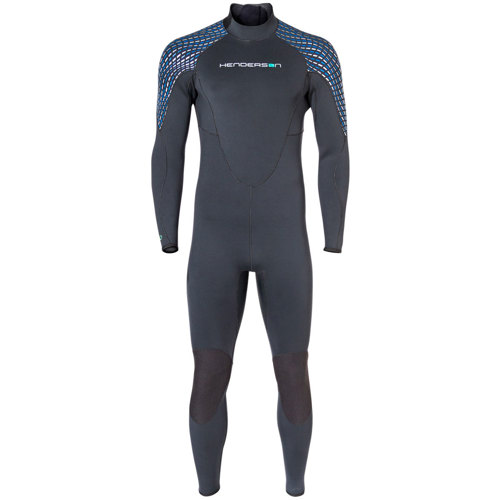
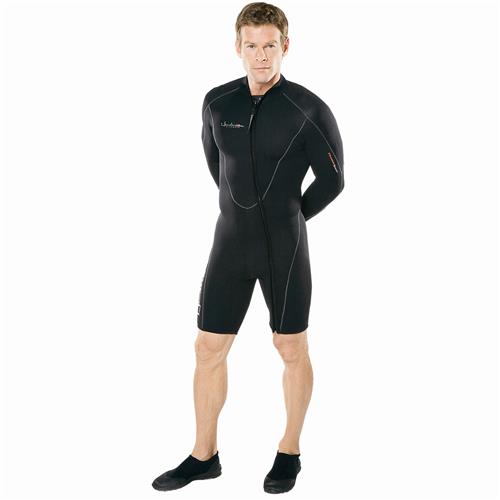
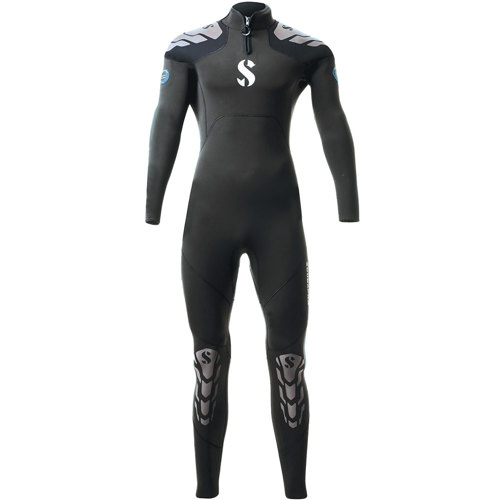
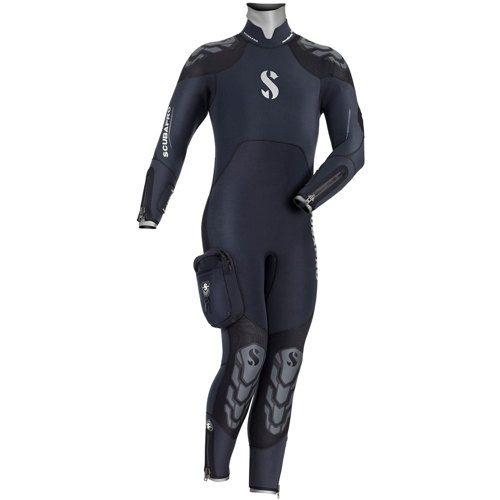
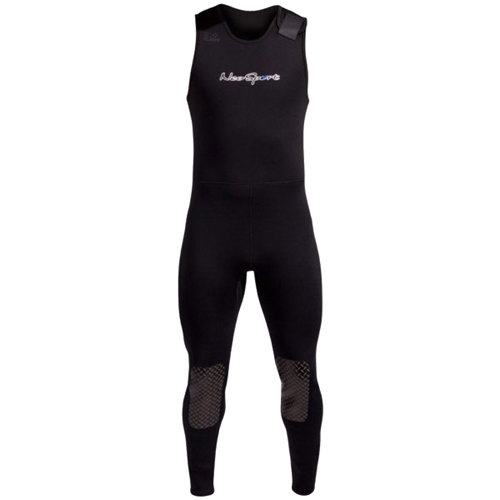
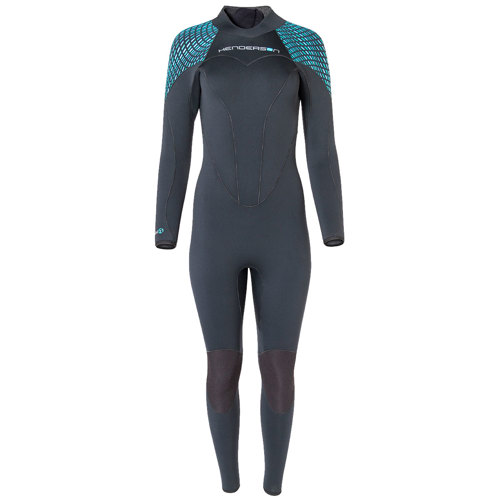
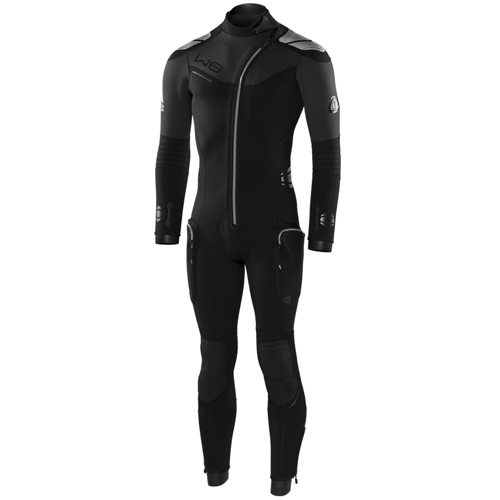
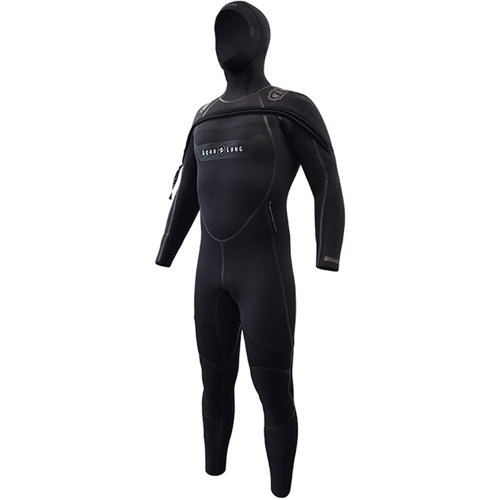
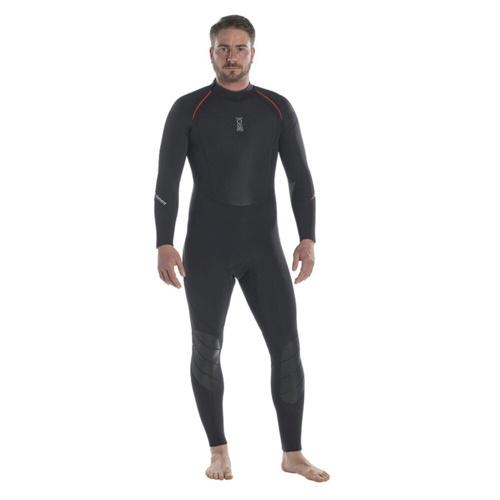
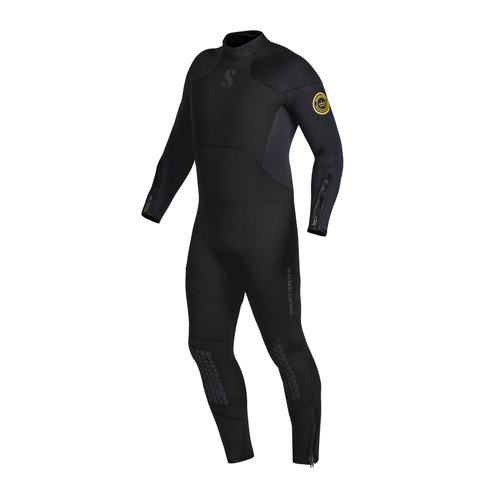
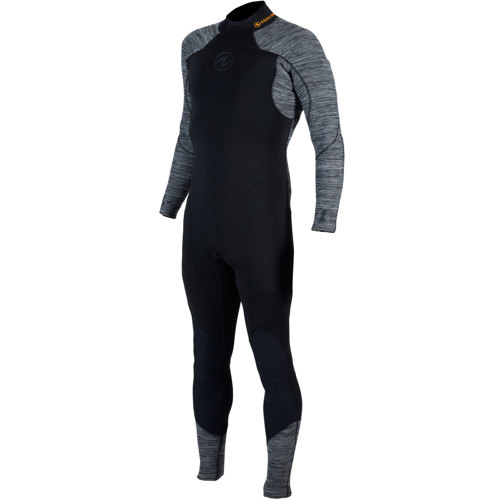
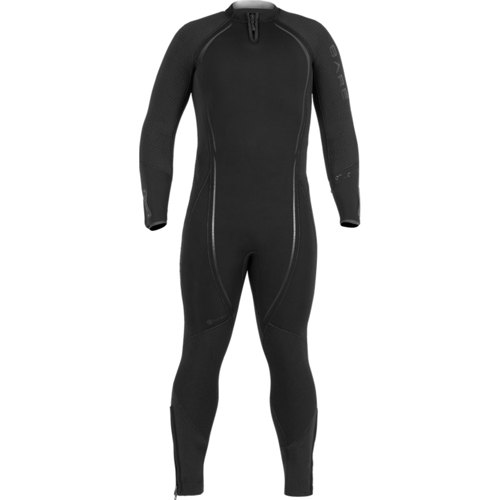
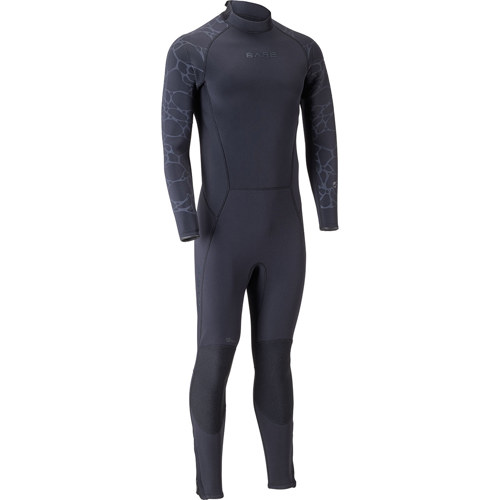
Marine biologists spend countless hours immersed in the world beneath the waves, conducting research, collecting samples, and observing marine life in environments that can range from balmy tropical shallows to the brisk, nutrient-rich depths of temperate and polar seas. The wetsuit is more than just a layer of warmth—it's a vital piece of marine biology equipment for men and women alike, designed to provide comfort, protection, and functionality during long days in the field. When selecting a marine biologist suit, the season and water temperature play a pivotal role: a 3/2mm wetsuit is ideal for warm, tropical waters, offering flexibility and ease of movement, while 5mm suits are better suited for temperate regions, and 7mm or semi-dry suits become essential as the mercury drops in colder climates. Durability is another key factor, as the rigors of fieldwork—crawling over rocky reefs, kneeling on the seafloor to take notes, or hauling equipment—require reinforced knee pads and abrasion-resistant panels. Functional features such as thigh cargo pockets can transform a wetsuit into a mobile workstation, allowing researchers to stow calipers, slates, specimen bags, or even compact cameras within easy reach. For those who value sustainability, eco-friendly options made from limestone-based neoprene or recycled materials are increasingly popular among marine scientists, reflecting a commitment to both ocean health and personal performance.
Wetsuits designed for marine biologists are not just for seasoned professionals—students, educators, and even passionate hobbyists who volunteer on conservation projects or participate in citizen science initiatives will benefit from the right gear. These wetsuits also make thoughtful gifts for aspiring marine scientists, fitness enthusiasts who combine their love of the ocean with active lifestyles, or anyone seeking marine biology equipment for fitness enthusiasts who train in open water. The best wetsuit under $1000 can offer premium features such as ultra-stretch neoprene, watertight seams, and quick-dry linings, providing comfort during extended dives and repeated entries and exits from the water. In the field, a well-chosen wetsuit becomes a trusted companion, shielding the wearer from stinging organisms, sharp coral, and the relentless chill that can sap focus and energy. For those involved in specialized research—such as shark tagging or deep reef surveys—added protection or even bite-resistant materials may be necessary. The right marine biologist suit is not only practical but can inspire a sense of identity and professionalism, whether worn during groundbreaking research or as part of marine biologist costume ideas for educational outreach and public engagement events.
As spring transitions into summer, conditions are prime for fieldwork, and the importance of a reliable wetsuit becomes even more apparent. The surge in marine biology expeditions, coral reef monitoring, and underwater fitness training means that selecting the right wetsuit is a decision that impacts safety, productivity, and enjoyment. For those drawn to vibrant coral ecosystems, there are specialized resources available, such as the
Wetsuits For Coral Reefs page, which provides further insight into gear tailored for sensitive reef environments. Ultimately, whether you are an experienced researcher, an educator leading field courses, or someone searching for the perfect gift for a marine science enthusiast, investing in a wetsuit that meets the demands of marine biology is a step toward more effective, comfortable, and memorable experiences beneath the waves. Each dive is an opportunity to connect with the ocean, contribute to our understanding of marine life, and do so with the confidence that comes from wearing equipment designed for the unique challenges of marine research.