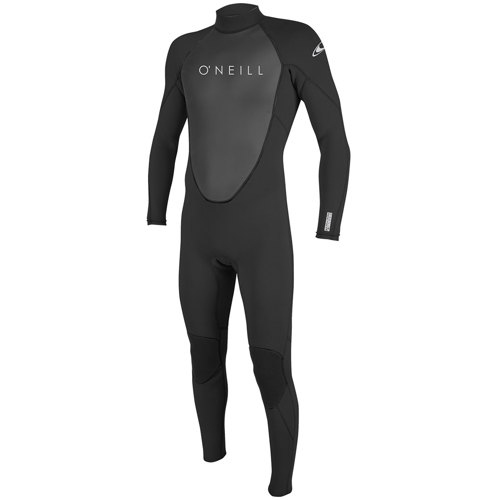
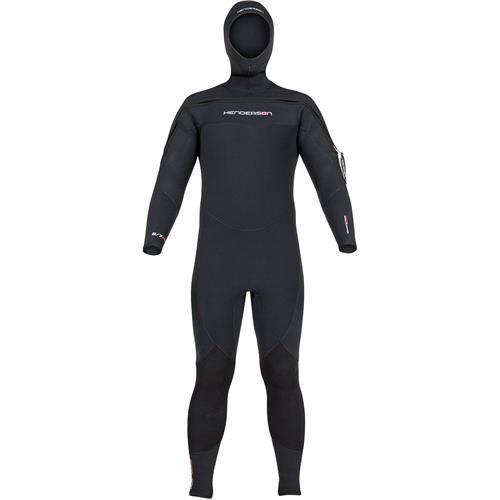
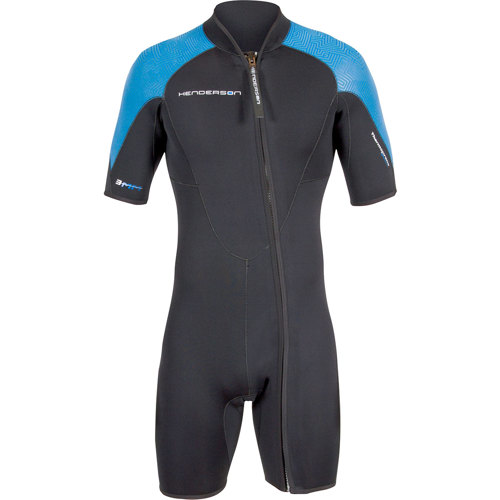
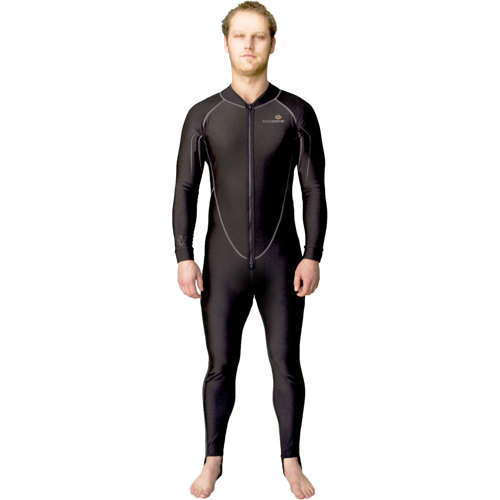
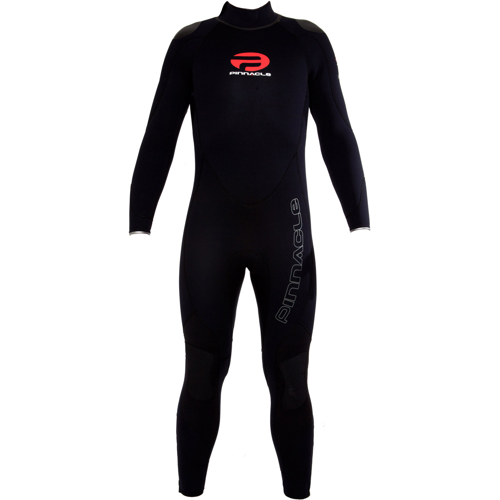
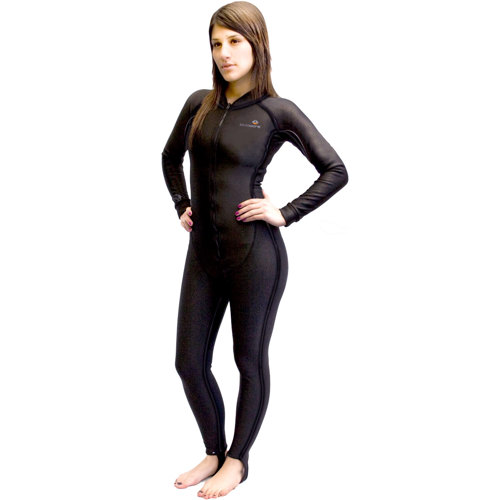
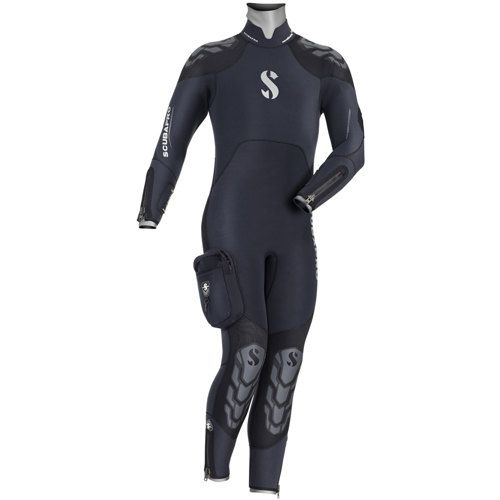
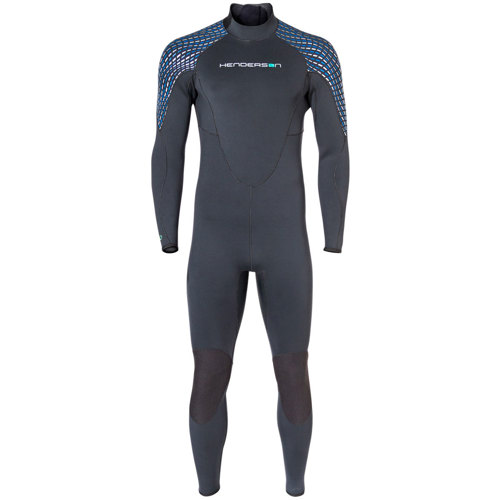
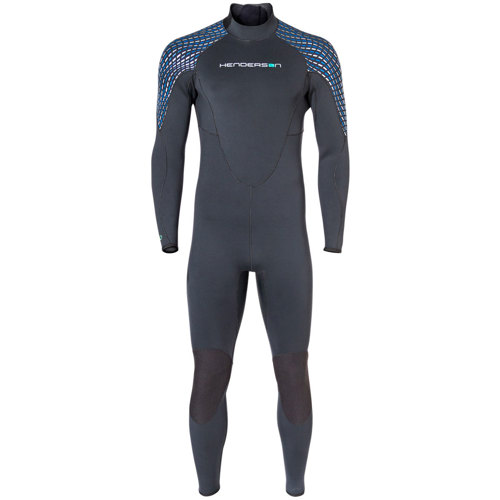
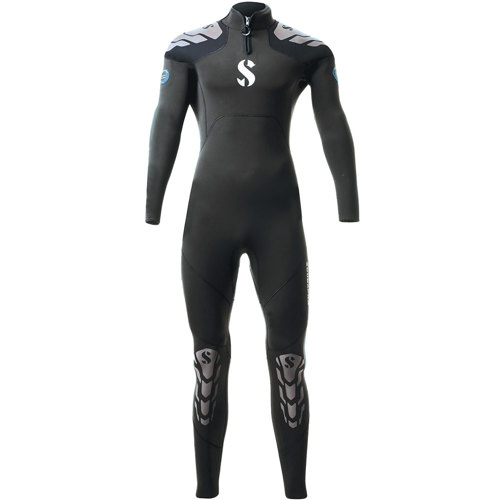
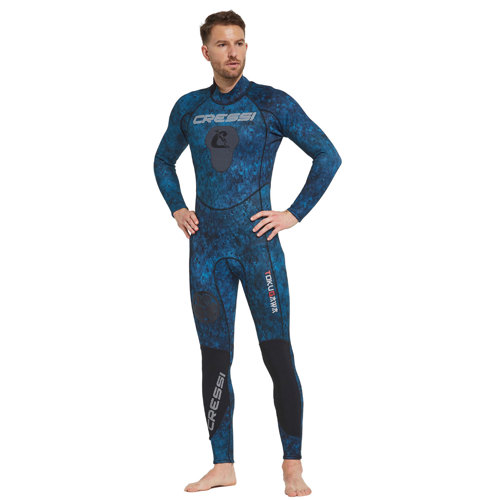
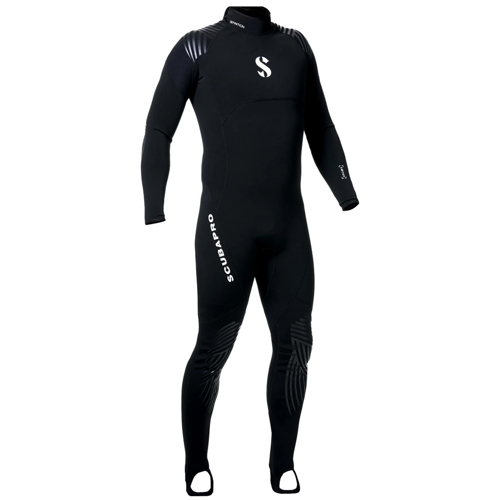
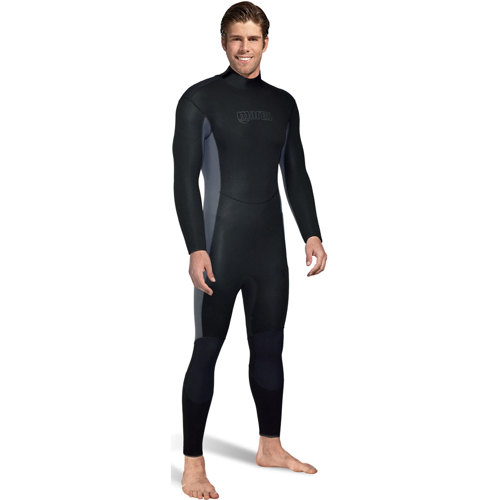
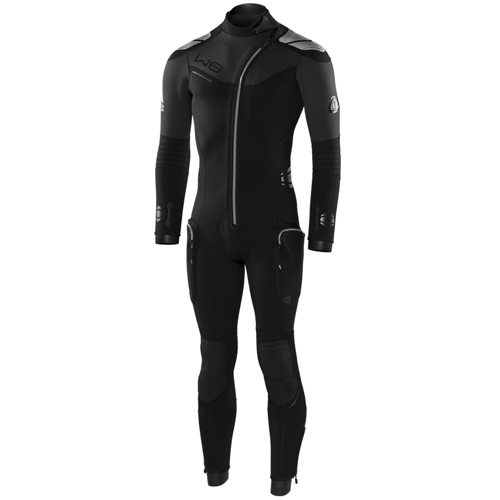
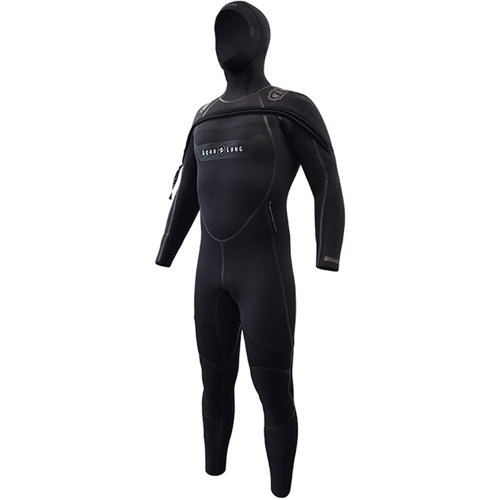
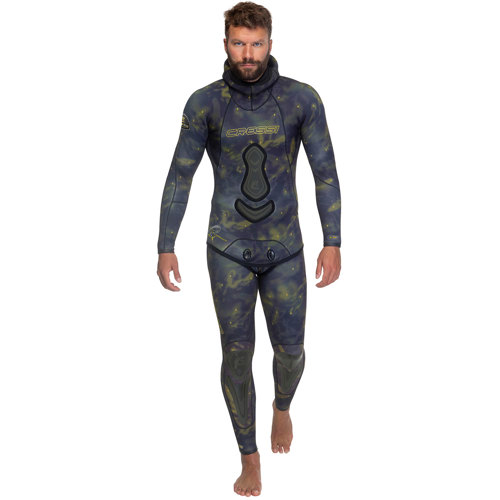
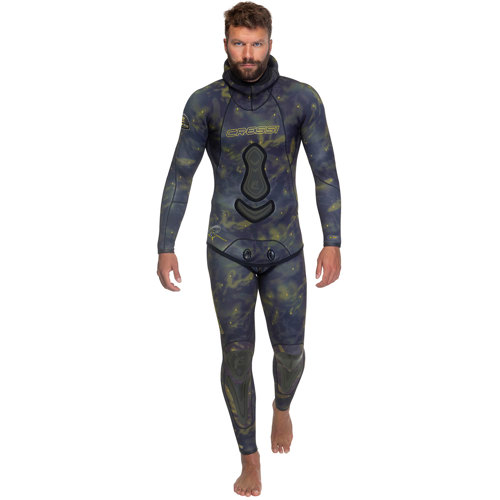
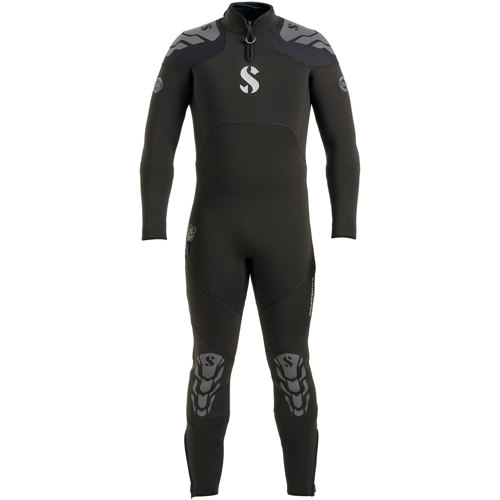
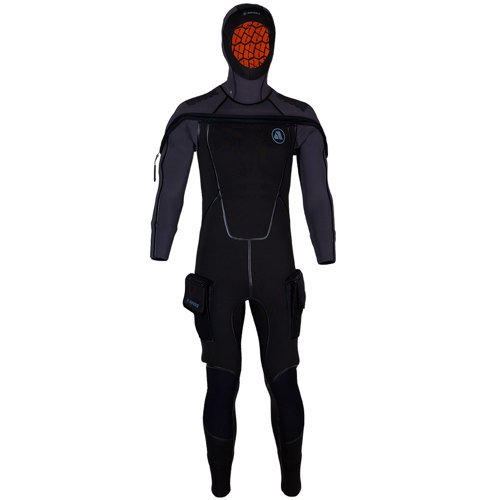
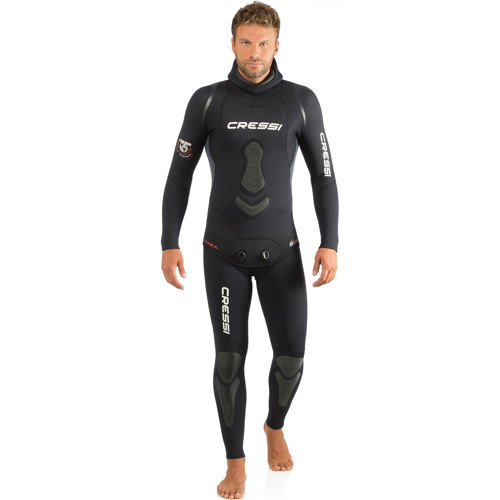
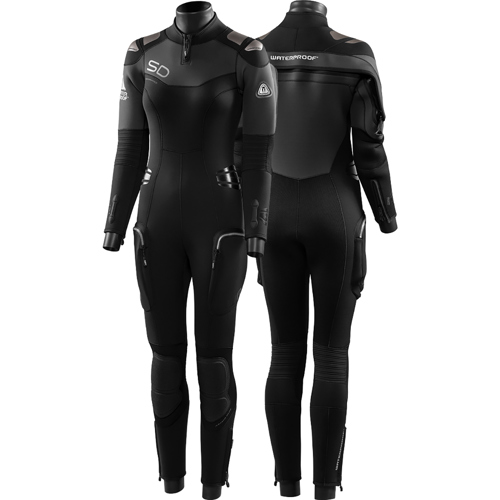
Freediving during the late spring and summer months is a rewarding experience, as the ocean’s character shifts with the warming weather and changing light. For those planning expeditions in this season, choosing the right wetsuit is not just about comfort—it’s about maximizing safety, performance, and enjoyment in the water. Freediving wetsuits are uniquely designed to meet the demands of extended breath-hold dives, offering a blend of flexibility, thermal protection, and streamlined fit. Unlike traditional scuba wetsuits, which often feature back zippers and thicker, less flexible neoprene, freediving suits are typically constructed in two pieces—a hooded jacket and high-waisted pants—crafted from supple materials that move with the body. This design minimizes water entry and provides a snug, hydrodynamic fit, essential for conserving energy and maintaining warmth, especially when diving for long periods or at greater depths.
As the water temperature can vary dramatically depending on your destination, it’s important to consider the thickness of your wetsuit. In tropical or subtropical environments, where water temperatures hover between 24°C and 29°C, a thinner suit in the range of 1.5mm to 3mm is ideal, allowing for ample mobility while still protecting against sun, jellyfish, and minor abrasions. For expeditions in temperate or cooler waters, a 3.5mm to 5mm suit is more appropriate, offering enhanced insulation without sacrificing flexibility. Many experienced freedivers prefer open-cell neoprene for its superior warmth; this material creates a gentle seal against your skin, trapping a thin layer of water that your body heats up naturally. However, open-cell suits require care and a bit of practice to don, as they are more delicate and often need a lubricant to slide on easily. For those new to freediving, or anyone who values convenience and durability, closed-cell (lined) suits are a practical alternative—they’re easier to put on and more resistant to wear, though they may trade off a bit of thermal efficiency.
Freediving wetsuits make thoughtful gifts for ocean enthusiasts, especially those who cherish the meditative calm of exploring beneath the waves. They’re also a smart investment for spearfishers, underwater photographers, and anyone participating in open water training or competitions during the warmer months. Features like reinforced chest pads are especially appreciated by spearfishers, providing extra comfort when loading a speargun. A well-fitted wetsuit can be the difference between a memorable expedition and a chilly, fatiguing experience, so it’s worth considering custom-fit options if you have unique sizing needs. For men looking to round out their kit or upgrade their gear, specialized jackets can add versatility and targeted warmth in fluctuating conditions—explore the selection of
Mens Wetsuit Jackets For August Freediving to find pieces that pair seamlessly with your base layers. Whether you’re gifting a wetsuit to an adventurous friend or preparing for your own underwater journey, the right suit will support confidence and comfort in every dive, letting you focus on the serenity and beauty that freediving offers as the seasons shift.