Water jackets play a crucial role in a wide range of applications where effective temperature regulation is essential. Whether found in the intricate cooling systems of internal combustion engines and electric motors, or as protective insulation for hot water tanks, water jackets are engineered to manage heat efficiently and reliably. In mechanical systems, a water jacket typically consists of a network of passages or channels that surround the engine block or cylinder head. As the engine operates, coolant—usually a mixture of water and antifreeze—circulates through these channels. This process absorbs excess heat generated during combustion or electrical operation, carrying it away from vital components and out to a radiator for dissipation. The result is a stable operating temperature, which is vital for performance, longevity, and safety. Without a properly functioning water jacket, engines are prone to overheating, which can lead to costly damage, reduced efficiency, and even catastrophic failure. In high-compression or racing environments, where engines are pushed to their limits, the importance of a reliable water jacket system cannot be overstated. The same principles apply to high-performance RC motors and specialized industrial equipment, where precise thermal management ensures smooth, uninterrupted operation.
Beyond the realm of machinery, the term "water jacket" is also commonly used to describe insulated covers designed to wrap around domestic or commercial hot water tanks. These jackets are often made from materials like foam or fiberglass and serve to minimize heat loss, thereby improving energy efficiency and reducing utility costs. Especially in colder months like January, when water heating demands are at their peak, an insulated water jacket can make a noticeable difference in both comfort and expense. Homeowners and facility managers alike appreciate the straightforward installation and immediate benefits—warmer water for longer periods, and a reduction in the frequency and intensity of heating cycles. This makes water jackets a thoughtful gift for anyone interested in home improvement, energy conservation, or simply staying cozy through the winter. They are also a practical choice for new homeowners, students moving into their first apartments, or anyone looking to upgrade their living space with a simple yet effective solution.
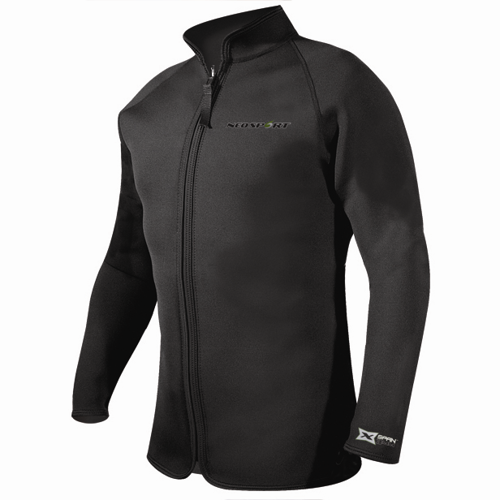
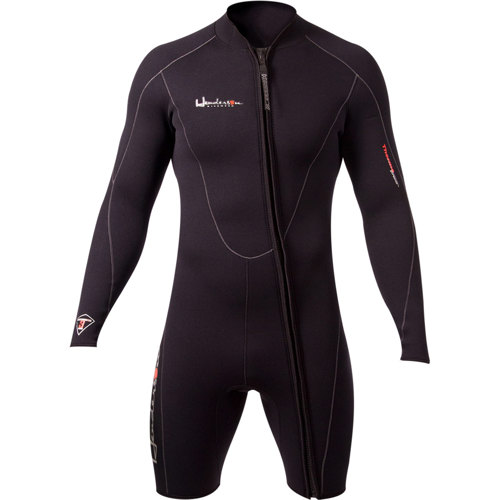
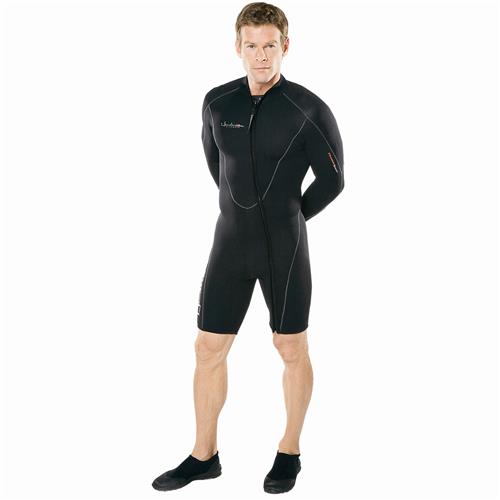
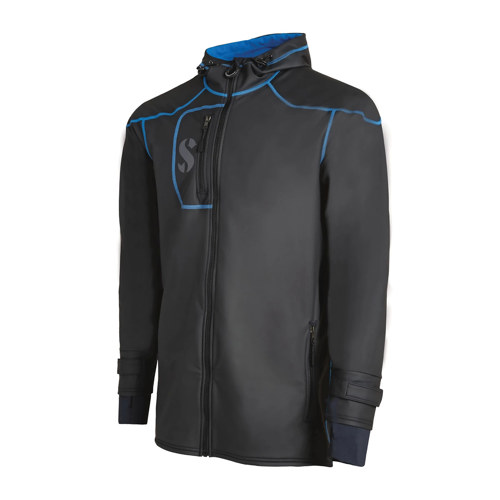
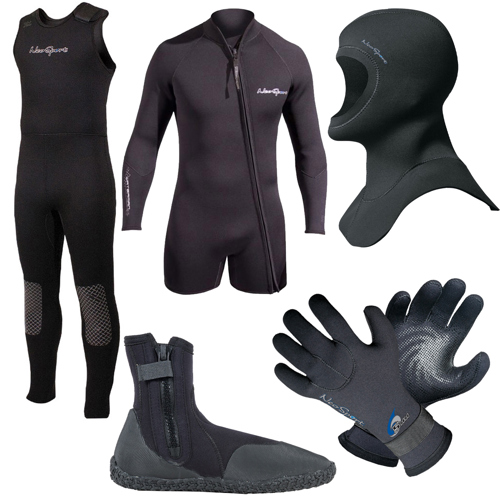
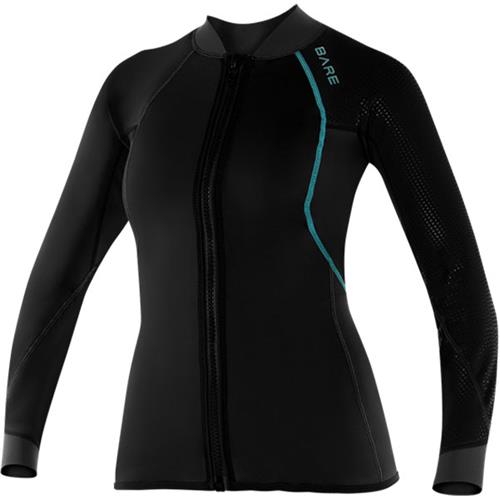
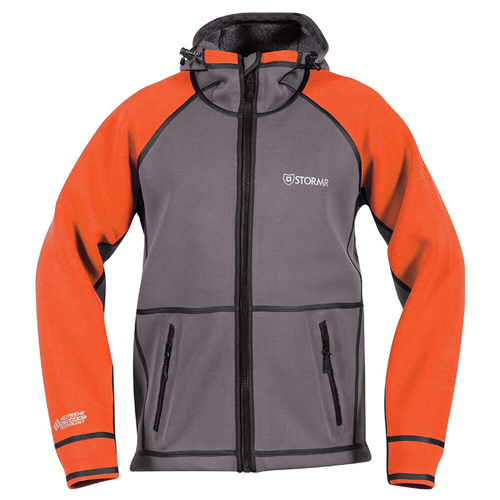
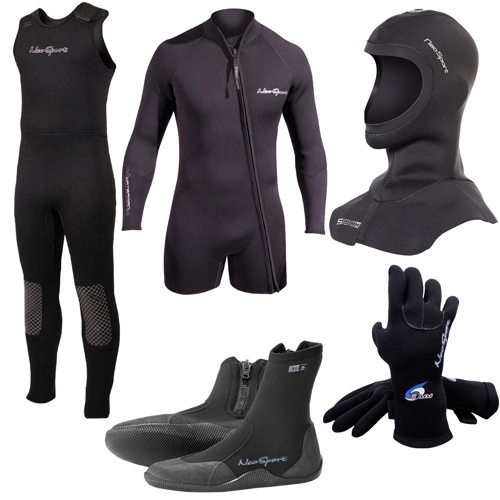
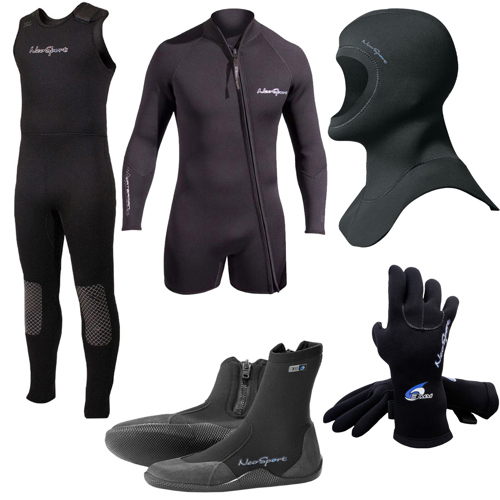
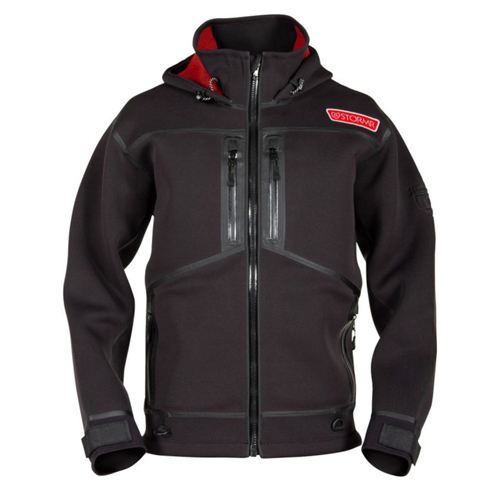
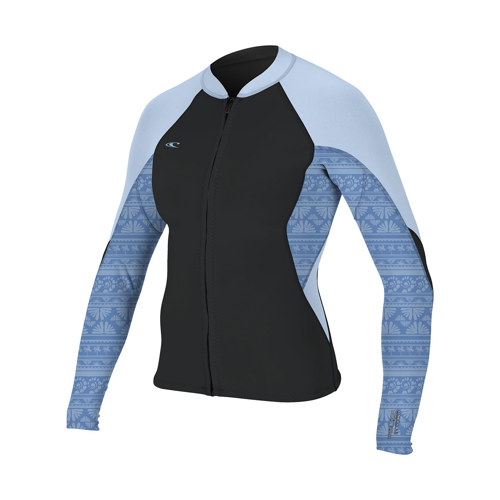
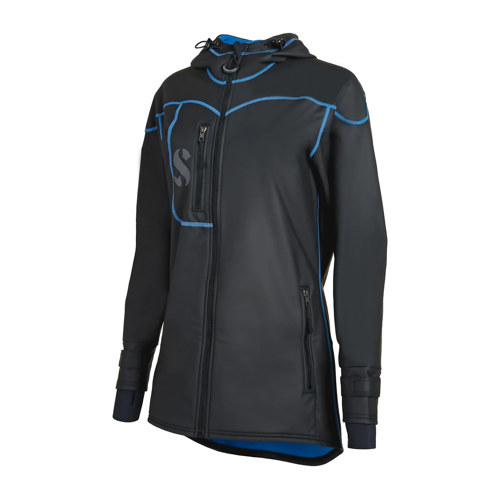
When considering the purchase of a water jacket—whether for an engine, motor, or water tank—there are several factors to keep in mind. Material quality is paramount, as it determines both the durability and effectiveness of the jacket. For engine applications, compatibility with the specific make and model is essential, as is the ability to withstand the pressures and temperatures involved. Look for features like reinforced seams, corrosion-resistant coatings, and efficient flow control mechanisms to ensure optimal performance. In the case of tank insulation, the thickness and R-value of the material are key indicators of how well the jacket will retain heat. Ease of installation, maintenance requirements, and long-term reliability are also important considerations. If you’re interested in exploring more options for keeping warm and protected in aquatic environments, be sure to visit our curated selection of
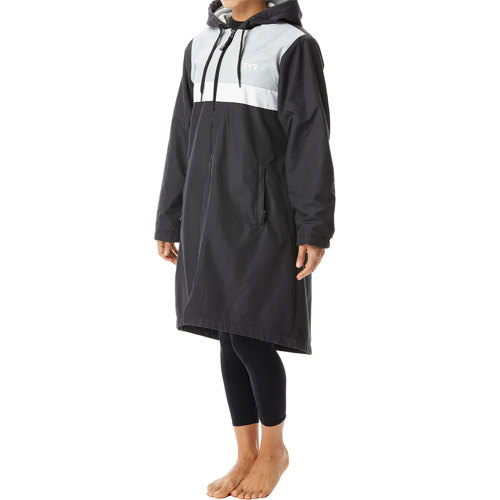
Thermal Water Resistant Jackets, where you’ll find gear designed to meet the demands of both recreational and professional users. Whether you’re outfitting a high-performance vehicle, upgrading your home’s energy efficiency, or seeking the perfect gift for someone who values comfort and practicality, the right water jacket can make all the difference.