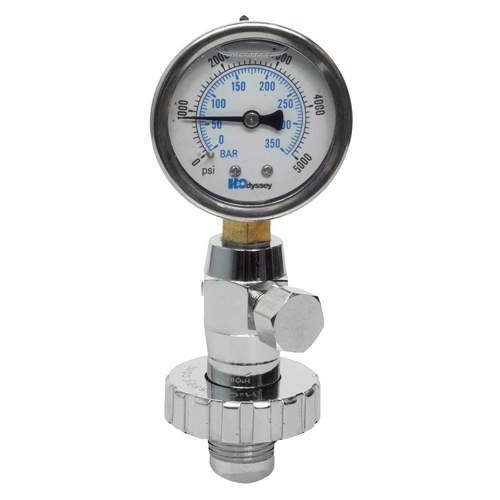
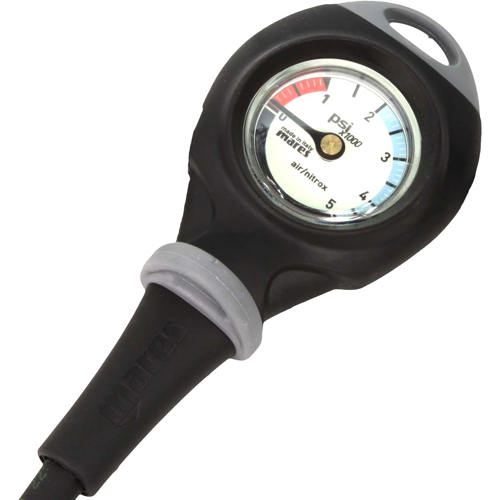
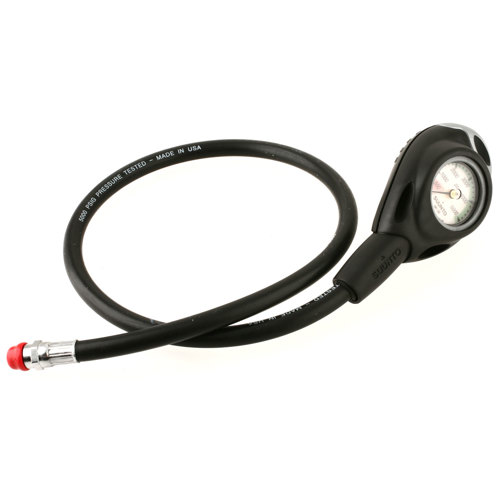
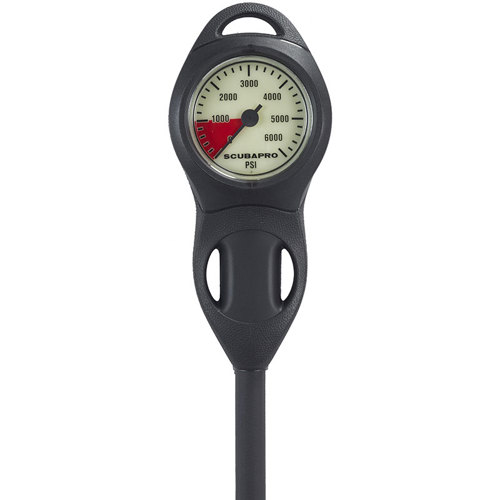
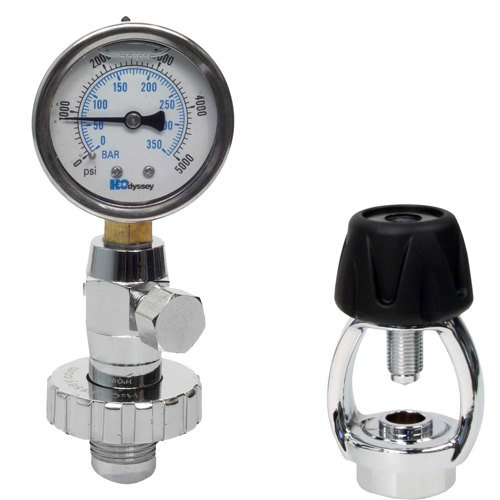
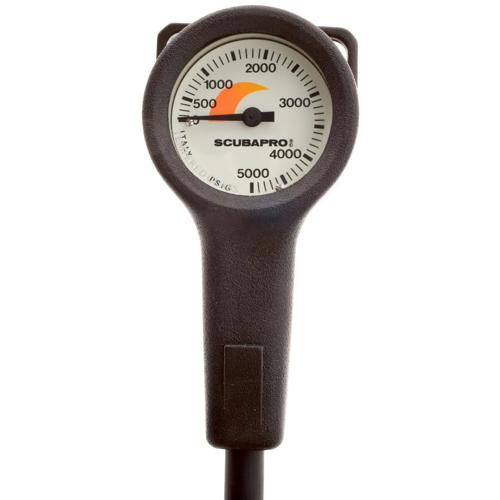
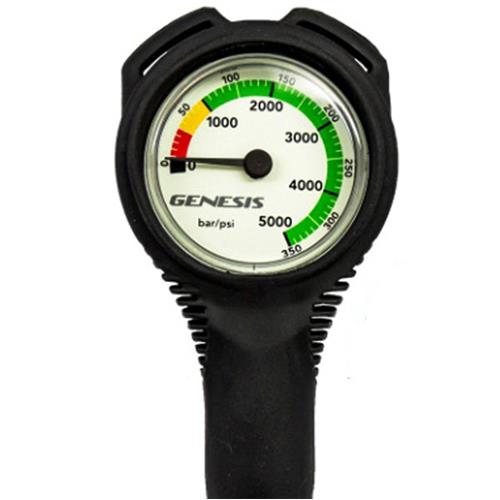
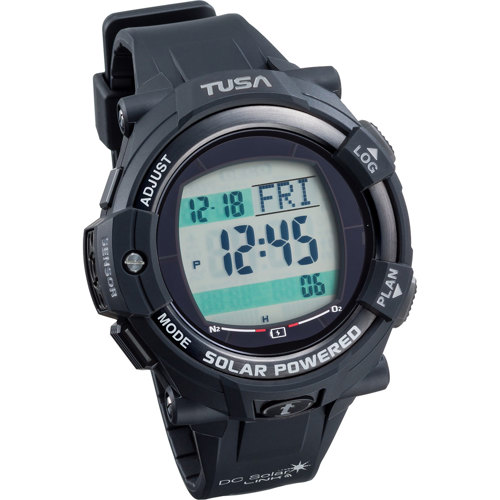
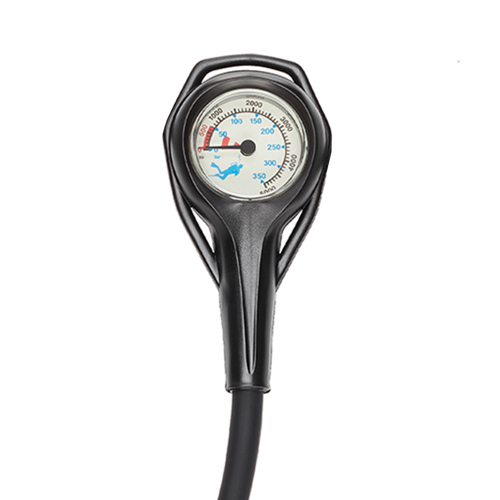
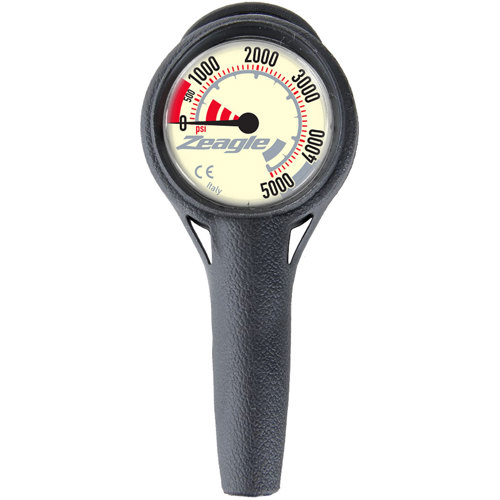
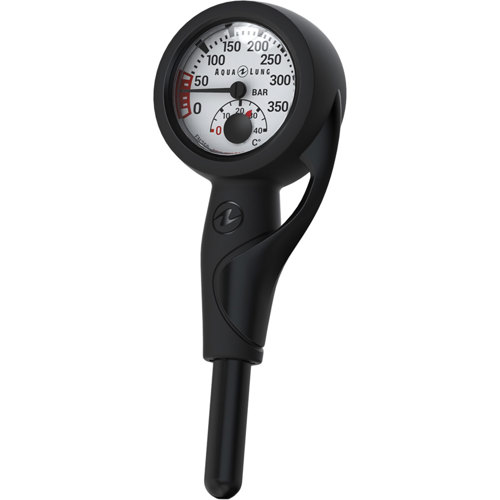
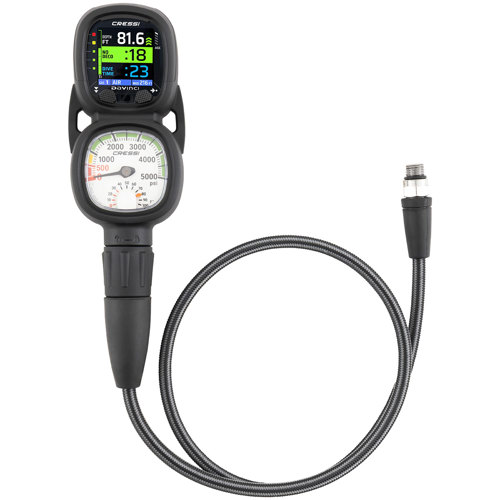
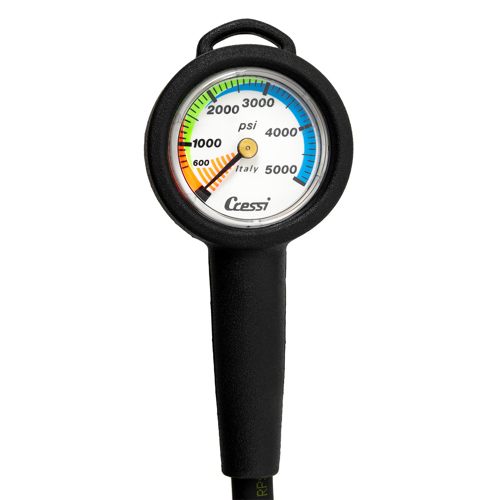
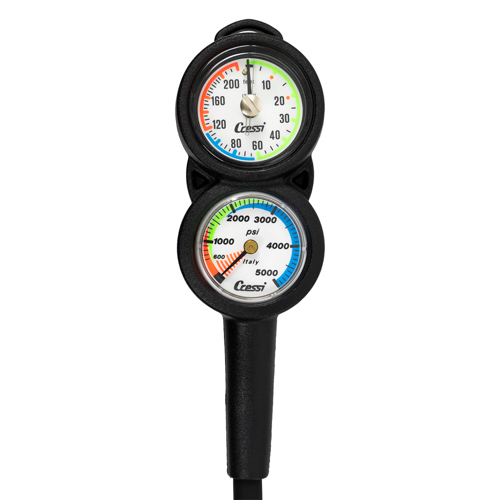
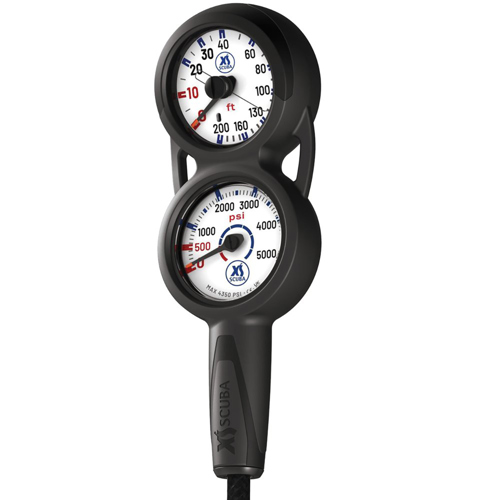
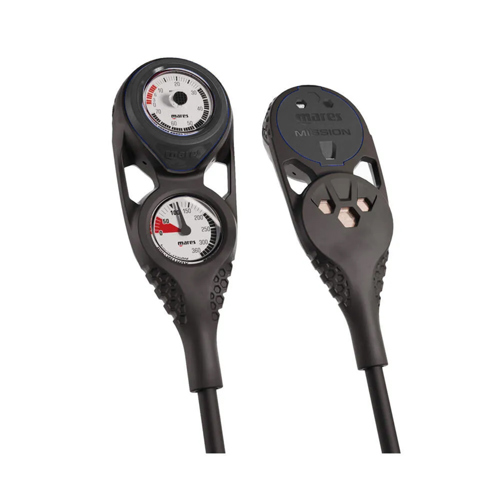
Visibility gauges are essential tools across a range of environments, designed to provide clear and accurate readings of pressure, temperature, or liquid levels under demanding conditions. Whether you’re working in an industrial setting, managing a facility, or overseeing safety in low-light or high-vibration environments, these gauges are engineered to deliver reliability and ease of use when it matters most. Many models feature anti-glare lenses, high-contrast dials, and fluorescent backgrounds that enhance visibility even in dim or challenging lighting. Some incorporate glow-in-the-dark or color-changing safety zones, making it easy to spot out-of-range readings at a glance. This attention to detail is particularly valuable in busy industrial plants, where quick visual checks can make all the difference in maintaining safe operations. For those monitoring tanks or boilers, visual level indicators—often called sight glasses—offer a straightforward, power-free way to assess liquid levels. These indicators may use brightly colored flags or floating markers, ensuring that even from a distance, you can confidently gauge the status of your system. The durability of these devices is a key consideration, especially as the weather warms and operations move outdoors or into environments where dust, moisture, or temperature swings are common. Choosing a visibility gauge with robust construction and weather-resistant materials helps ensure long-term performance and safety throughout the changing seasons.
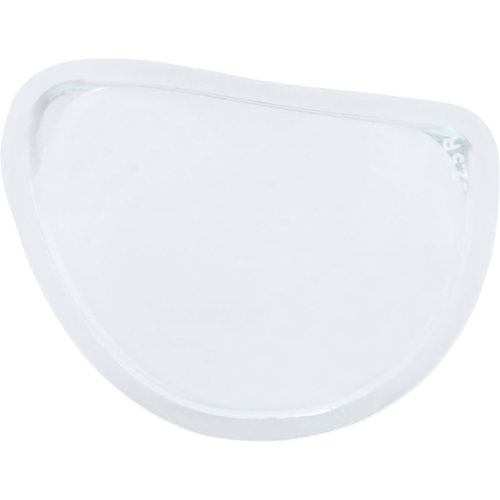
For professionals in meteorology, aviation, or facility management, automated visibility sensors provide another layer of precision. These sophisticated devices, often seen at airports or weather stations, use advanced optical technology—such as forward scatter meters—to measure the clarity of the atmosphere. By emitting infrared light and analyzing how much is scattered or absorbed by particles like fog, rain, or dust, these sensors deliver real-time data on visual range. This information is critical for operational decisions, especially during periods of shifting weather, from the crisp clarity of early summer mornings to the haze and humidity that can settle in as the season progresses. When selecting a visibility gauge, consider who will be using it and for what purpose. Industrial maintenance teams, safety officers, and even hobbyists with home workshops can all benefit from the added assurance that comes with highly visible, easy-to-read gauges. These tools also make thoughtful gifts for anyone responsible for equipment monitoring or those with a passion for precision—think of a colleague starting a new role in plant operations, or a friend setting up their own workshop. For anyone who needs extra help reading fine print or small dials, pairing your gauge with specialized accessories such as
Gauge Reader Lenses can further enhance clarity and reduce eye strain, making daily checks more comfortable and efficient.
When integrating visibility gauges into your workflow or facility, pay attention to installation requirements and compatibility with your existing systems. Some gauges are designed for quick retrofits, while others may require more specialized mounting or calibration. Maintenance is equally important—regular cleaning of lenses, inspection for wear, and prompt replacement of any damaged components will extend the life of your equipment and maintain optimal performance. As you prepare for the demands of the warmer months and the transition into cooler weather, investing in high-quality visibility gauges is a proactive step toward safer, more efficient operations. Whether you’re monitoring pressure in an industrial process, tracking fluid levels in storage tanks, or ensuring clear atmospheric readings for transportation and logistics, the right visibility gauge serves as a trusted partner—offering peace of mind and dependable performance, season after season.